
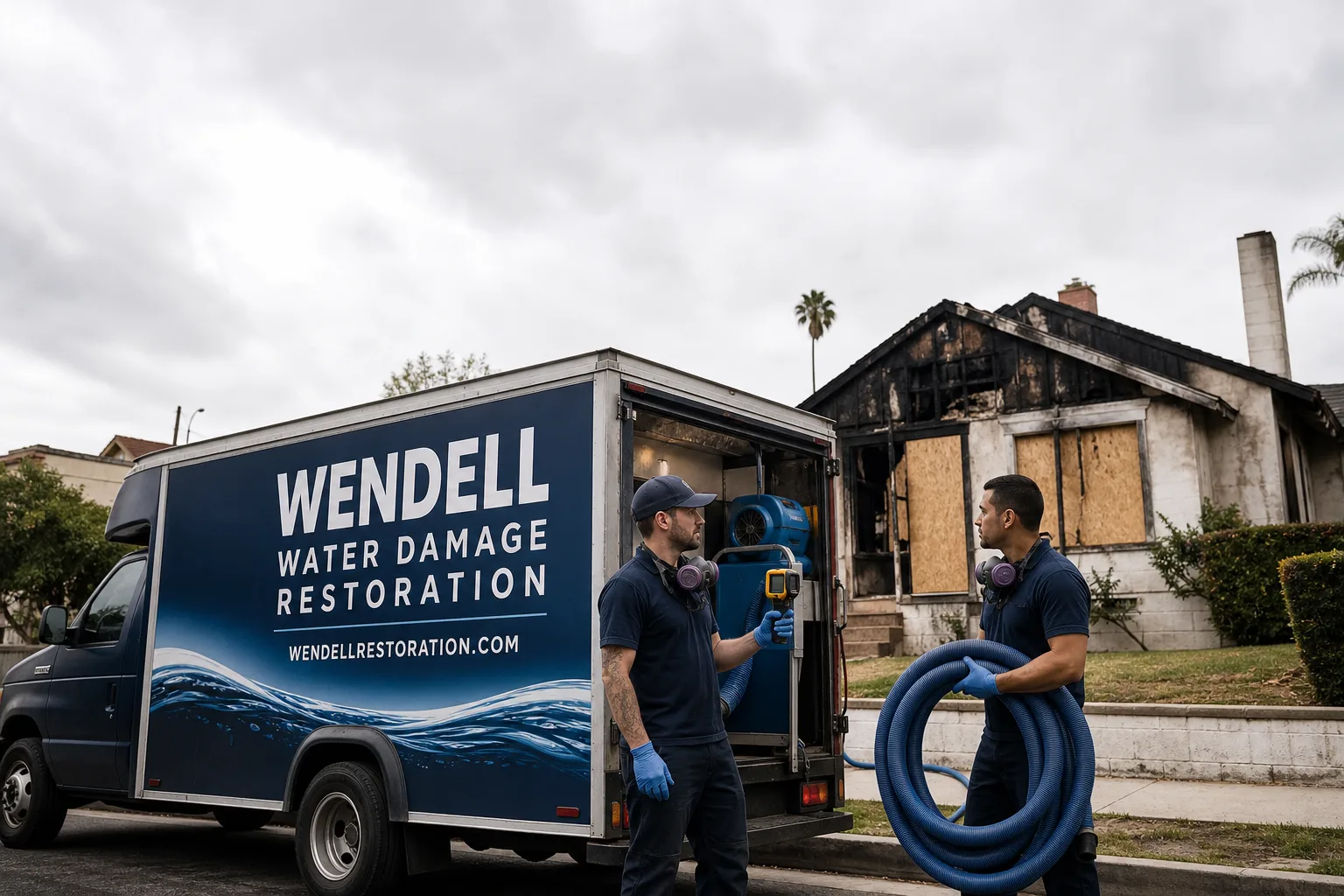
Free visual inspection and a written scope of work before any mitigation begins - photos, moisture readings, and drying logs go in your claim file
The scope we write is the scope we bill. Anything new gets shown to you, in writing, before we touch it.
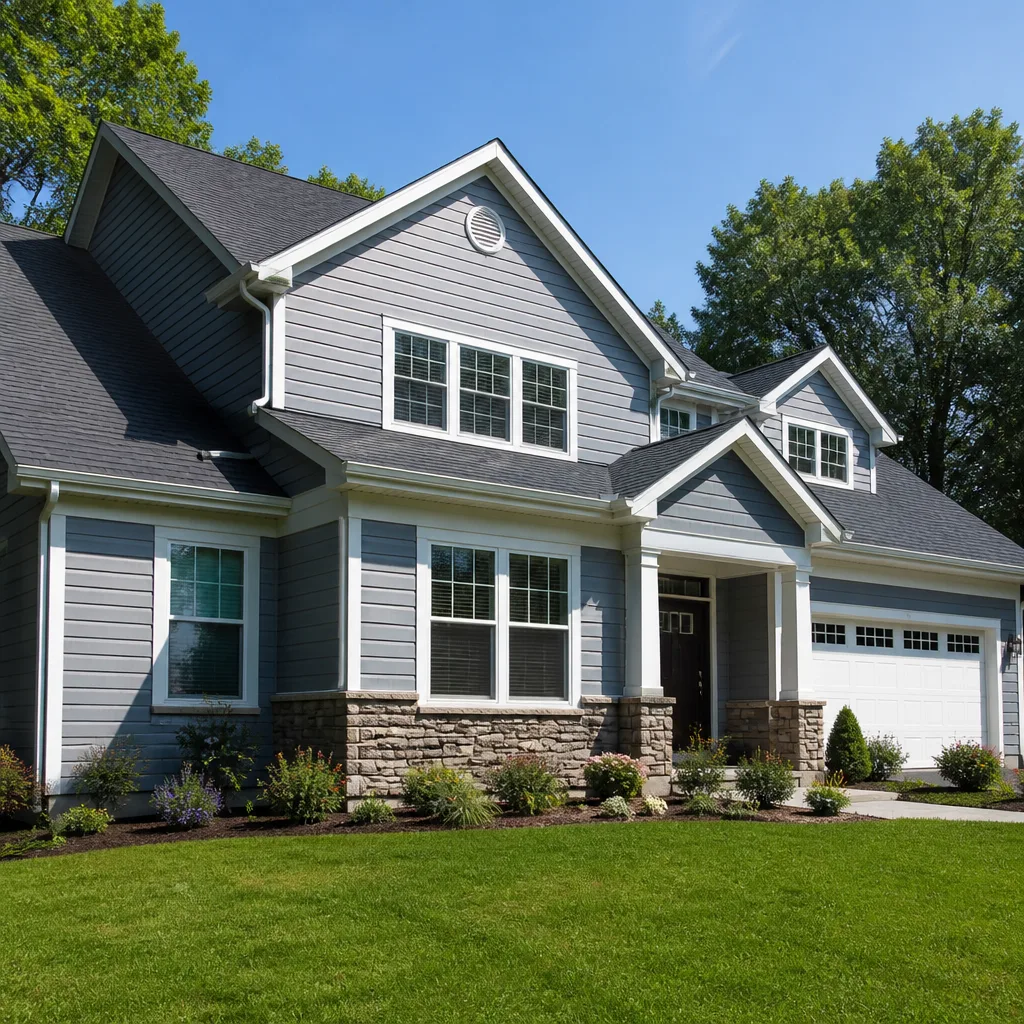
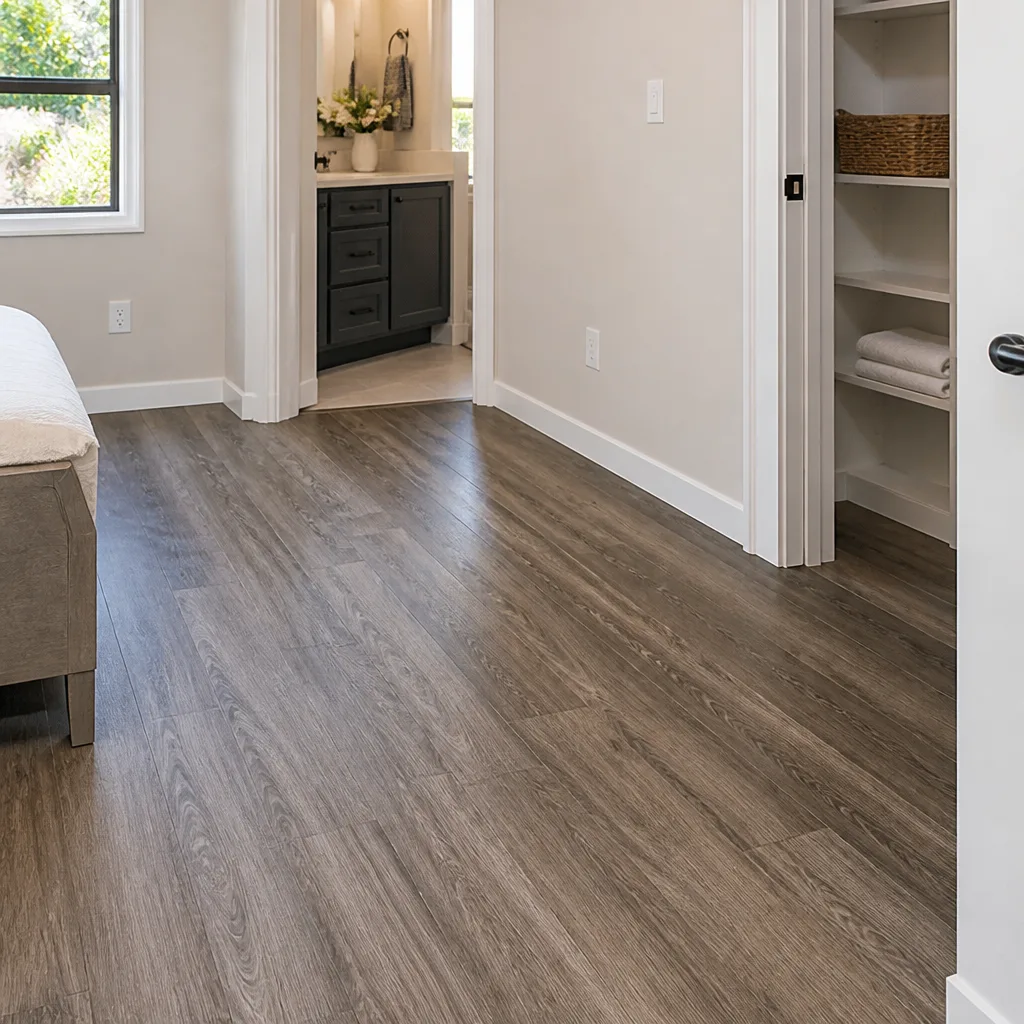
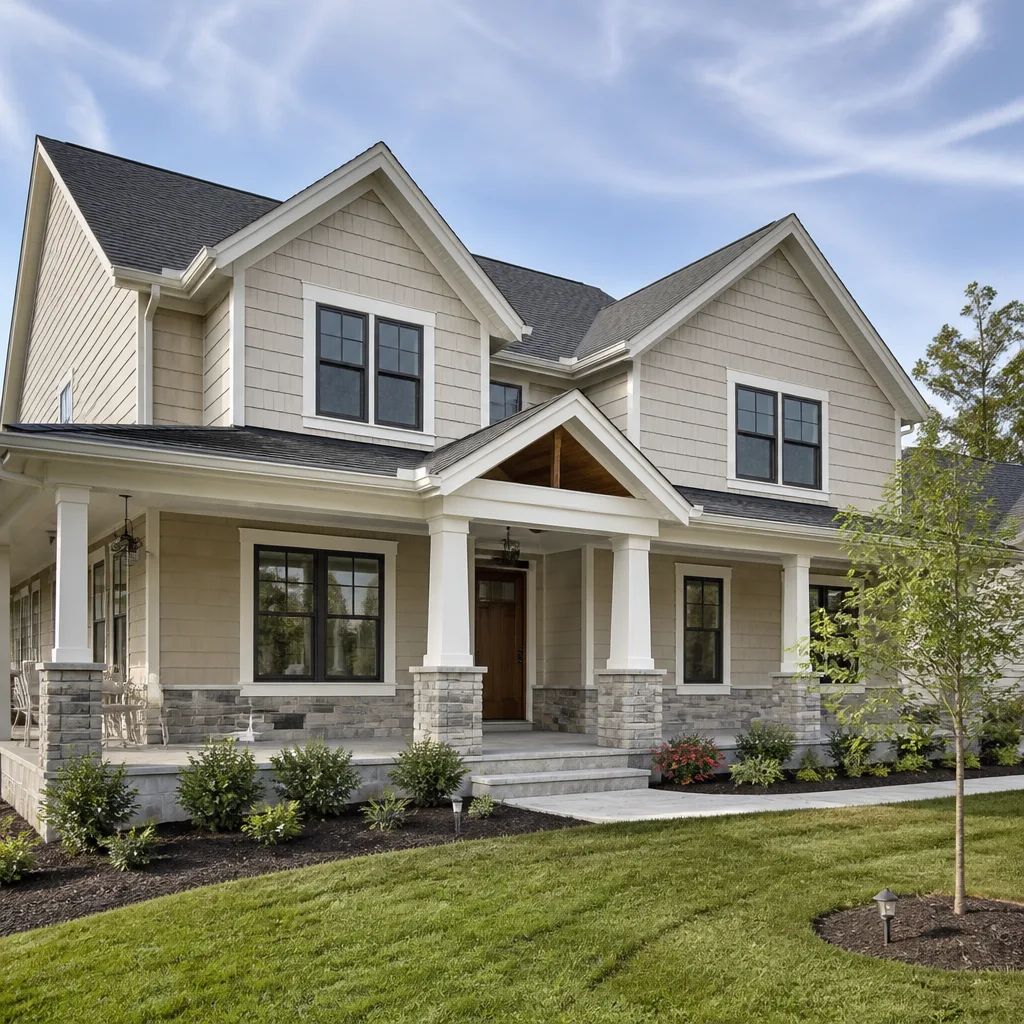
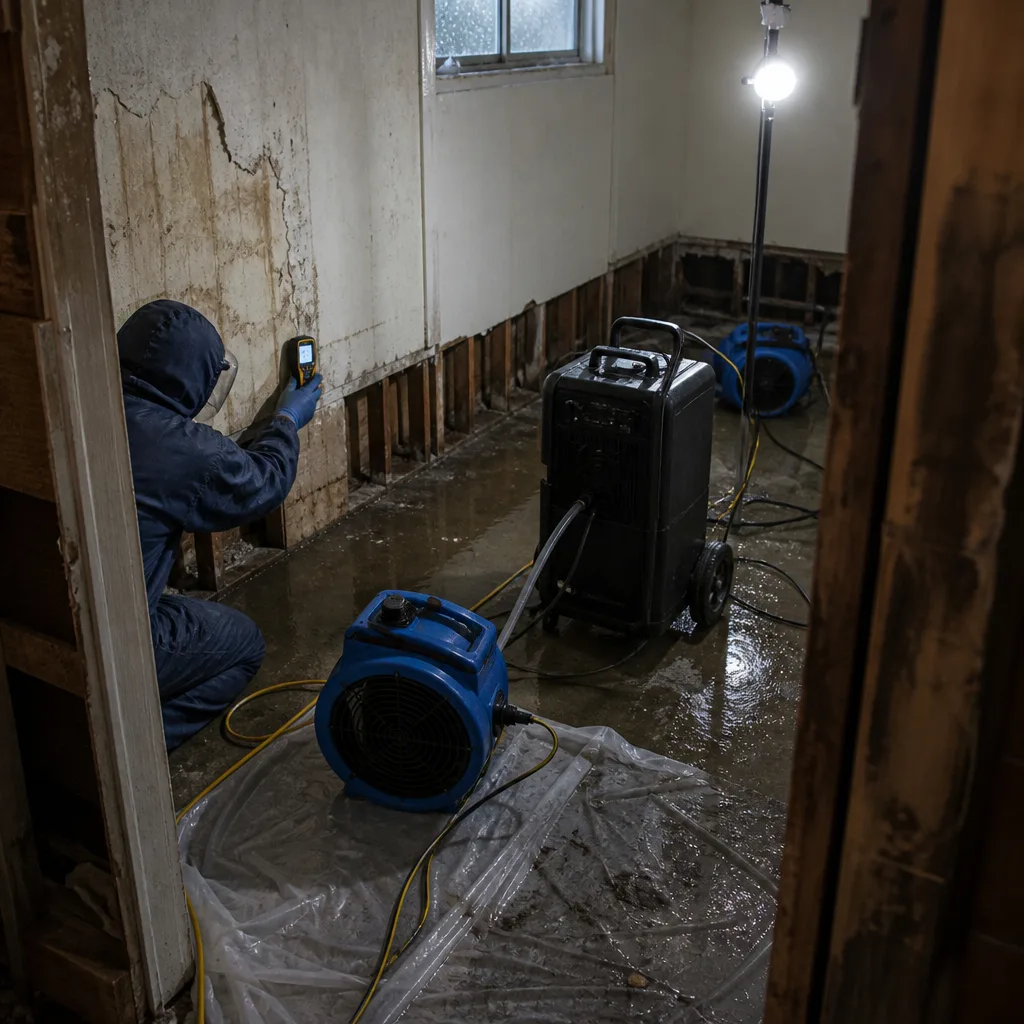 Before
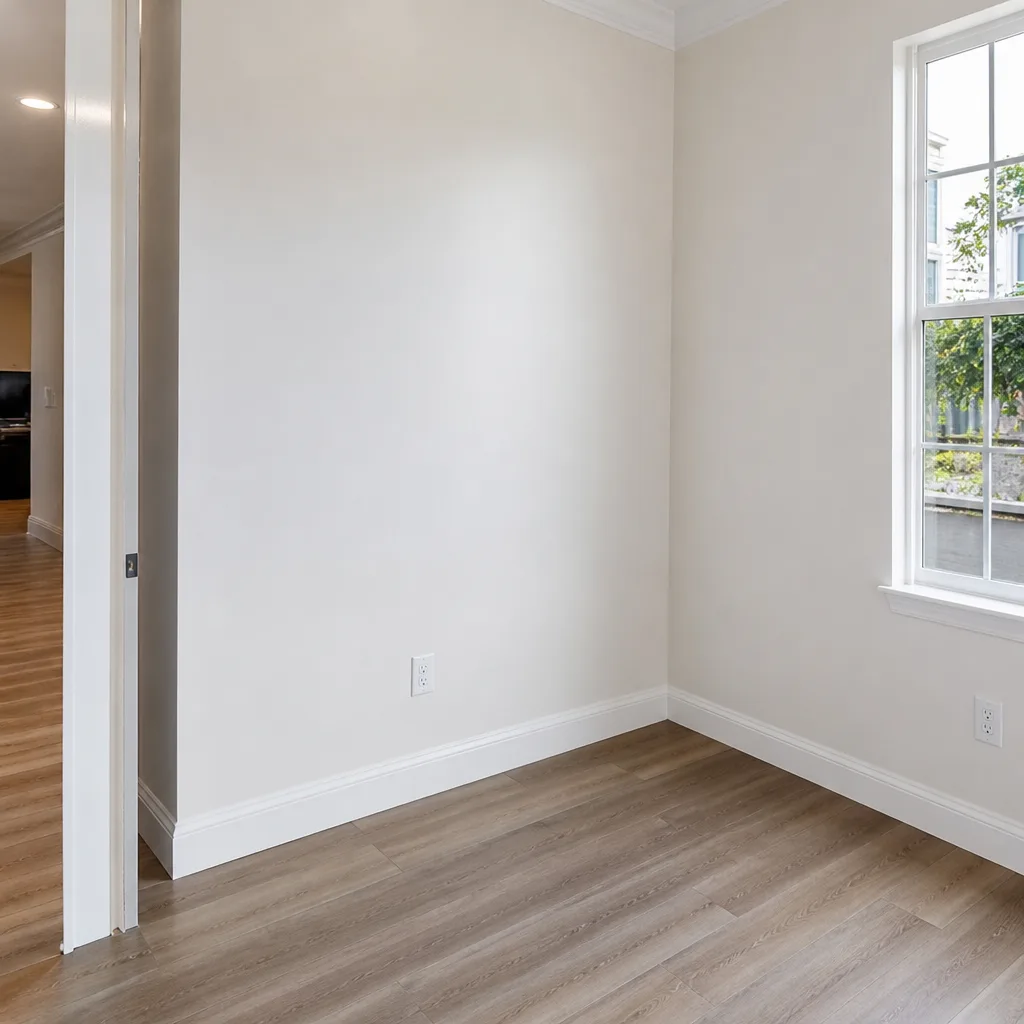 After
After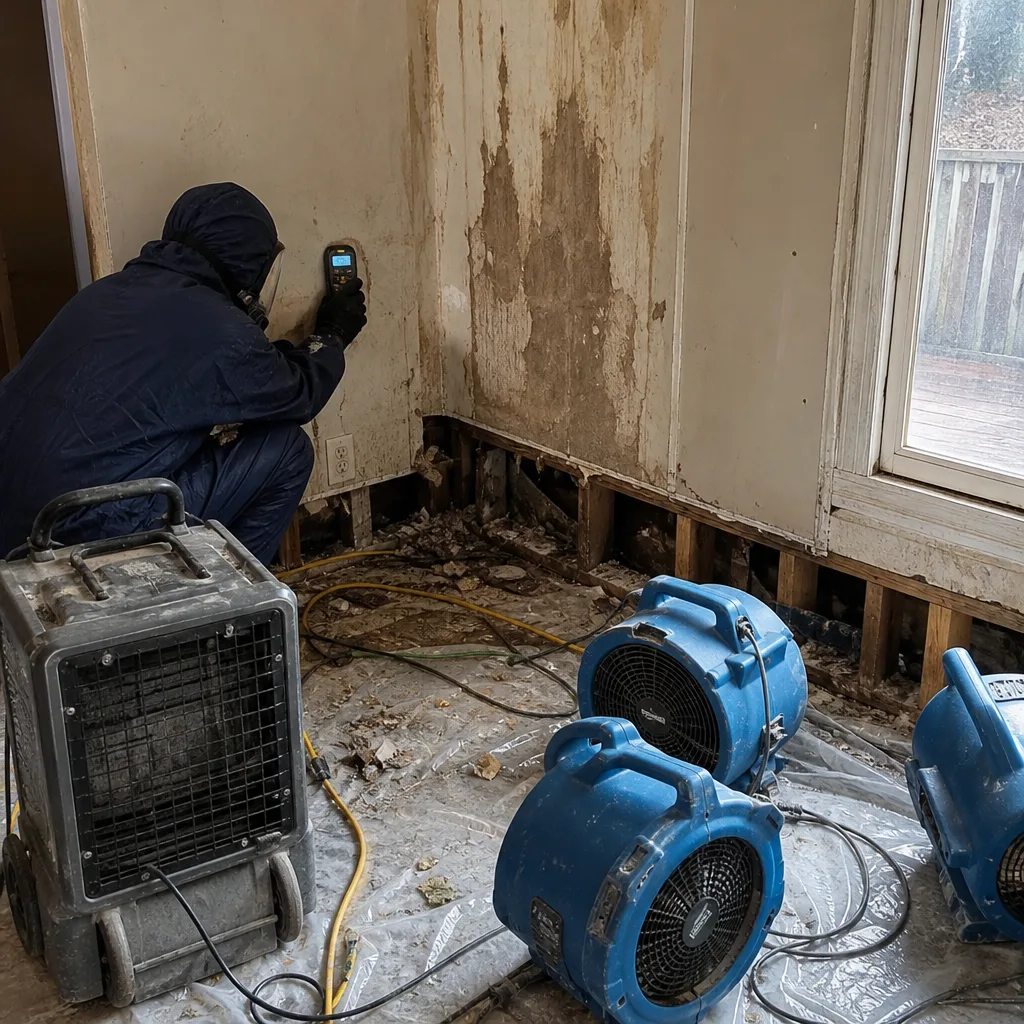 Before
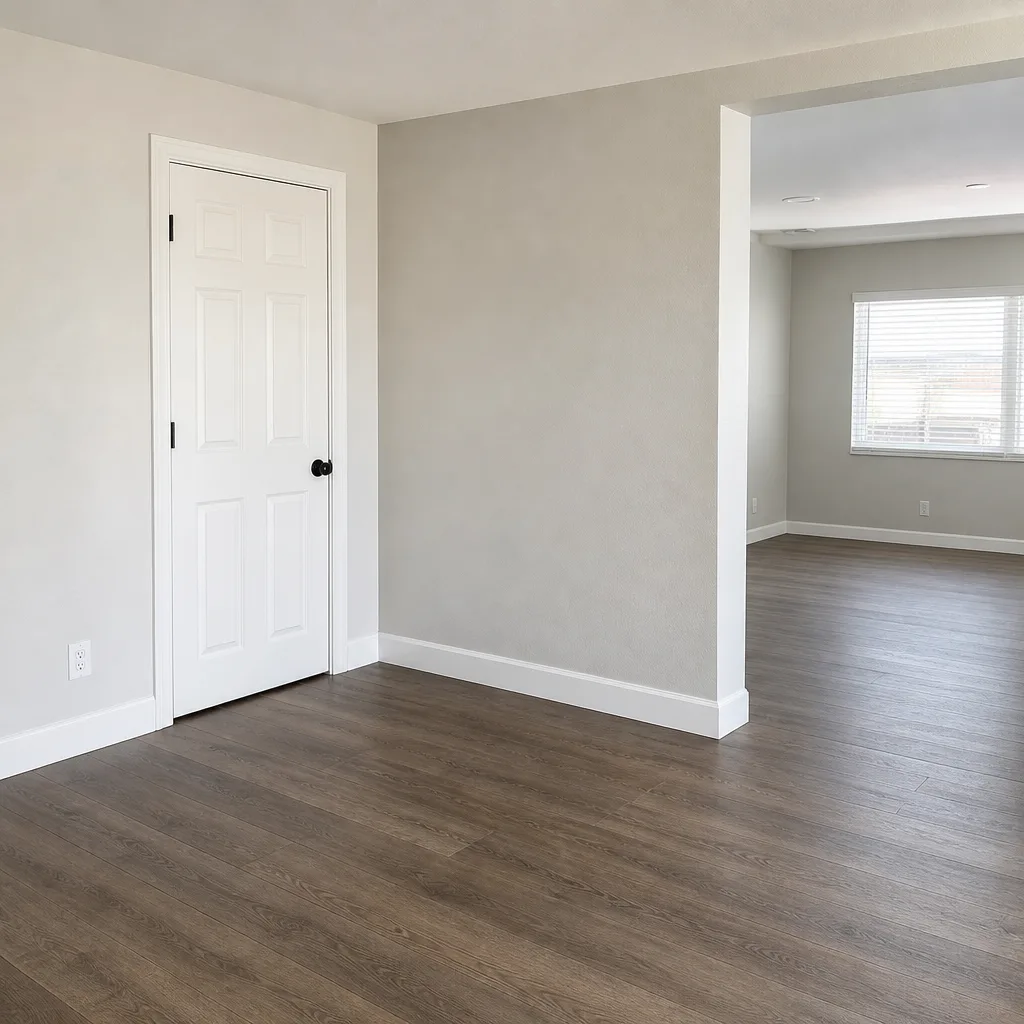 After
After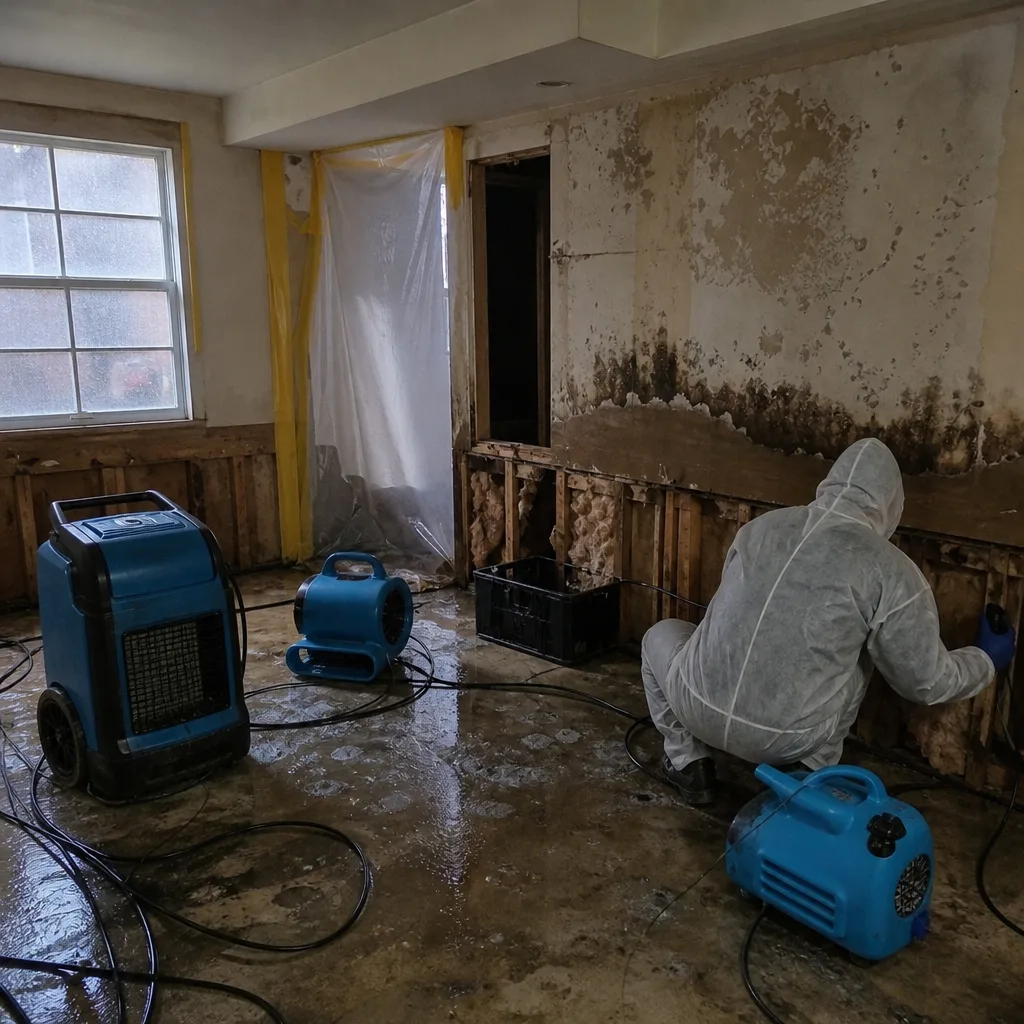 Before
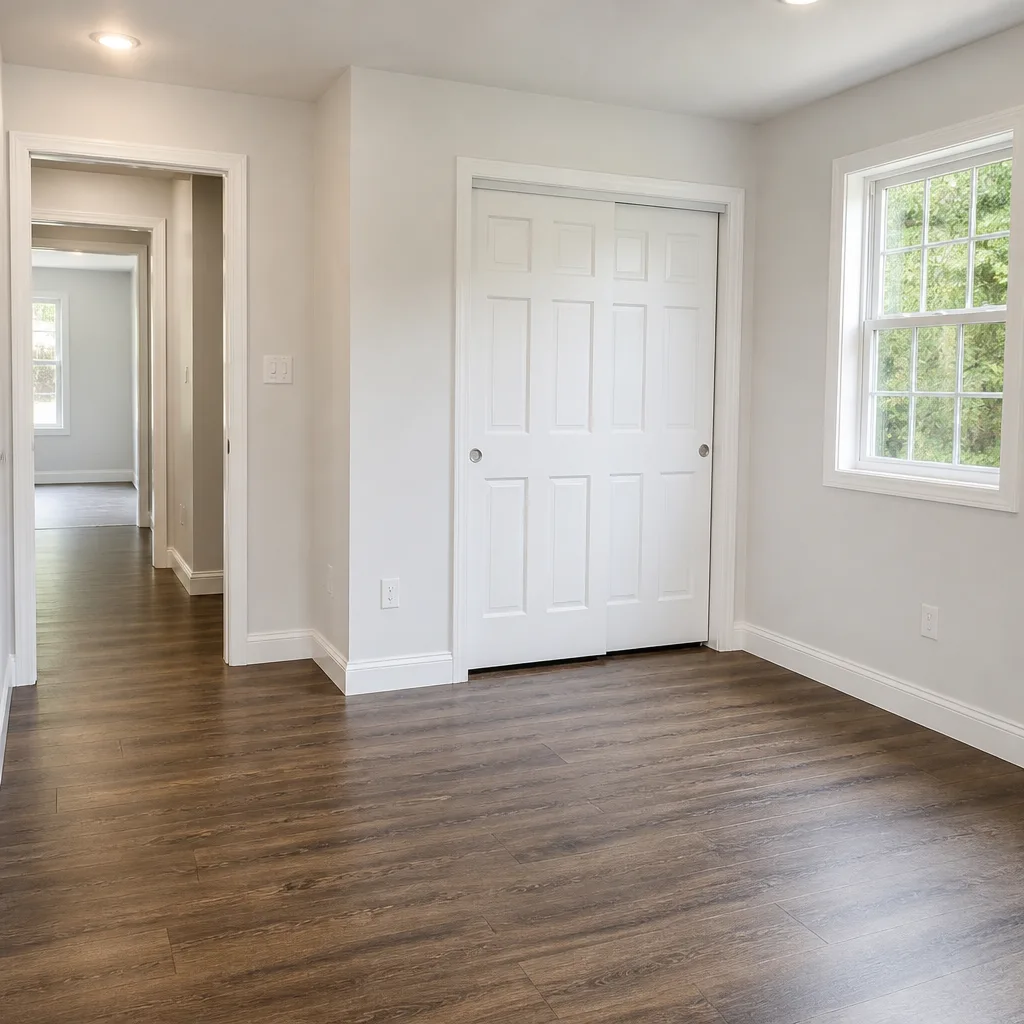 After
AfterFast, Reliable Mold Remediation Across Hillside
Mold remediation in Hillside typically costs between $1,800 and $6,500 depending on how far the contamination has spread and whether framing, drywall, or flooring needs to come out. A sewer-backed finished basement, which we see regularly in Hillside’s postwar homes, lands on the higher end because Category 3 water means contaminated porous materials can’t just be dried in place. If you’ve spotted black staining along a baseboard, caught a musty smell that won’t fade, or had water sit anywhere for more than 48 hours, call us at (940) 466-4354. We’ll get a written scope and price to you before any tool touches your wall.
Why Wendell Water Damage Restoration Is Hillside’s Preferred Mold Remediation Company
Wendell Water Damage Restoration has been handling water damage and mold since 2006, and the homes we see in Hillside have a very specific set of failure patterns. Homeowners along Maple Avenue, in the neighborhoods around Conant Street, and near Hillside Avenue know the drill: a finished basement, a 60-year-old cast-iron lateral, and one heavy rain or sewer backup that turns the lower level into a mold incubator. Our crews work under IICRC, RIA, and IFA standards, using equipment from Dri-Eaz, Phoenix, and XPOWER, which means the drying is measured, not guessed.
What Hillside customers tell us they want is simple: someone who answers the phone, shows up when they say they will, and puts the price in writing first. That’s how we work. Blake Sorensen leads our team with that exact standard. Every call is answered by a live person, 24/7. Every technician who arrives in Hillside is background-checked and uniformed, and you’ll get a live arrival time you can track, not a four-hour window. We document everything with before-and-after photos sent by text, and your invoice is digital, paid from a link. The number on the screen is the number you pay.
Mold Inspection in Hillside
Mold Inspection in Hillside starts with moisture mapping because the homes here rarely show their problems in plain sight. We run meters across walls, floors, and baseboards to find elevated moisture hiding behind finished surfaces, especially in adjacent rooms on shared-wall layouts where wetness migrates laterally. A typical mold inspection in Hillside runs $350 – $650, and if remediation follows, that inspection fee is credited toward the job.
What the Inspection Tells You
We identify where the moisture is coming from, what type of contamination you’re dealing with, and how far it has spread. On a finished basement with a backed-up sewer lateral, that means determining whether the water is Category 3 (sewage-contaminated) or something less dangerous, because that one classification changes the entire cleanup approach. We also check the HVAC return and upper living space for spore spread from the source.
Why Hillside Basements Get Inspected Differently
Hillside’s postwar housing stock was built with a combination that creates recurring problems: finished basements sitting on top of aging clay-tile or cast-iron lateral sewer lines. A homeowner may have no active plumbing leak inside the house, yet the lower level keeps smelling damp. That’s when a moisture map of the whole basement assembly tells you whether the problem is in the wall cavity, under the slab, or wicking up from the floor plate.
Mold Removal Specialist in Hillside
Mold Removal Specialist work in Hillside often means removing contaminated materials rather than spraying and hoping. When Category 3 black water from a sewer backup has soaked carpet, pad, drywall, and the bottom plate of a finished basement wall, those porous surfaces have to come out. A full mold removal in a Hillside finished basement typically runs $2,200 – $5,800 depending on the square footage and how much framing needs to be cut back.
Containment and Antimicrobial Treatment
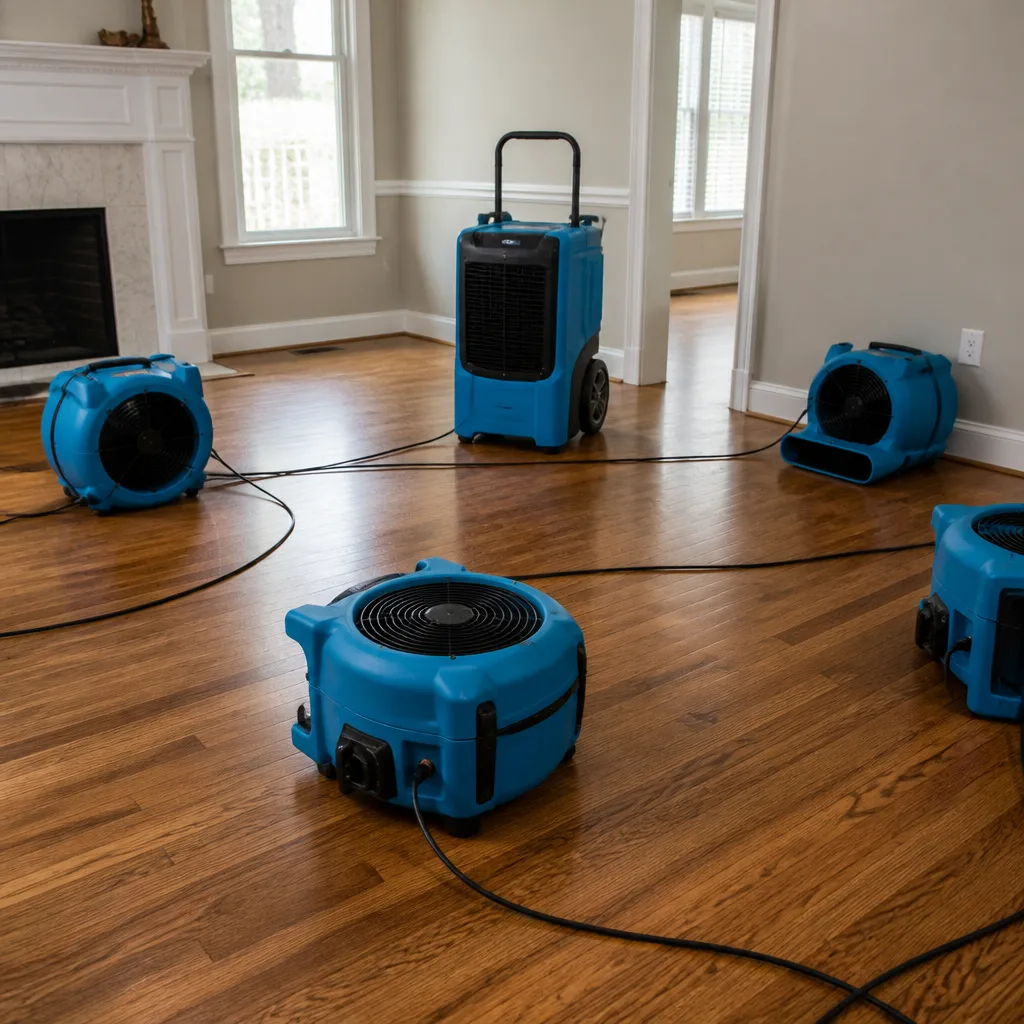
Before we remove moldy drywall in a Hillside home, we set up containment so spores don’t spread through the HVAC return into the upper living space. Then we use antimicrobial treatment on the affected assembly, followed by controlled demolition of the contaminated materials. Drying with Phoenix dehumidification units comes after, with drying logs documented so you can see exactly what happened.
What Gets Removed vs. What Gets Saved
Concrete foundation walls in Hillside basements almost never need to be replaced. They get cleaned, treated, and dried. It’s the organic materials, carpet, pad, drywall, insulation, and sometimes the bottom plate of framing, that have to go. The scope is written as remediation of the affected lower-level assembly, not a whole-house tear-out, which is what a homeowner on Conant Street got when we handled their backed-up cast-iron lateral. Their finished basement came back to pre-loss condition without ripping out unaffected rooms.
Trusted Brands We Service in Hillside
Hillside homeowners run Dri-Eaz, Phoenix, and XPOWER drying equipment on our jobs, the same professional-grade brands used on large commercial loss sites. We keep replacement parts and filters stocked so a Hillside call doesn’t stall waiting on a warehouse shipment. Whether it’s a Phoenix dehumidifier cycling a basement after a sewer backup or XPOWER air movers drying framing, our crews deploy and monitor the equipment so you don’t have to babysit plugs and hoses.
Common Mold Remediation Problems We See in Hillside Homes
- Category 3 misdiagnosis: A sewer-backed basement gets treated as a Category 1 or 2 water event and someone tries to dry carpet and drywall in place. Contaminated porous materials in a black-water event must be removed, not dehumidified. Drying without removal leaves mold embedded in the pad and wall cavity.
- Skipped moisture mapping in adjacent rooms: On Hillside’s shared-wall layouts, water migrates behind baseboards and under carpet pad in finished rooms that never got wet on the surface. We measure every adjacent assembly before we declare a basement dry, or the mold comes back in six weeks.
- No containment during demolition: Ripping out moldy drywall without sealing the work area sends spores straight into the HVAC return and up through the house. We set up containment and run negative air before cutting any material.
- Unresolved sewer lateral issues: The mold gets remediated but the cast-iron or clay-tile lateral that caused the backup is still failing. A Hillside homeowner who skips the lateral repair ends up doing mold remediation twice. We flag that during inspection so you can fix the source, not just the symptom.
Pricing for Mold Remediation in Hillside, NJ
We Also Serve Cities Near Hillside
If you’re just outside Hillside, our crews respond quickly to Irvington, Union, Elizabeth, and Newark. Same standards, same written pricing, same live-answer phone. We know these towns share Hillside’s older housing stock and the same finished-basement sewer lateral patterns, and our Mold Remediation team is ready to handle the same issues across the area. If you’re in Hillside or any bordering town, one call gets you scheduled.
Serving Hillside, NJ - Our Local Coverage Area
We’re based in the Hillside area and know this community well. Use the map below to see our service coverage - if you’re nearby, we can almost certainly help.
FAQs About Mold Remediation in Hillside
It’s both, and treating it as only a cleanup is the most expensive mistake a Hillside homeowner can make. A sewer backup is Category 3 black water, which means carpet, pad, soaked drywall, and often the bottom plate of framing are contaminated and must be removed, not dried in place. The job is a full mold remediation with containment, antimicrobial treatment, and controlled demolition, followed by structural drying. Call (940) 466-4354 and we’ll walk you through the scope before anything is touched.
Same day, in most Hillside neighborhoods. We run crews out of a New York City metro office that dispatches directly into Hillside, and a live person answers the phone 24/7 to schedule you. We’ll give you a live arrival time you can track, not a vague window. If you caught the issue early and are waiting on a home sale or just want to know what you’re dealing with, we can usually have a technician at your door within hours, not days.
Yes, on every demolition job. Containment seals the affected lower level so mold spores don’t travel through the HVAC return into the upper living space. We run negative air and use antimicrobial treatment before cutting material. On a Hillside finished basement with shared-wall construction, skipping containment is how a one-room mold problem becomes a two-story mold problem.
You need an inspection first. A musty-smelling basement in Hillside is often the first sign of elevated moisture behind finished walls or under vinyl flooring, especially if the home has an older clay-tile or cast-iron lateral. A $350 – $650 inspection with moisture mapping tells you whether you’re looking at a drying job, a hidden mold problem, or a sewer lateral issue that hasn’t backed up yet. The inspection fee is credited toward remediation if we find something that needs work.
You can match pre-loss condition, and the scope of work is written that way before we start. The affected lower-level assembly gets cleaned, treated, dried, and rebuilt to match what was there before, not a whole-house tear-out. We did exactly that on a finished basement along the Conant Street corridor where a backed-up cast-iron lateral had soaked the carpet and bottom plate. The homeowner’s written scope covered the affected area only, and the rest of the basement stayed intact. Call (940) 466-4354 and we’ll put your exact scope and price in writing before any work begins.
Written by Blake Sorensen, Owner at Wendell Water Damage Restoration. Wendell has been restoring homes since 2006 and serves the Hillside area with written pricing, live arrival times, and the 365-Day Done Right Promise on every job.