
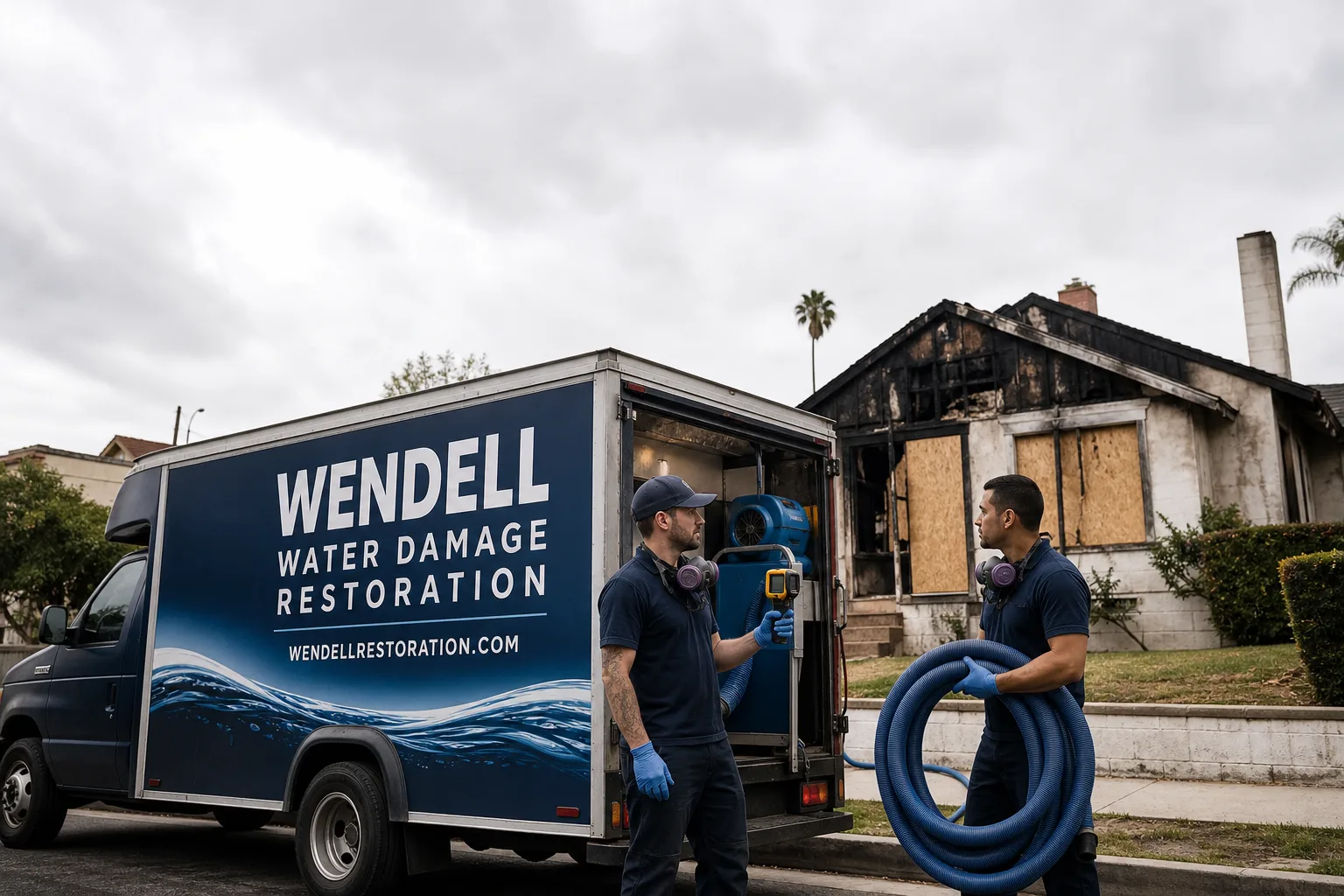
Free visual inspection and a written scope of work before any mitigation begins - photos, moisture readings, and drying logs go in your claim file
The scope we write is the scope we bill. Anything new gets shown to you, in writing, before we touch it.
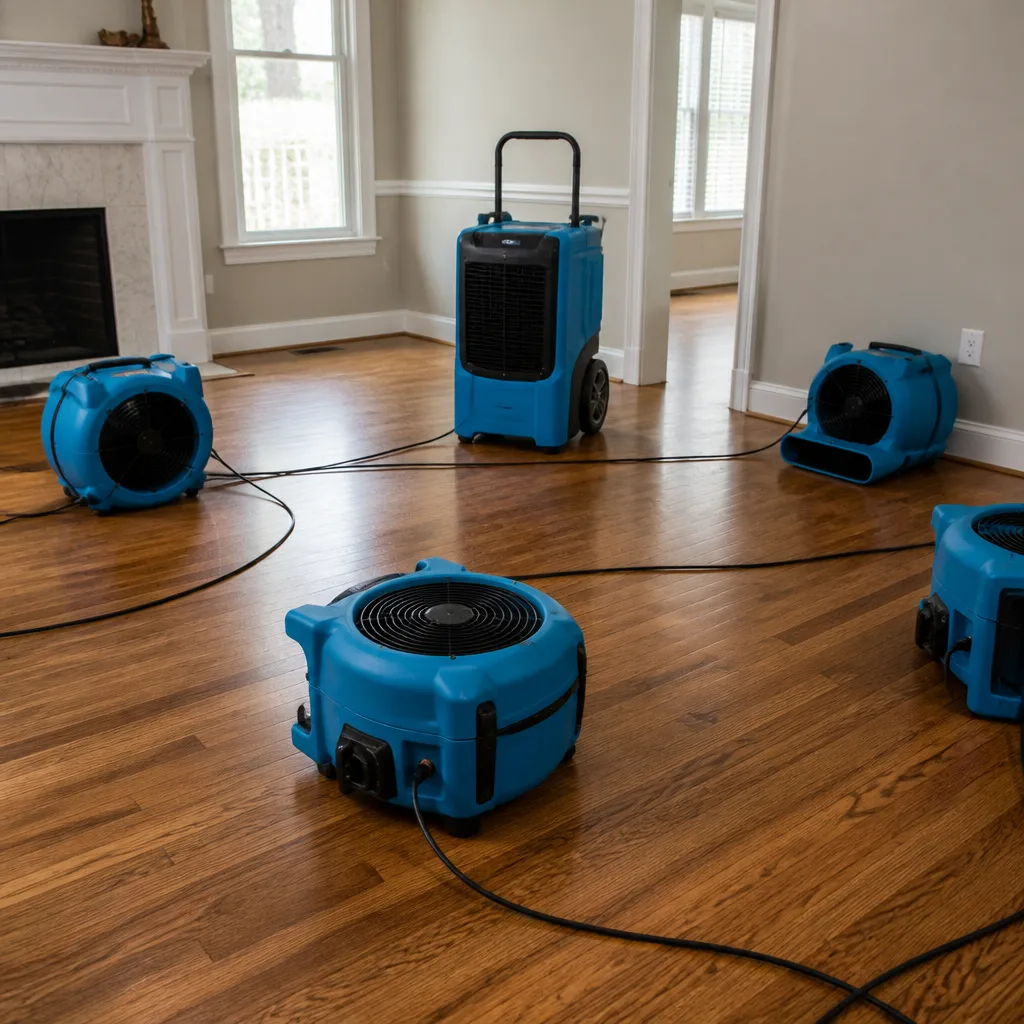
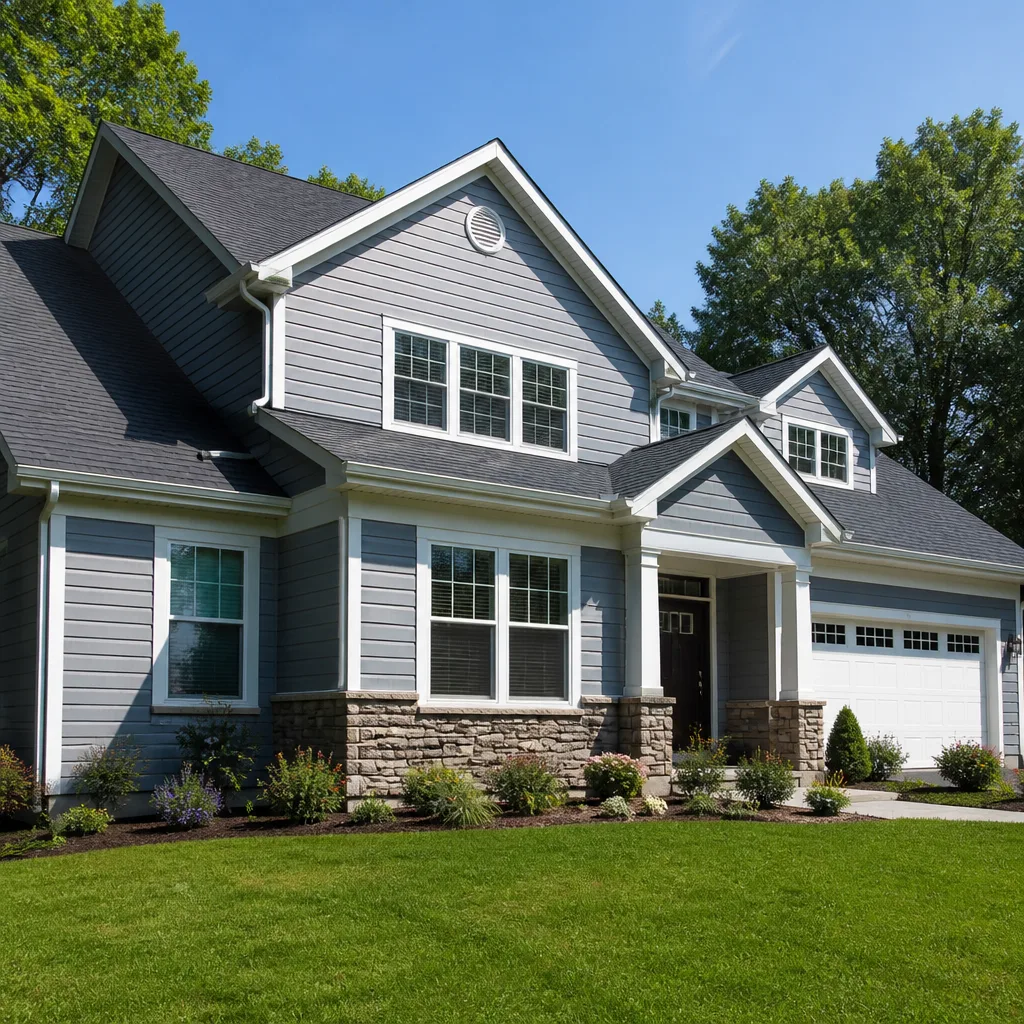
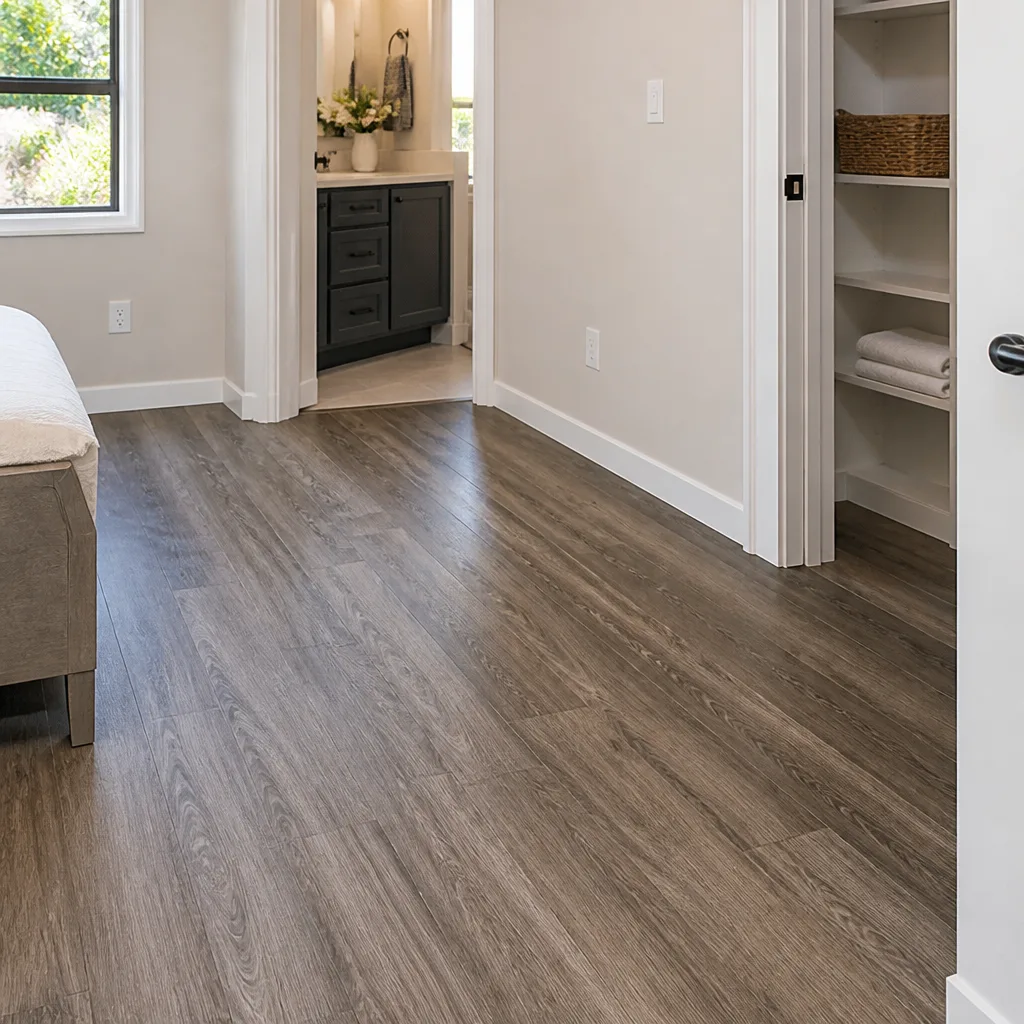
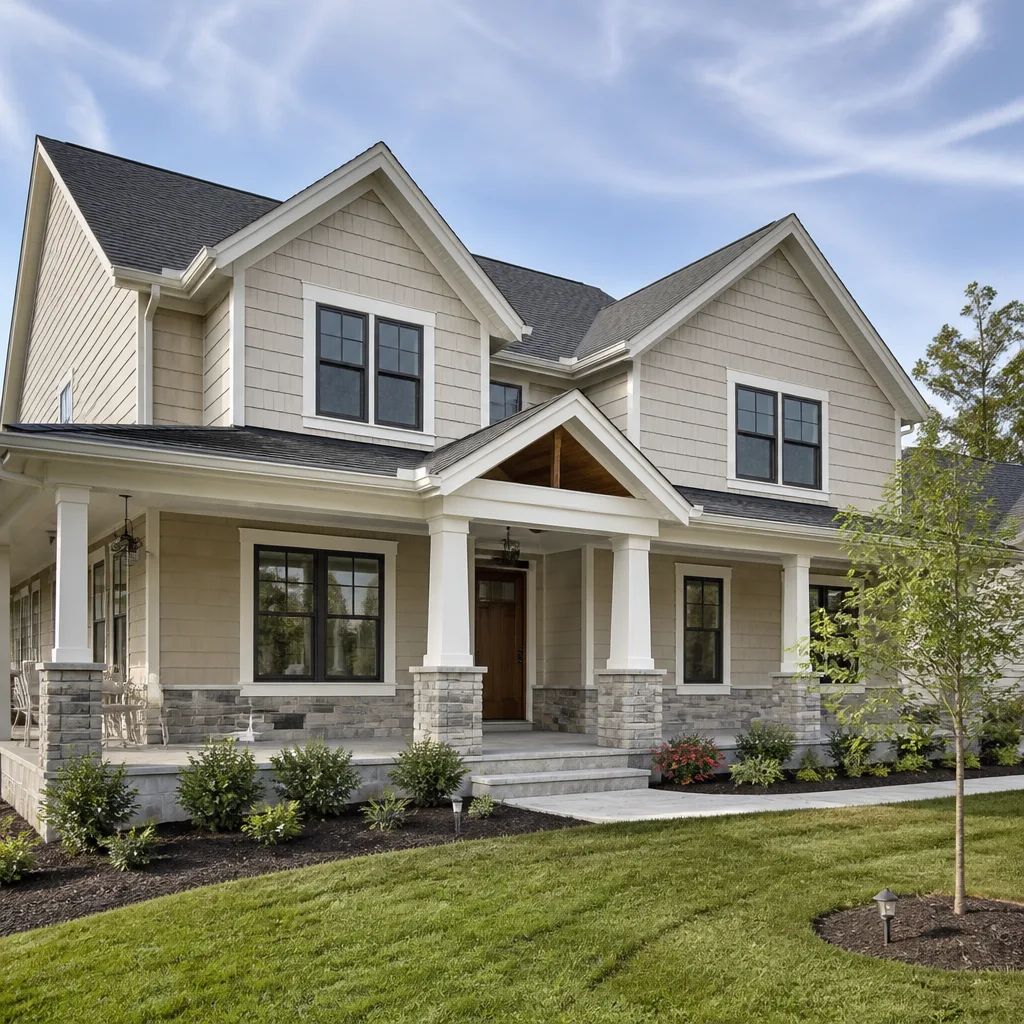
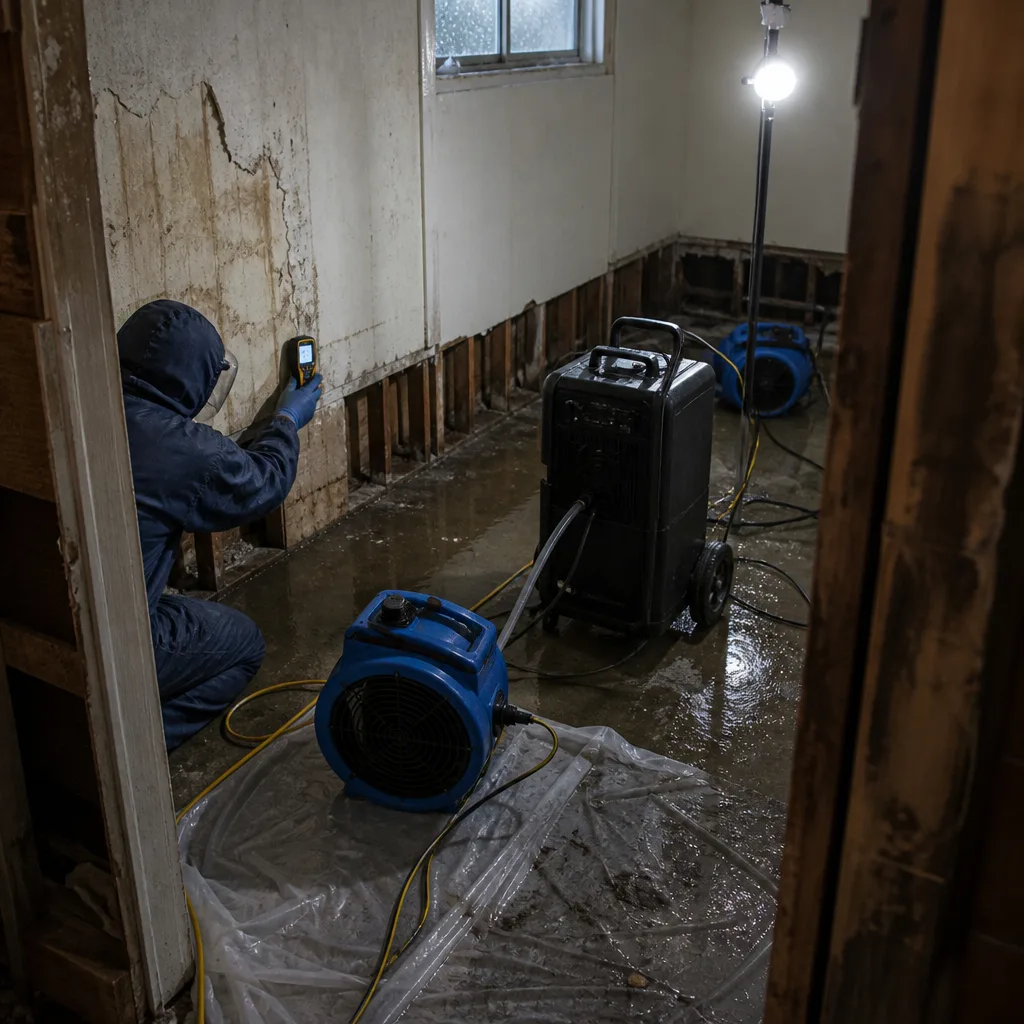 Before
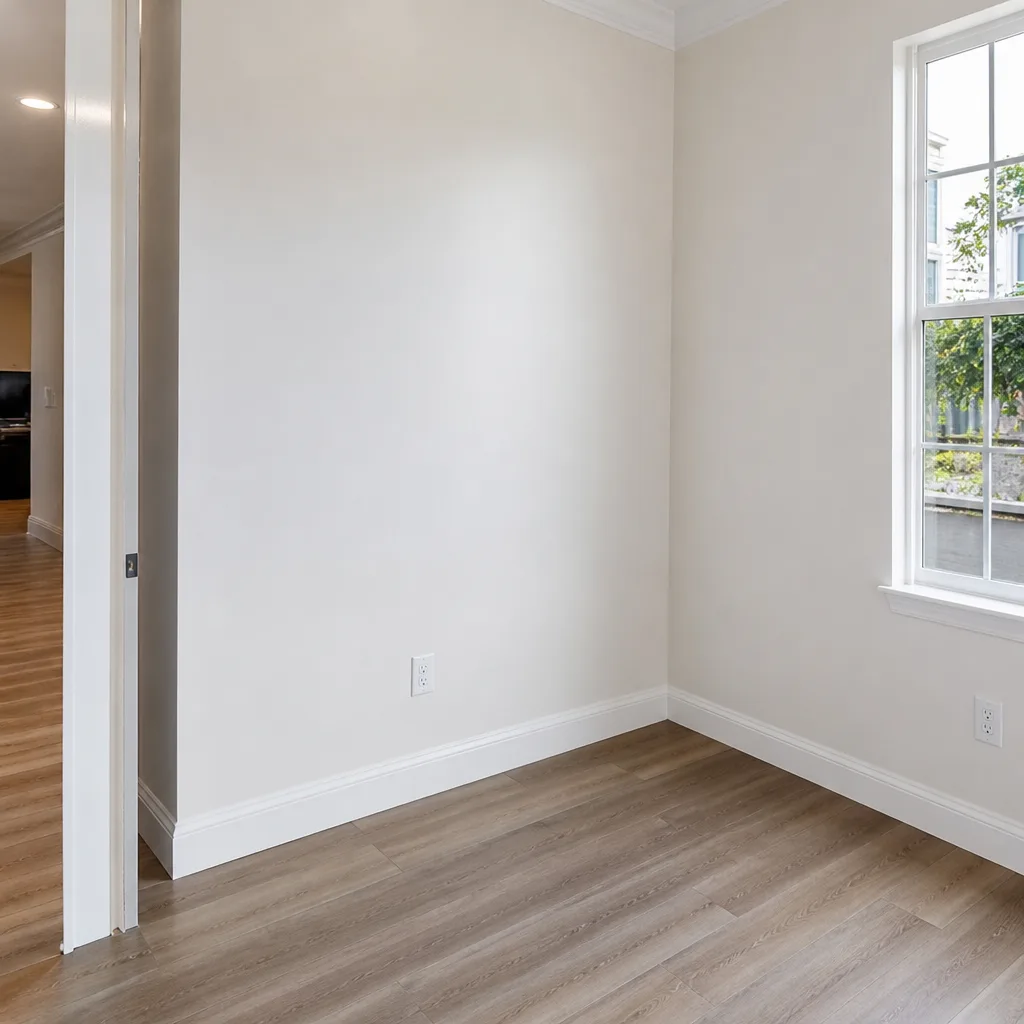 After
After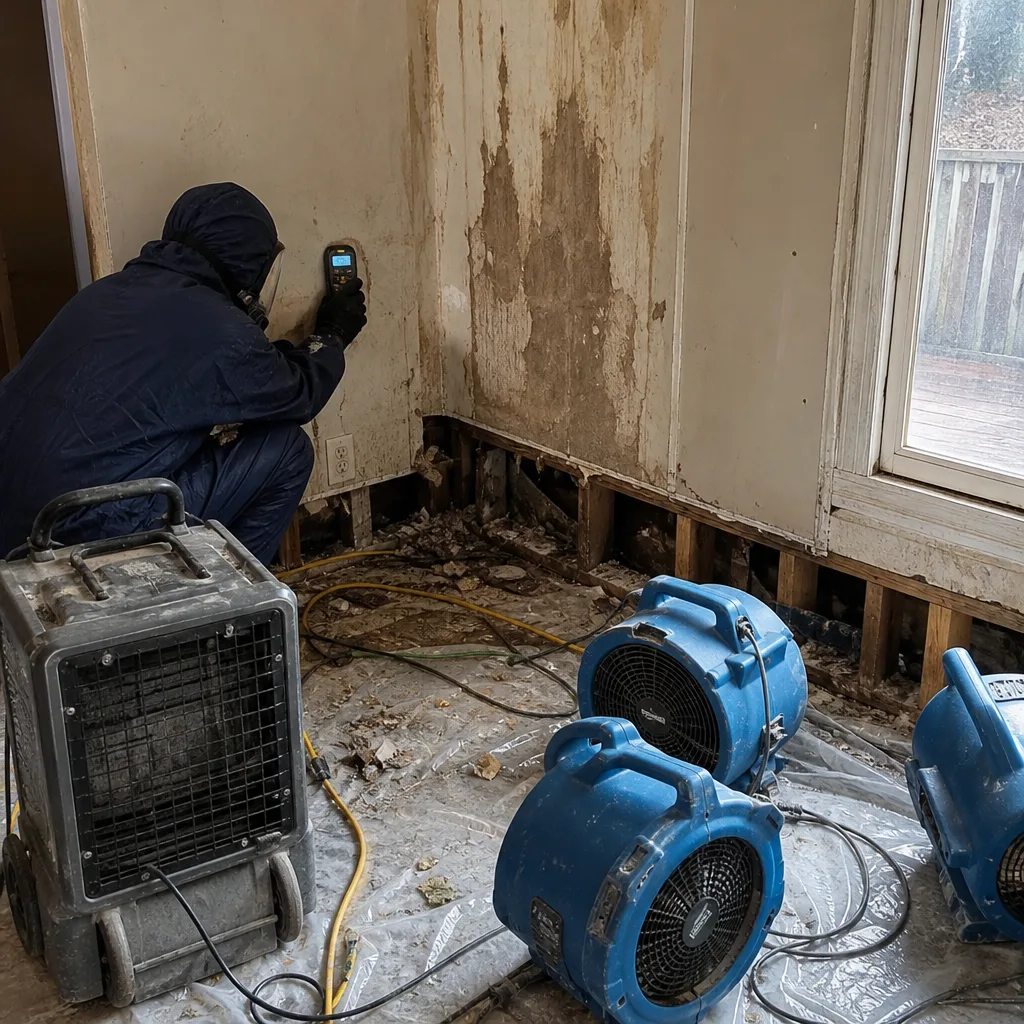 Before
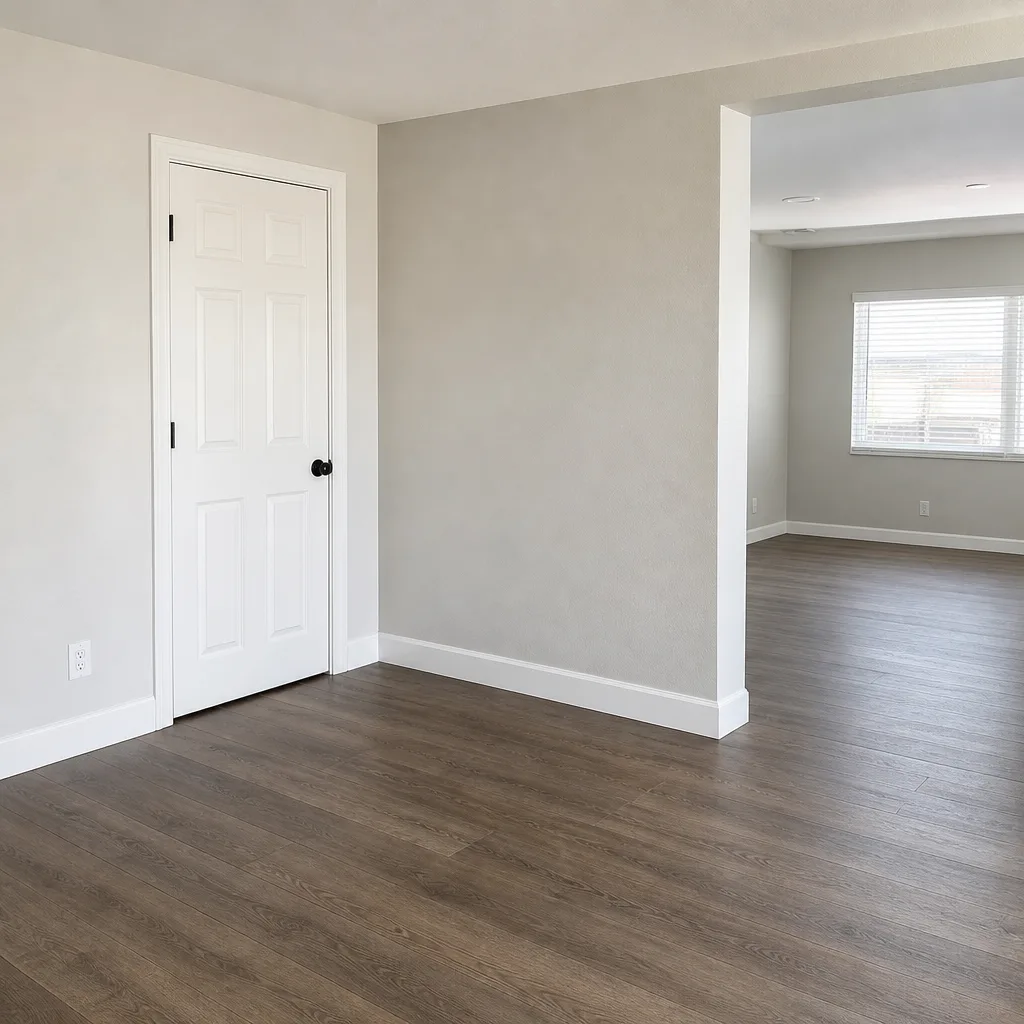 After
After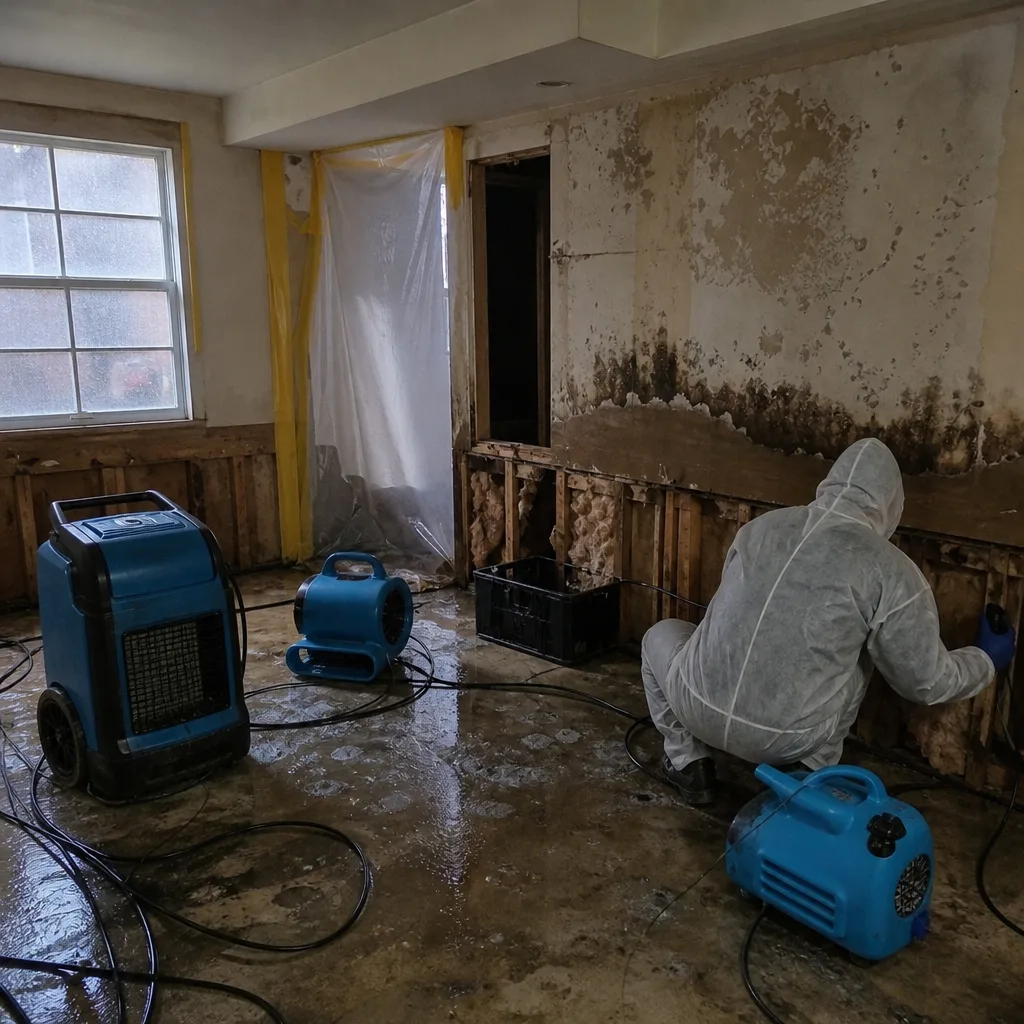 Before
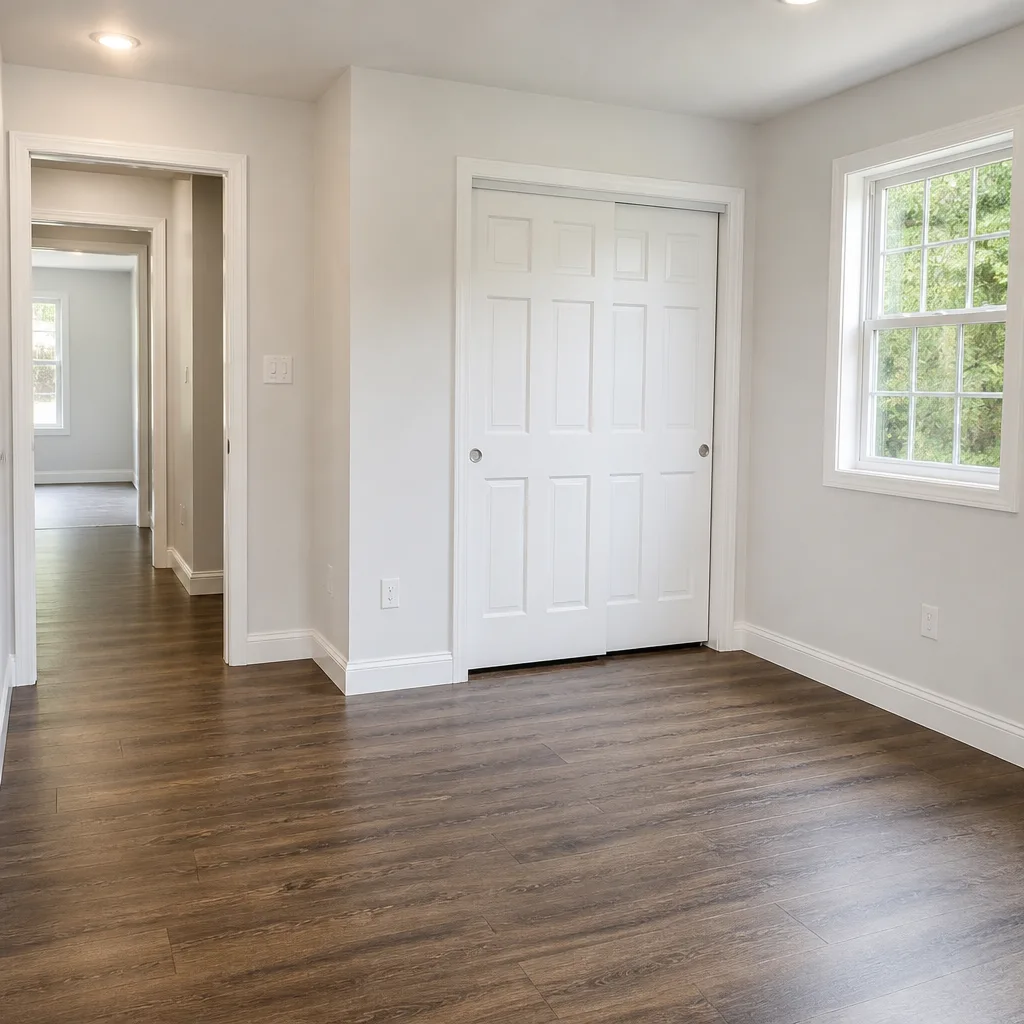 After
AfterFast, Reliable Mold Remediation Across Financial District
Mold remediation in Financial District typically costs $1,800 – $4,500 for a contained bathroom or single-room job, and $6,000 – $15,000 when moisture has traveled through shared plumbing chases into multiple units. Most jobs here start with a same-day or next-day inspection, because in pre-war FiDi buildings a slow leak behind one wall rarely stays behind one wall. We know the Financial District’s converted co-ops, cast-iron risers, and tight apartment layouts better than any out-of-town crew could. Call (940) 466-4354 and you’ll get a live person, not a voicemail.
Why Wendell Water Damage Restoration Is Financial District’s Preferred Mold Remediation Company
We answer the phone. That sounds simple, but when water is moving through your ceiling at 11 p.m. and you’re watching a brown stain spread across the plaster, it’s the only thing that matters. Wendell Water Damage Restoration, founded in 2006 and part of the Relay Home Co. family, has built its reputation in the Financial District on written pricing before any work starts and technicians who show up when they say they will.
Our crews work in Financial District buildings every week: converted office floors on Broad Street, pre-war co-ops near Stone Street, newer condo towers along the West Side Highway. We know which buildings have original cast-iron stacks and which have PVC retrofits from post-9/11 rebuilds. That matters because the plumbing chase configuration dictates where hidden mold takes hold after a leak.
Blake Sorensen leads our team, and he’s particular about documentation. Every job gets moisture readings, drying logs, and before-and-after photos texted to you. You’ll see what we see. No vague assurances, just records.
Bathroom Mold Removal in Financial District
Bathroom mold removal in Financial District almost always traces back to a slow supply-line or drain leak inside a wall cavity that never got a chance to dry out, because these apartments are sealed tight and ventilated by the original shaft systems. In a pre-war co-op on John Street or a converted loft on Pearl Street, the bathroom is usually interior, windowless, and served by a vent stack that hasn’t been cleaned in decades. That means moisture lingers longer than it would in a suburban house with cross-ventilation.
In the Financial District, bathroom mold removal runs $1,200 – $3,800 depending on how far the framing is affected and whether the tile has to come off. We set containment before disturbing any mold, run professional drying equipment, and treat the affected framing with antimicrobial treatment, which is a chemical application that kills the mold rather than just wiping the surface. Surface cleaning alone invites regrowth.
Containment and Drying in Tight FiDi Bathrooms
Most Financial District bathrooms are small, irregular spaces, often with the tub, toilet, and vanity wedged into what used to be part of a hallway or a closet. Standard containment chambers don’t always fit cleanly. Our techs build negative-air containment to match the actual footprint of the room, so mold spores don’t migrate into your bedroom or your neighbor’s unit while we work.
When Tile Comes Off
If the leak ran inside the wall long enough to stain the drywall or the plaster behind the tile, the tile has to come off to access the framing. We don’t hide this cost. You’ll get the written scope before we touch a tool.
Mold Removal Service in Financial District
Mold removal service in Financial District residential buildings is unique because so many units share plumbing chases, elevator shafts, and party walls. A mold problem on the 14th floor of a tower near Battery Park can originate from a riser leak three floors up. That’s why our Mold Remediation team uses moisture mapping as the first step, not a visual inspection alone.
A typical mold removal service in the Financial District runs $1,800 – $6,000 for a contained area. The range reflects how many surfaces are affected, whether drywall or plaster needs to be cut out, and whether the chase itself needs drying. We deploy equipment from Phoenix and XPOWER for these jobs, plus Dri-Eaz dehumidifiers, the same brands used on large commercial loss sites.
Moisture Mapping Before Cutting
Before we open a single wall in a Financial District apartment, we map moisture across the affected area and into adjacent spaces. The point is to find the full extent of the water migration, not just the visible mold. In co-ops with original plaster and lath, cutting blind means missing pockets that will bloom again in six weeks.
Documented Drying, Not Surface Wipes
We run air movers and dehumidification until moisture readings confirm the structure is actually dry, not just dry to the touch. You get drying logs. If your co-op board or condo association wants proof, it’s already in your file.
Trusted Brands We Service in Financial District
We service and deploy professional-grade equipment from Dri-Eaz Phoenix XPOWER B-Air and Injectidry on Financial District jobs. We stock replacement filters, hoses, and containment supplies locally, so a truck serving a FiDi address isn’t waiting on a warehouse in another borough. That’s why we can often start drydown the same day a leak is reported. Financial District residents shouldn’t settle for restoration crews running consumer-grade fans from a hardware store.
Common Mold Remediation Problems We See in Financial District Homes
- Hidden spread along shared plumbing chases. In pre-war masonry buildings, bathrooms and kitchens in adjacent units often share the same riser cavity. Moisture travels vertically and horizontally through those chases, so visible mold on one wall frequently means hidden growth on a neighbor’s side of the same chase.
- Tight, irregular apartment layouts. Converted office floors and old tenement layouts leave awkward alcoves, deep closets, and narrow hallways. Standard drying equipment doesn’t always reach those spaces effectively unless the setup accounts for the actual airflow path.
- Surface-only fixes that return in months. Some crews wipe visible mold with bleach and call it done. Without antimicrobial treatment and documented drying logs plus verified moisture readings, the mold comes back, and now the framing has been wet twice.
- Post-9/11 code changes affecting venting. In buildings reconstructed after 2001, venting and chase configurations differ from the original cast-iron layouts. Mold after a leak often shows up in different places than it would in a pre-war building, because air moves differently through the newer mechanical systems.
Pricing for Mold Remediation in Financial District, NY
We Also Serve Cities Near Financial District
Wendell Water Damage Restoration serves the Financial District and surrounding areas including Brooklyn, Queens, Manhattan, and The Bronx. If you manage a building with multiple units across borough lines, one phone call covers the whole portfolio.
Serving Financial District, NY - Our Local Coverage Area
We’re based in the Financial District area and know this community well. Use the map below to see our service coverage - if you’re nearby, we can almost certainly help.
FAQs About Mold Remediation in Financial District
First, shut off the water supply to the affected fixture if you can access the shutoff valve. Then place a towel or shallow container to catch active dripping, and call us at (940) 466-4354. Don’t open walls, don’t run a household fan on the wet area, and don’t wipe visible mold, because that spreads spores into the air. Same-day dispatch is available for active leaks in the Financial District.
Category 1 is clean water from a supply line or faucet. Category 2 is water with some contamination, like a toilet overflow without solid waste or a dishwasher discharge. Category 3 is grossly contaminated water, which in FiDi buildings usually means sewage from a failed cast-iron waste stack or water that has sat long enough to grow bacteria. We document the category on every job, and it’s part of the written scope you receive before work starts.
Yes. For active leaks and visible mold, we offer same-day dispatch in the Financial District, including evenings and weekends. Our crews are staged to reach FiDi addresses quickly because so many of our calls here are urgent: a supply line breaks on the 18th floor, and by the time it’s noticed, water is already dripping onto a neighbor’s ceiling.
Structural drying means we dry the actual framing, subfloor, and wall cavities, not just the surface of the drywall. We use dehumidifiers, air movers, and moisture meters to track drying progress until the wood and plaster reach acceptable moisture content. In Financial District apartments with shared plumbing chases, we often extend drying into adjacent units because those cavities connect.
Most boards and management companies in the Financial District will ask for something, and it’s usually the drying logs, moisture readings, and a written summary of the containment and treatment work. We provide all of that as part of our standard documentation. You’ll also have before-and-after photos texted to you, which you can forward directly to your board or your insurance adjuster. Call (940) 466-4354 and we’ll walk you through what your specific building needs.
Written by Blake Sorensen, Owner at Wendell Water Damage Restoration, serving the Financial District with water damage and mold remediation since 2006.