
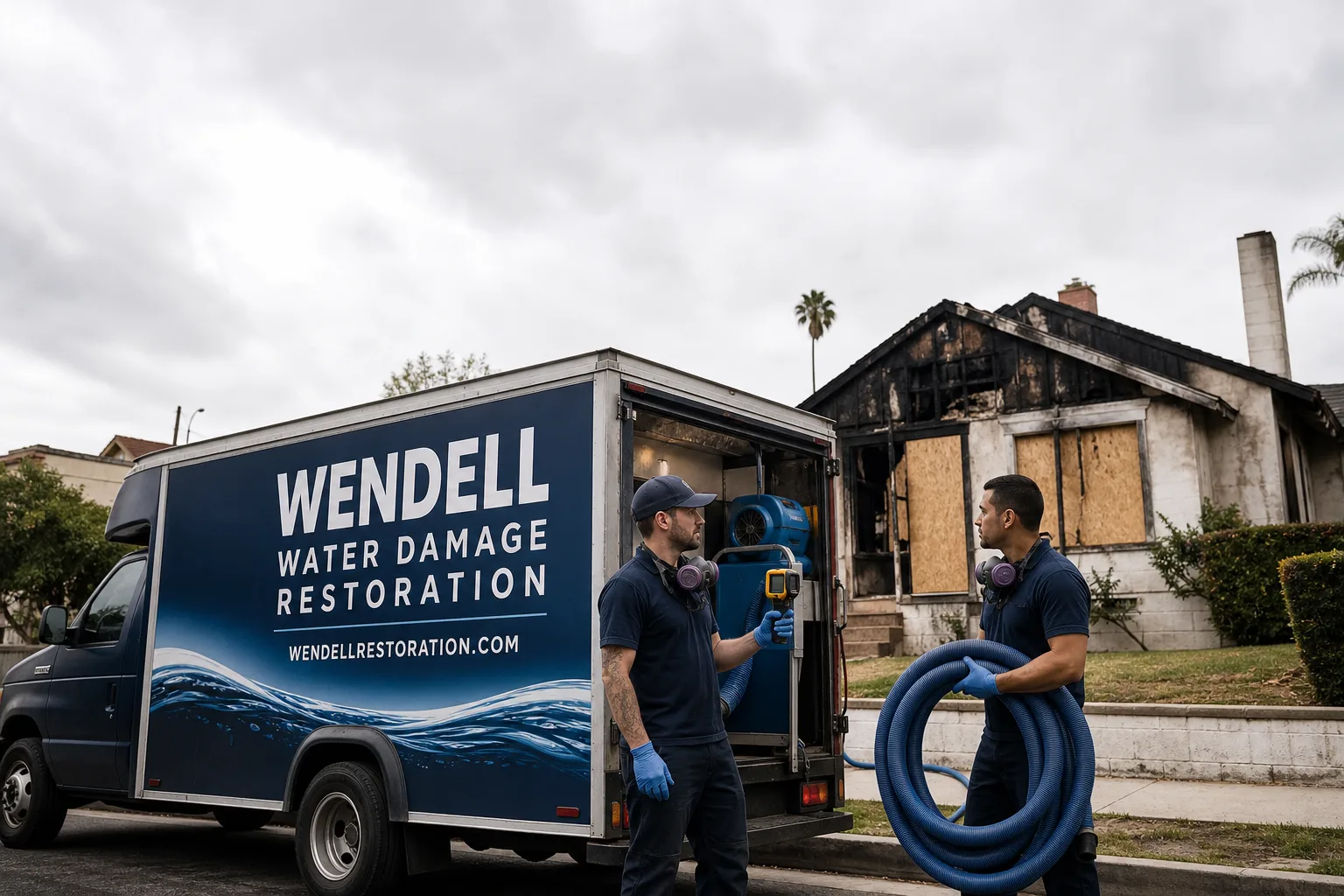
Free visual inspection and a written scope of work before any mitigation begins - photos, moisture readings, and drying logs go in your claim file
The scope we write is the scope we bill. Anything new gets shown to you, in writing, before we touch it.
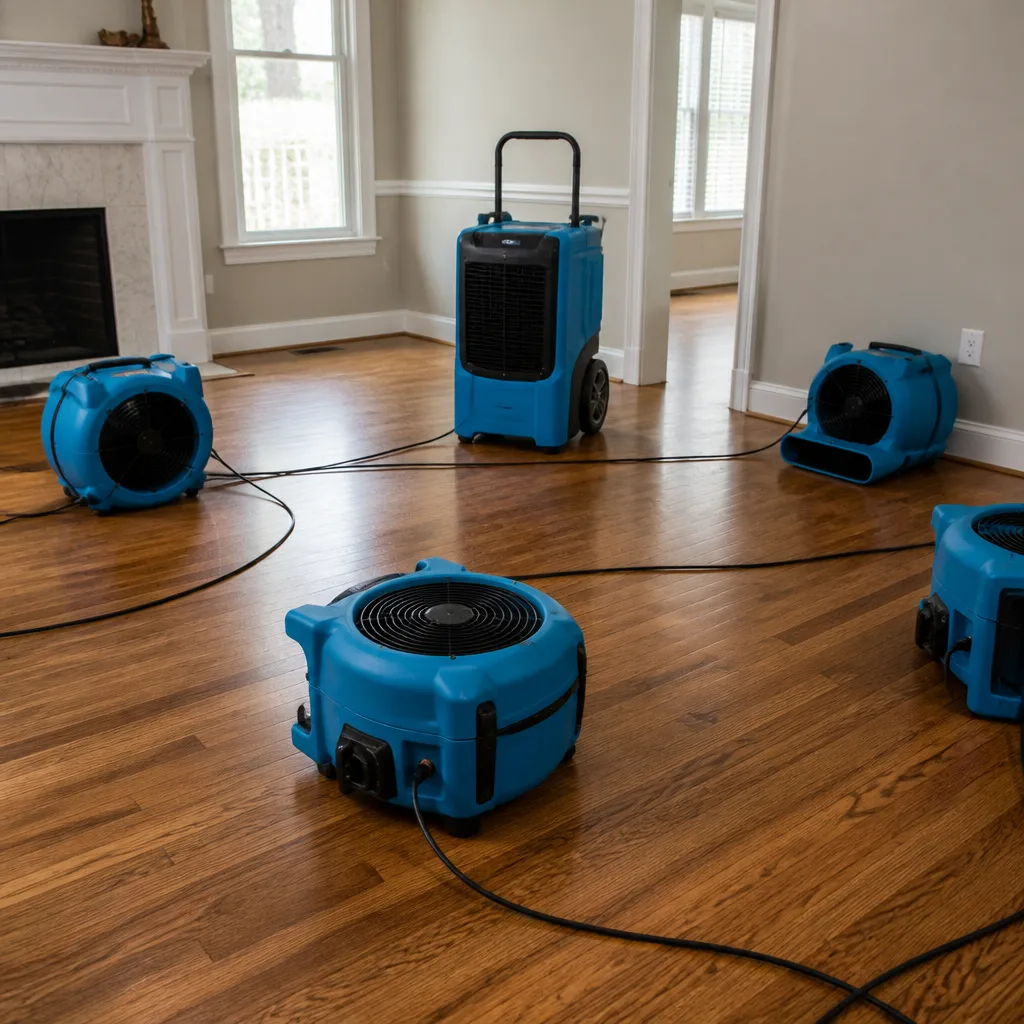
 Before
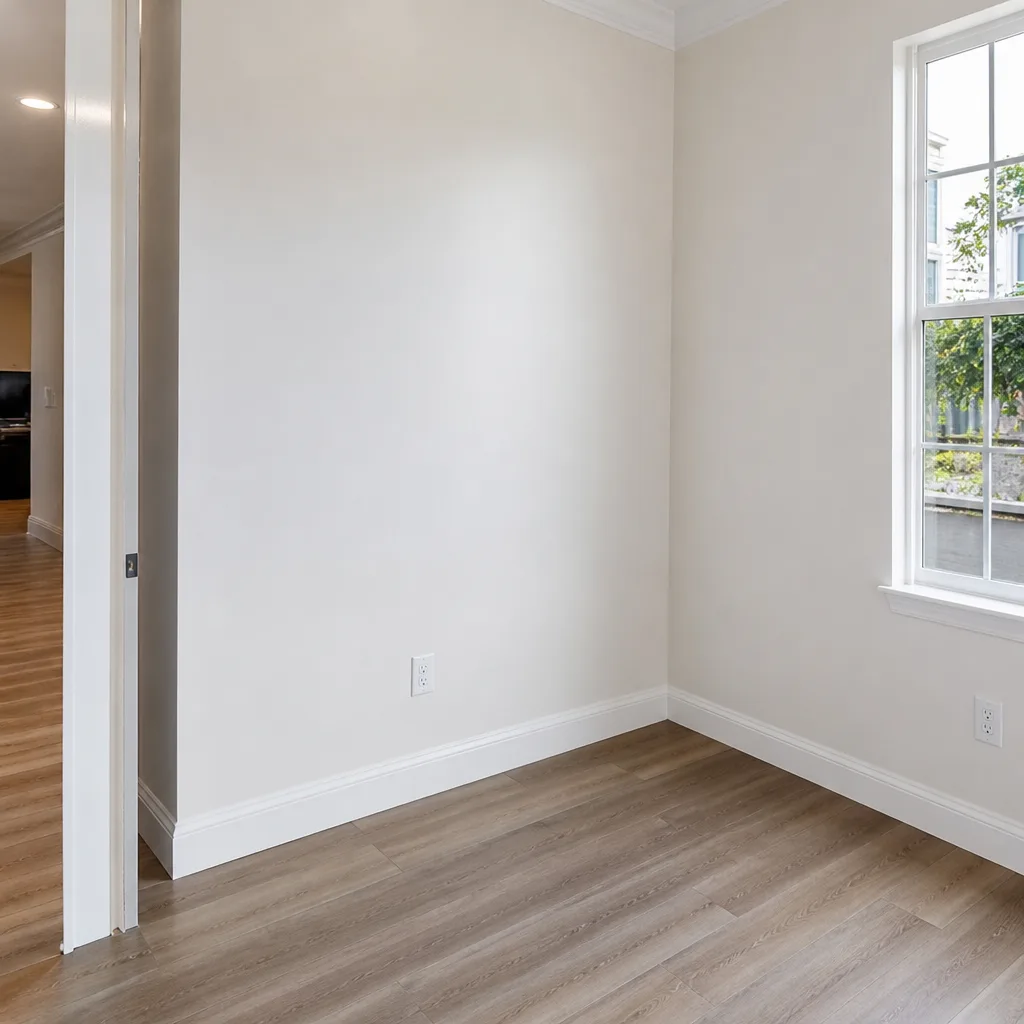 After
After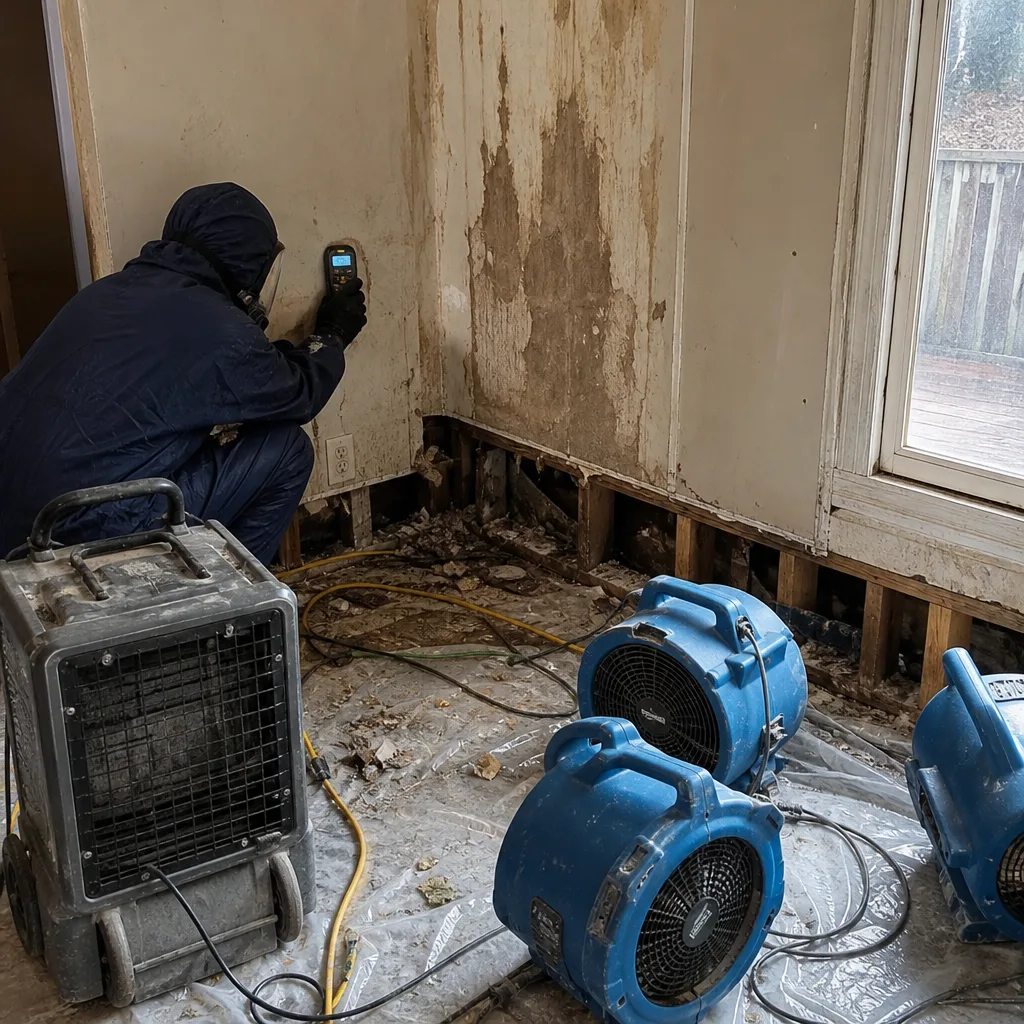 Before
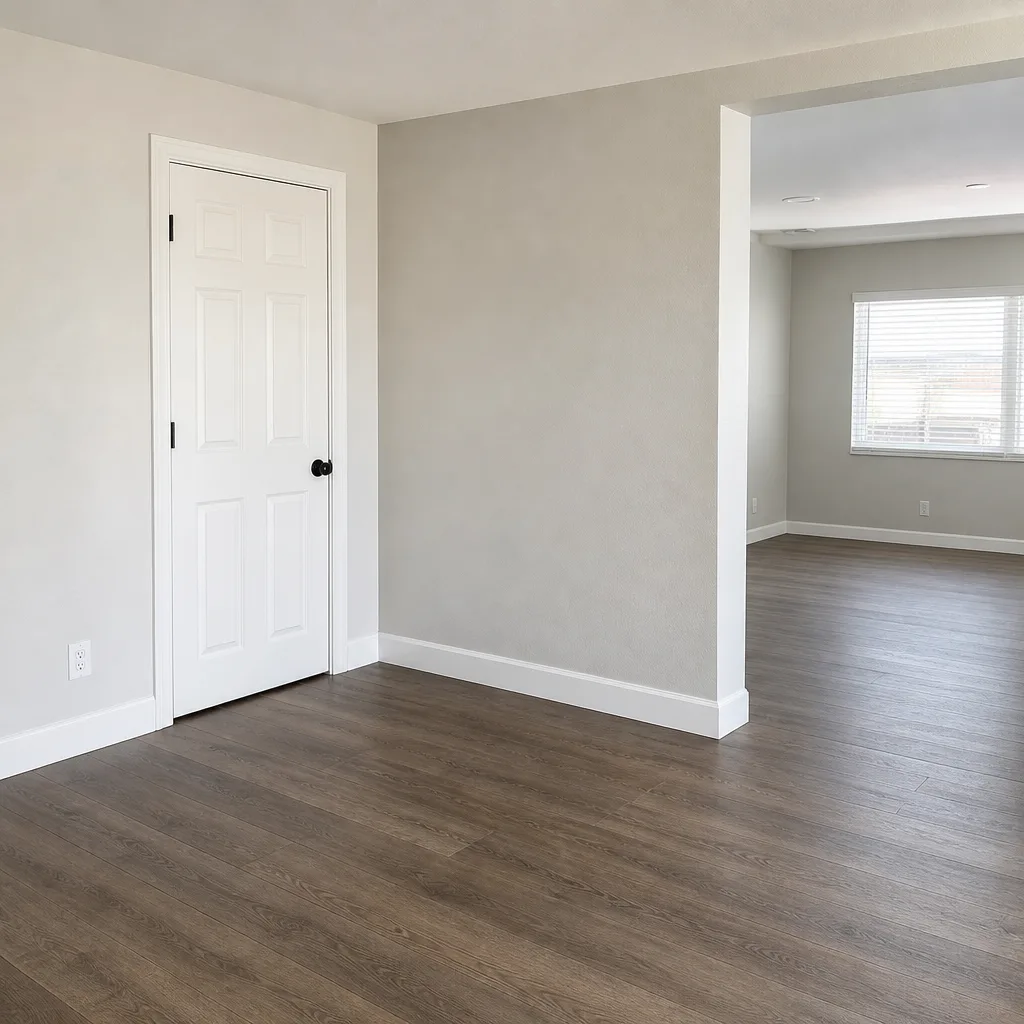 After
After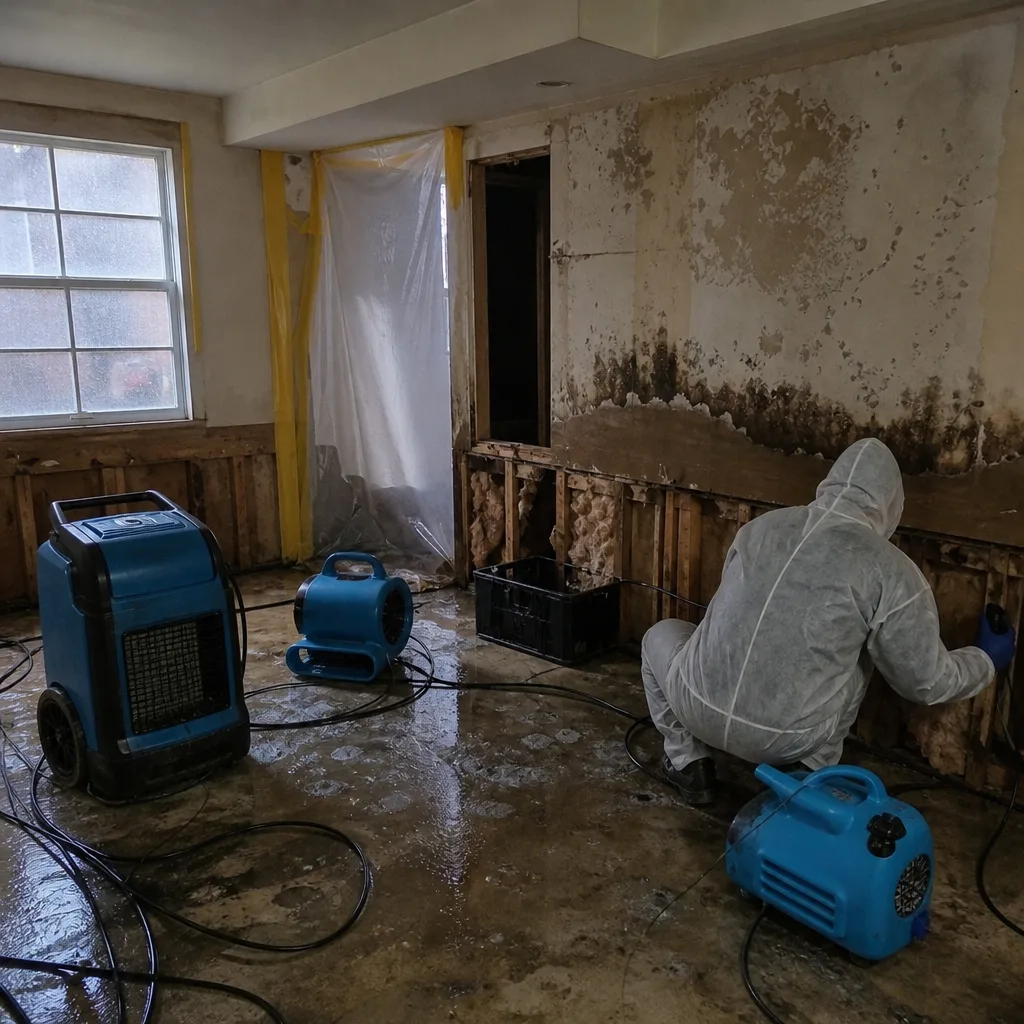 Before
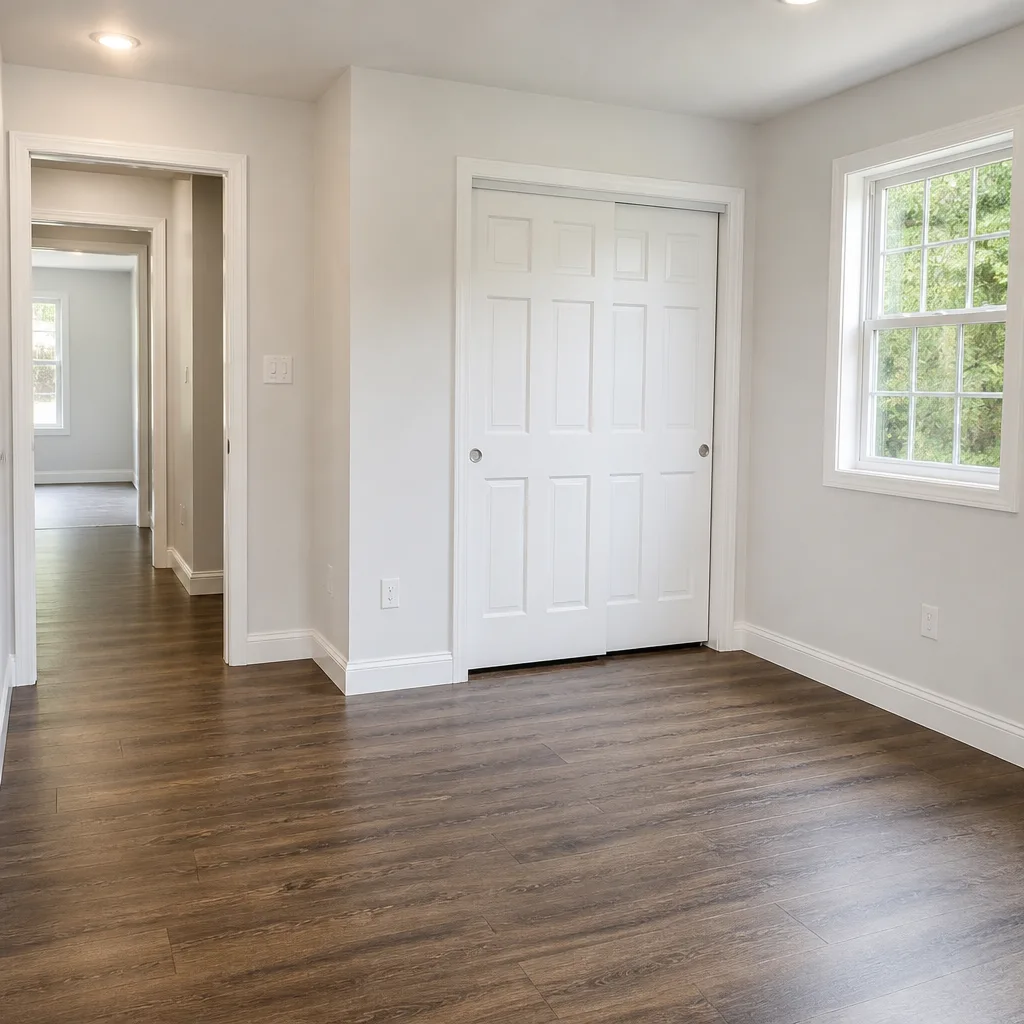 After
AfterFast, Reliable Mold Remediation Across East Hills
Mold remediation in East Hills, NY typically runs $1,800 – $6,500 depending on how far the growth has spread and whether structural drying is needed. Most East Hills jobs are finished in three to five days once containment is set. The biggest variable here is the village’s housing stock: split-levels and hillside homes with finished lower levels hold moisture differently than slab-on-grade ranches, and that changes the scope before we ever cut into drywall. Call (940) 466-4354 and you’ll get a live person, a written price, and a live arrival time you can track. Blake Sorensen and our crews know exactly what we’re walking into in East Hills before the van pulls up.
Why Wendell Water Damage Restoration Is East Hills’s Preferred Mold Remediation Company
Homeowners in East Hills call us because we answer the phone. That’s the first thing people mention, actually: no voicemail tree, no callback queue. A live person picks up, asks where the water came from, and starts building the job mentally while you’re still describing the smell.
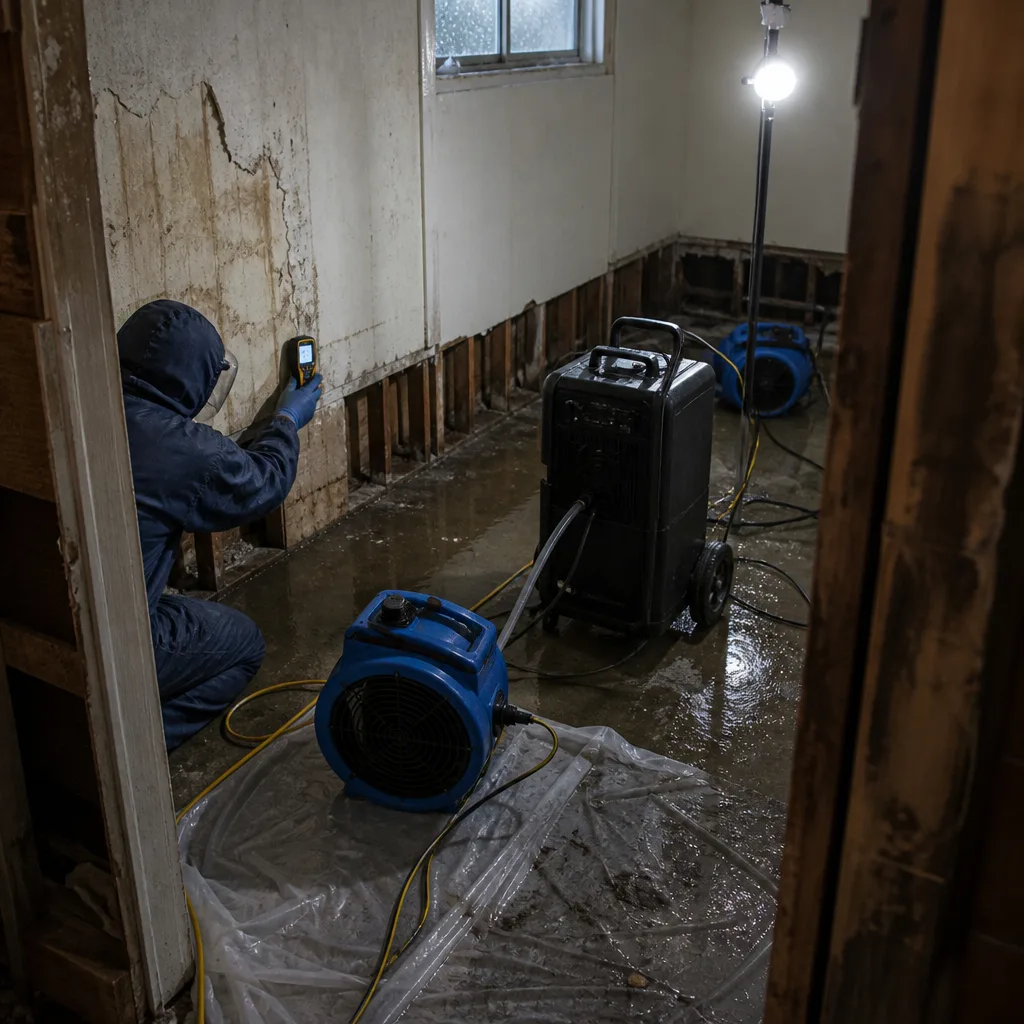
We’ve worked enough lower-level basements off Bacon Road and turned enough corners in split-levels near Glen Cove Road to know that mold in East Hills rarely starts as visible surface mold. It starts as a septic backup that got treated like a puddle, or a supply line leak behind a laundry room wall that never showed on the tile. By the time a homeowner smells it, the cavity behind the baseboard is feeding growth. That’s why we don’t take a “clean what you can see” approach here. We set containment, run negative air, and map moisture with meters before we decide what stays and what gets cut out.
Trust matters more in East Hills because these houses are high-value and tightly coupled: the lower level is part of the same envelope as the living space above. A shortcut in a crawl space or garage wall becomes an air quality problem upstairs within weeks. We write the scope before we touch the wall, and the number on the invoice is the number you pay. No re-quotes after demo.
Black Mold Removal in East Hills
Black mold removal in East Hills nearly always starts with answering one question: is the water source still active? If the source is a septic backup or a failed sump, removing the mold without stopping the water is wasted money. Our first hour on site is spent finding the boundary of the wet area, verifying drying conditions, and setting containment so spores don’t move into the finished parts of the home.
Containment and Clearance
In East Hills split-levels, containment in a lower-level garage or laundry room often spans an interior stairwell. That’s not overkill. Negative air pressure keeps any disturbed spores pulled out through the HEPA filter instead of drifting up into the kitchen or bedroom. We run a second moisture reading before we declare clearance, and you get photo documentation of the cavity before and after.
Drying Logs and Cut Lines
A black mold job on a Farm Lane basement wall typically runs $2,800 – $5,400 when we’re cutting out affected drywall, treating framing with antimicrobial, and running air scrubbers for two to four days. Prices land higher when the bottom plate is rotten and we’re replacing studs, or when pack-out and off-site cleaning is needed for stored items.
Mold Removal Contractor in East Hills
A mold removal contractor in East Hills should be able to tell you why the mold is there and what’s feeding it, not just quote a price per square foot. Our first visit always includes moisture mapping with penetrating and non-penetrating meters, because in hillside homes water travels under finished floors in ways you can’t see from the surface.
Under-Floor Water in Split-Levels
When a supply line fails inside a wall cavity in a split-level, the water often runs downhill under the subfloor and pools at the lowest point, which might be a finished den or a garage conversion. We trace the wet path before we open anything. If we clean the visible drywall but leave the wet cavity under the flooring, the mold returns. In East Hills, that’s a specific risk because of the grading: many homes are built into natural slopes with lower levels that are partially below grade on one side.
Scope First, Demo Second
You get a written scope before any work starts: containment plan, affected materials list, drying approach, clearance criteria. The written price comes from that scope. Blake Sorensen signs off on jobs with this trade’s actual terms in the short form: IICRC protocol for structural drying, IFA standards for remediation, negative air where containment is breached.
Trusted Brands We Service in East Hills
On East Hills jobs, we run Dri-Eaz dehumidifiers for structural drying, Phoenix air movers where heat-spearing matters, and XPOWER fans and scrubbers for negative air and surface drying. These are professional restoration machines, not rental-shop equipment. The distinction matters when the target is a fully dried wall cavity, not a dry-looking surface. We stock replacement filters and backup units so there’s no pause in drying because a machine went down. Most East Hills homes we service use one or more of these brands already in their existing remediation equipment, and our techs service them in place when the job calls for it.
Common Mold Remediation Problems We See in East Hills Homes
- Septic-driven Category 3 backups treated as a simple mop-up. East Hills has no municipal sewer. A lower-level laundry or utility room that takes a septic backup has been flooded with contaminated water, not clean water. Porous materials like drywall, carpet pad, and unsealed baseboard cannot just be dried: they have to be removed. Skipping that step lets mold colonize behind the baseboard and under slab edges, and by the time you smell it the cavity is fully active.
- Hidden moisture in hillside split-levels. Water from a failed sump or a supply line behind a wall travels downhill under finished flooring. The visible mold on a wall is often the exit point of a wet cavity that started twenty feet away. We trace the full wet path before cutting, using moisture mapping and a drying log so we’re not cleaning the symptom while the source keeps feeding growth.
- False-dry readings on shaded, tree-covered lower levels. Much of East Hills sits under mature tree canopy. North-facing lower levels stay humid even after the rest of the house feels dry. A surface meter reading that says “dry” can be misleading if the cavity behind the drywall is still holding moisture at 60% relative humidity or higher. We verify with a second reading and hold drying until the log shows stable conditions across a full day, not a single snapshot.
- Mold returning weeks after a clean-and-paint job. If a remediation only treats the visible surface and doesn’t address the framing, the mold re-establishes as soon as humidity rises again. In East Hills’ split-levels, that happens fast because lower levels sit against cool, shaded soil on at least one side. Our jobs include antimicrobial treatment on the structural framing itself, not just the drywall.
Pricing for Mold Remediation in East Hills, NY
We Also Serve Cities Near East Hills
Our Mold Remediation team regularly runs jobs in Brooklyn, Queens, Manhattan, and The Bronx, with the same written-price-before-work rule and the same 365-Day Done Right Promise. For East Hills customers, that means the crew you get knows the whole metro area and the different ways each borough’s housing ages and fails. No learning on your wall.
Serving East Hills, NY - Our Local Coverage Area
We’re based in the East Hills area and know this community well. Use the map below to see our service coverage - if you’re nearby, we can almost certainly help.
FAQs About Mold Remediation in East Hills
In almost every East Hills case, drywall with visible black mold has to be cut out. Drywall is gypsum and paper: the paper face is food for mold. Antimicrobial treatment works on structural framing and non-porous surfaces, but once mold is growing in the drywall’s paper layer, the material is gone. We cut back to clean framing, treat it, dry the cavity, and you get a clean line for patching. Call (940) 466-4354 and we’ll tell you honestly whether it’s cut-out or treat-in-place before we charge anything.
Same day in nearly all East Hills cases. We dispatch from our New York City office, and once you call, Blake Sorensen coordinates a crew with a live arrival time you can track. For a confirmed active mold situation in an occupied area, we prioritize moving fast because the longer the cavity stays wet, the more material you lose. Call and we’ll give you a straight answer on the timing while you’re on the phone.
Yes, almost always. A lower-level garage in East Hills is typically attached and shares air with the rest of the house. Cutting into moldy drywall or flooring there without containment sends spores up through the interior stairwell into living space. We run 6-mil poly, negative air, and HEPA scrubbing, and we check the boundary with a micromanometer so the containment is actually holding. That’s the standard for any garage-detached or attached when mold is being disturbed.
The written scope includes the containment plan, the full list of materials to be removed or treated, the drying approach with target moisture readings, and the clearance criteria. Pack-out of personal items is included when the affected area touches storage space: we move the items, clean them, and stage them for return once clearance passes. You see the scope in writing before work starts, and the price on the scope is the price you pay. No “we found more once we opened the wall” re-quotes.
Category 1 is clean water from a supply line or fixture. Category 3 is contaminated, most commonly from a septic backup. In East Hills, where most homes run on septic, a lower-level laundry or utility backup is almost always Category 3, which means porous materials like drywall, carpet pad, and baseboard get removed, not dried. If someone told you the backup “just needs to dry out,” they’re wrong, and the mold that follows will be worse than the original leak. That category determination shapes the entire scope.
Key Takeaways:
- Mold in East Hills homes frequently originates below the visible surface, in shaded, below-grade lower levels where water travels under finished floors.
- Septic backups are Category 3, which means removal, not drying, for porous materials.
- Written pricing before work starts is standard on every East Hills job.
- Containment and negative air are non-negotiable when disturbing mold inside a finished lower level.
- Same-day response is available for active mold situations in East Hills.
If you’re smelling something in an East Hills basement or you’ve found visible mold on a lower-level wall, call us at (940) 466-4354. You’ll talk to a person, get a ballpark price, and schedule a visit with a live arrival time. No phone tag, no vague window, no pressure. Just a straight answer and a written plan.
Written by Blake Sorensen, Owner at Wendell Water Damage Restoration, serving East Hills and the surrounding metro area.