
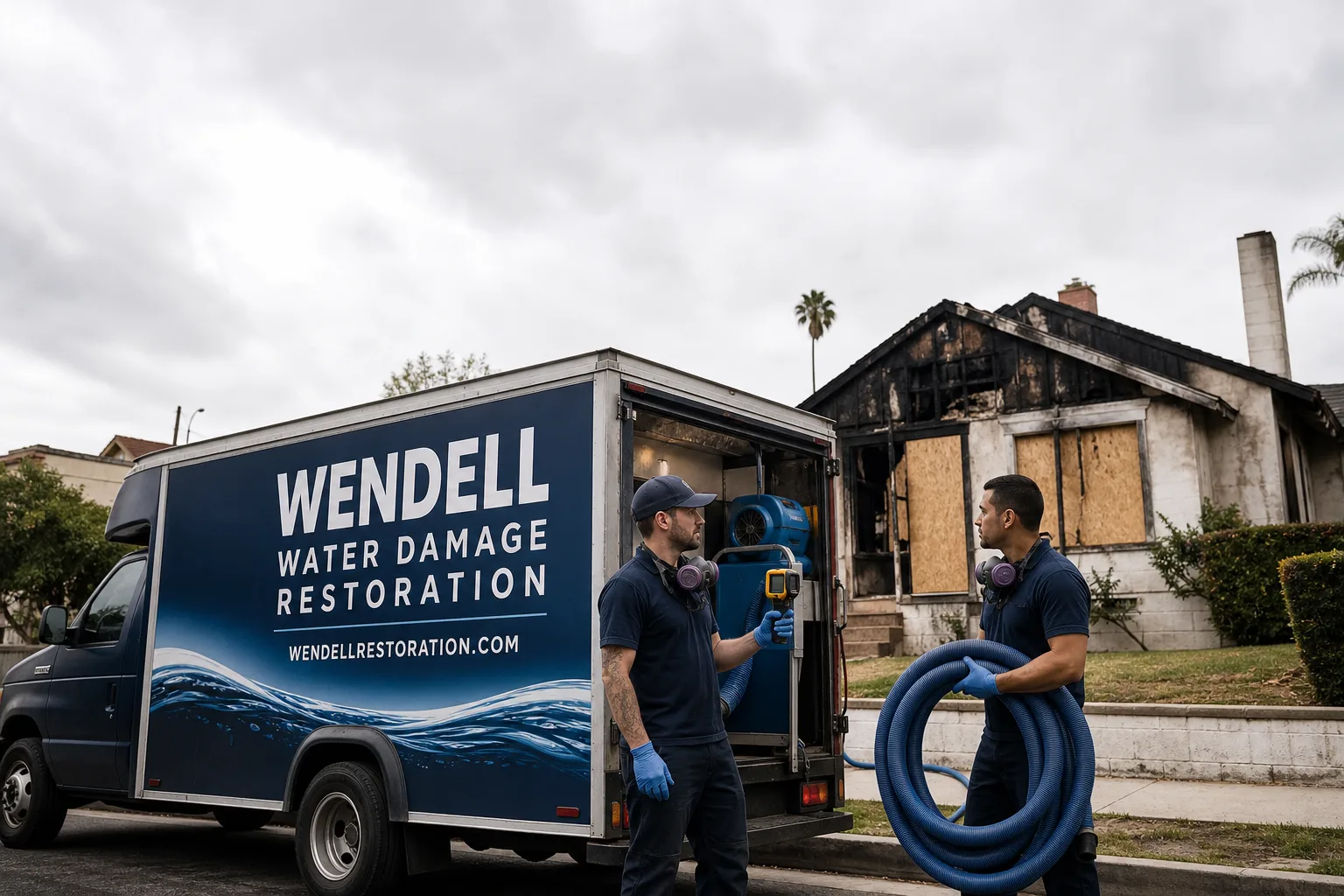
Free visual inspection and a written scope of work before any mitigation begins - photos, moisture readings, and drying logs go in your claim file
The scope we write is the scope we bill. Anything new gets shown to you, in writing, before we touch it.
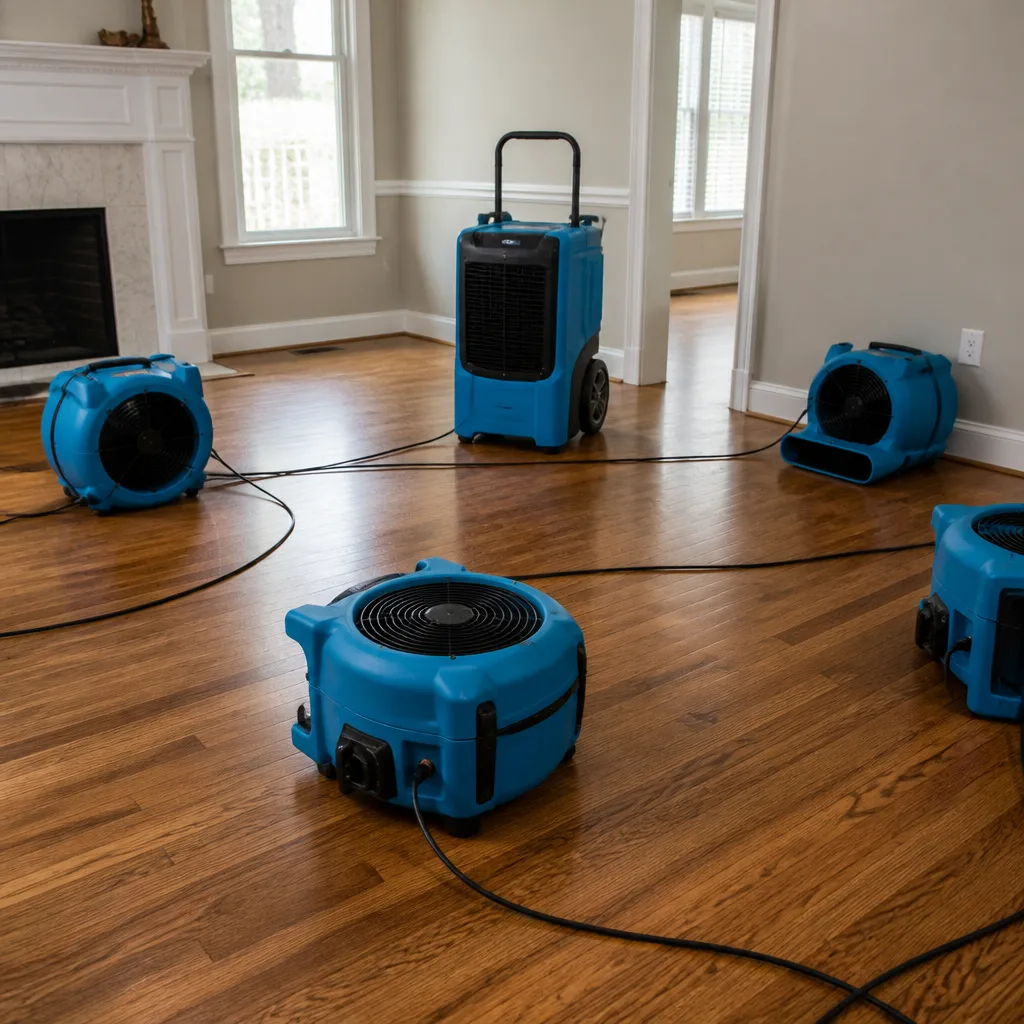
 Before
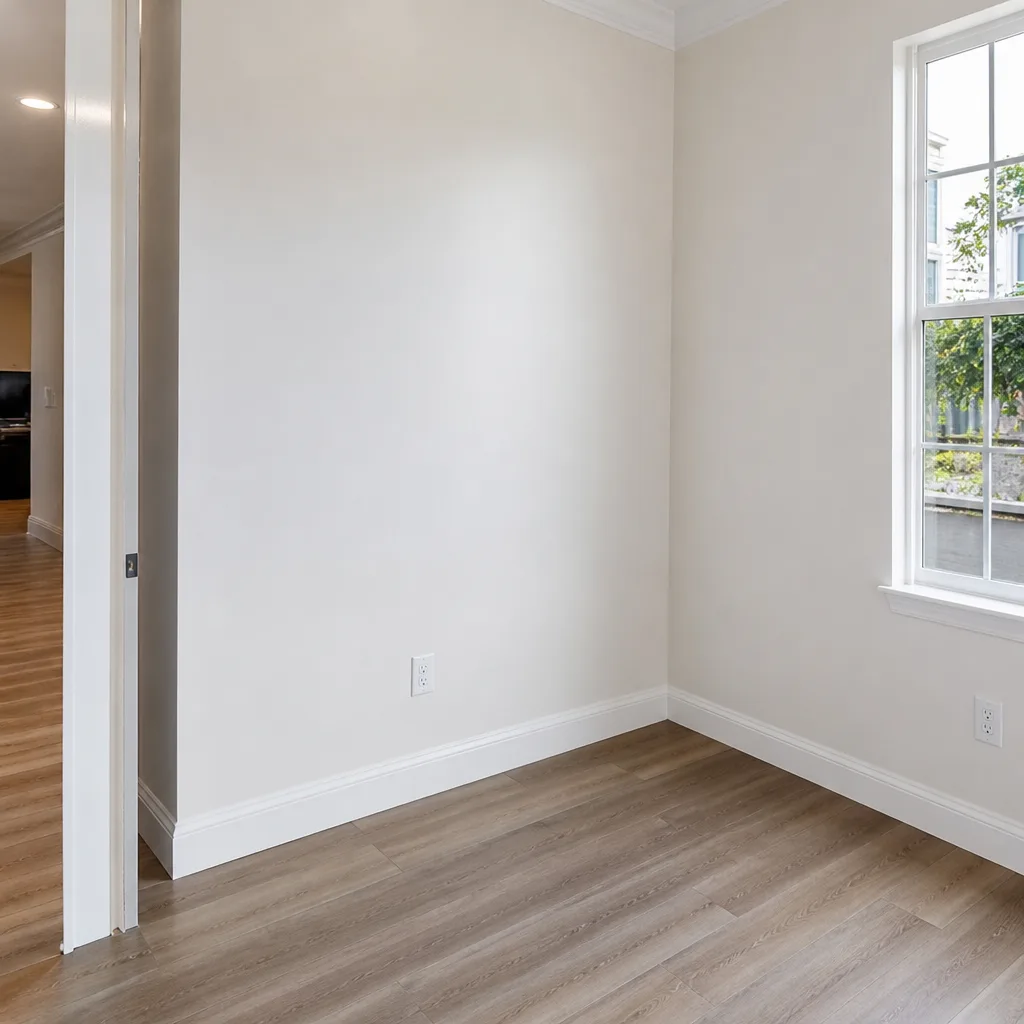 After
After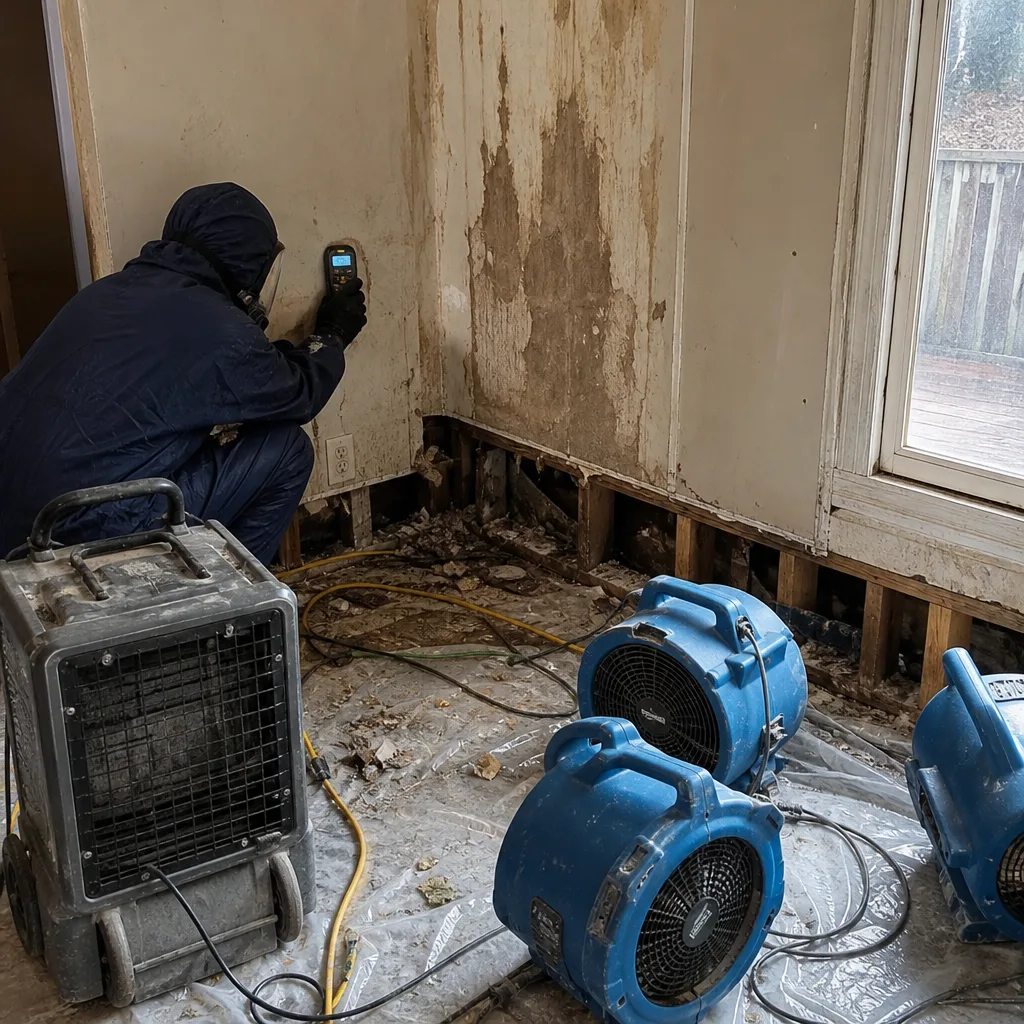 Before
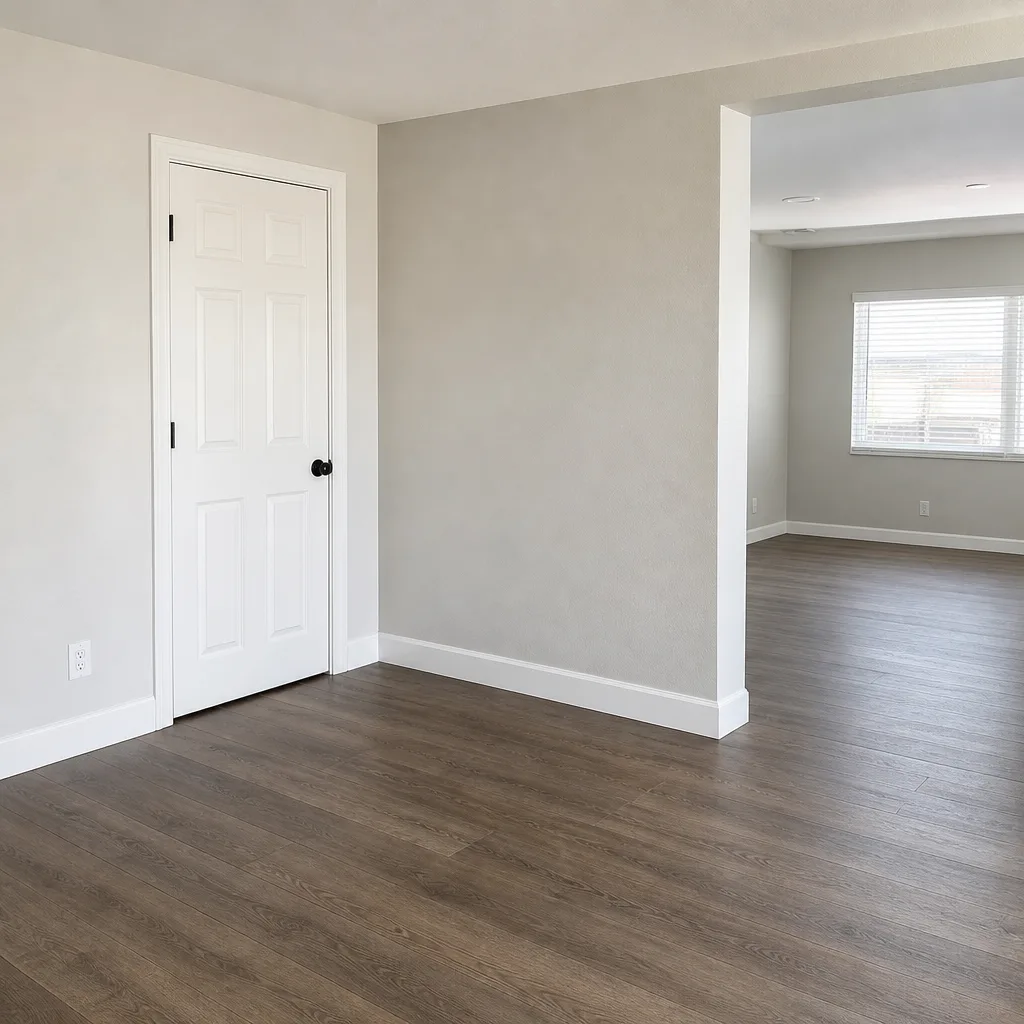 After
After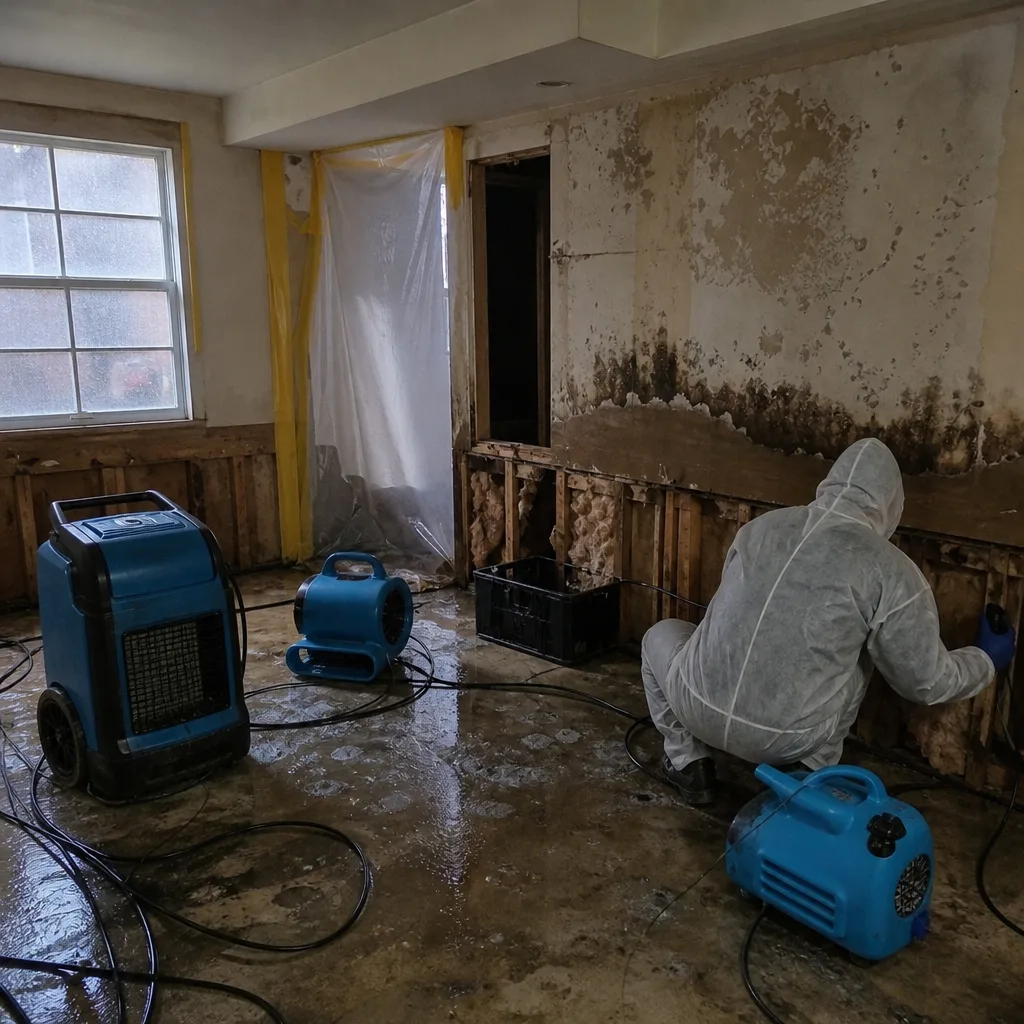 Before
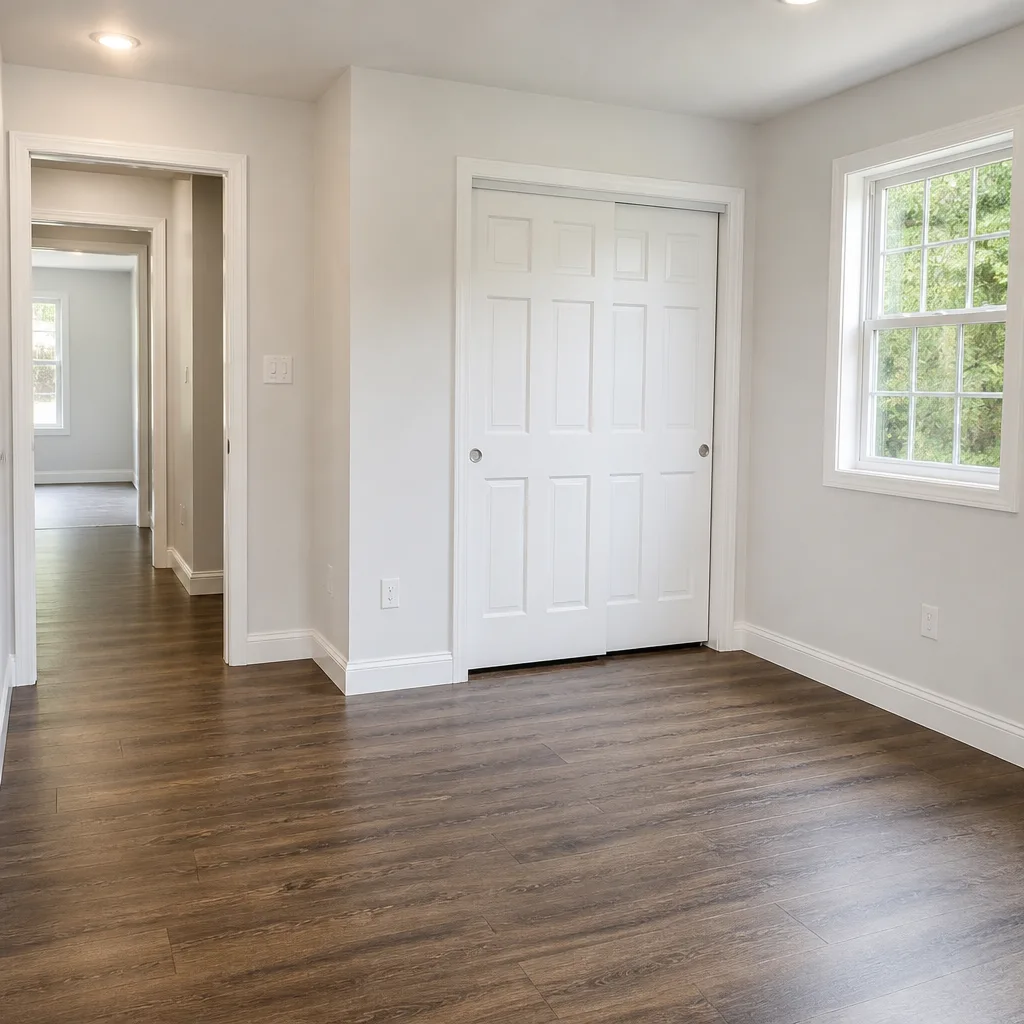 After
AfterFast, Reliable Mold Remediation Across Coney Island
Mold remediation in Coney Island starts with a straight answer: if you can smell something musty or see staining on a wall or ceiling, the mold you’re seeing is usually the tip of a much bigger problem hidden behind it. We serve every block from Sea Gate to Brighton Beach, and our crews are familiar with the specific way moisture behaves in Coney Island’s concrete and brick housing stock. Most estimates run $800 – $4,500 for a single-room job, and you’ll get a written price before any work starts. Call (940) 466-4354 and a live person answers, day or night.
Why Wendell Water Damage Restoration Is Coney Island’s Preferred Mold Remediation Company
Wendell Water Damage Restoration holds itself to a standard most restoration companies won’t touch: the price is put in writing before any tool comes off the truck. Blake Sorensen leads our team with one rule that gets repeated on every job site: the number on the screen is the number you pay. Our technicians are background-checked and wear uniforms, and you get a live arrival time you can track instead of a four-hour guess.
Coney Island homeowners deal with a specific kind of problem that inland Brooklyn rarely sees. Buildings in the zone-A floodplain sit low and close to the water, and that changes how mold grows inside them. We’ve worked in co-ops near the boardwalk, walk-ups off Mermaid Avenue, and two-families off Neptune Avenue. In every one of them, the failure starts the same way: moisture gets behind a finished wall, and nobody catches it until the staining shows up weeks later.
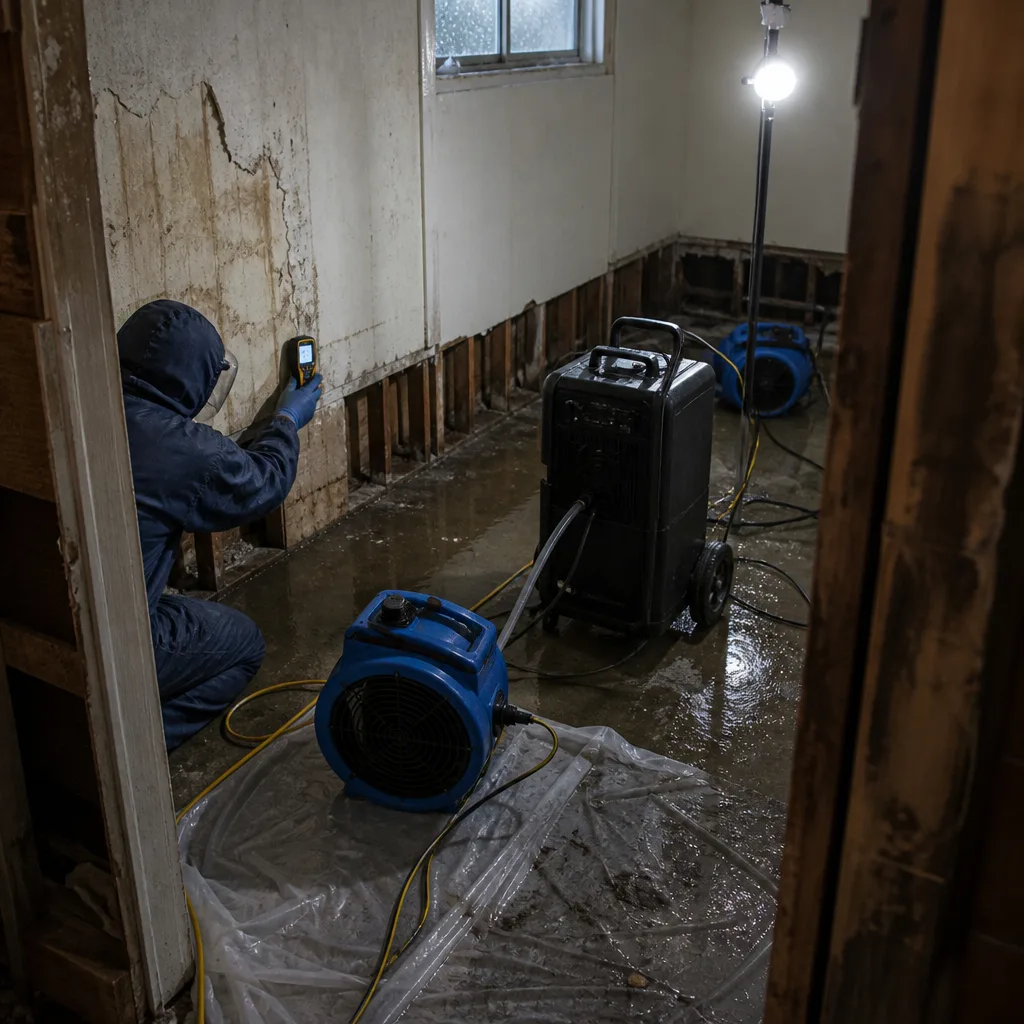
We also come from a restoration background, not a handyman background. That matters because mold is a moisture problem first. Our crew uses Dri-Eaz air movers, Phoenix dehumidifiers, and Injectidry drying systems under IICRC, RIA, and IFA standards. The equipment matters less than how it’s deployed, which is why we log moisture readings daily and text you photos as the space dries.
Black Mold Removal in Coney Island
Black Mold Removal in Coney Island means dealing with Stachybotrys, the specific mold species that grows on cellulose materials that stay wet for days or weeks, and it’s more common here than many homeowners expect because of the flood history woven into this neighborhood. A single tide-driven storm surge or a slow waste-line leak inside a wall cavity can create the exact conditions black mold needs. We contain the affected area with negative air pressure, remove the contaminated drywall and insulation, treat the framing with an antimicrobial, and verify the moisture levels before rebuilding.
When black mold appears after a flood
When Category 3 water from a Coney Island storm-surge event sits in a wall cavity for even 48 hours, black mold can begin to establish on the paper face of the drywall. The material has to come out. Trying to “clean” it from the surface doesn’t address the colony growing inside the gypsum core. We cut away the affected material and take moisture readings from the framing itself, not just the air.
Treating the framing, not just removing the drywall
The drywall is gone within an hour or two, but the framing behind it is what determines whether the mold returns. We apply an antimicrobial treatment to the studs and plates, then run professional drying equipment until the wood reads below 16% moisture content. That’s the point at which mold can’t sustain itself. Expect black mold removal on a small to mid-sized Coney Island wall section to run $1,800 – $5,600, depending on how far the growth has traveled inside the cavity.
Mold Removal Contractor in Coney Island
A Mold Removal Contractor in Coney Island has to do more than cut out stained drywall: the real work is finding all the wet material, including the stuff you cannot see without opening the wall. Our team was called to a two-family on West 12th Street near the Stillwell Avenue end after a second-floor supply line failed overnight and ran down inside a first-floor kitchen wall. The drywall face read dry. Cavity probes told a different story. We cut a small access panel, found saturated insulation and framing, set up containment with negative air, and ran Injectidry and Dri-Eaz air movers with a Phoenix dehumidifier while logging daily moisture readings. We treated the framing with an antimicrobial, and the homeowner had a cleared scope of work in 48 hours instead of a full gut.
Scoping the job before anyone swings a hammer
You’ll get a written scope before demolition starts. That document lists what’s being removed, what’s being treated, what’s being dried, and what it costs. It also tells you what we’re not doing, which is just as important. If you’re a co-op shareholder or a landlord in Coney Island, having that scope in writing is what lets you deal with your board or insurance adjuster without guesswork.
Direct insurance coordination
Our field techs take before, during, and after photos of every stage, and we send them to you by text along with moisture readings. When your insurance adjuster asks what was actually done, you can forward the photo log and the scope. We also speak directly with adjusters when that’s helpful, which keeps the process from stalling while a wall sits open and damp.
Trusted Brands We Service in Coney Island
The equipment we run on Coney Island jobs is the same gear used on large commercial loss sites, because a wet wall behind drywall in a walk-up off Mermaid Avenue needs the same drying science as a flooded office floor in Midtown. We deploy Dri-Eaz air movers, Phoenix dehumidifiers, and Injectidry wall-cavity drying systems, and our techs are trained to IICRC, RIA, and IFA standards. We stock replacement filters and antimicrobial products locally, so a mid-job supply run doesn’t delay your drying schedule by a day.
Common Mold Remediation Problems We See in Coney Island Homes
- The surface-dry wall that isn’t dry. Coney Island’s zone-A floodplain and decades of storm-surge cycles mean many buildings here have concrete or brick first floors with furred-out wall cavities. Mold from a burst pipe or tide-driven infiltration hides inside the cavity behind the finished wall. Surface moisture readings say “dry” while the insulation behind the drywall is saturated.
- Saltwater intrusion misclassified as clean water. A slow toilet supply leak is a Category 1 water loss. A tide-driven basement flood is Category 3, which means sewage, seawater, and biological contaminants are in the mix. Treating black water like clean water here means a mold call-back within weeks.
- Open floor plans without containment. The sea-breeze cross-ventilation in many Coney Island walk-ups blows spores into adjacent rooms and up the stairwell. If containment isn’t set up properly on the first visit, spores show up in units that were never wet. That turns one apartment’s problem into a building-wide argument.
- Landlord-tenant friction over scopes of work. A mold job in a Coney Island rental or co-op involves multiple parties: the owner, the tenant, the management company, maybe the board. Without a written scope and photo documentation, the work stalls while people argue about who covers what. We provide both on every job.
Pricing for Mold Remediation in Coney Island, NY
We Also Serve Cities Near Coney Island
We serve Coney Island and the surrounding neighborhoods, including Brooklyn, Queens, Manhattan, and The Bronx. If you’re in one of those areas and need Mold Remediation, our New York City office coordinates dispatch and scheduling, and a local crew reaches you quickly. Call (940) 466-4354 and a live person answers, whatever time you call.
Serving Coney Island, NY - Our Local Coverage Area
We’re based in the Coney Island area and know this community well. Use the map below to see our service coverage - if you’re nearby, we can almost certainly help.
FAQs About Mold Remediation in Coney Island
How fast does mold start after a Coney Island apartment gets flooded?
Mold can start growing within 24 to 48 hours on damp drywall, insulation, and wood when a Coney Island apartment floods. If the water is Category 3 from a storm surge, the timeline shortens because the water carries biological contaminants that feed mold colonies. Call (940) 466-4354 the day you see water, and we can have a crew at your building the same day in most Coney Island cases.
Do you need to tear out my wall if the surface feels dry after a leak?
Yes, often. Coney Island’s furred-out first-floor walls hold moisture behind the finished surface, and a dry face does not mean dry insulation or framing. We use cavity probes to check the space behind the drywall before we do any demo. If the probes read wet, we open a small access panel and dry the cavity from inside rather than guessing from the outside.
Can you tell the difference between a Category 1 pipe leak and a Category 3 flood before starting work?
Yes, we classify the water source before writing the scope. A clean supply-line leak is Category 1, a washing machine or dishwasher overflow is Category 2, and any water from a Coney Island storm surge, sewer backup, or tide-driven flood is Category 3. Each one gets a different treatment protocol, and we put that classification in writing before work begins.
How do you keep mold spores from spreading to the rest of a Coney Island walk-up during remediation?
We set up containment with negative air pressure around the affected area, which means air moves into the work zone instead of out into adjacent rooms and stairwells. In Coney Island’s open walk-ups, this is non-negotiable because sea-breeze cross-ventilation otherwise pushes spores into units that were never wet. The containment is verified daily until the job is done.
Can you show me what was done so my co-op board or landlord accepts the repair?
Yes. We photo-document every stage of the job, from the initial moisture readings through open-wall drying and the final antimicrobial application, and we text those photos to you along with daily progress updates. You’ll have a written scope, photo log, and moisture data to put in front of a co-op board, landlord, or insurance adjuster without needing to translate anything yourself. Call (940) 466-4354 to get started.
Written by Blake Sorensen, Owner at Wendell Water Damage Restoration, serving Coney Island with transparent pricing and written scopes of work since 2006.