
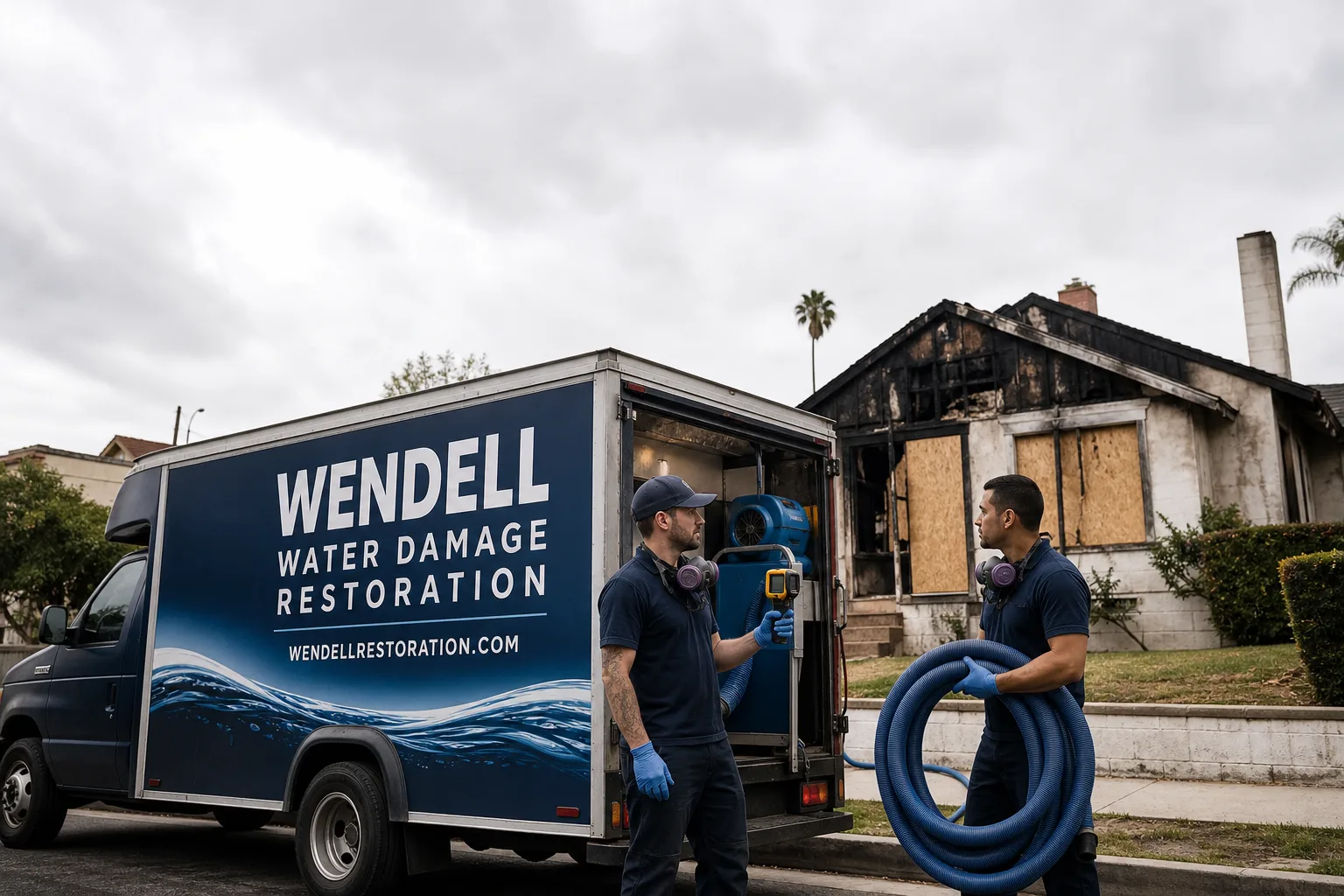
Free visual inspection and a written scope of work before any mitigation begins - photos, moisture readings, and drying logs go in your claim file
The scope we write is the scope we bill. Anything new gets shown to you, in writing, before we touch it.
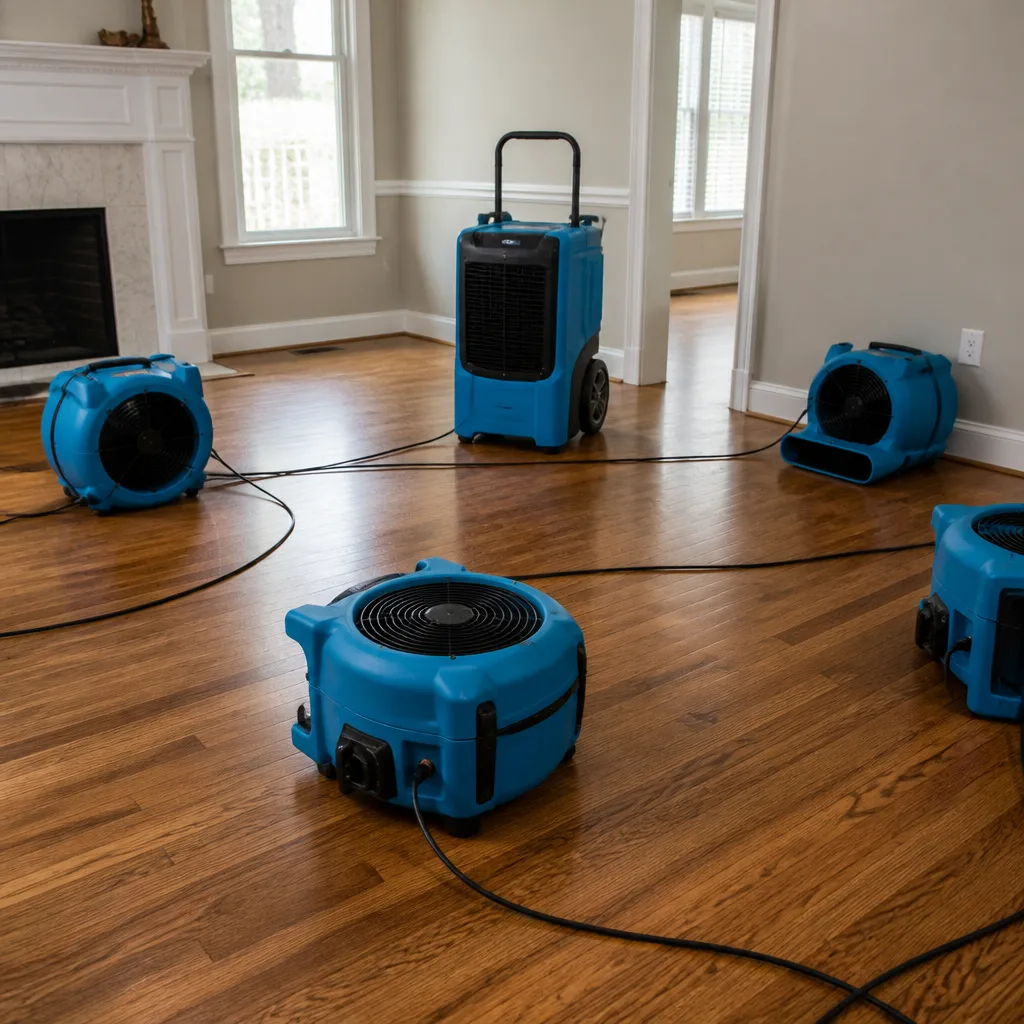
 Before
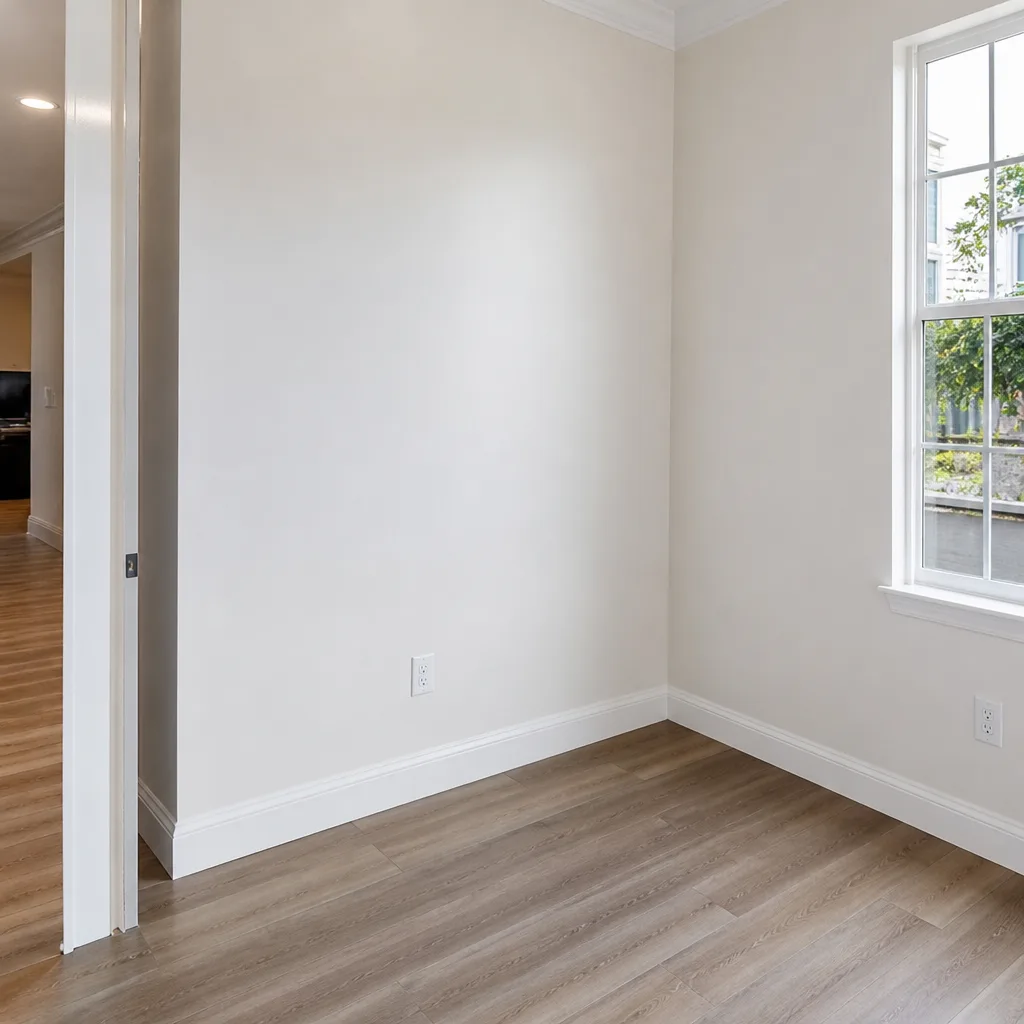 After
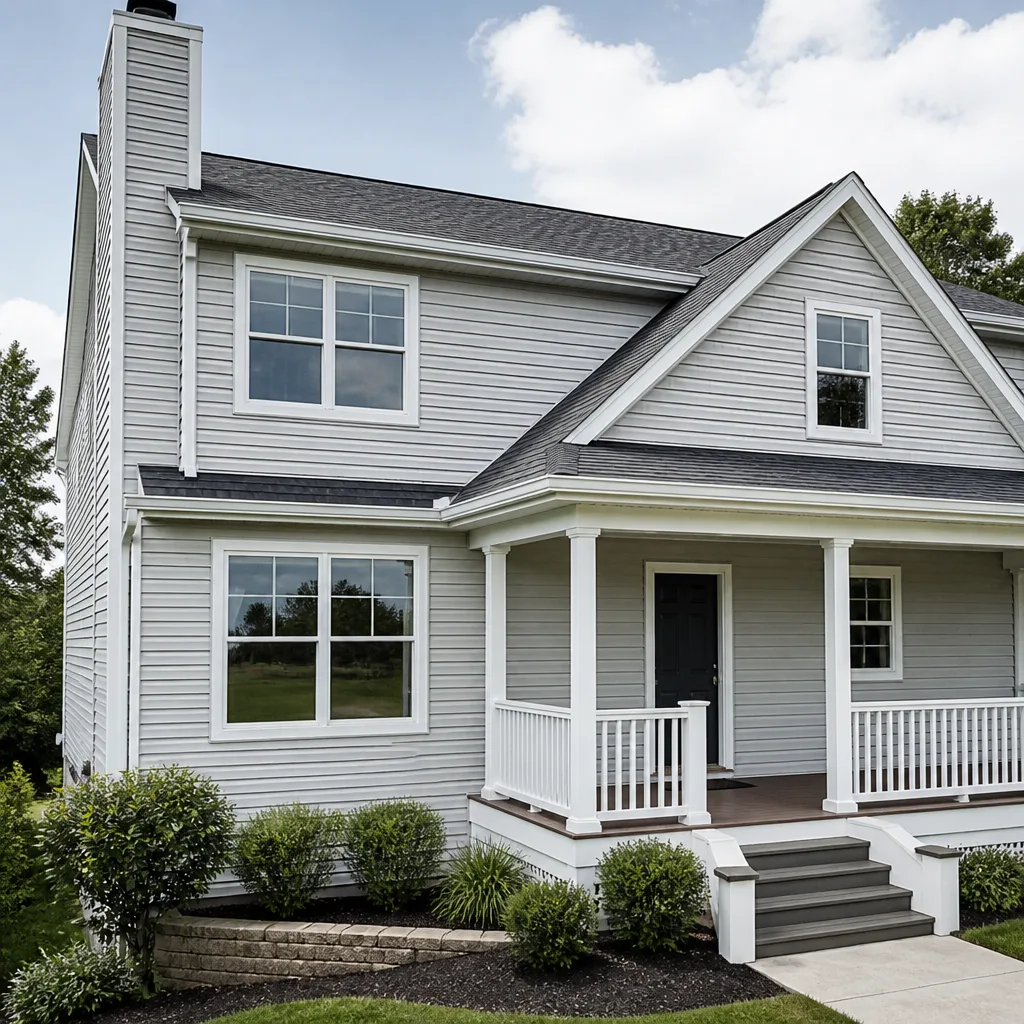
After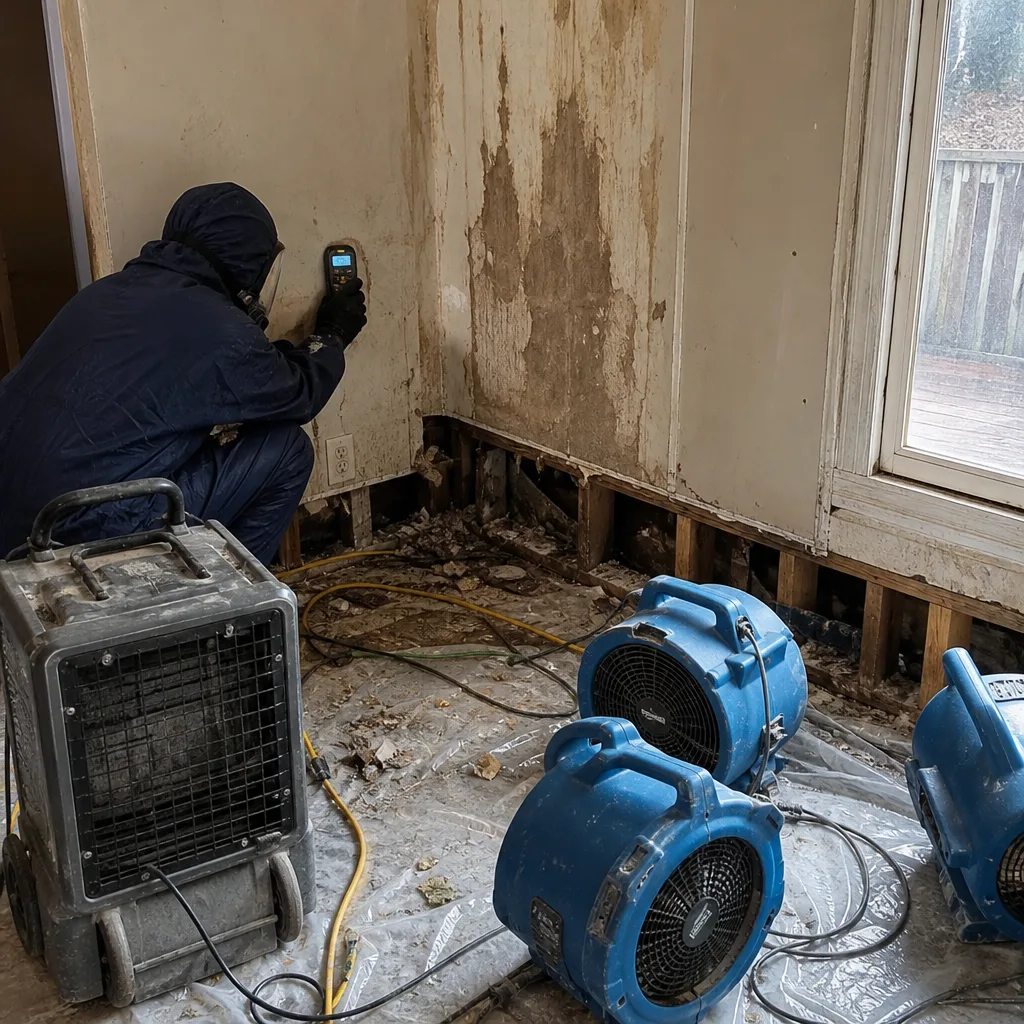 Before
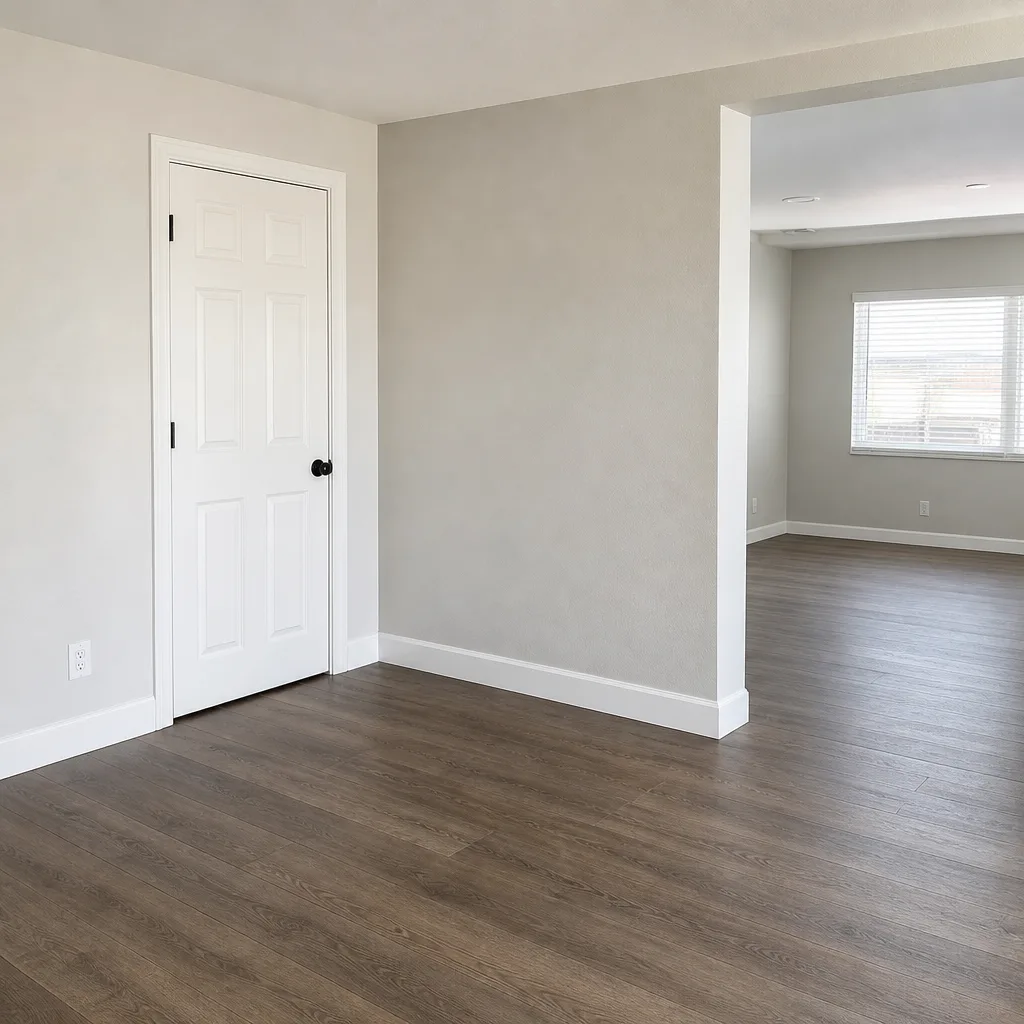 After
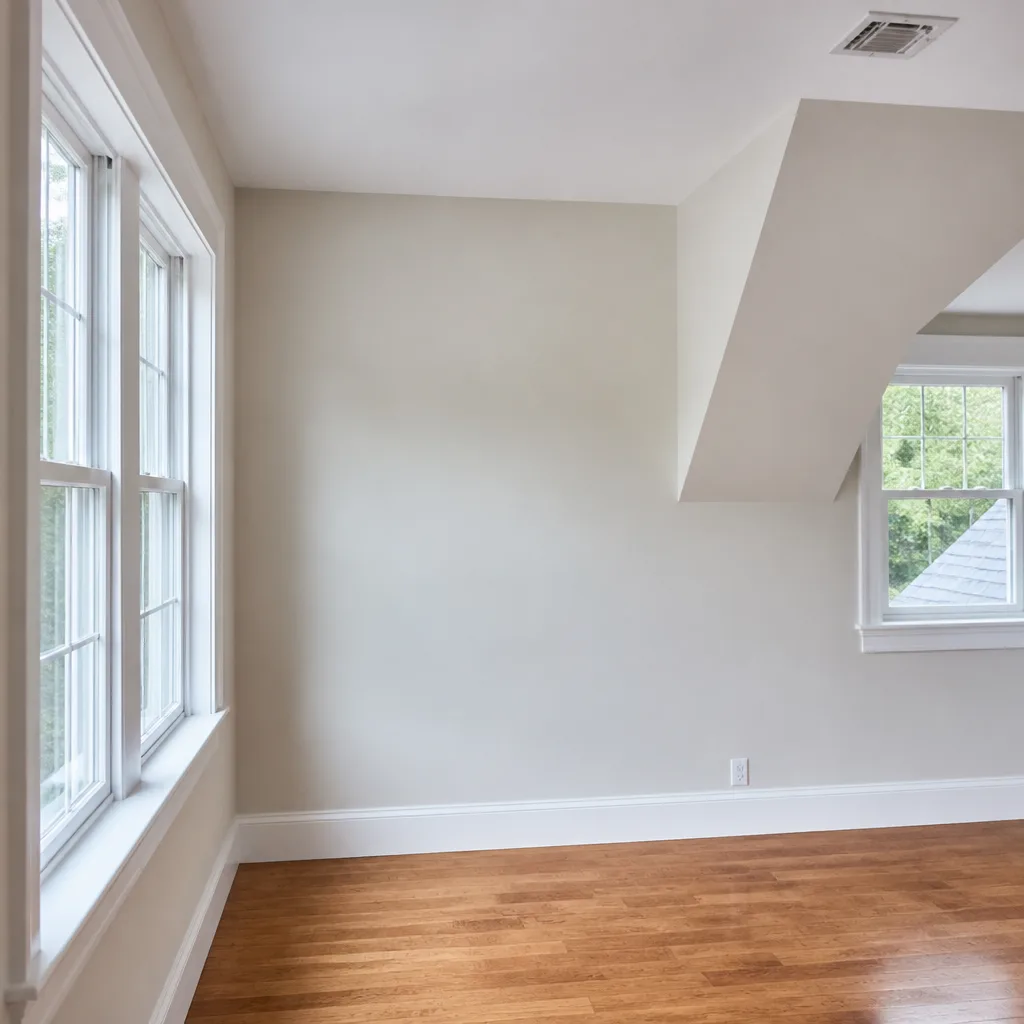
After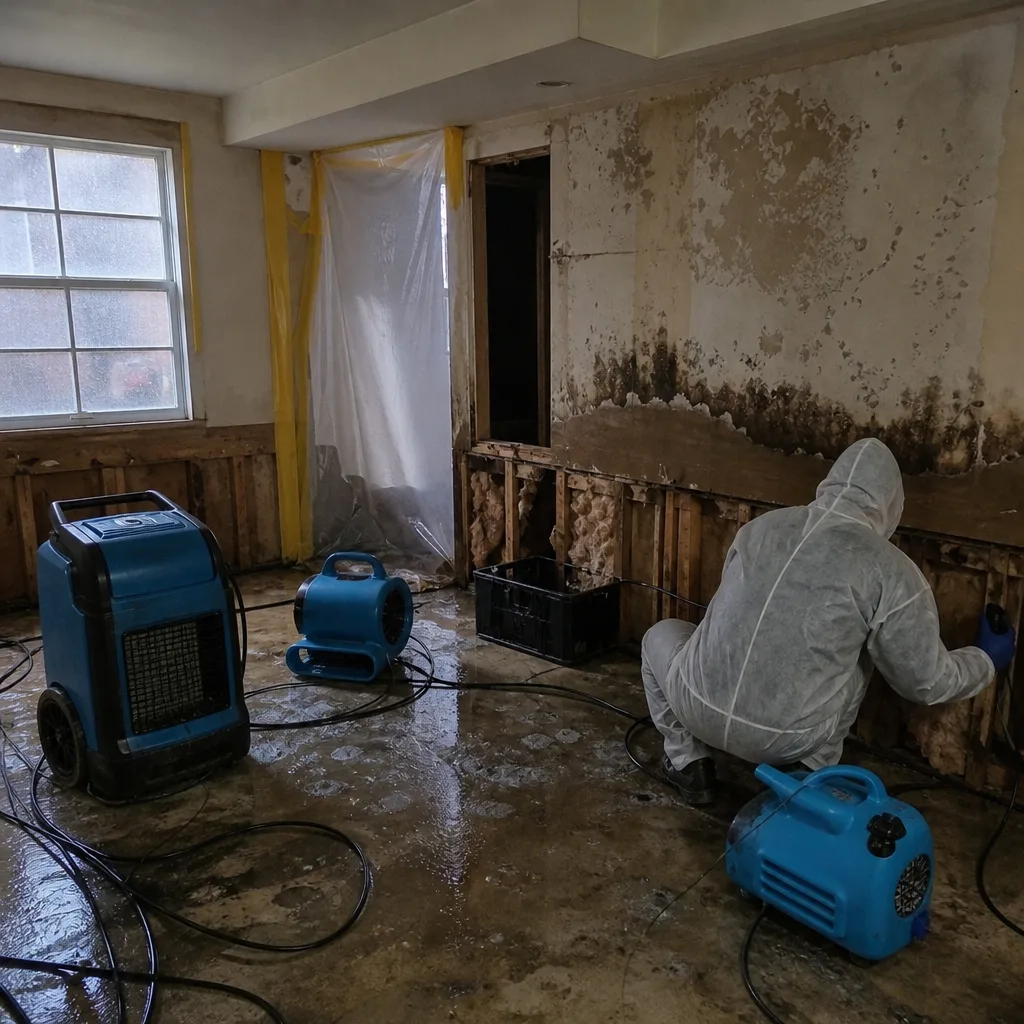 Before
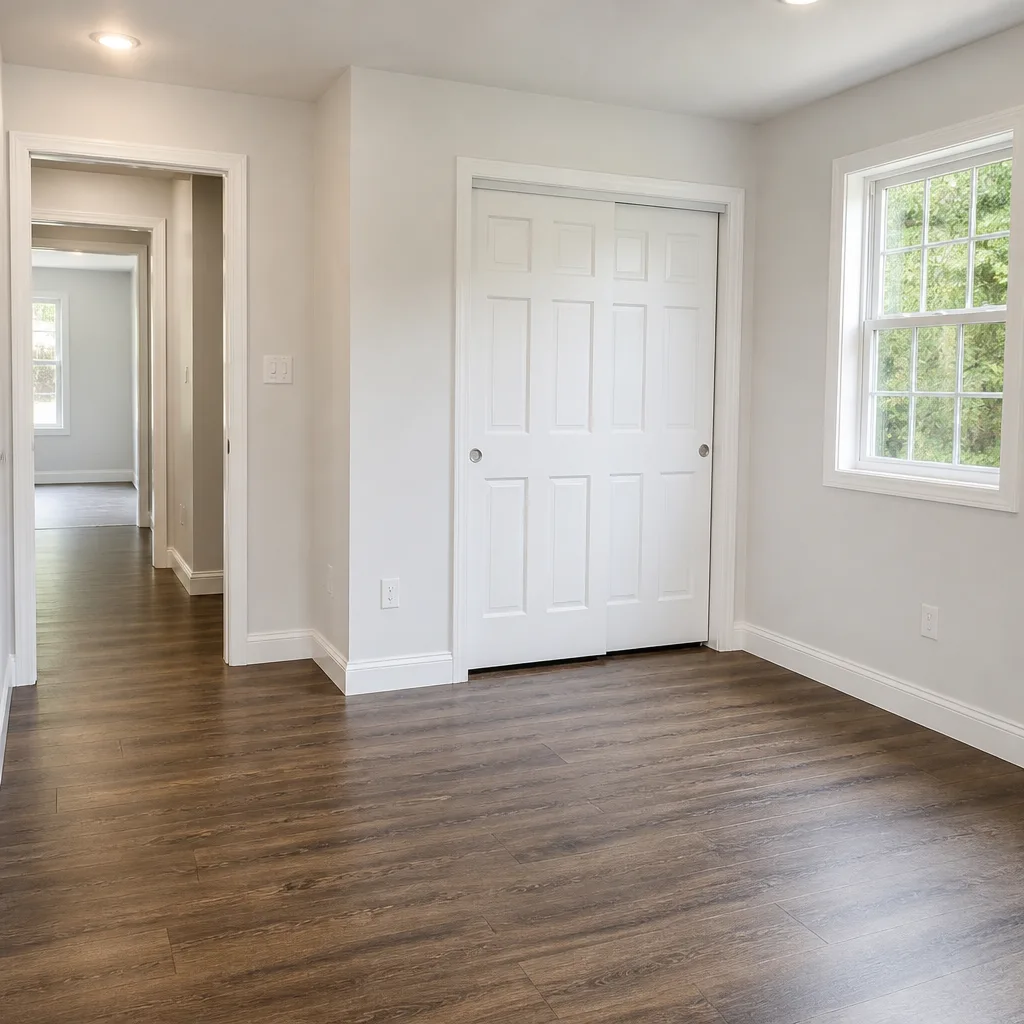 After
AfterFast, Reliable Mold Remediation Across Central Harlem
Mold remediation in Central Harlem usually takes one to three days once containment is set, and the cost for a typical bathroom or closet job runs $1,800 to $4,200. In a pre-war co-op or brownstone on Strivers’ Row or along Adam Clayton Powell Jr. Boulevard, the real challenge is rarely the mold you can see; it’s the moisture trapped inside original plaster and lath that keeps feeding it. We respond to Central Harlem calls the same day, and our crews know the buildings here well enough to look for the wet core behind the wall, not just the stain on it. If you see discoloration on a wall or ceiling, or you smell that musty basement odor in a sixth-floor walk-up, call (940) 466-4354 and a live person will answer.
Our technicians arrive with a written scope of work and a price before any tool comes off the van. That’s how every Central Harlem job starts, and it’s how we’ve built our reputation in this part of Manhattan.
Why Wendell Water Damage Restoration Is Central Harlem’s Preferred Mold Remediation Company
Central Harlem homeowners deal with a specific kind of mold problem: pre-war construction, original plaster, steam heat, and masonry walls that hold moisture for weeks after a leak stops. Wendell Water Damage Restoration has been handling these buildings since 2006. Blake Sorensen, who leads our team, trains every technician to treat a Central Harlem brownstone differently than a drywalled condo in a new tower. That local knowledge changes the job: we moisture-map the wall cavities instead of assuming the surface tells the whole story.
Our customers in the Central Harlem area talk about two things in reviews: the live arrival time they get by text, and the fact that the price on the estimate is the price they paid. No add-ons after we open the wall. No “well, we found more” surprise. When we find more, we document it with photos, explain it in plain language, and give you a revised written number before continuing.
For a mold complaint on Lenox Avenue or over near Morningside Park, our typical response is same-day for mitigation work. We’ll get containment up, start drying the cavity, and stop the spread before it reaches common areas or neighboring units. Building management tends to appreciate that as much as the owner does.
Mold Removal Contractor in Central Harlem
A Mold Removal Contractor in Central Harlem handles the physical removal of mold-contaminated materials: plaster, lath, drywall, baseboards, insulation, and sometimes subfloor. In our area, this work almost always involves pre-war construction methods, which means the contractor needs to understand steam riser lines, masonry party walls, and how to contain an apartment so spores don’t travel through old vent shafts into the rest of the building. We quote a typical Central Harlem mold removal job between $2,200 and $5,600, depending on how far into the wall the damage goes and whether flooring or joists are involved.
Containment and Cavity Drying
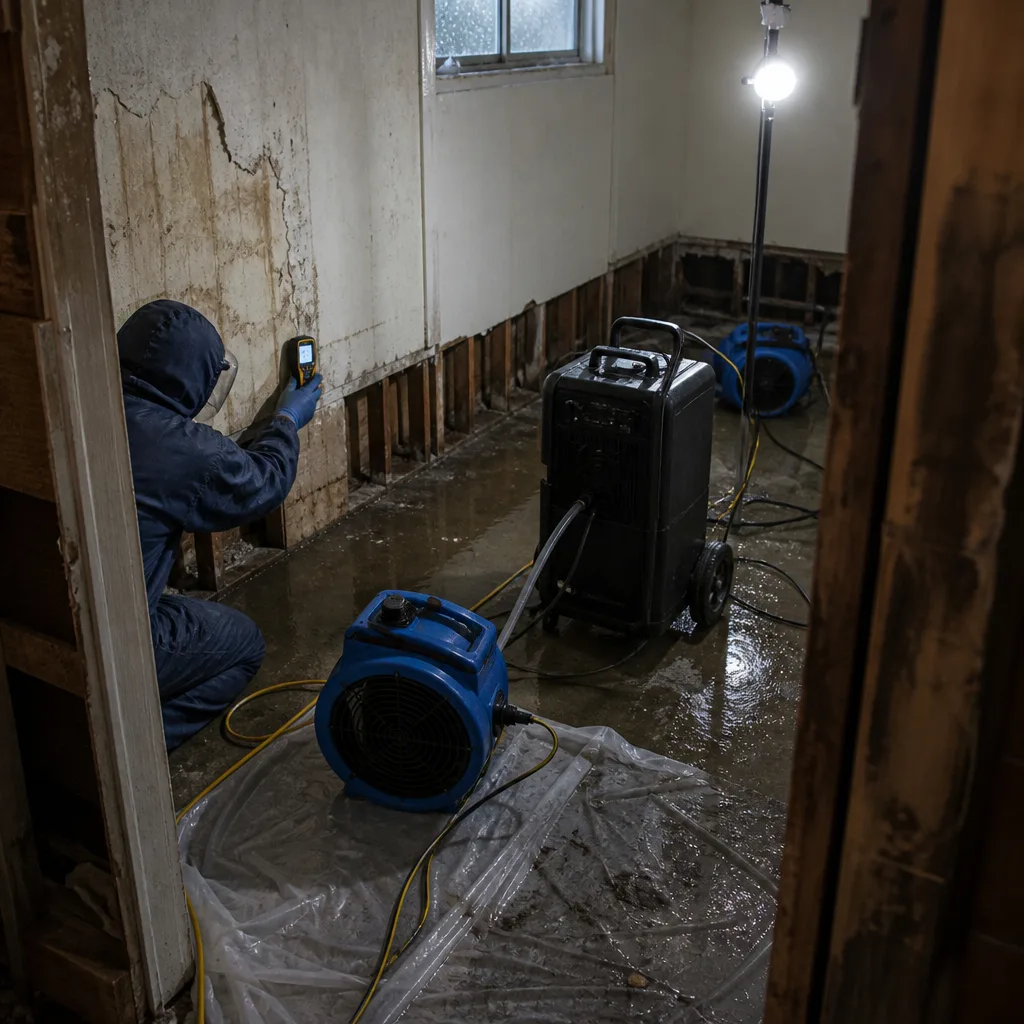
We build a negative-air containment zone around the affected area before removal starts. That stops mold spores from drifting into your kitchen, your neighbor’s unit, or the shared stairwell. In Central Harlem’s older buildings, those airflow paths are everywhere: gaps around pipes, old chimney chases, gaps in the floorboards. Controlling them is non-negotiable. After removal, we dry the exposed framing with professional-grade equipment from Dri-Eaz and XPOWER, then take moisture readings until the numbers say the cavity is dry, not just the surface.
When Replacement Beats Cleaning
Original plaster with mold growing behind it usually comes out. You can scrub the face of a plaster wall until it looks clean, but the mold’s root structure is inside the gypsum and lime. Painting over it traps moisture and spores. We’re clear with Central Harlem co-op and condo owners: if the moisture source is fixed and the plaster is sound, we’ll clean and treat it. If the cavity is saturated or the lath is soft, removing it is cheaper over three years than treating the same wall twice.
Bathroom Mold Removal in Central Harlem
Bathroom Mold Removal in Central Harlem is one of our most common jobs because so many bathrooms in this neighborhood are original to buildings from the 1910s and 1920s: small, vented poorly if at all, and built around steam risers that run behind the tile. When a shower valve leaks inside the wall or a toilet wax ring fails slowly, the water goes into plaster, not onto the floor where you’d see it. We typically charge $1,400 to $3,800 for bathroom mold removal, including containment, removal of affected materials, antimicrobial treatment, and drying.
Behind-Tile Water Tracking
Most bathroom mold in Central Harlem starts behind the tile. The wall looks fine until grout starts discoloring or paint peels at the baseboard. By then, the cavity behind the tile has been wet for weeks. We use moisture meters and thermal imaging to trace the wet footprint before we cut anything. That lets us remove only what’s actually damaged, which matters in a rental or a co-op where every open wall needs board approval or a neighbor’s sign-off.
Small Bathroom, Big Spore Risk
A six-by-eight bathroom with no window and no exhaust fan is a mold incubator. When we set containment in a Central Harlem bathroom that size, the air scrubber fills half the room. That’s fine; it’s doing the job. The key is that negative air setup stays up during removal so spores don’t get pulled into the apartment when we open the wall. We’ve seen landlords skip containment on a cheap job and turn a contained bathroom problem into a whole-line mold complaint. Our Mold Remediation team never cuts that corner.
Trusted Brands We Service in Central Harlem
Central Harlem homes run every brand of dehumidifier, exhaust fan, and boiler, but the equipment we deploy on remediation jobs is built for commercial-grade drying: Dri-Eaz air movers and dehumidifiers, XPOWER air scrubbers, and B-Air HEPA filtration units. We stock replacement filters, antimicrobial agents, and moisture meters locally, so when a Central Harlem job needs more equipment the same afternoon, we’re not waiting on a parts truck from Jersey. Your building’s maintenance staff may recognize the Dri-Eaz units; they’re a standard on large loss sites, and we bring that same specification to a one-bathroom co-op on West 138th Street.
Common Mold Remediation Problems We See in Central Harlem Homes
- Hidden cavity mold behind steam risers. Central Harlem’s steam-heat buildings run pipes through plaster walls that haven’t been opened in a century. A pinhole leak can soak a wall cavity for months before any stain shows. By the time you see it, the mold has spread across the lath and into adjoining stud bays.
- Surface-only treatment that fails within weeks. Bleach and paint kill what’s on the face of the plaster. The mold inside the cavity keeps growing. We get called for “the mold came back” jobs on West 125th and Frederick Douglass Boulevard regularly. The fix is always the same: remove or open the wet material, dry the cavity, treat the framing.
- Toilet overflow water that looks minor but isn’t. Category 2 water from a toilet overflow can soak the subfloor and the plaster below. If it dried on the surface, the wood under the tile is still wet. In a pre-war building with masonry subfloors, that moisture wicks sideways and feeds mold under the vanity for months.
- No ventilation in original bathrooms. Many Central Harlem bathrooms were built before electric exhaust fans existed. A hot shower puts moisture on the plaster ceiling, and without air movement it stays there. The mold that forms on the ceiling is a warning; the bigger colony is often in the ceiling cavity above it.
Pricing for Mold Remediation in Central Harlem, NY
What moves the number most in this neighborhood is the condition of the original plaster and how far the moisture has traveled through the masonry. Our written estimate is always free, and we’ll walk you through every line before you sign. The price we put in writing is the price you pay. Call (940) 466-4354 for a free estimate.
We Also Serve Cities Near Central Harlem
Our crews cover Central Harlem and the surrounding boroughs daily, so if you need mold removal in Central Harlem or a neighboring area, we can usually get there the same day. We regularly work in Brooklyn, Queens, Manhattan, and The Bronx, with the same written-price policy and same-day response for mitigation calls.
Serving Central Harlem, NY - Our Local Coverage Area
We’re based in the Central Harlem area and know this community well. Use the map below to see our service coverage - if you’re nearby, we can almost certainly help.
FAQs About Mold Remediation in Central Harlem
Mold can start growing in 24 to 48 hours after water hits porous material, but in a Central Harlem pre-war apartment, the issue is that growth starts inside the wall where you can’t see it. Plaster and lath hold moisture far longer than modern drywall, so a leak behind a vanity on West 116th Street can be growing mold for two weeks before any stain reaches the wall surface. If you know water escaped into a wall or ceiling, call (940) 466-4354 within 24 hours; drying what’s already wet is far cheaper than removing what’s grown.
Yes, for mitigation. We can have a crew in Central Harlem the same day you call to set containment, stop the moisture source, and begin drying. Full remediation, meaning physical removal of contaminated material and rebuild, is scheduled after the scope is written and the price is agreed. We don’t start cutting into walls the same day we arrive, and that’s deliberate: you should have a written scope and price before anyone opens your wall.
Category 1 is clean water from a supply line or faucet. Category 2 is contaminated water that can cause illness, like a toilet overflow with urine or a dishwater discharge. Category 3 is heavily contaminated water from sewage, a flooded drain, or outside flooding. In Central Harlem apartments, the risk rises quickly: a Category 1 leak behind a wall that sits for a week can grow mold just as aggressively as a Category 2 spill, because the moisture is trapped in plaster and lath. The category matters, but the real variable is how long the material stays wet. If you’re not sure what category you’re dealing with, call us and a live person will help you sort it out.
Sometimes. If the mold is on the surface of the plaster, the lath behind it is sound, and the moisture source is fixed, we can clean, treat, and seal the surface without removing the wall. In many Central Harlem bathrooms, though, the mold is behind the tile or under the plaster, and partial removal is unavoidable. The advantage of our moisture-mapping approach is that we remove only what the readings show is actually contaminated. We’ve saved co-op owners on Lenox Avenue thousands by removing two feet of plaster instead of the entire bathroom wall. We’ll show you the moisture readings and explain what needs to come out before we cut anything.
We run Dri-Eaz dehumidifiers and air movers, XPOWER air scrubbers, and B-Air HEPA filtration units on Central Harlem mold jobs. These are the same brands used on commercial loss sites, and we deploy them under IICRC, RIA, and IFA standards. The equipment matters because pre-war plaster and masonry need aggressive, sustained drying. A homeowner-grade dehumidifier from the hardware store can’t pull moisture out of a lath-and-plaster wall cavity. Our equipment can, and we log the moisture readings throughout the job so you can see the numbers dropping before we close anything up.
If you’re dealing with mold in Central Harlem, or you suspect it’s growing behind a wall, call (940) 466-4354 now. A live person answers, 24/7, and we’ll get you a written price before any work starts. The longer moisture sits in those original plaster walls, the bigger the job gets. Call today and get answers from a technician who knows Central Harlem buildings.
Written by Blake Sorensen, lead technician at Wendell Water Damage Restoration, serving Central Harlem with mold remediation, water damage restoration, and written-price transparency since 2006.