
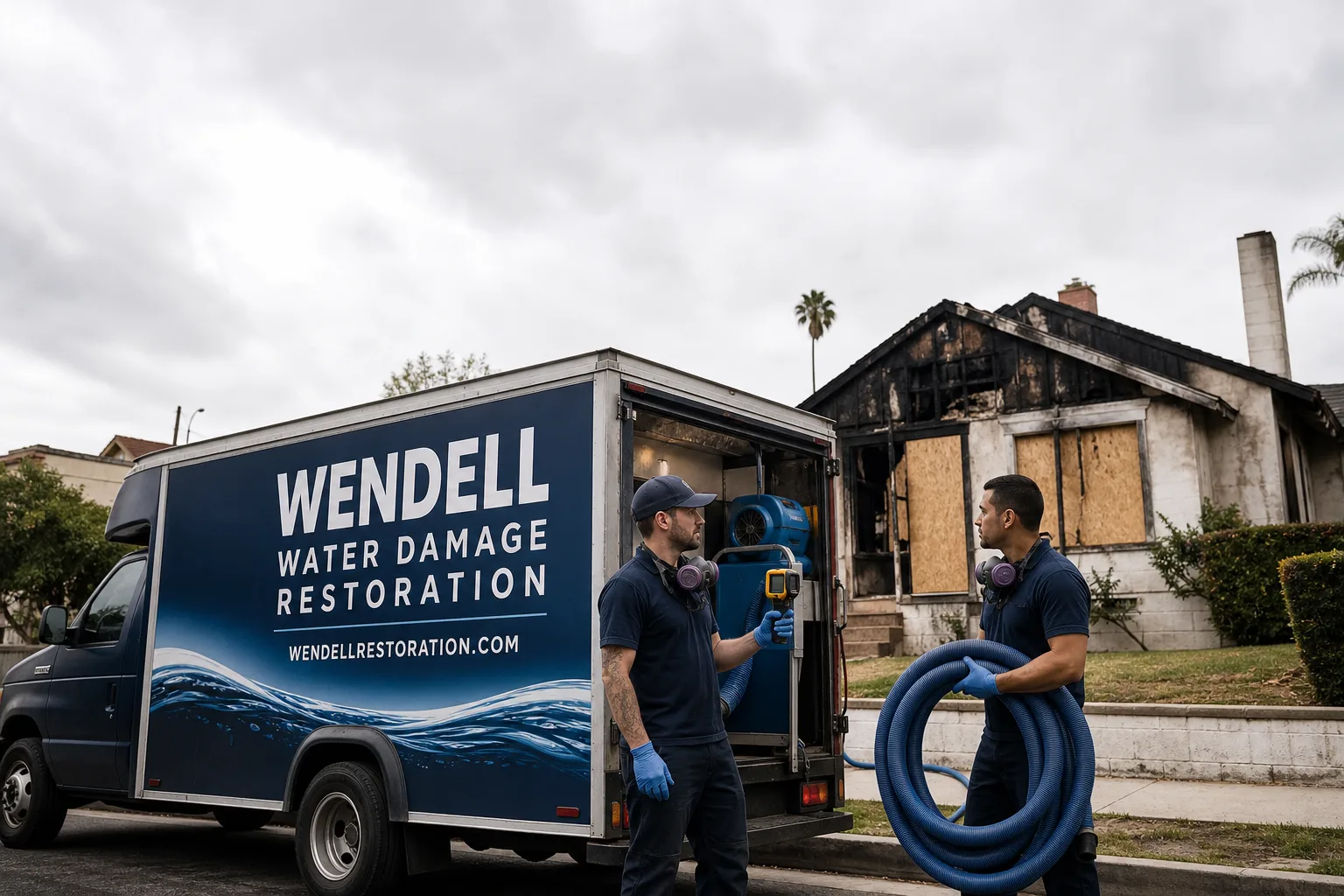
Free visual inspection and a written scope of work before any mitigation begins - photos, moisture readings, and drying logs go in your claim file
The scope we write is the scope we bill. Anything new gets shown to you, in writing, before we touch it.
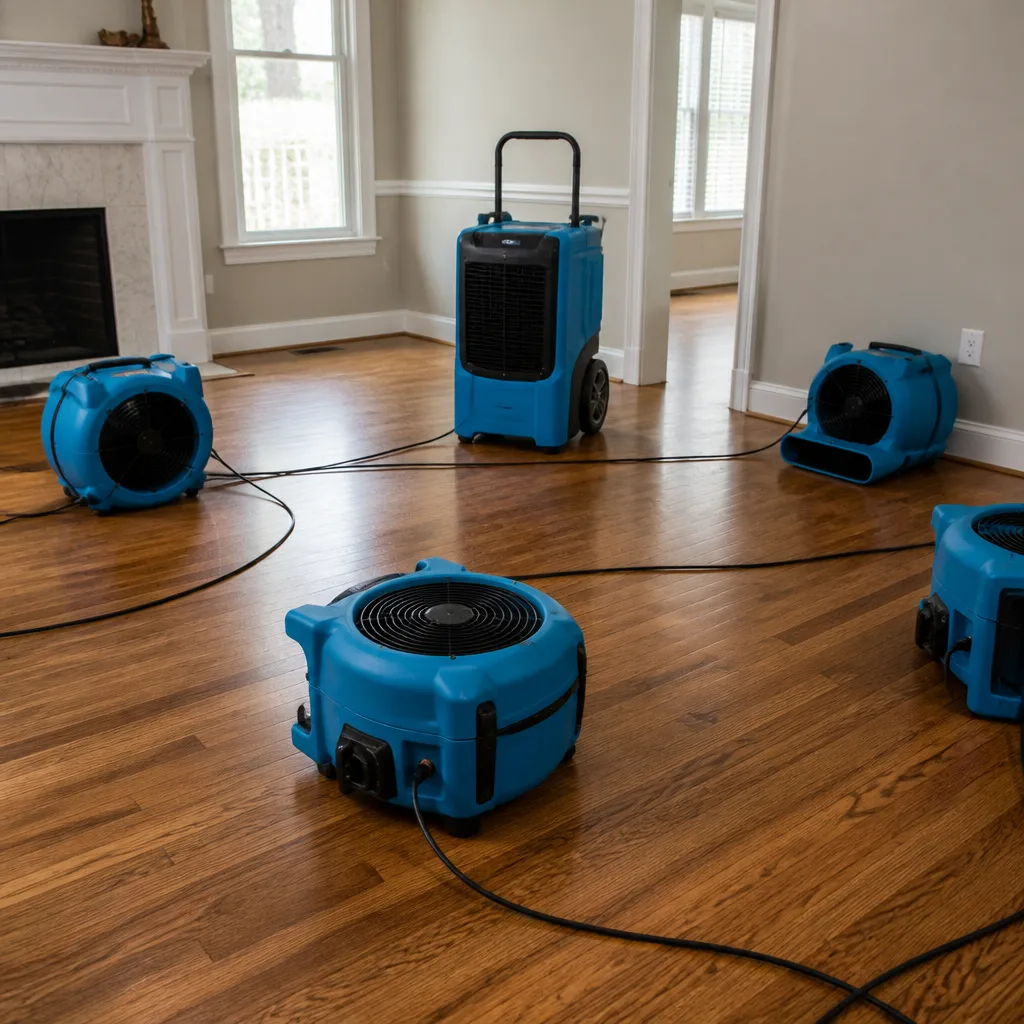

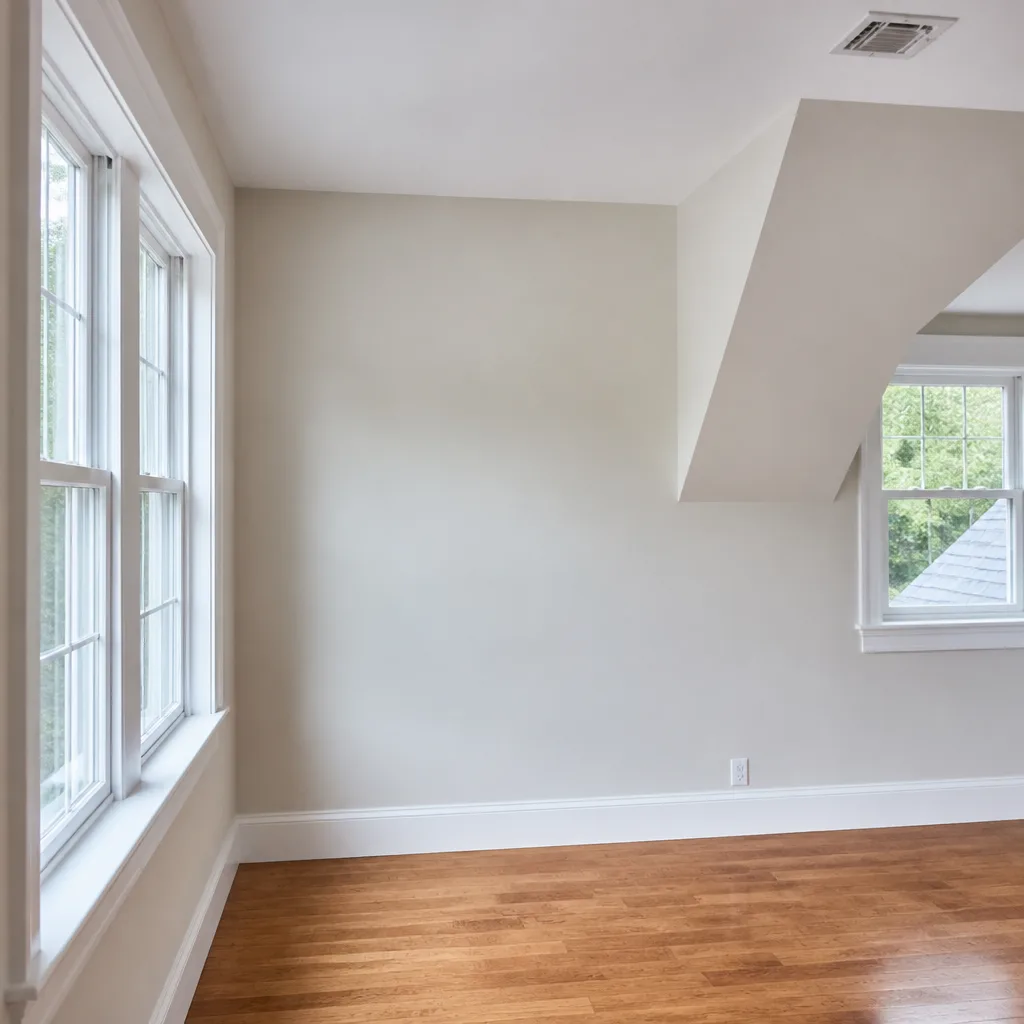


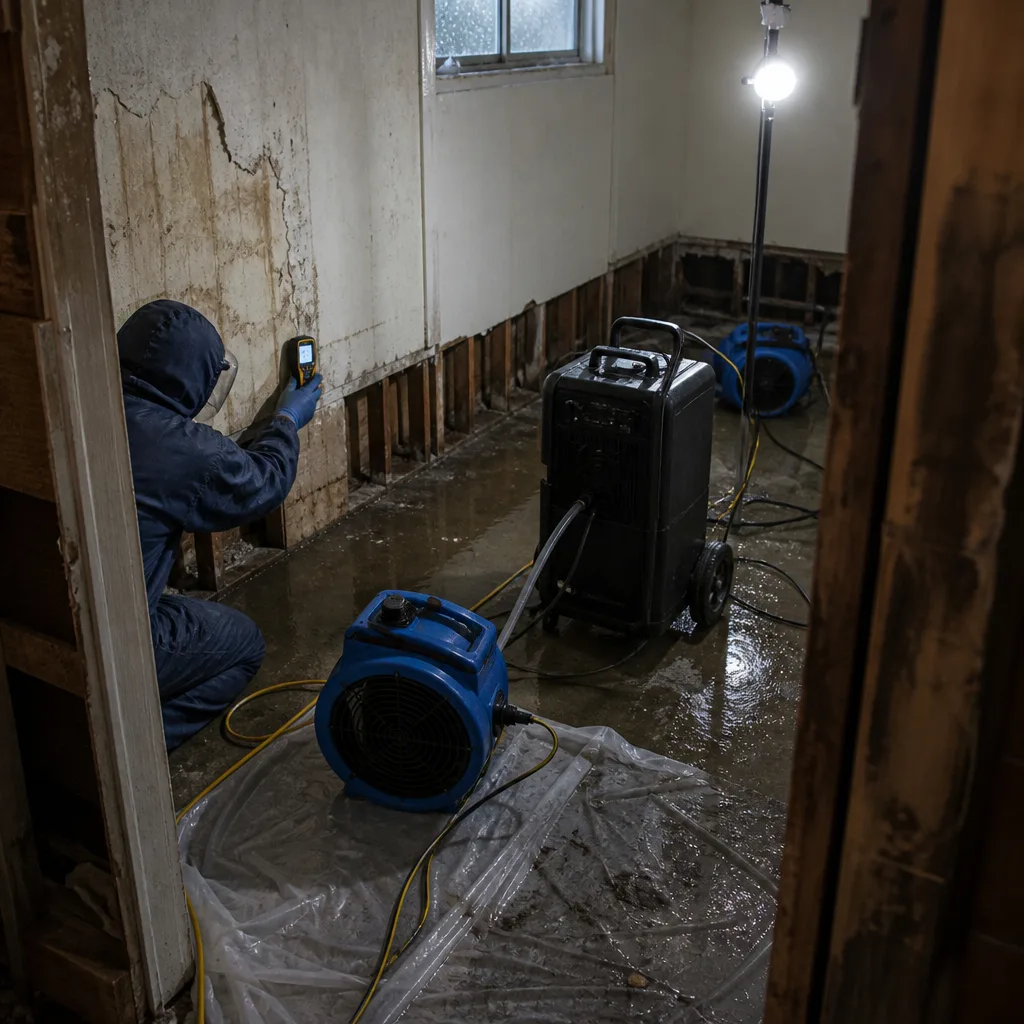 Before
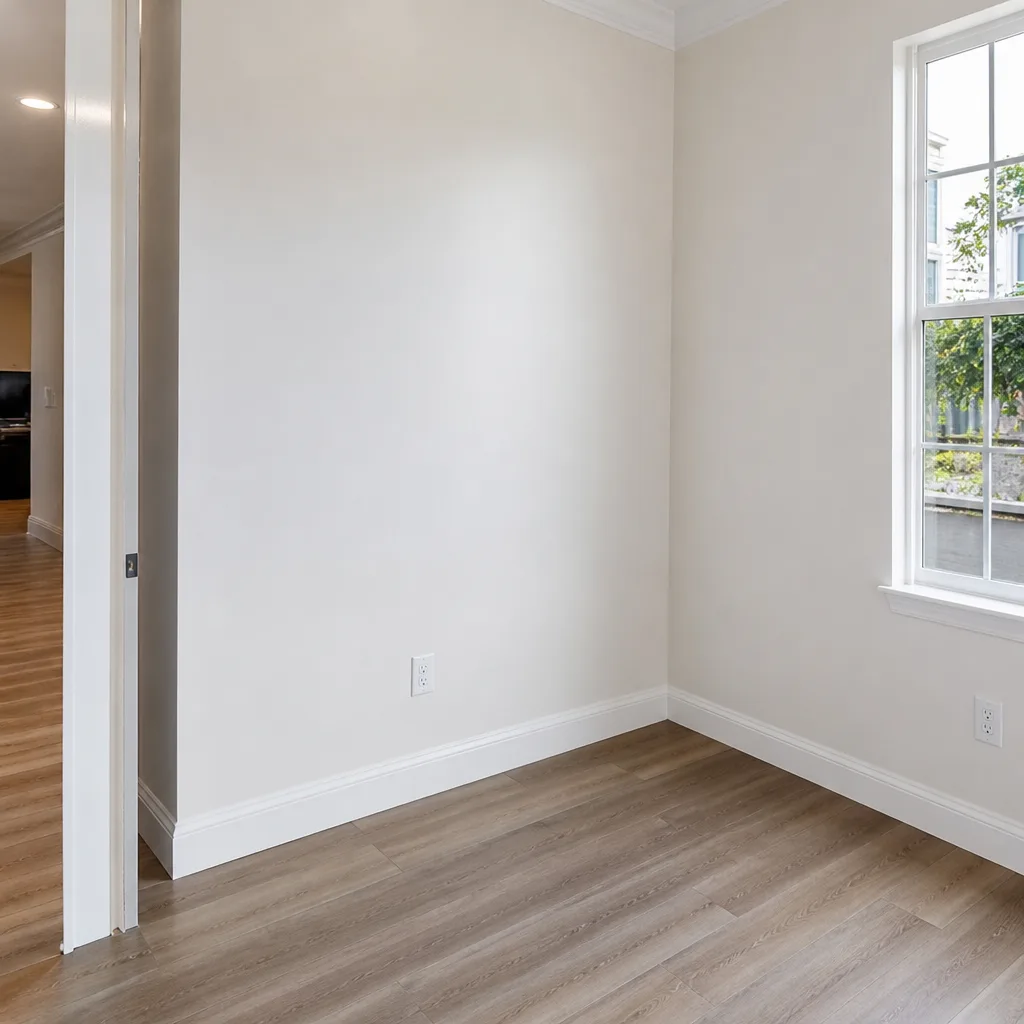 After
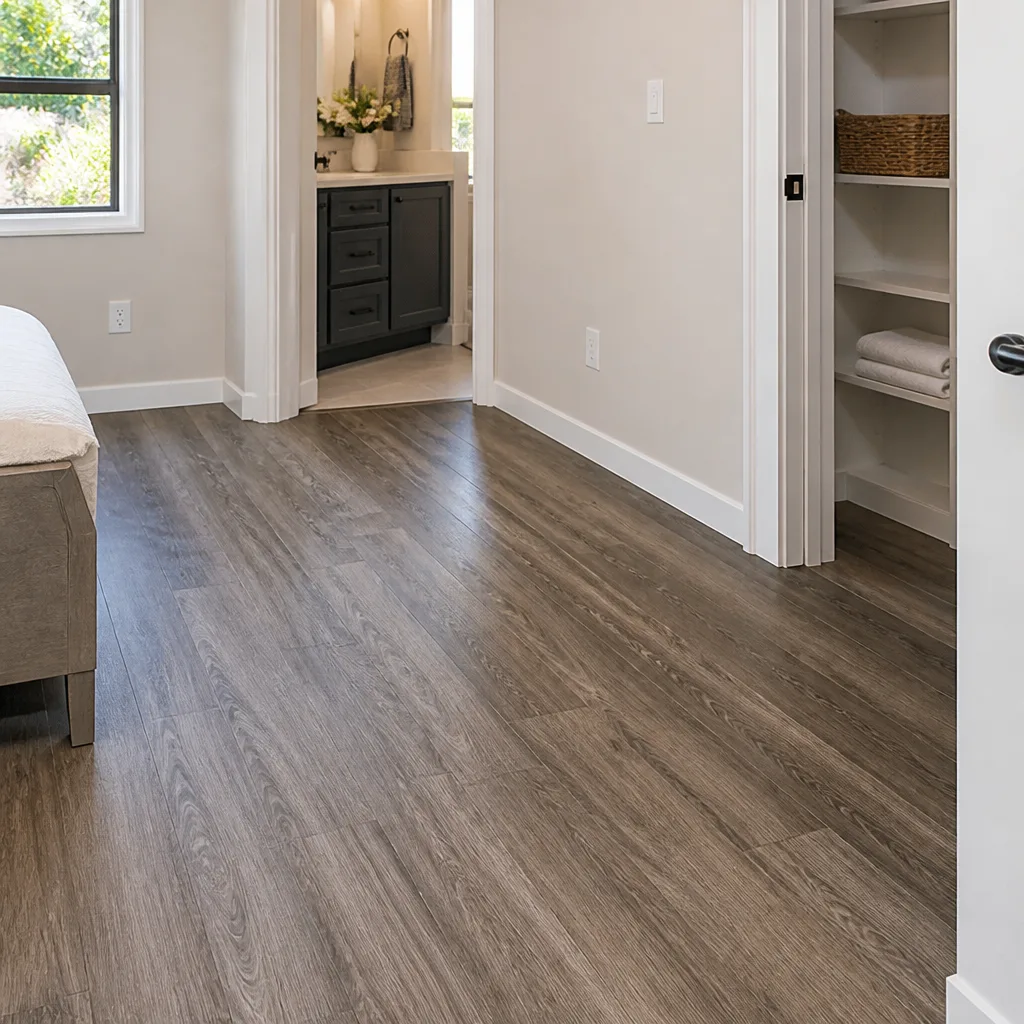
After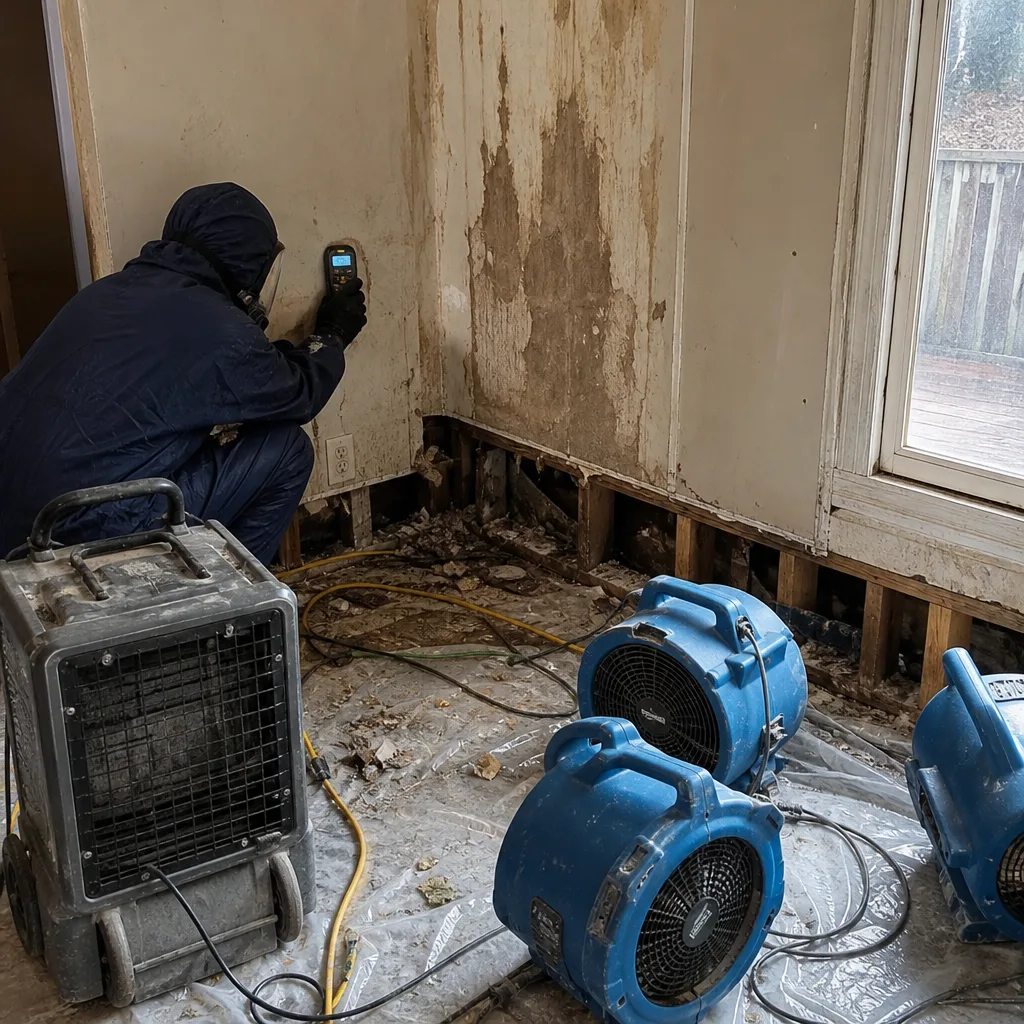 Before
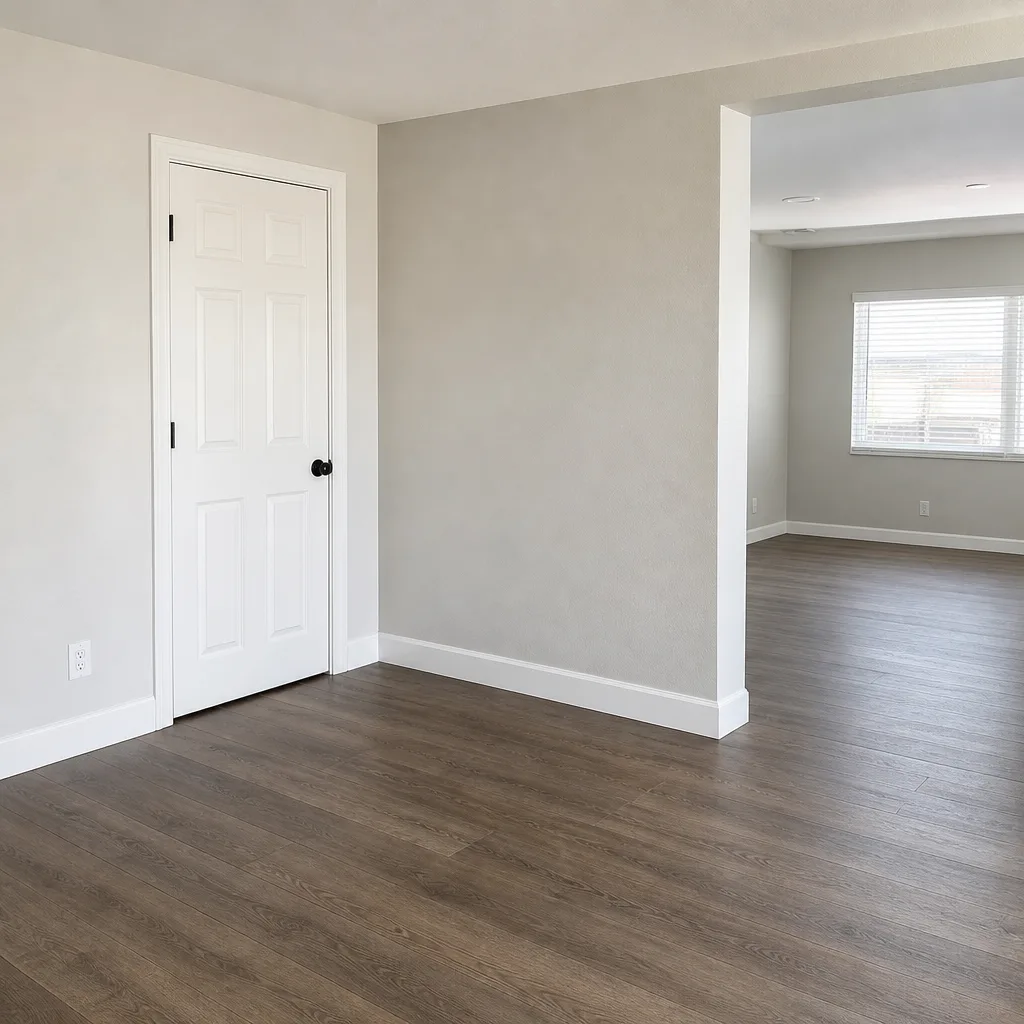 After
After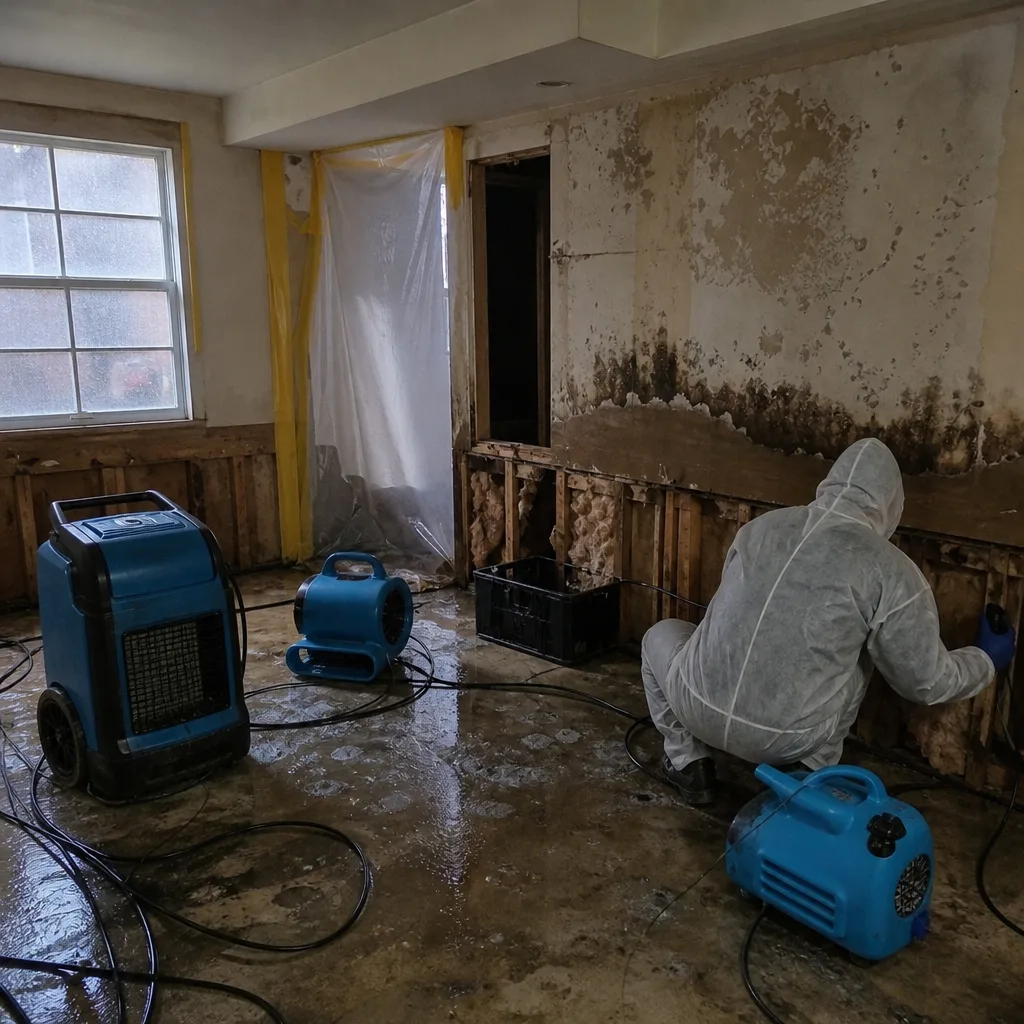 Before
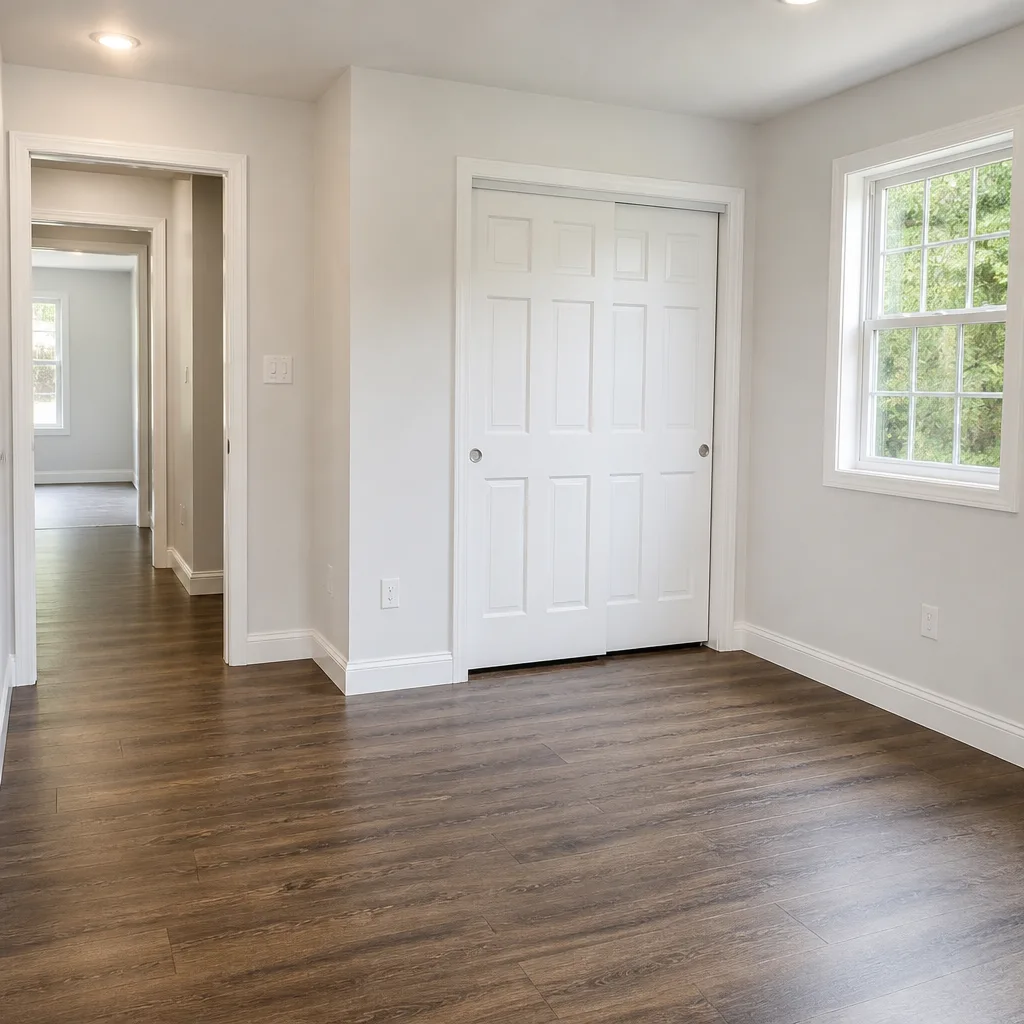 After
AfterFire and Smoke Damage Cleanup Steps
After a fire, your first instinct is to start cleaning. That instinct, understandable as it is, can spread soot deeper into porous surfaces, lock in odors permanently, and disturb materials that need to be documented before anything is touched. The right cleanup sequence – started in the right order, with the right equipment – is what separates a full recovery from a house that still smells like smoke two years later.
Fire damage is not one problem. It is four or five problems happening at the same time: char and structural damage from the heat, soot particles embedding into drywall and upholstery, acidic smoke residue eating away at metal and paint, water damage from firefighting efforts, and airborne particulates that are genuinely hazardous to breathe. A trained restoration technician works through these layers in a specific order, because doing step three before step one undoes step one. This page walks you through what that sequence looks like and what your local Wendell Water Damage Restoration team does when they arrive.
What’s Happening
Fire and smoke damage requires a structured, staged cleanup – not general cleaning – because smoke residue is acidic, soot is fine enough to re-suspend in air when disturbed, and moisture from firefighting creates a secondary mold risk within 24 to 48 hours. Every hour after a fire, soot continues to etch metal fixtures, stain porous surfaces deeper, and bond more tightly to walls and ceilings. The faster a professional assessment begins, the more of your home’s contents and finishes can be saved.
What most people do not expect is how far the damage travels. Smoke moves through HVAC systems, gets into closets two rooms away from the fire, and settles into soft materials – carpet, curtains, insulation – that look fine at a glance. The visible burn zone is almost never the full extent of the damage. A proper scope covers the whole structure, not just the room where the fire started, because missing the edges of the smoke plume is how odor problems persist for years.
Why It Happens
Incomplete Combustion and Soot Deposits
When materials burn without enough oxygen – which is most house fires – they produce wet, sticky soot rather than clean ash. This soot contains carbon particles, chemicals from synthetic materials, and acidic compounds that bond to any surface they land on. You can tell this type of residue is present when you see dark, greasy smears on walls and ceilings that smear further when you try to wipe them. Dry-cleaning soot with the wrong products sets it permanently.
Smoke Odor Locked Into Porous Materials
Smoke particles are small enough to penetrate drywall, wood framing, carpet padding, and fabric at a fiber level. Surface cleaning removes what you can see; it does not reach what is embedded inside. If a home still smells like smoke days after the visible soot has been wiped away, the odor source is inside porous materials and requires professional deodorization – typically hydroxyl generator treatment or thermal fogging, applied after the physical cleaning is done.
Water Damage from Fire Suppression
Firefighting leaves water behind – sometimes hundreds of gallons of it soaked into flooring, subfloor, insulation, and wall cavities. This moisture creates ideal conditions for mold growth within 24 to 48 hours. If you notice standing water, saturated carpet, or soft spots in drywall after a fire, the water problem needs to be addressed at the same time as the smoke damage, not afterward. Treating them separately almost always leads to a mold problem several weeks later.
HVAC Contamination
Your heating and cooling system runs during and after a fire and can pull smoke particles through the return air, depositing them throughout ductwork and then redistributing them to every room in the house every time the system runs. If rooms far from the fire origin smell smoky, or if you notice dark residue around vent covers, the HVAC system is part of the problem. Running the system before ductwork is inspected and cleaned makes the contamination worse and harder to clear.
What to Do Right Now
- Stop moving through the damaged area. Every footstep on soot-covered flooring grinds particles deeper into carpet and wood. Every person who walks through the space redistributes contaminated material. Limit access to what is necessary until a technician has documented the scene.
- Do not run the HVAC system. Turn it off at the thermostat now. Running it pulls soot-laden air through the ductwork and deposits contamination in rooms that were not directly affected by the fire.
- Photograph everything before touching it. Use your phone to document every room, every surface, and every damaged item from multiple angles. Your insurance claim depends on this documentation. Do not clean, move, or throw away anything until the adjuster or your restoration technician advises you to.
- Do not use household cleaners on soot. Liquid cleaners and wet cloths push dry soot into porous surfaces and can set stains and odors permanently. If you must wipe something, use a dry soot sponge – but in most cases, leaving surfaces untouched until a professional arrives gives you the best chance of salvaging them.
- If the structure was involved in the fire – roof, load-bearing walls, floor joists – do not re-enter until a structural assessment has been completed. Fire weakens structural elements in ways that are not always visible. This is a serious safety point, not a formality. If you have any doubt about whether the building is safe to enter, stay out and call.
How We Fix It
When your local Wendell Water Damage Restoration team arrives, the first thing a technician does is a full walk-through to map the extent of the damage – not just the burn zone, but the smoke migration path and any water intrusion from suppression efforts. Before a single piece of equipment comes off the truck, you get a written price. That is not a policy we sometimes follow; it is written into every job.
From there, the work moves in order: structural drying first if water is present, using professional equipment from Dri-Eaz, Phoenix, and XPOWER; then dry soot removal from ceilings and walls using IICRC-standard techniques; then chemical cleaning of salvageable surfaces; then deodorization using equipment and methods matched to the specific type of smoke residue present. Injectidry systems reach into wall cavities and structural voids that open-air drying cannot.
The services that resolve fire and smoke damage are Water Damage Restoration and Water Damage Repair working in combination – the water from firefighting and the smoke residue are treated as a single connected loss, not two separate jobs. Timeline depends on the extent of the damage, but the 365-Day Done Right Promise covers the repair: if it is not done right, we make it right, in writing, on every job. If something fails, the second visit is free.
Frequently Asked Questions
It cannot, and the reason is chemistry, not urgency theater. Soot residue is acidic. Within hours of a fire, it begins etching metal fixtures, pitting glass, and permanently staining painted surfaces. Within 24 to 48 hours, water left from firefighting creates conditions where mold can establish itself inside wall cavities. Every day of delay narrows the list of materials that can be saved. Call (940) 466-4354 now – a live person picks up every time, around the clock.
Your local Wendell team responds to fire and smoke damage calls as an active water and smoke emergency, not a scheduled appointment. When you call (940) 466-4354, a live person answers – not a voicemail, not a phone tree – and gets your information to the local team immediately. You will receive a live arrival time you can track to your door, not a vague window. Call now and we will tell you exactly when someone will be there.
Fire and smoke damage is one of the most commonly covered perils in a standard homeowner’s policy. Your local Wendell technician documents the damage with photos before and after work begins, which gives your adjuster the documentation they need to process your claim accurately. We work with your insurance process directly. The written price estimate we provide before work starts also serves as a formal scope for your claim.
For minor smoke exposure on hard, non-porous surfaces, cleaning is possible. For any fire where there is visible soot on walls and ceilings, odor in multiple rooms, moisture from suppression efforts, or damage to insulation and drywall, professional remediation is the practical answer. The reason is not upselling – it is that soot improperly cleaned spreads deeper, wet materials hidden inside walls grow mold, and odor that is not neutralized at the source comes back. A free written estimate costs you nothing and tells you exactly what you are dealing with. Call (940) 466-4354 to get one.
Get It Fixed
Call (940) 466-4354 right now – a live person answers every call, day or night. Your local Wendell Water Damage Restoration team will give you a real arrival time you can track, document everything in photos, and put the full price in writing before any work begins. Book online or call – we are ready when you are.
Written by Blake Sorensen, Owner and Lead Restoration Technician at Wendell Water Damage Restoration, part of the Relay Home Co. family, serving communities nationwide since 2006.
What Our Customers Say
"Estimate was in the app with photos. Final bill matched."
- Beth A."Ceiling repaired, painted, and matched. The patch around the old water stain is invisible after painting."
- Clara T."Respectful crew, daily updates, and no surprises."
- Yasmin O.