
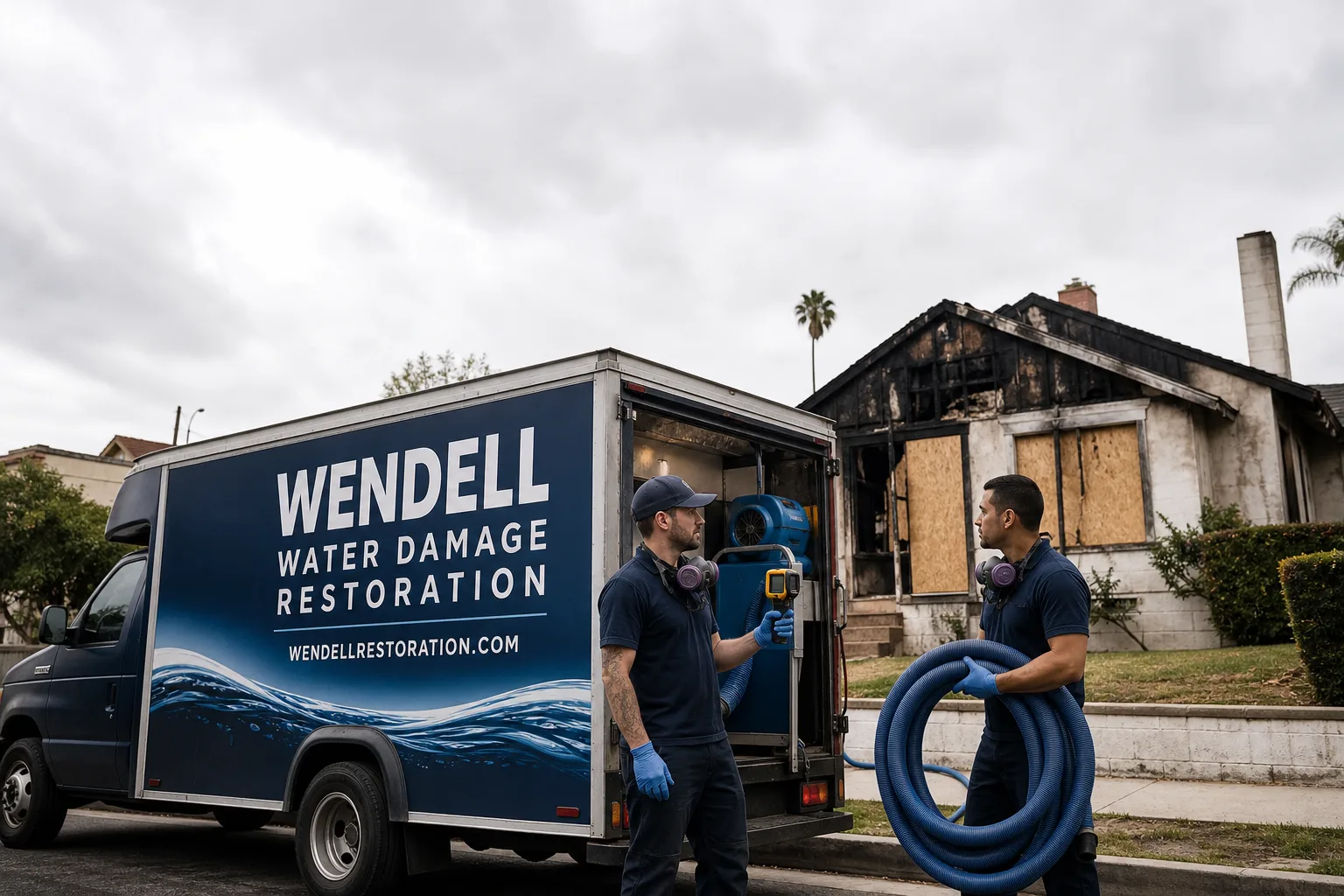
Free visual inspection and a written scope of work before any mitigation begins - photos, moisture readings, and drying logs go in your claim file
The scope we write is the scope we bill. Anything new gets shown to you, in writing, before we touch it.
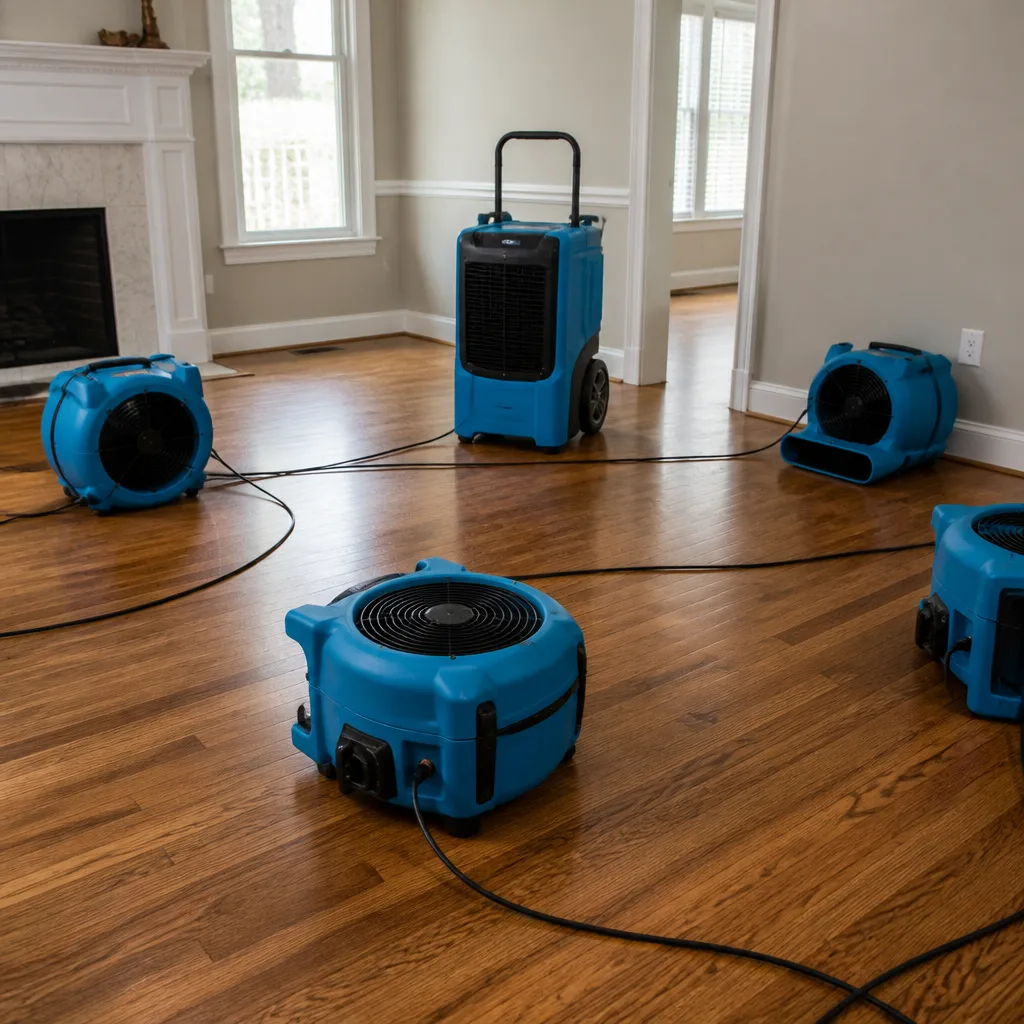

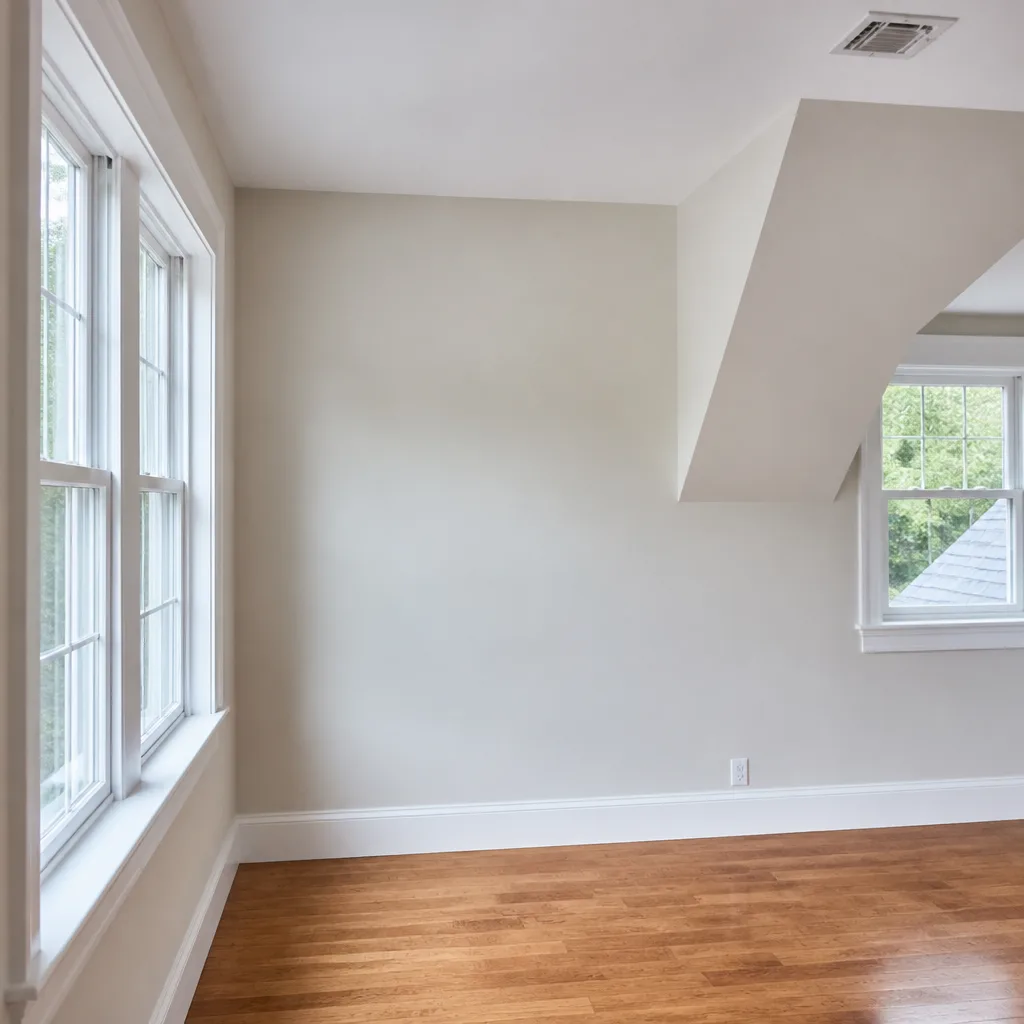


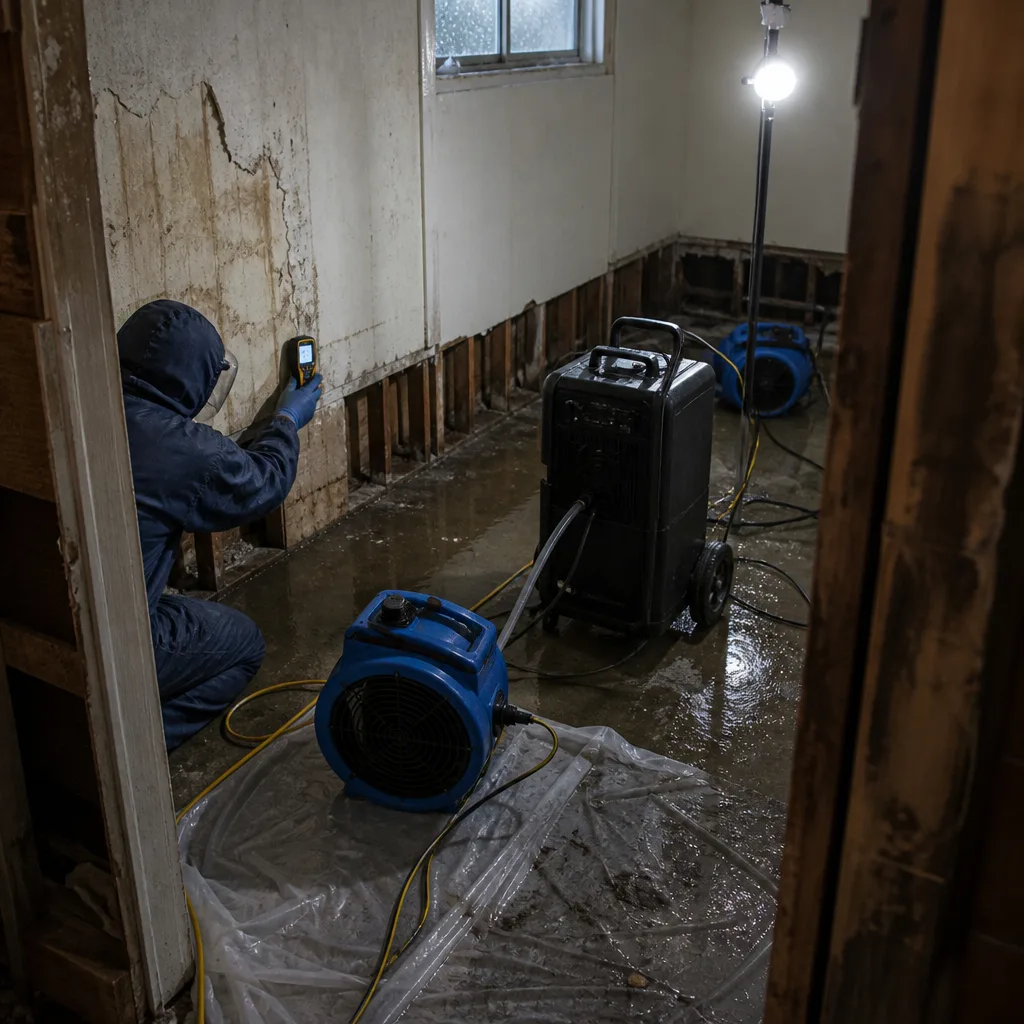 Before
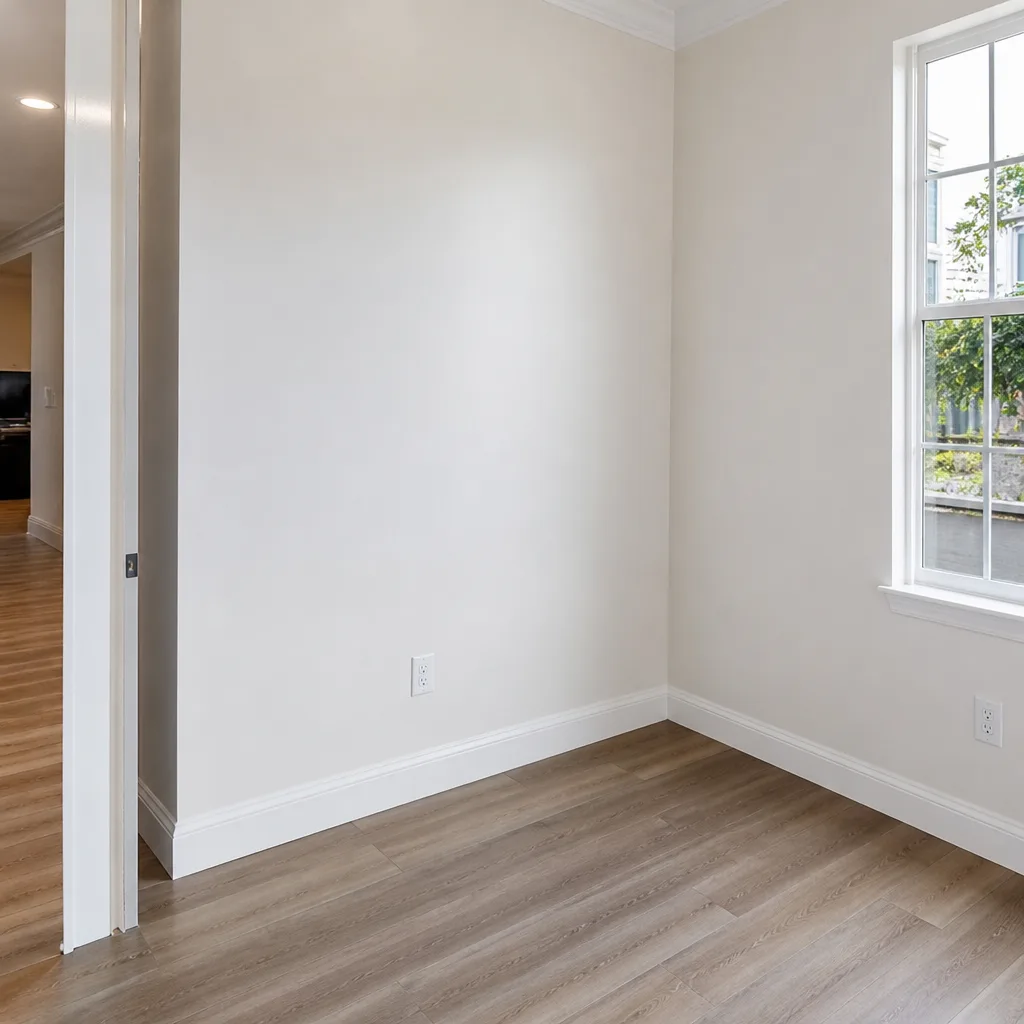 After
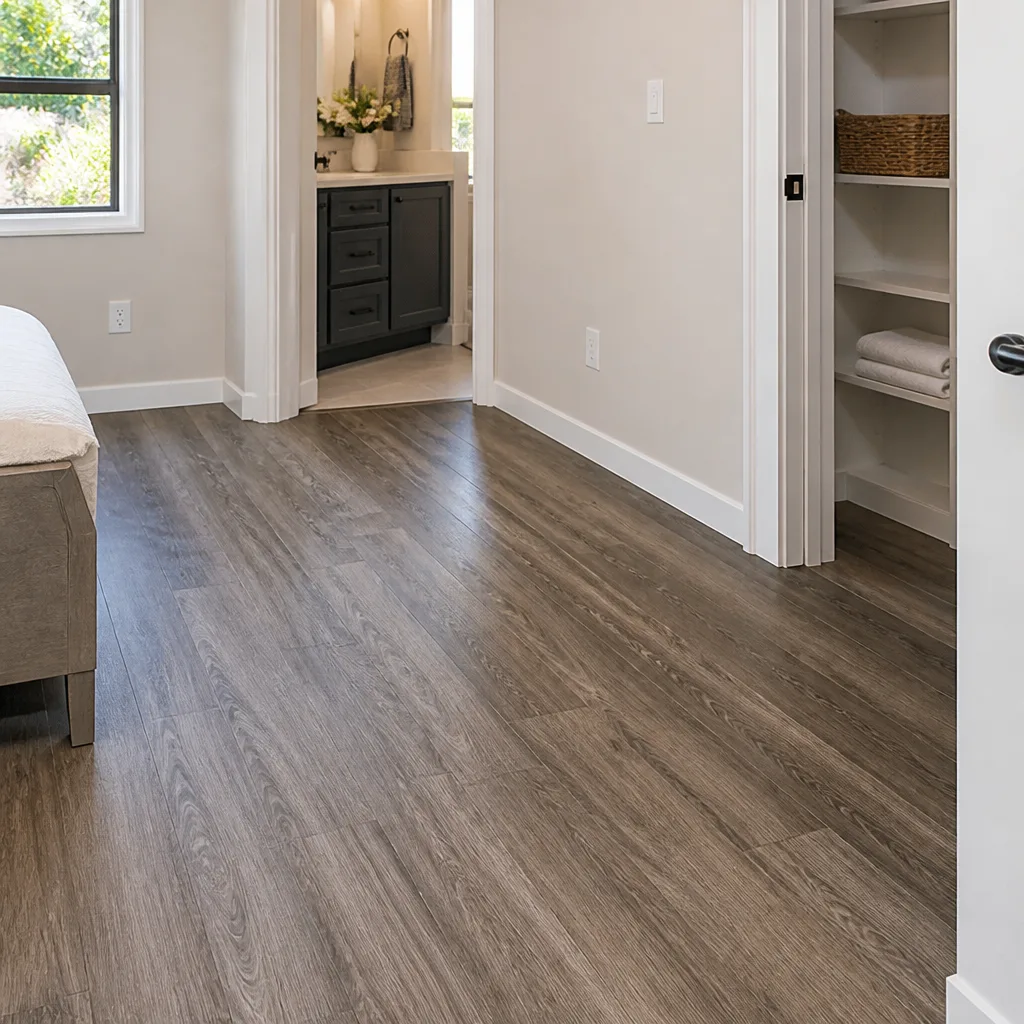
After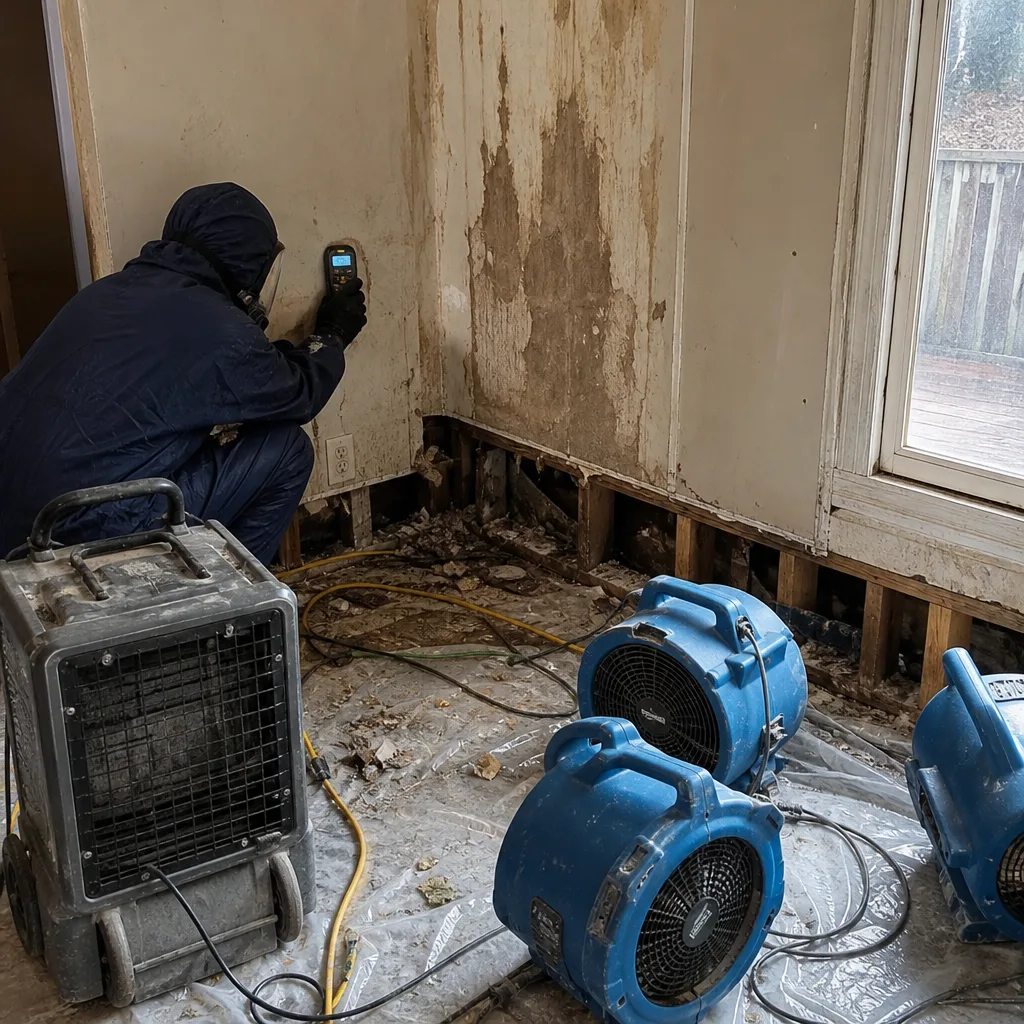 Before
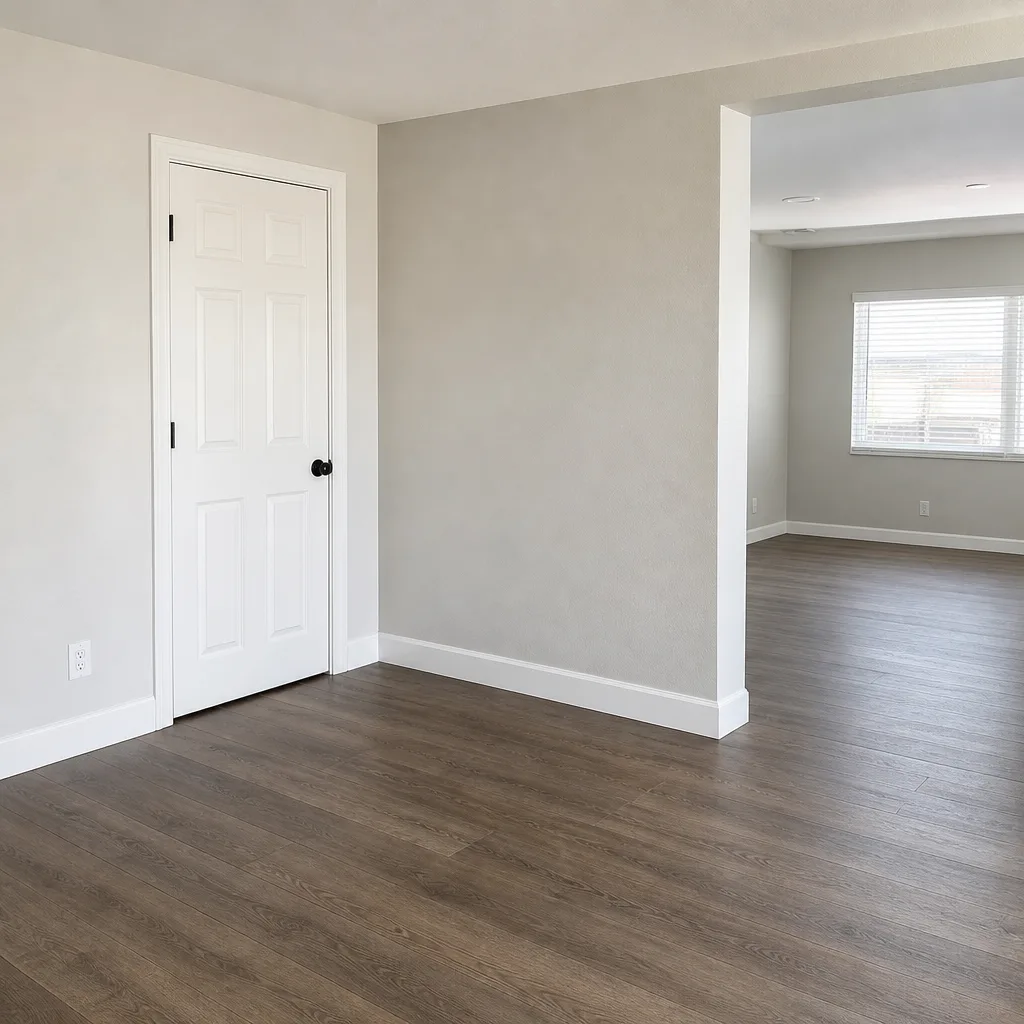 After
After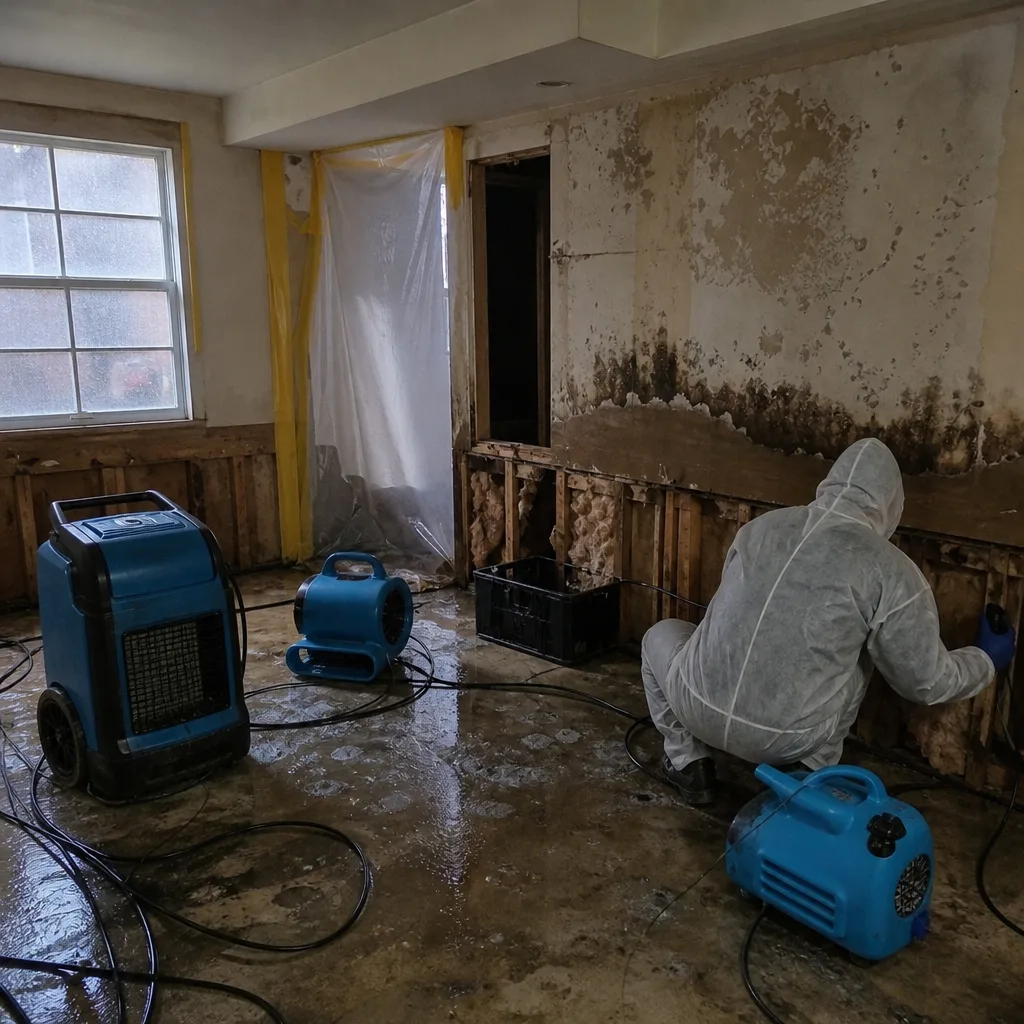 Before
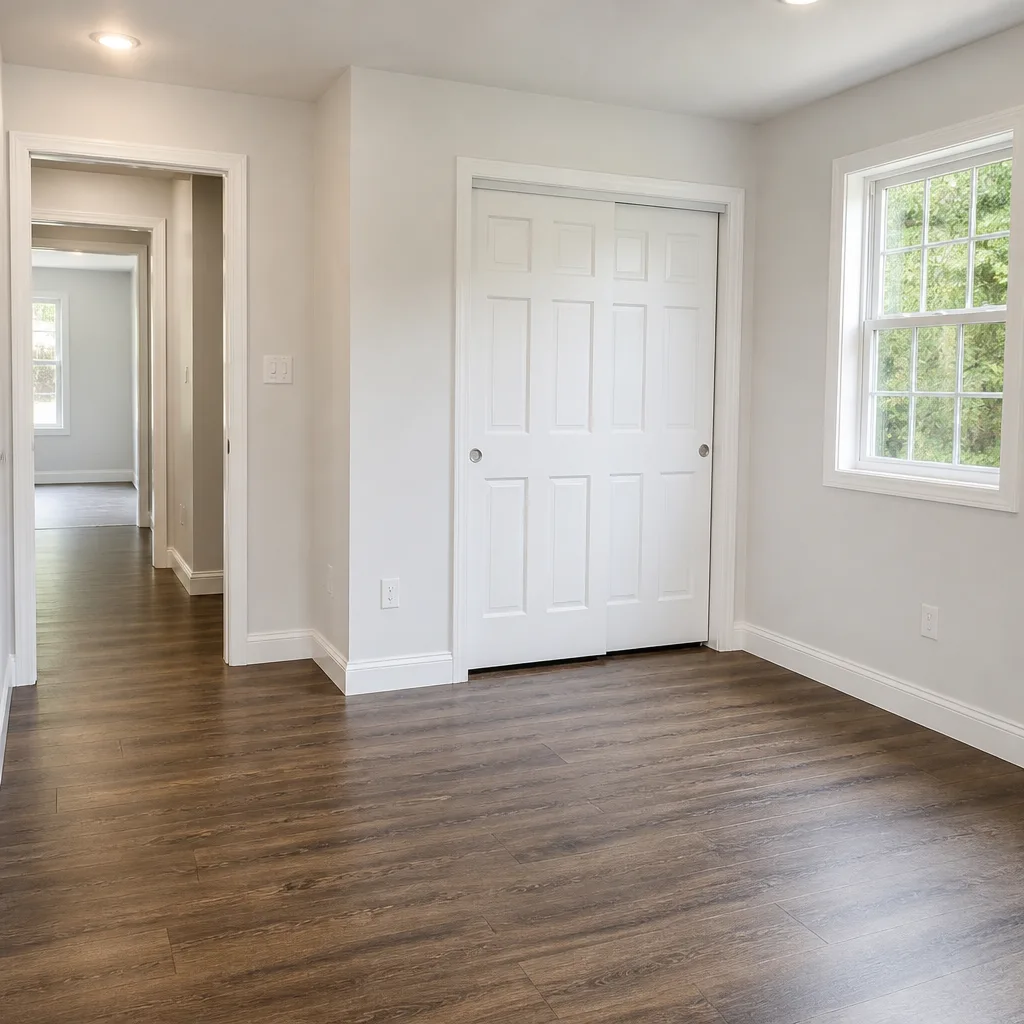 After
AfterDoes Insurance Cover Water Damage?
Whether your homeowner’s policy pays for water damage depends almost entirely on the source of the water, not the amount of damage. Sudden, accidental events – a burst pipe, an appliance that fails overnight, a storm that pushes water through a roof – are almost always covered. Water that seeped in slowly over weeks or months, or damage caused by a maintenance problem you could have fixed, typically is not.
That distinction matters before you call your insurer, before you touch anything, and before anyone starts pulling drywall. Insurance adjusters are trained to ask one question above everything else: was this sudden and accidental, or was it gradual and preventable? If you can show it was sudden, your odds are good. If the damage looks like it built up over time, the claim gets harder – even if you had no idea the problem existed. The steps below will help you understand which situation you’re in and what to do next.
What’s Happening
You’re looking at water damage and wondering if your policy will pay for it. In most cases, homeowner’s insurance covers sudden and accidental water damage – a pipe that burst, a washer hose that failed, rain that got in through a roof damaged by a storm. It does not cover flooding from outside (that’s a separate flood policy), nor does it cover damage that built up slowly because of deferred maintenance.
The reason this matters right now: the actions you take in the next hour can directly affect how your claim is evaluated. A photo taken before anything is moved can be the difference between an approved claim and a dispute. An untouched scene gives an adjuster – or a restoration company that works with adjusters – the best possible picture of what happened and when. Stopping the water source, photographing everything, and calling a restoration team that documents the damage professionally puts you in the strongest possible position.
Why It Happens
Burst or Failed Supply Lines
A supply line is the small hose connecting your wall plumbing to a toilet, sink, washing machine, or refrigerator ice maker. These lines – especially braided plastic ones older than seven or eight years – can fail without warning. You’ll usually find pooled water near the appliance, a wet cabinet floor under a sink, or in severe cases, water running freely across the floor. This type of damage is almost always classified as sudden and accidental, which is the language adjusters want to see in a covered claim.
Appliance Failures
Dishwashers, water heaters, and washing machines fail in ways that release a lot of water fast. A water heater that cracks at the tank releases tens of gallons in minutes; a dishwasher door seal that gives out mid-cycle soaks the floor and the subfloor below it. If the appliance itself was working normally and failed without warning, coverage is generally favorable. If the appliance was clearly old, corroded, or had been leaking in small amounts for a long time, an adjuster may argue the damage was gradual – which is why acting quickly and documenting everything matters.
Storm and Roof Damage
When a storm damages a roof – a tree limb punches through, high winds lift shingles – and rain gets into the structure through that opening, most standard homeowner’s policies cover the resulting water damage. The key word is “through” – rain coming in through storm-created damage is different from rain pooling outside and seeping into a basement or crawl space through normal ground contact. If water came in from above after a storm, take exterior photos of the roof and the opening before anything is patched or tarped.
Overflow and Backup Events
A toilet that overflows, a tub left running, a sump pump that fails during a heavy rain, or a drain that backs up can all cause significant damage quickly. Standard homeowner’s insurance may cover some of these and exclude others – sewer or drain backup, for instance, is often only covered if you added a specific rider to your policy. Knowing which type of overflow you have helps determine which parts of your claim are likely to be approved, so note the source clearly when you photograph it.
What to Do Right Now
- Stop the water source first. Find the shutoff valve for the affected fixture or appliance and turn it off. If you can’t locate it, shut off the main water supply to the house. Getting the water stopped is the single most important thing you can do in the first five minutes.
- Photograph everything before you move a single object. Walk through the affected area and take photos and video of standing water, wet surfaces, damaged materials, and the source of the water. Get close-up shots of the failure point – the cracked pipe, the split hose, the damaged roof section. Timestamps on phone photos are read by adjusters; don’t skip this step.
- Do not use electrical switches or outlets in wet areas. If water has reached electrical outlets, panel boxes, or subfloor wiring, stay out of that area entirely and do not flip switches. Water and active electrical current in the same space is a serious safety hazard. Call a restoration team and let them assess before anyone re-enters that zone.
- Note and save everything related to the damage source. If an appliance failed, don’t throw it away or move it to the curb yet – the failed component may be inspected as part of the claims process. Keep the broken hose, the cracked fitting, or any visible cause of the event right where it is until the adjuster or restoration team has seen it.
- Call a restoration company that works with adjusters directly. A professional team documents damage with photos, moisture readings, and written reports that are formatted the way insurance companies expect to receive them. This step protects your claim and gets the drying process started before secondary damage – mold growth typically begins within 24 to 48 hours in wet conditions – makes the situation worse and more expensive.
How We Fix It
When your local Wendell Water Damage Restoration team arrives, the first thing a technician does is walk the full loss area with a moisture meter and a thermal camera – not just the visible wet spots, but the walls, subfloor, and cavities where water migrates and hides. That inspection produces a written damage assessment, and the price for remediation is put in writing before any equipment is staged or any material is removed. You see the number before anything starts. That’s not a policy we bend on.
From there, professional drying equipment from Dri-Eaz, Phoenix, XPOWER, B-Air, and Injectidry gets deployed according to IICRC, RIA, and IFA standards. The placement and quantity of air movers and dehumidifiers isn’t guesswork – it’s calculated from the moisture readings and the material types in the space. Daily monitoring tracks whether the drying curve is on target. The work is photo-documented throughout, which matters for your insurance file as much as it matters for the job itself.
The services involved are Water Damage Restoration and, where materials were saturated long enough to trigger biological growth, Mold Remediation. Most residential water damage jobs reach dry standard within three to five days, with structural repair – Water Damage Repair – scoped and scheduled once the space is confirmed dry. Every repair is covered by the 365-Day Done Right Promise: if it’s not done right, we make it right, in writing, on every job.
Frequently Asked Questions
No – homeowner’s insurance covers sudden and accidental water damage, but it does not automatically cover all water-related losses. Flooding from outside the home requires a separate flood policy, and damage caused by gradual leaks or deferred maintenance is typically excluded. Sewage or drain backup is only covered if you added that specific rider. When in doubt, call your insurer to ask which endorsements are on your current policy – and call a restoration team to document what happened before anything is disturbed.
It needs to be dealt with today. Mold growth can begin within 24 to 48 hours in wet building materials, and hidden moisture inside walls and under floors continues to cause structural damage even after the visible water is gone. The longer drying is delayed, the more material typically has to be removed and replaced – which increases the repair scope and can complicate an insurance claim. Call (940) 466-4354 now and get a team moving.
Yes – a live person answers at (940) 466-4354 every hour of every day, and your local Wendell team can be dispatched to start the moisture assessment and photo documentation right away. The damage report a restoration technician produces – with moisture readings, thermal images, and a written scope – is the kind of documentation insurance adjusters work with. Getting that report started today protects your claim and starts the drying clock before the damage compounds. Call (940) 466-4354 and we’ll get someone on the way.
Every job gets a written price before any work starts – no estimates given over the phone with numbers that change once we’re inside. What insurance covers depends on your specific policy and the cause of the damage, and that’s a conversation best had with your adjuster once the scope is documented. What we can tell you is that the price you see in writing before we begin is the price you pay, and the restoration work we document gives your claim the strongest possible foundation. Call (940) 466-4354 – the written estimate is free.
Get It Fixed
Water damage is one of those things that gets more expensive the longer it sits. Your local Wendell Water Damage Restoration team answers at (940) 466-4354, around the clock, every day of the year. Call now or book online – we’ll get someone to you with a live arrival time you can track, a written price before anything starts, and photo documentation your insurance company can actually use.
Written by Blake Sorensen, Owner and Lead Restoration Technician at Wendell Water Damage Restoration, part of the Relay Home Co. family since 2006.
What Our Customers Say
"Estimate was in the app with photos. Final bill matched."
- Beth A."Ceiling repaired, painted, and matched. The patch around the old water stain is invisible after painting."
- Clara T."Respectful crew, daily updates, and no surprises."
- Yasmin O.