
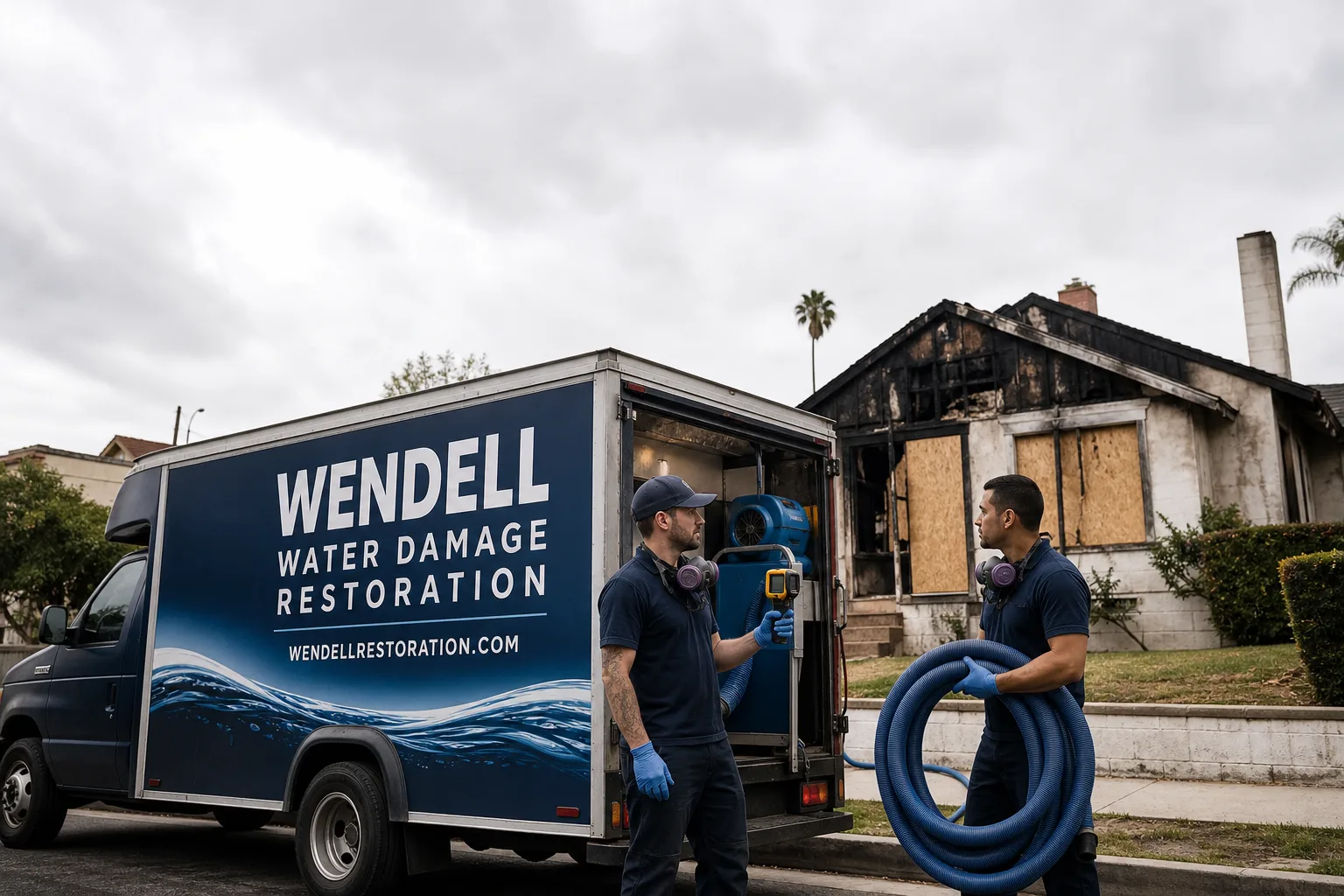
Free visual inspection and a written scope of work before any mitigation begins - photos, moisture readings, and drying logs go in your claim file
The scope we write is the scope we bill. Anything new gets shown to you, in writing, before we touch it.
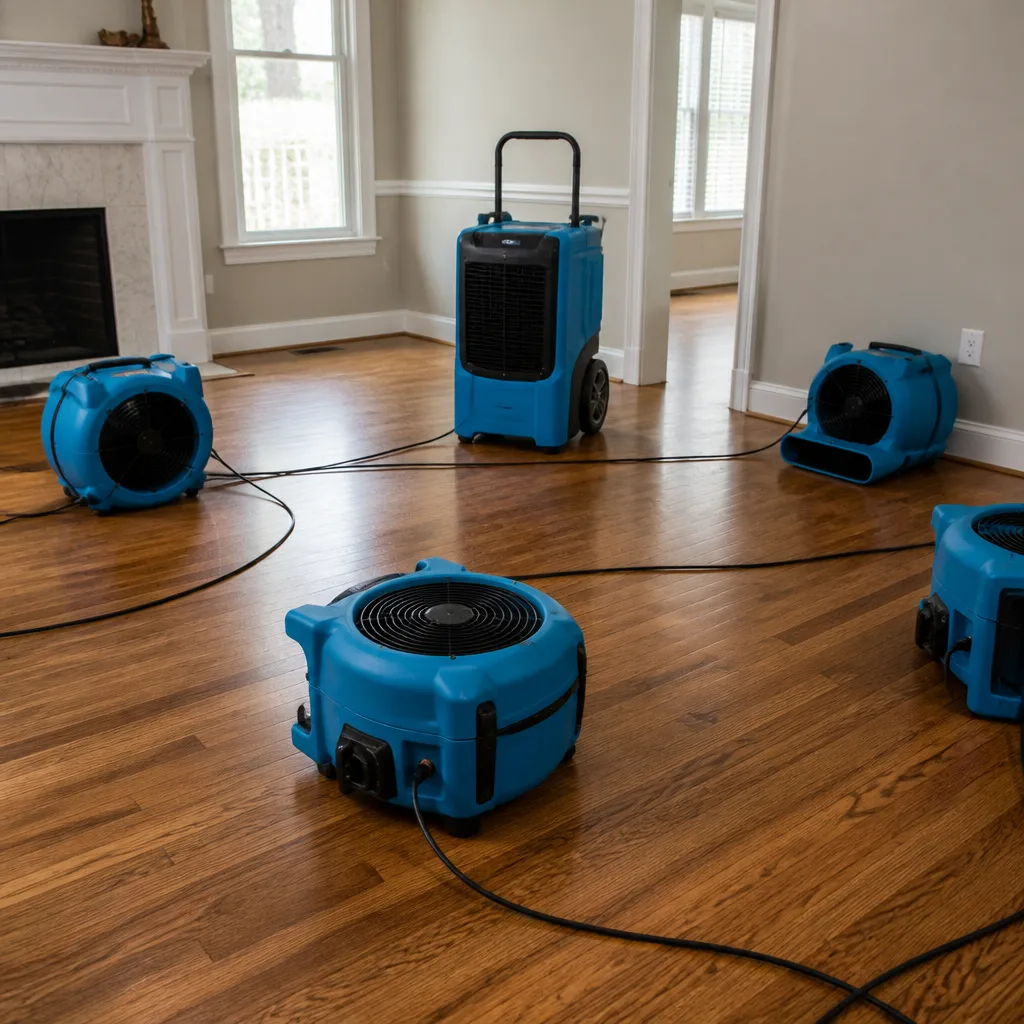
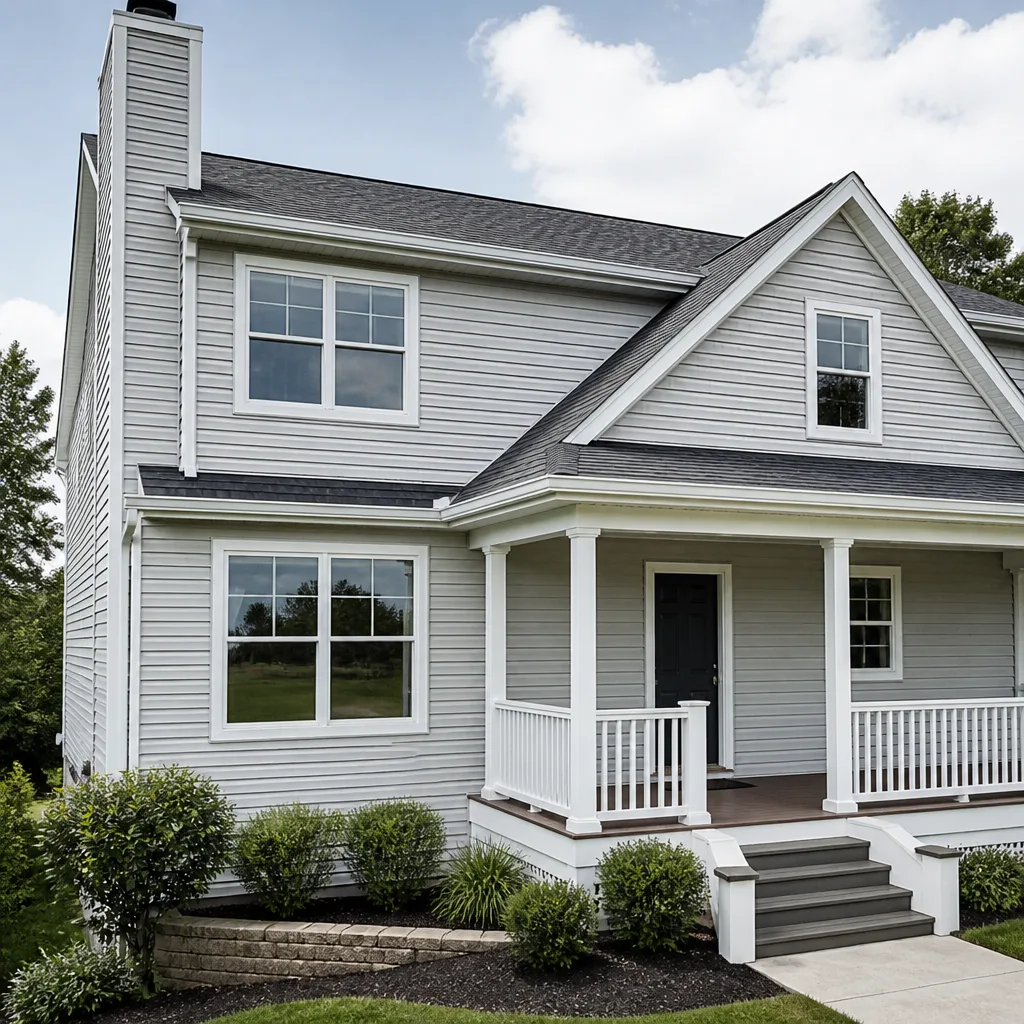
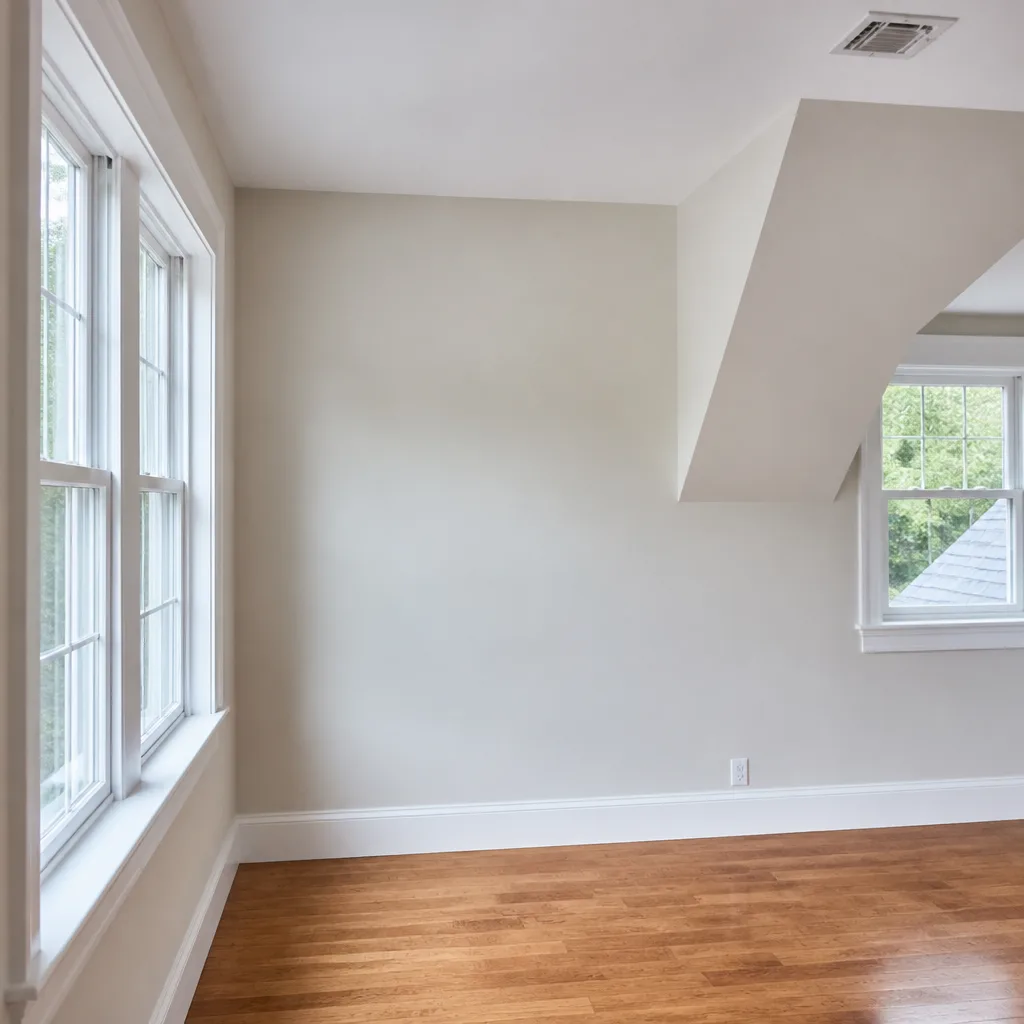
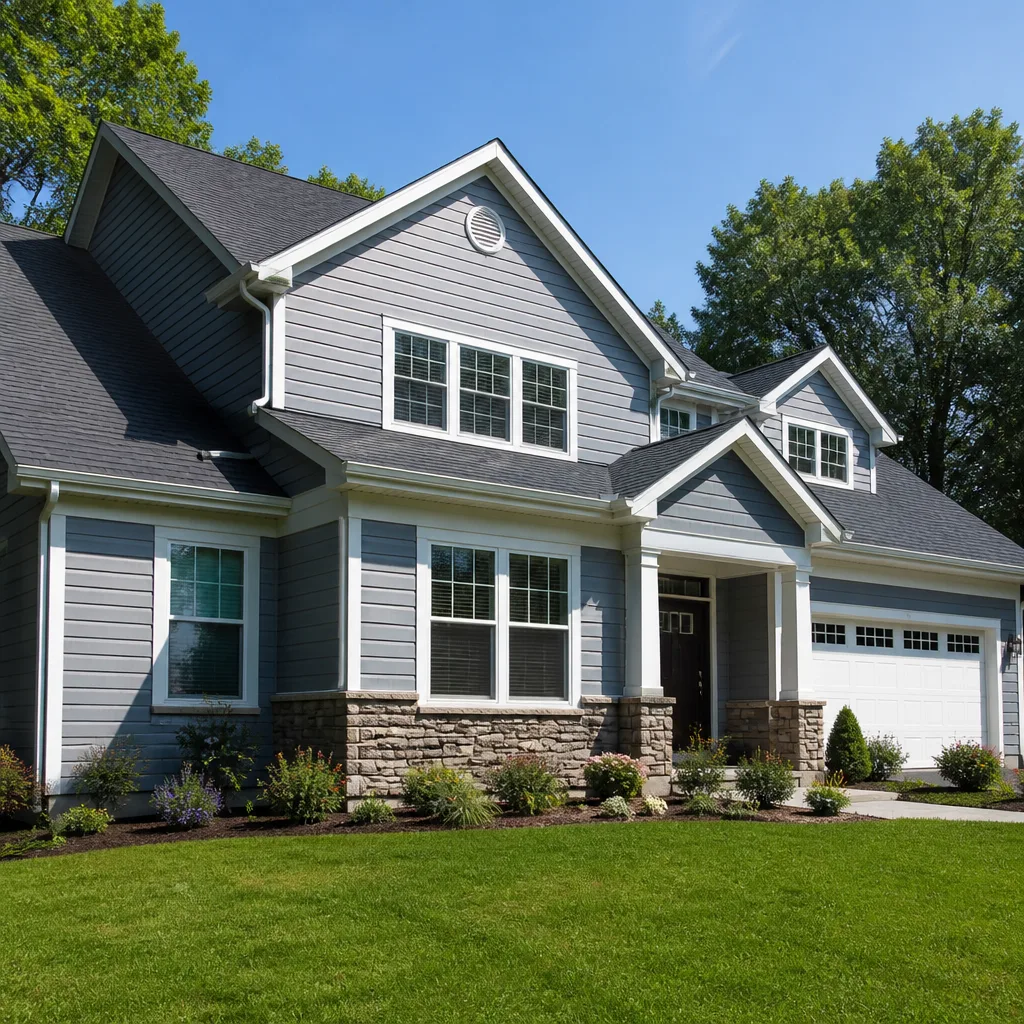
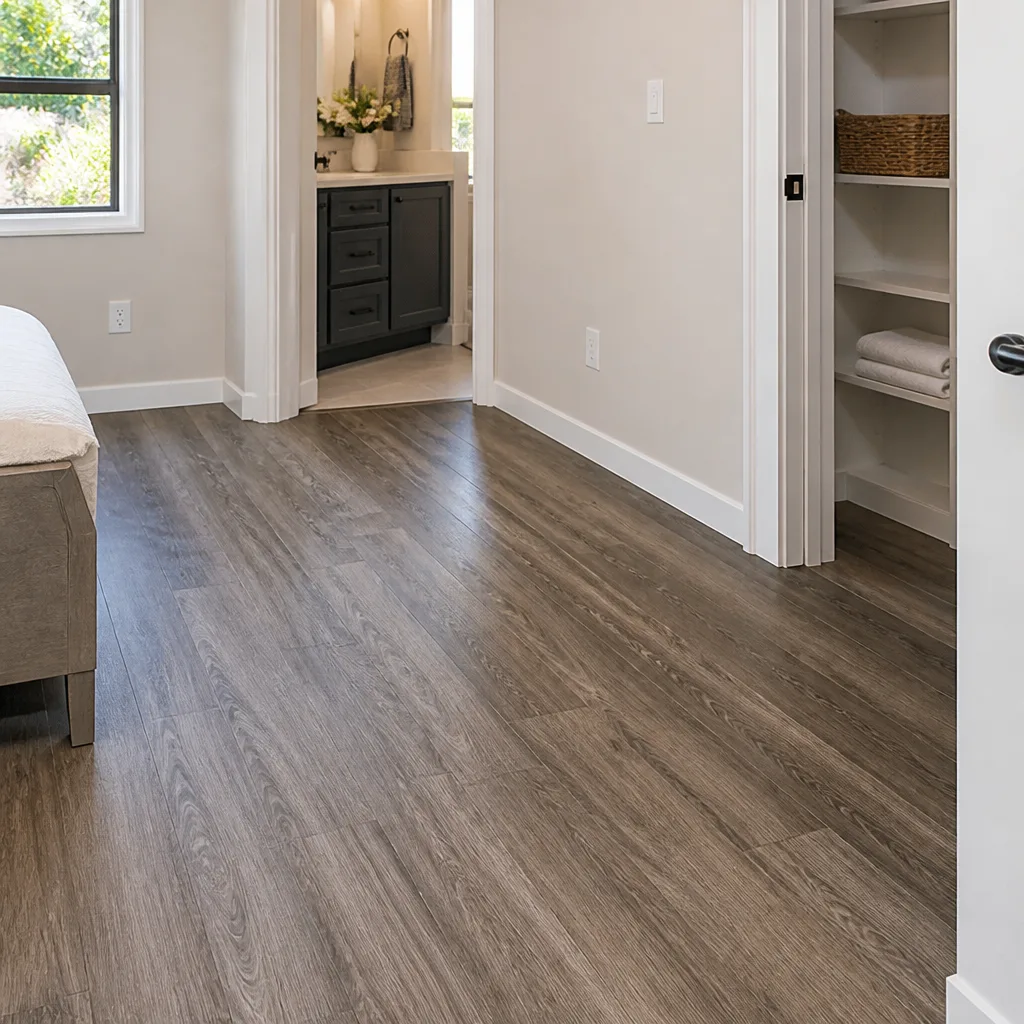
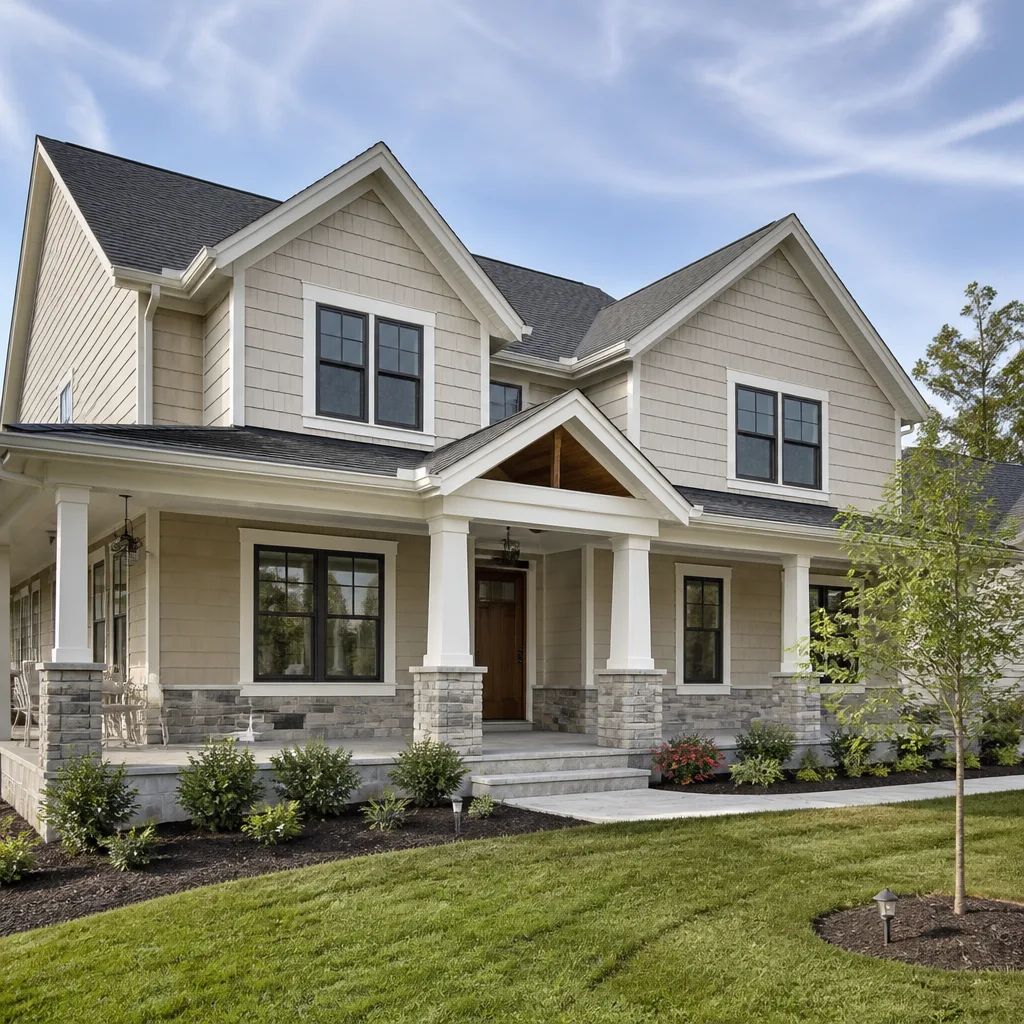
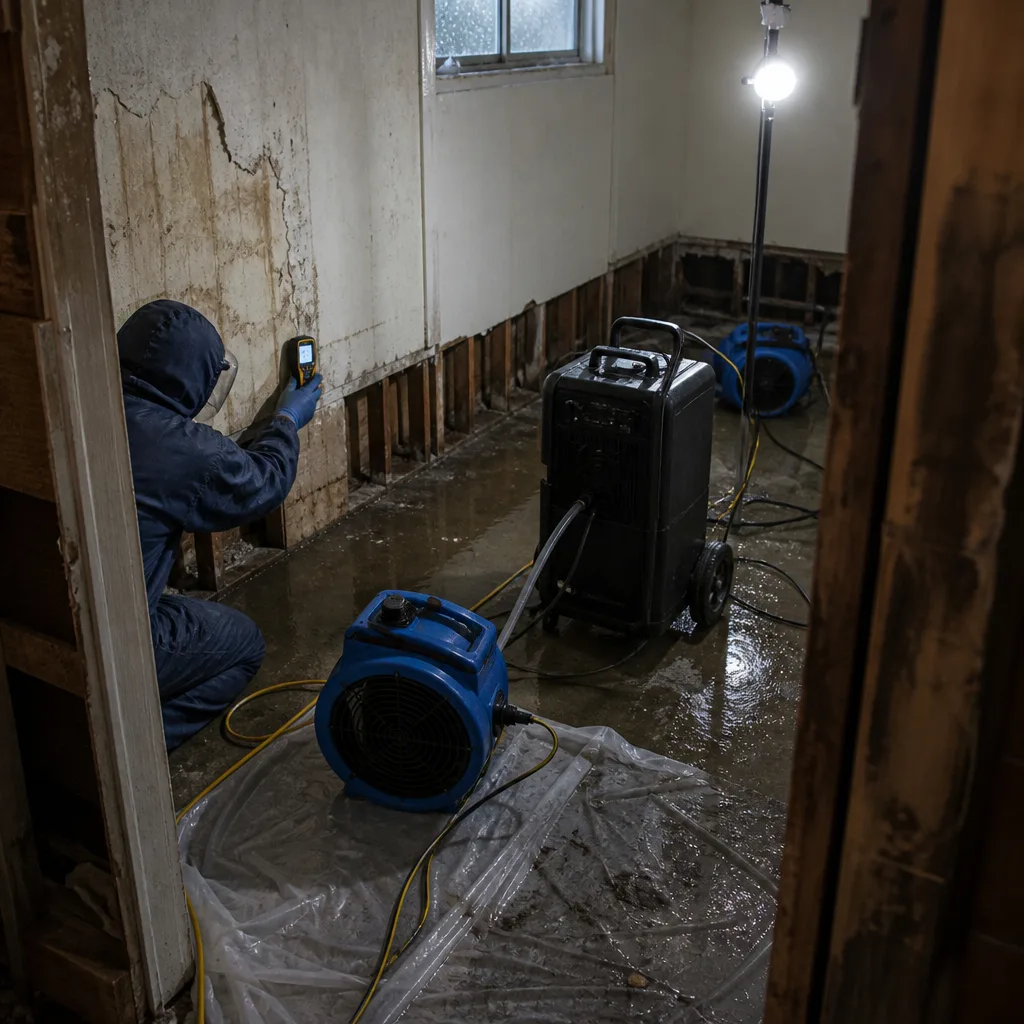 Before
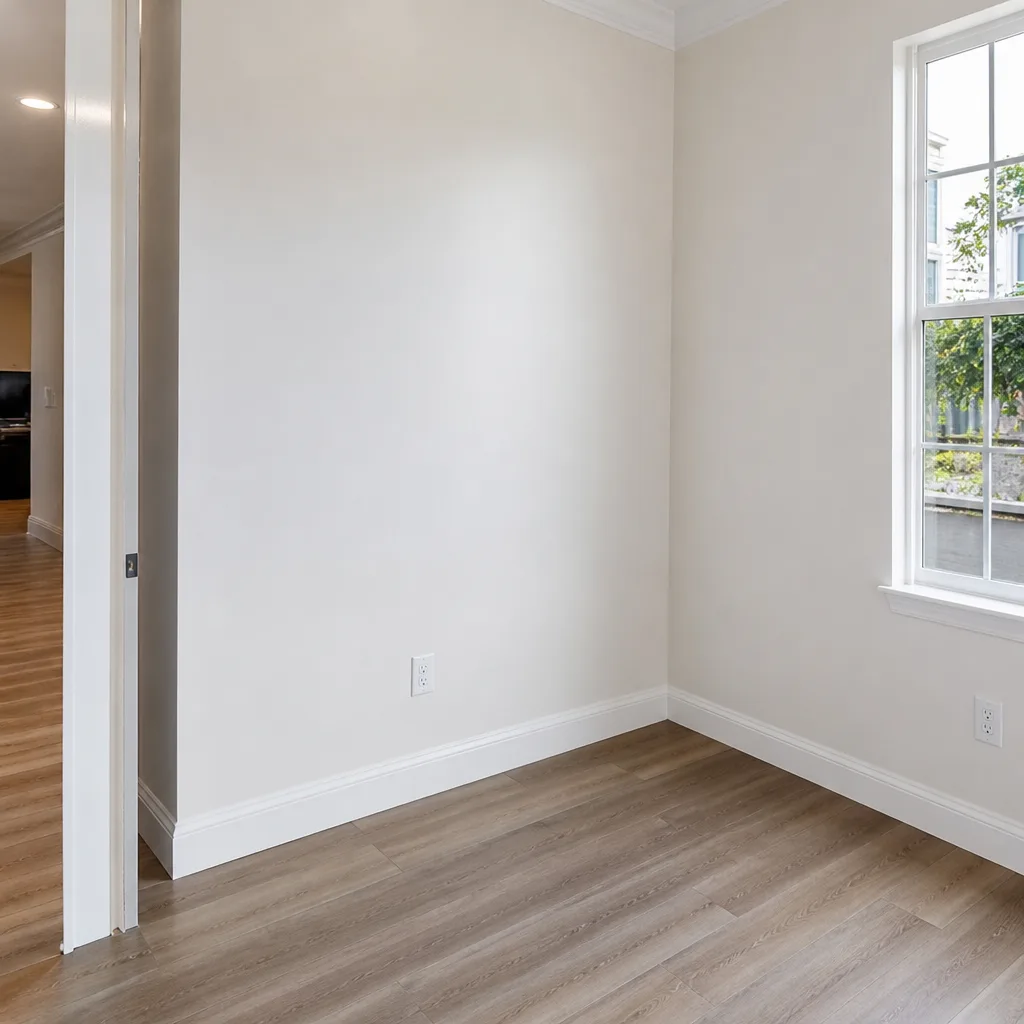 After
After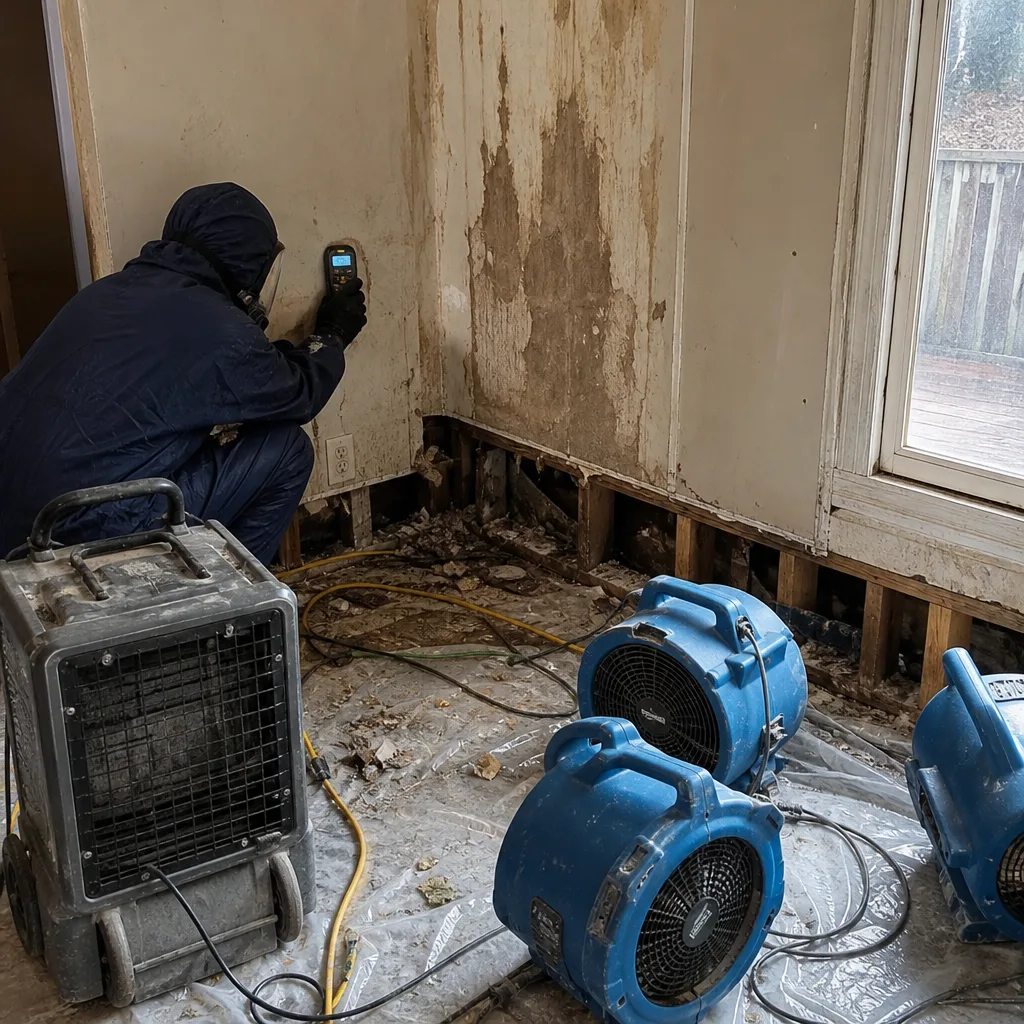 Before
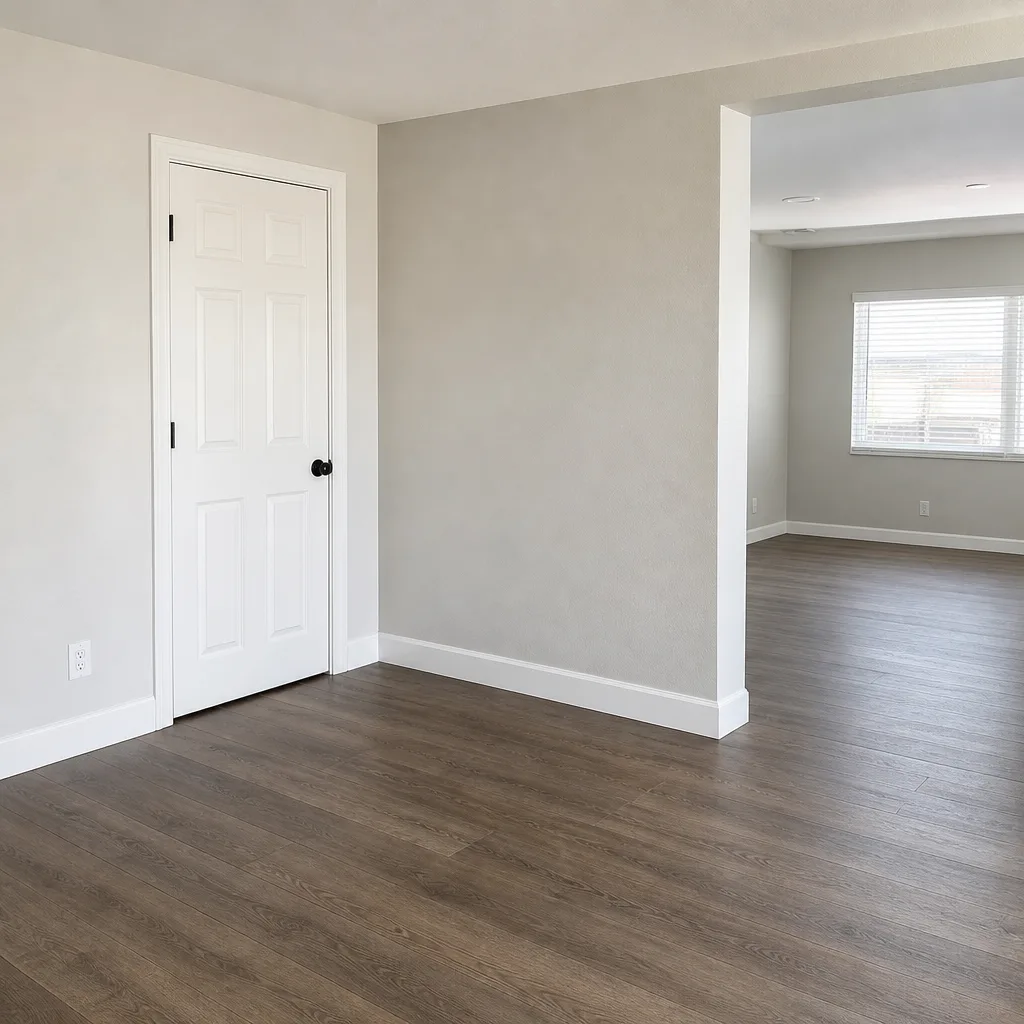 After
After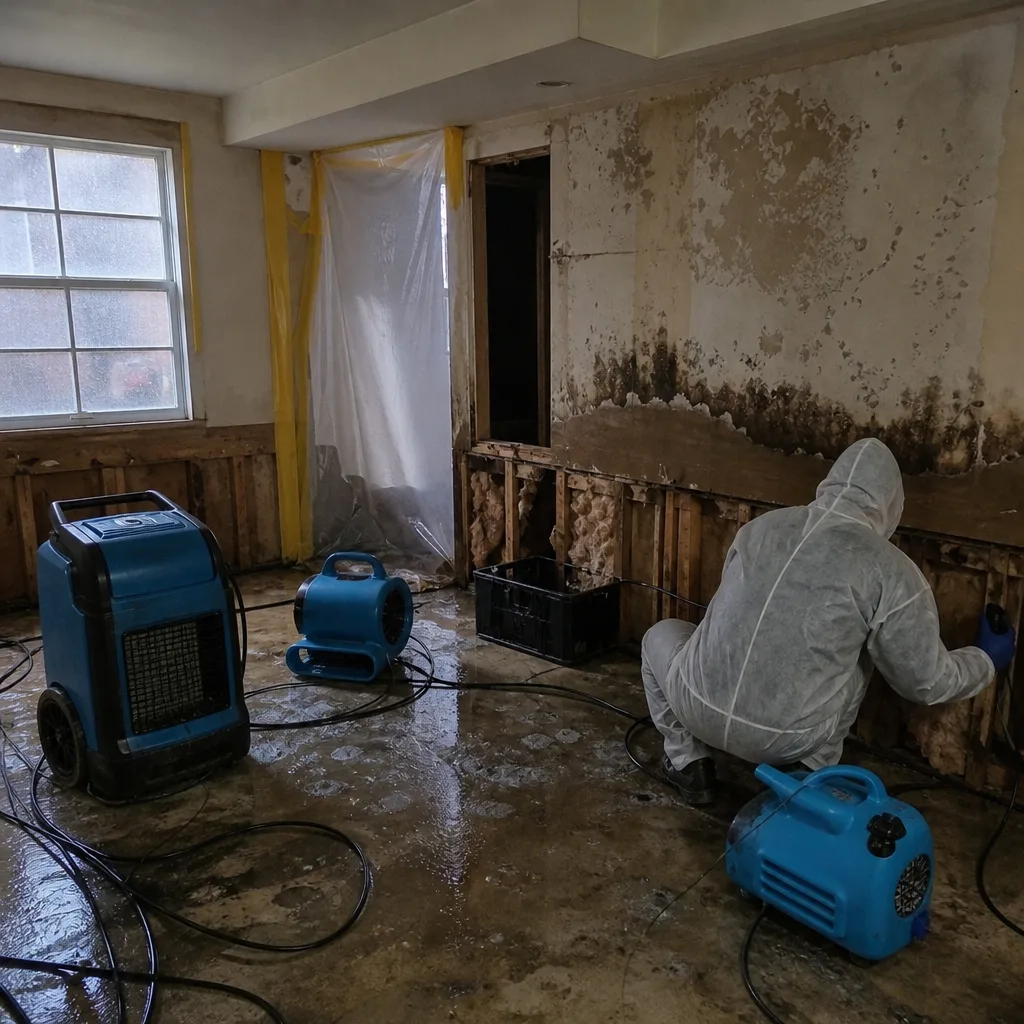 Before
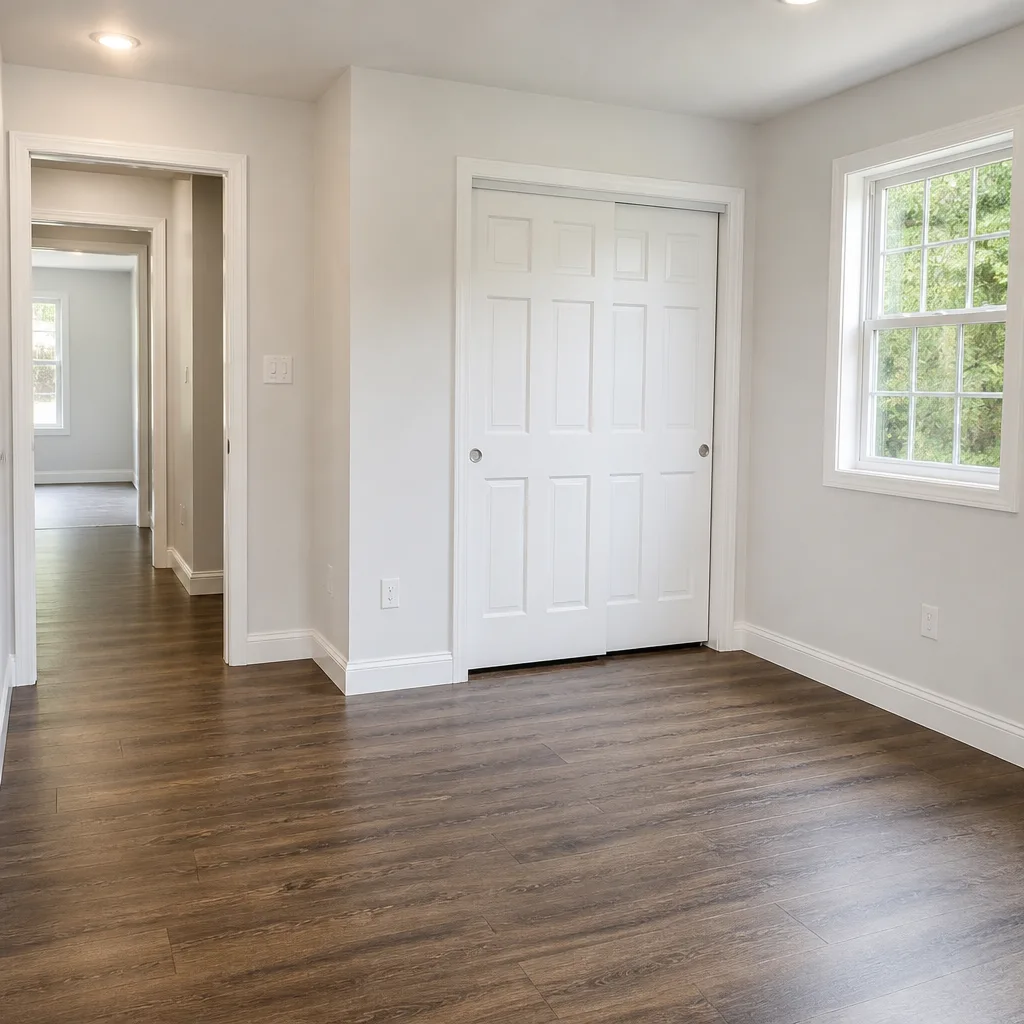 After
AfterHow Much Does Damage Restoration Cost in San Diego?
Damage restoration in San Diego typically costs $1,300 to $6,500 for most homeowner insurance claims, with the average single-family job landing near $3,200. A small contained water loss (a supply line to one bathroom) often runs $900 to $1,800, while a full Category 3 sewage backup with cabinetry removal can reach $9,000 to $15,000+. Mold remediation in a San Diego home usually falls between $1,500 and $7,000 depending on square footage and how deep the growth has spread.
We’re Wendell Water Damage Restoration, part of the Relay Home Co. family founded in 2006. We put the price in writing before any work starts and text you a digital invoice you can pay from the link, so the number on the screen is the number you pay. If you’re dealing with water right now, call (940) 466-4354 and a live person will pick up, any hour.
Damage Restoration Cost Breakdown (2026)
Here’s what San Diego homeowners actually pay across the common categories we see, from North Park bungalows to Carmel Valley two-stories. These ranges reflect real 2026 pricing in San Diego County, not a national average that ignores our market.
| Service | Typical Range | What Drives the Number |
|---|---|---|
| Emergency water extraction (1-2 rooms) | $650 – $1,600 | Category of water, flooring type, how long it sat |
| Structural drying (psychrometric drying setup) | $1,200 – $3,400 | Number of days, square footage, equipment count |
| Mold remediation (under 100 sq ft) | $1,500 – $2,900 | Containment build, air scrubbing, antimicrobial treatment |
| Mold remediation (100-300 sq ft) | $2,900 – $7,000 | Wall/ceiling removal, HVAC contamination, rebuild scope |
| Sewage backup cleanup (Category 3) | $3,500 – $9,000 | Contaminated materials removal, disinfection, disposals |
| Drywall cut & replace | $3.50 – $7 per sq ft | Height of cut, texture match, paint prep |
| Hardwood floor removal & replacement | $8 – $18 per sq ft | Species, refinish vs. replace, subfloor condition |
| Cabinet removal & reset (kitchen) | $900 – $4,200 | Custom vs. stock, toe-kick damage, count of boxes |
| Post-job moisture verification & documentation | Included | We meter every room and text before/after photos |
What pushes a bill up: water that’s been sitting more than 24-48 hours and has crossed into Category 2 or Category 3 (contaminated), a slow leak behind cabinetry that went unnoticed until mold set in, and older homes in neighborhoods like Golden Hill or Normal Heights where original 1920s plumbing and plaster walls slow down drying. What keeps it down: fast response, drywall rather than plaster, and a loss confined to one room with a clear source.
What Affects Damage Restoration Pricing in San Diego
Pricing here looks different than it does in Phoenix or Denver, and it’s worth understanding why before you compare quotes.
- Coastal humidity. Homes in Mission Beach, Pacific Beach, and Ocean Beach hold ambient moisture that makes structural drying run an extra day or two. Wet air slows evaporation, so equipment runs longer, and that shows up on the invoice.
- June Gloom and marine layer. From May through August, the coast can sit under a gray blanket for weeks. Drying equipment has to work against higher relative humidity, and we track it with psychrometric drying (reading the air’s moisture level so we know when your home is truly dry, not just surface-dry).
- Age of the housing stock. San Diego has a lot of pre-1950 bungalows and post-war tracts. Older homes mean galvanized or polybutylene supply lines, cast iron drains, and plaster that releases water slowly. All three change the scope.
- Slab-on-grade construction. Much of inland San Diego County is built on slab. When water wicks under a slab, extraction is limited and drying takes longer because there’s no crawlspace to vent.
- Water category. Clean supply-line water (Category 1) is the cheapest to handle. Gray water from a washing machine or dishwasher is Category 2. Sewage or rising groundwater is Category 3, and Category 3 requires removal of porous materials, antimicrobial treatment, and disposal. That’s where costs climb fastest.
- Mold timeline. Mold can colonize within 24 to 48 hours of a moisture event in our climate. If it’s caught in the first day or two, you may avoid remediation entirely. If it’s been three weeks, you’re paying for containment, HEPA air scrubbing, and rebuild.
How the Restoration Process Works
Here’s what actually happens on a Wendell job, so you know what you’re paying for at each stage.
- Call and same-day inspection. You call (940) 466-4354, a live person answers, and we give you a tracked arrival window rather than a vague four-hour block. A uniformed, background-checked technician shows up and meters the affected areas.
- Written scope and price. Before a single piece of equipment is unloaded, you get the price in writing. What’s covered, what’s not, and what might change if we find hidden damage.
- Extraction and containment. Standing water comes out with truck-mount or portable extraction. If mold is present, we build containment and run HEPA air scrubbers to keep spores from spreading to the rest of the house.
- Psychrometric drying. We deploy professional-grade equipment from Dri-Eaz, Phoenix, XPOWER, B-Air, and Injectidry, placed under IICRC, RIA, and IFA standards. We log moisture readings daily and text you updates.
- Antimicrobial treatment and rebuild. Once readings confirm the structure is dry, we treat affected surfaces, then repair drywall, flooring, trim, and paint. Before-and-after photos go to your phone by text.
Every repair carries a written guarantee and the 365-Day Done Right Promise: if it’s not done right, we make it right. If a repair fails, we come back a second time at no charge. That’s not a soft promise, it’s written on the job.
How to Save on Damage Restoration
A few practical moves that genuinely lower the bill:
- Call the same day you notice a leak. Every hour of standing water adds drying days. A $900 extraction today can be a $6,000 mold job in three weeks.
- Document before you touch anything. Photograph the source, the water line on walls, and any damaged belongings before cleanup. Your insurer needs that, and it supports the claim.
- Shut off the source, not the power. If a supply line burst, close the angle stop or main. Don’t start pulling up flooring yourself, especially in a Category 3 sewage loss, where cross-contamination is a real hazard.
- Ask for the written scope. Any reputable company gives it. If a contractor won’t put numbers on paper before work starts, that’s your signal to keep calling.
- Use your insurance. Most homeowner policies cover sudden and accidental water damage. We document the loss to insurer standards so the claim moves faster.
- Get a free estimate. Call (940) 466-4354 and we’ll give you a written range before you commit to anything. There’s no charge for that.
If you’re comparing us to another San Diego restoration company, the difference is simple: written price before work starts, a live arrival time you can track, photo proof by text, and a digital invoice you pay from the link. That’s our home base and it’s how we run every job.
FAQs – Damage Restoration Cost
How much does water damage restoration cost in San Diego?
Most San Diego water damage jobs run $1,300 to $6,500, with a typical single-room loss near $1,800 and a multi-room loss with rebuild near $6,000. Category 3 sewage backups push higher, often $3,500 to $9,000 before rebuild. The two biggest variables are how long the water sat and what category it is. Call (940) 466-4354 for a free written estimate, and we’ll give you an actual range for your home.
Is it cheaper to repair or replace after water damage?
Repair is almost always cheaper when the structure is dried within 48 hours, often by 40-60% versus replacing. But once mold has colonized drywall, insulation, or subfloor, replacement is the only correct option, and trying to save contaminated material usually costs more down the road. We meter first, then tell you honestly which path your home needs. Call (940) 466-4354 and we’ll walk through it before any work starts.
Does homeowners insurance cover damage restoration in San Diego?
Yes, most sudden and accidental water damage is covered, and most San Diego policies handle burst pipes, appliance failures, and roof leaks from storms. What’s typically not covered is long-term neglect, slow leaks you knew about, and groundwater flooding, which needs separate flood insurance. We document to insurer standards, including before-and-after photos by text, to support your claim. Call (940) 466-4354 and we’ll help you sort out what to file.
How much does mold remediation cost in San Diego?
Mold remediation in San Diego typically runs $1,500 to $2,900 for under 100 square feet, and $2,900 to $7,000 for 100-300 square feet. Coastal homes in Pacific Beach and Ocean Beach often need extra containment because ambient humidity encourages regrowth. Our process includes antimicrobial treatment and post-remediation verification. Call (940) 466-4354 for a free estimate.
Can you come today?
Yes, we answer every call 24/7 with a live person, and same-day emergency response is standard in San Diego. Water damage does not keep business hours, and neither do we. You’ll get a tracked arrival time so you’re not waiting around, and a uniformed, background-checked technician will show up with the equipment to start extraction. Call (940) 466-4354 right now and we’ll dispatch.
Pricing reflects the San Diego market as of 2026. Wendell Water Damage Restoration offers free estimates – call (940) 466-4354.
Written by Blake Sorensen, Owner at Wendell Water Damage Restoration, serving San Diego since 2006.
What Our Customers Say
"Insurance paperwork was easy since everything was in one portal."
- Manny R."Mold removal in a basement corner after the leak. Retested clean."
- Gordon K."Water damage repair to the baseboards and drywall was clean."
- Ted H.