
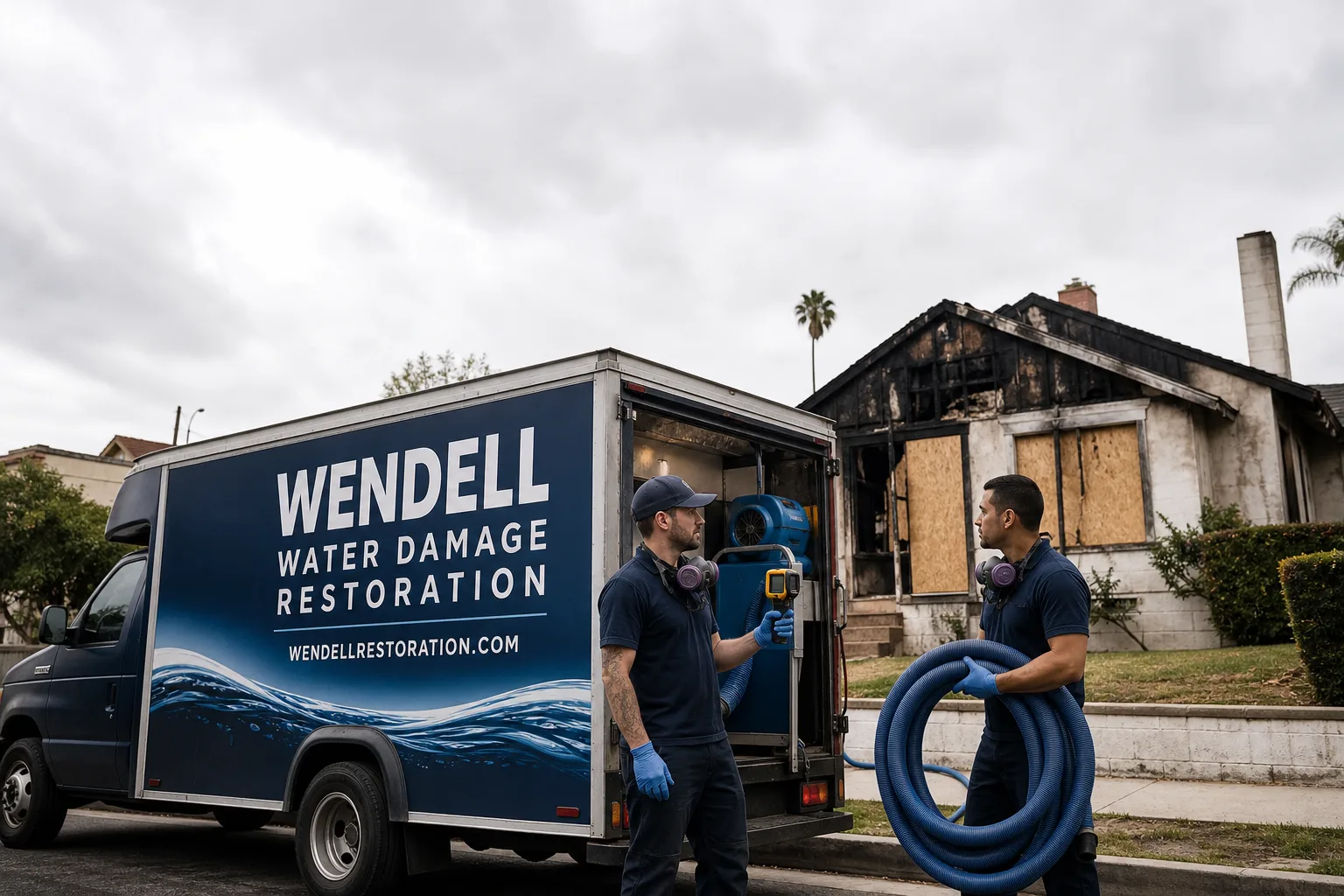
Free visual inspection and a written scope of work before any mitigation begins - photos, moisture readings, and drying logs go in your claim file
The scope we write is the scope we bill. Anything new gets shown to you, in writing, before we touch it.
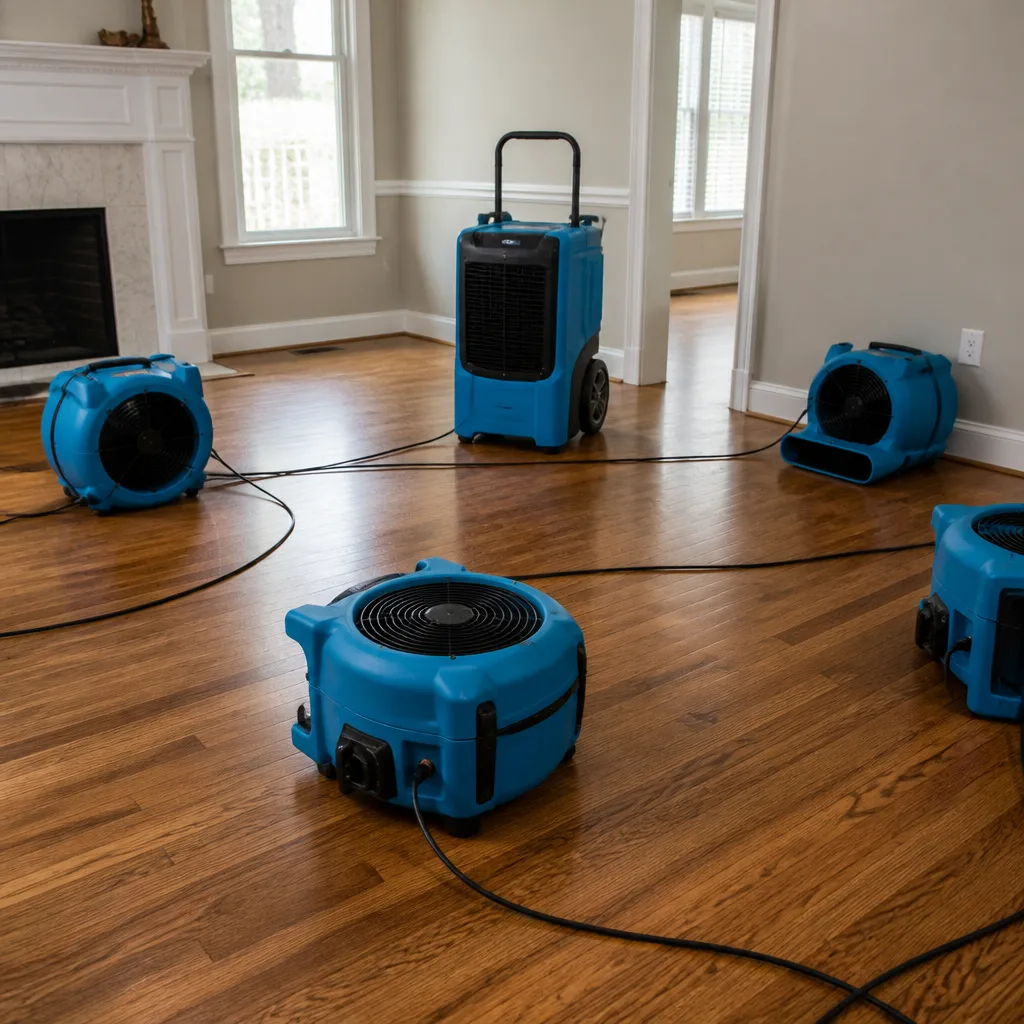
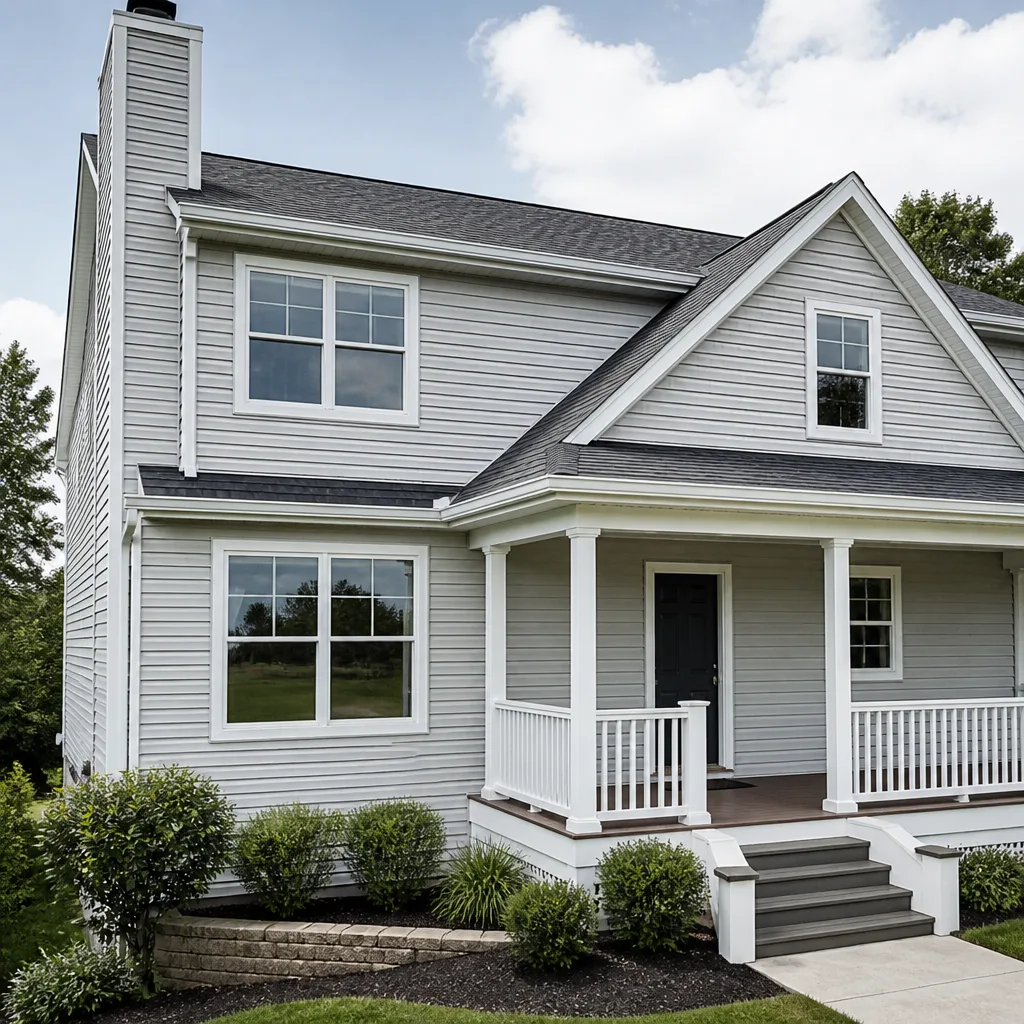
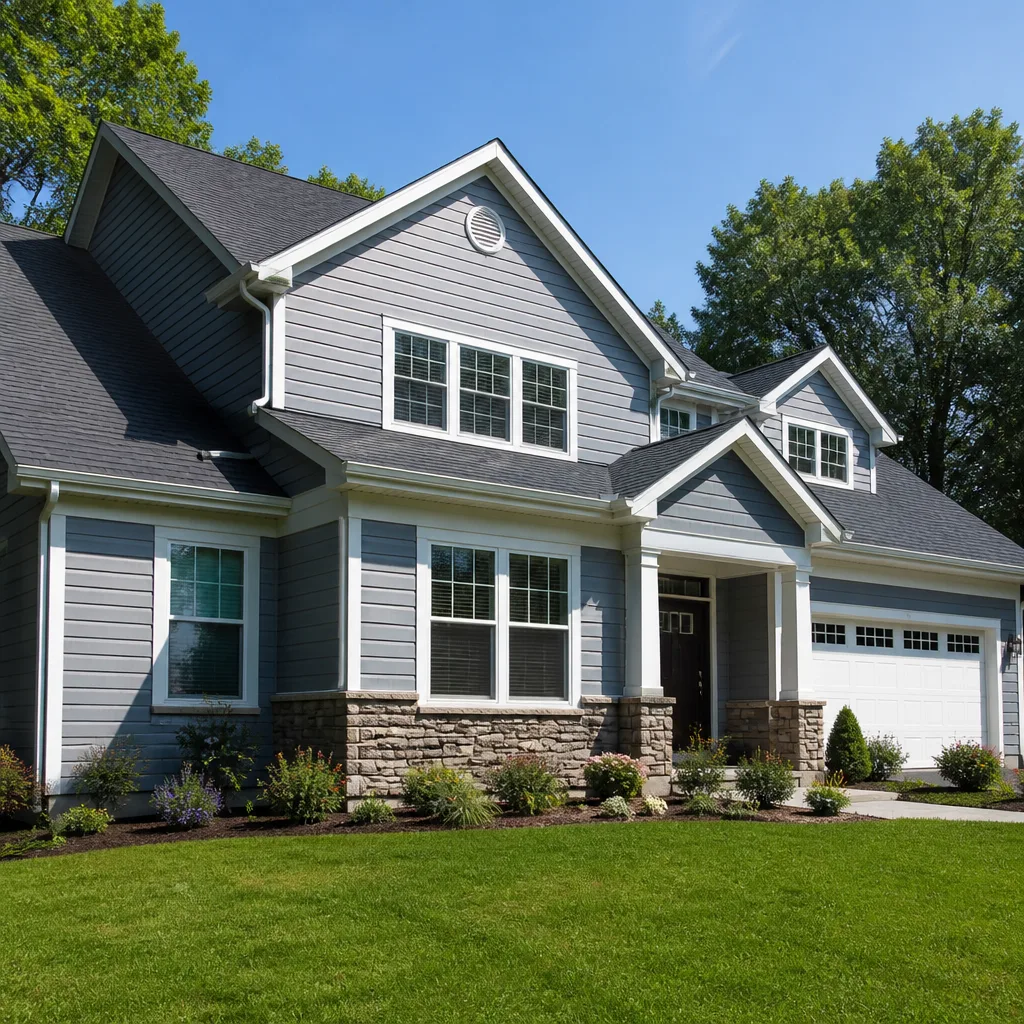
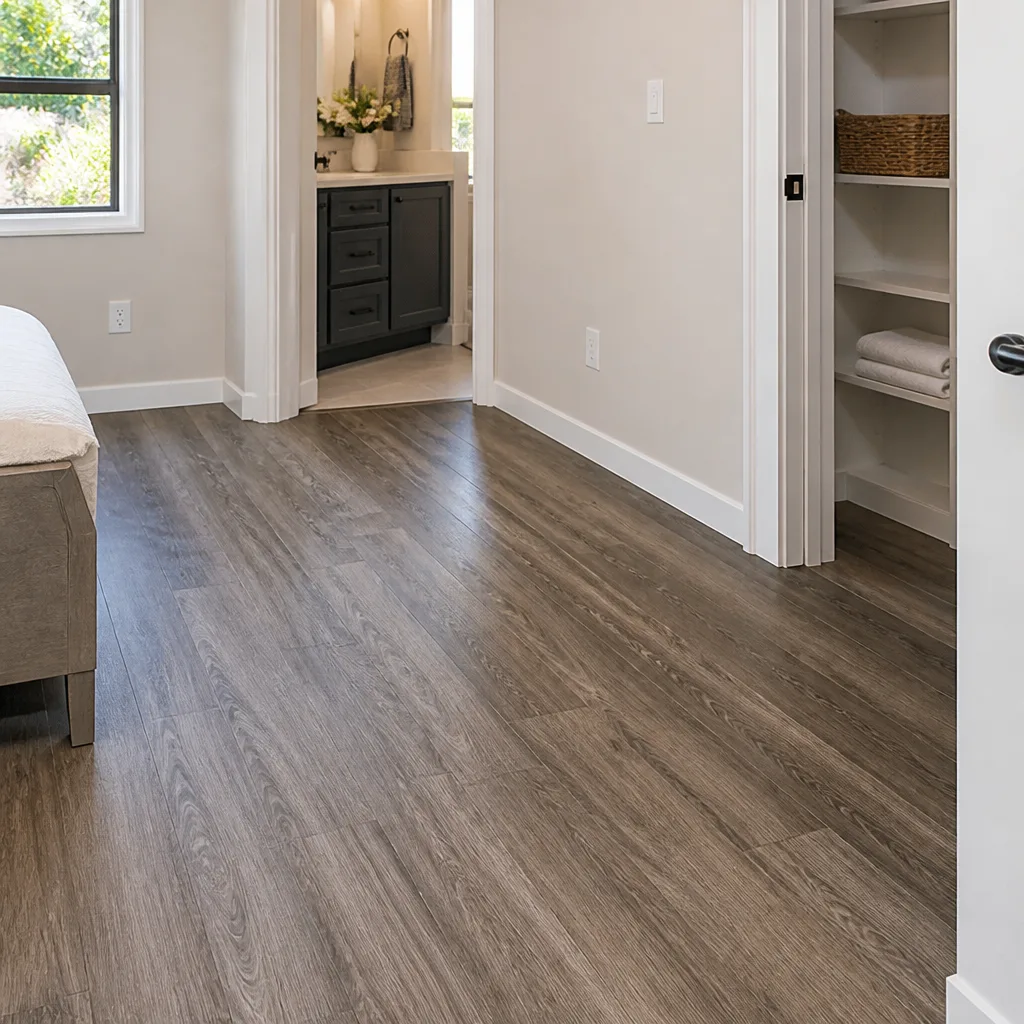
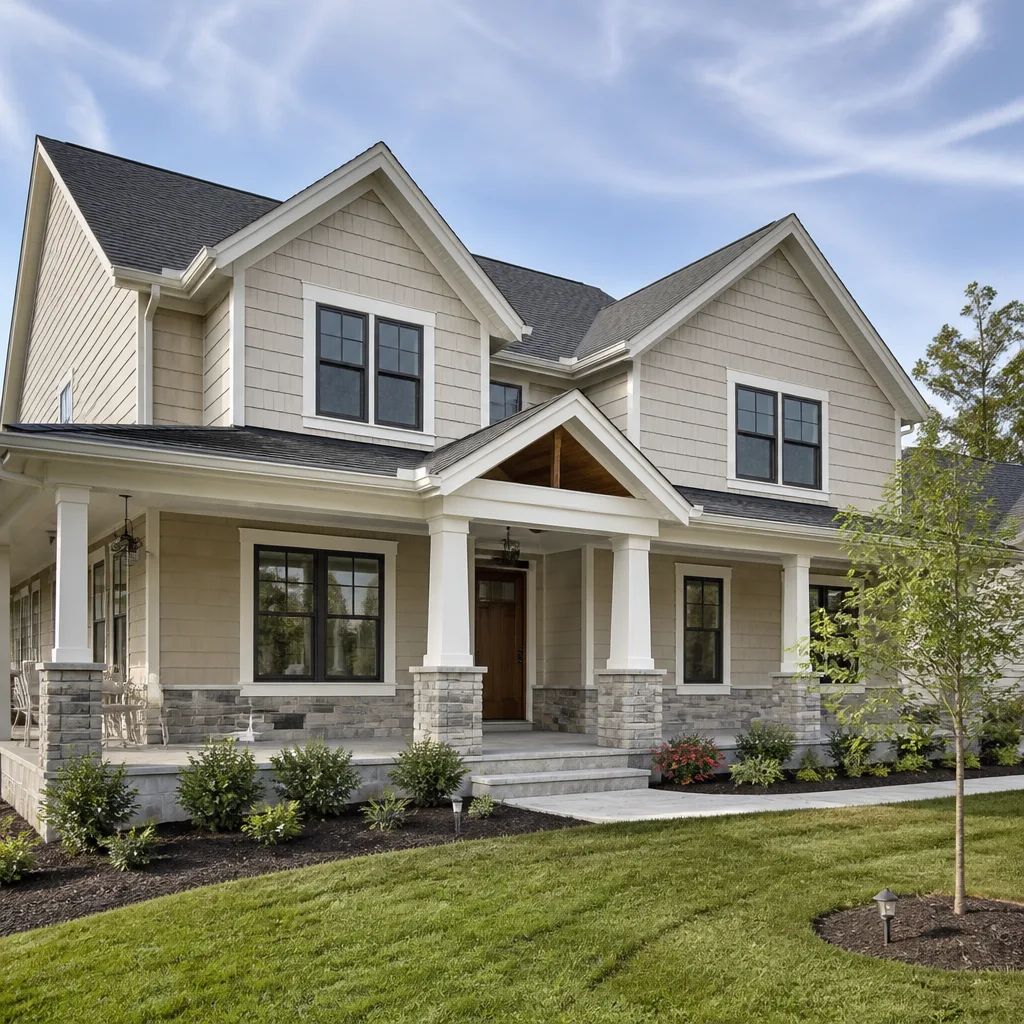
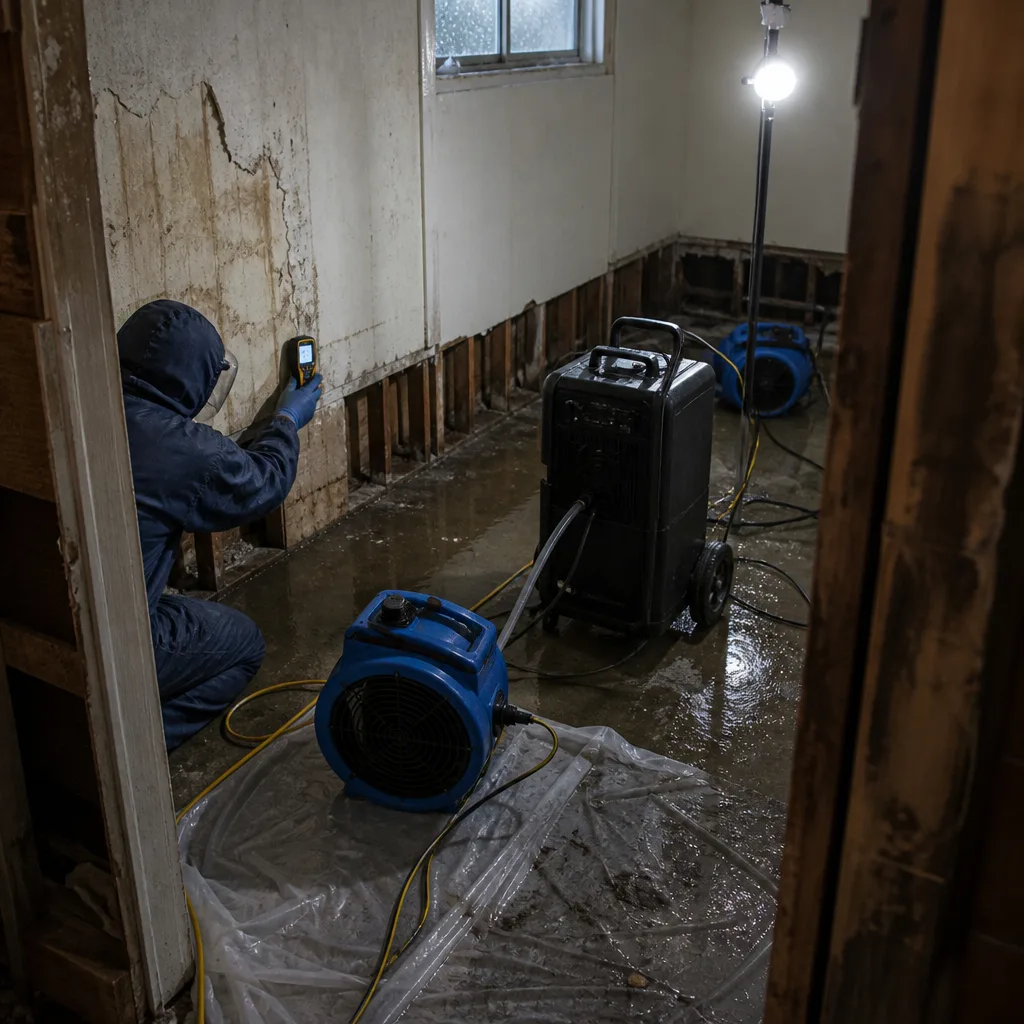 Before
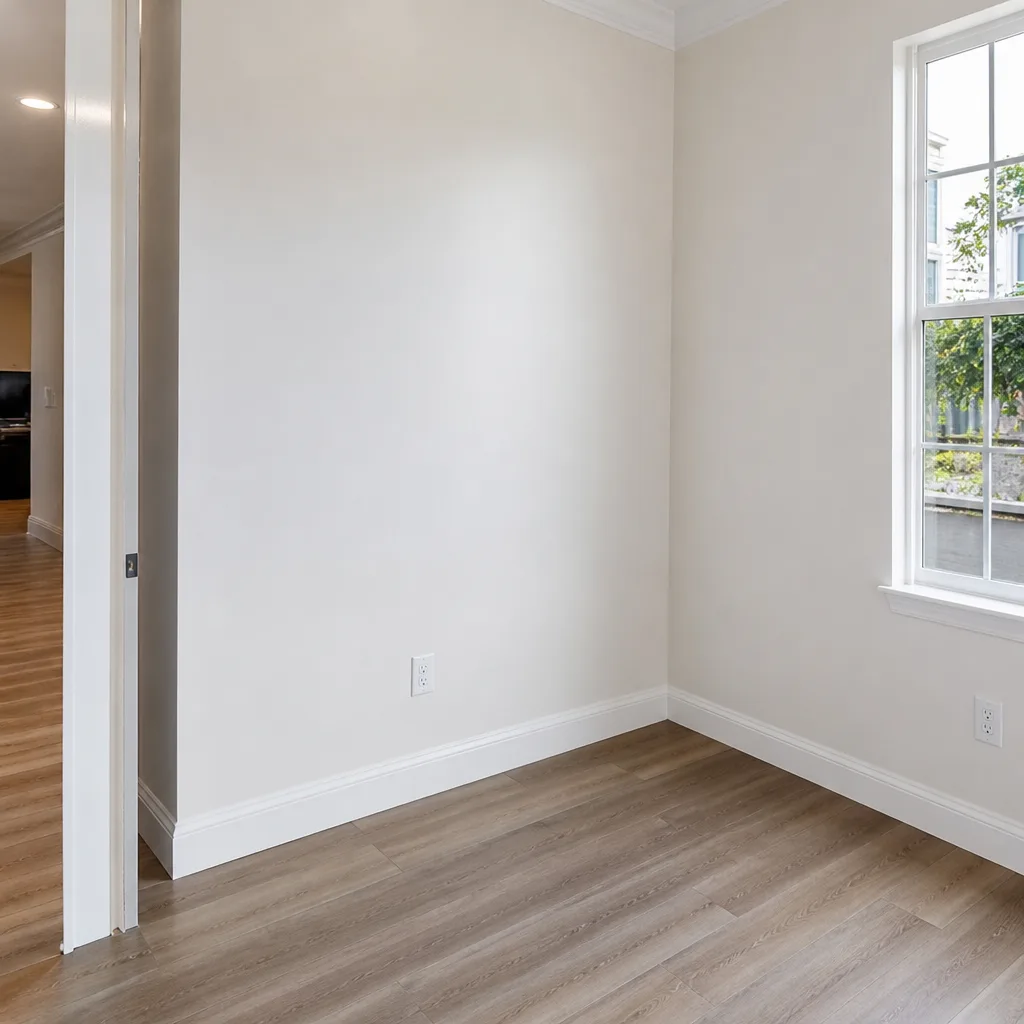 After
After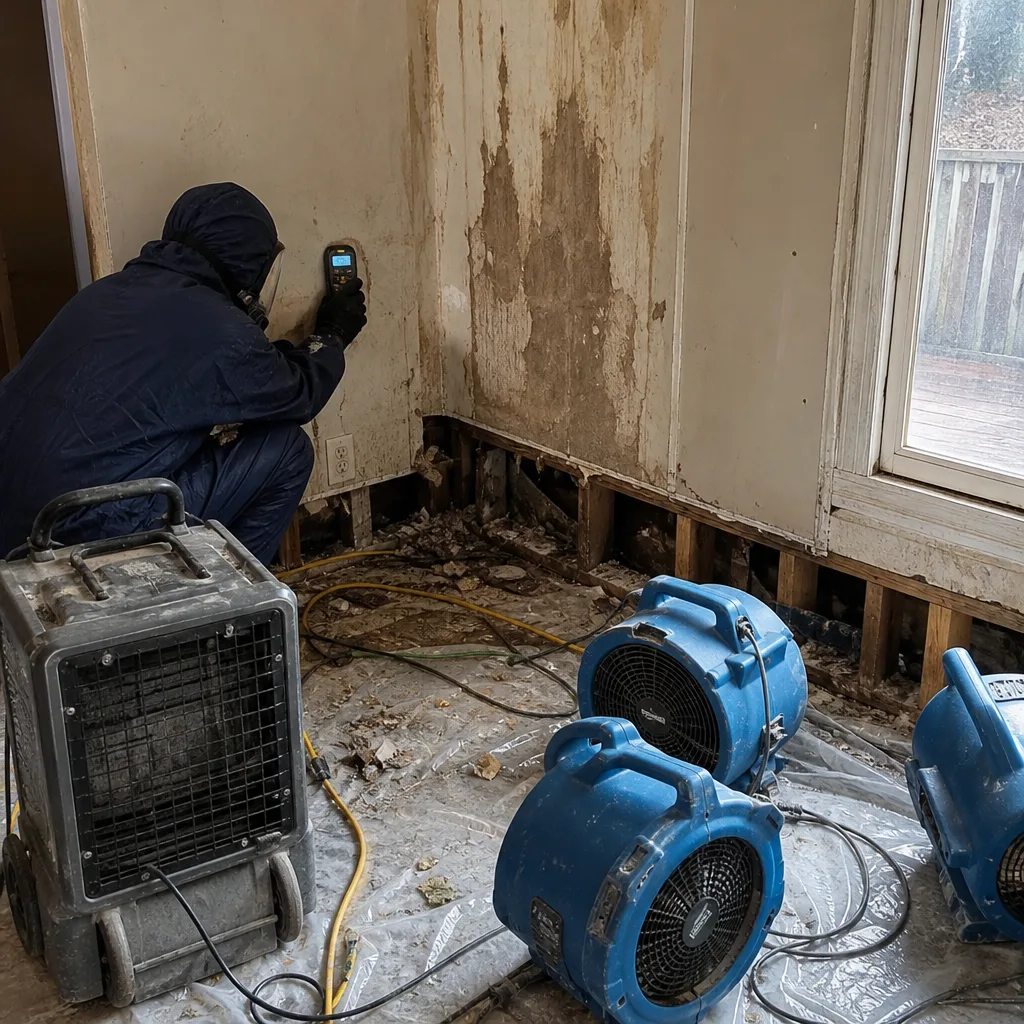 Before
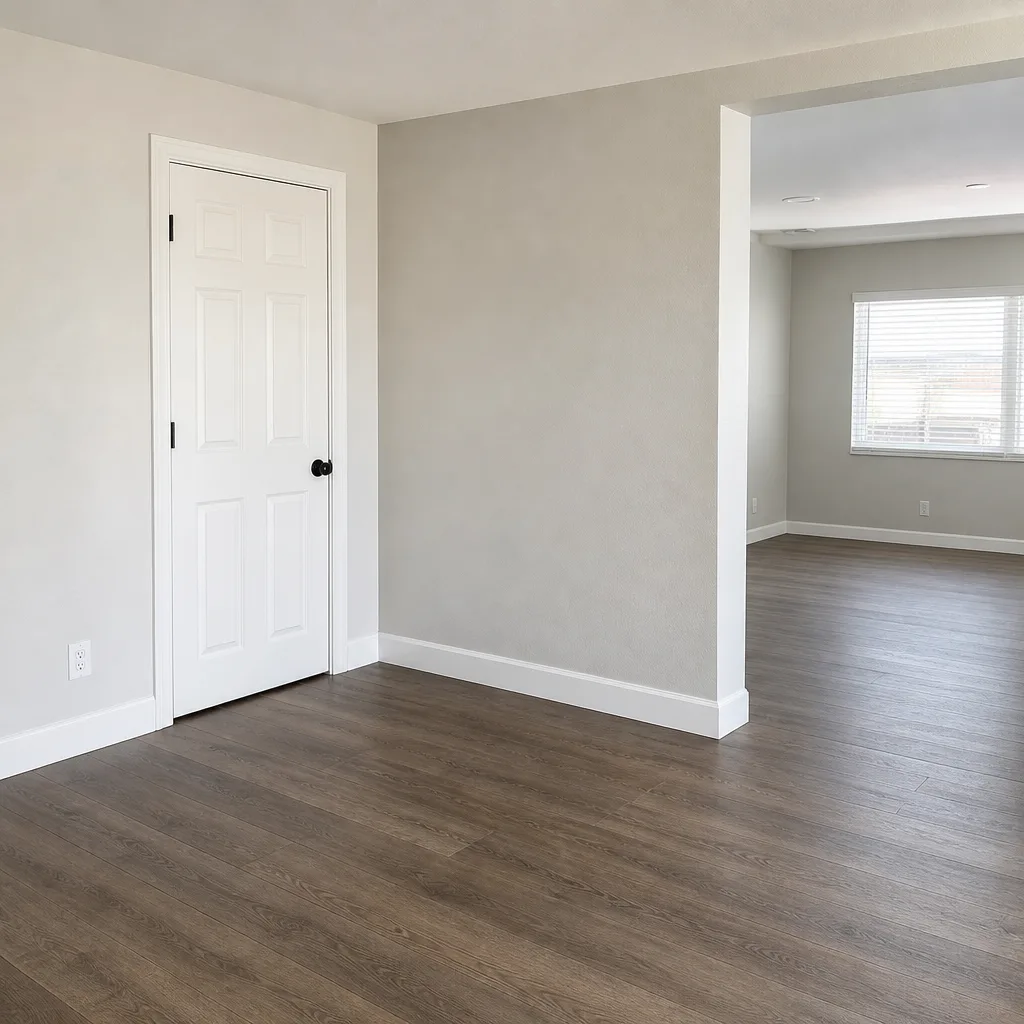 After
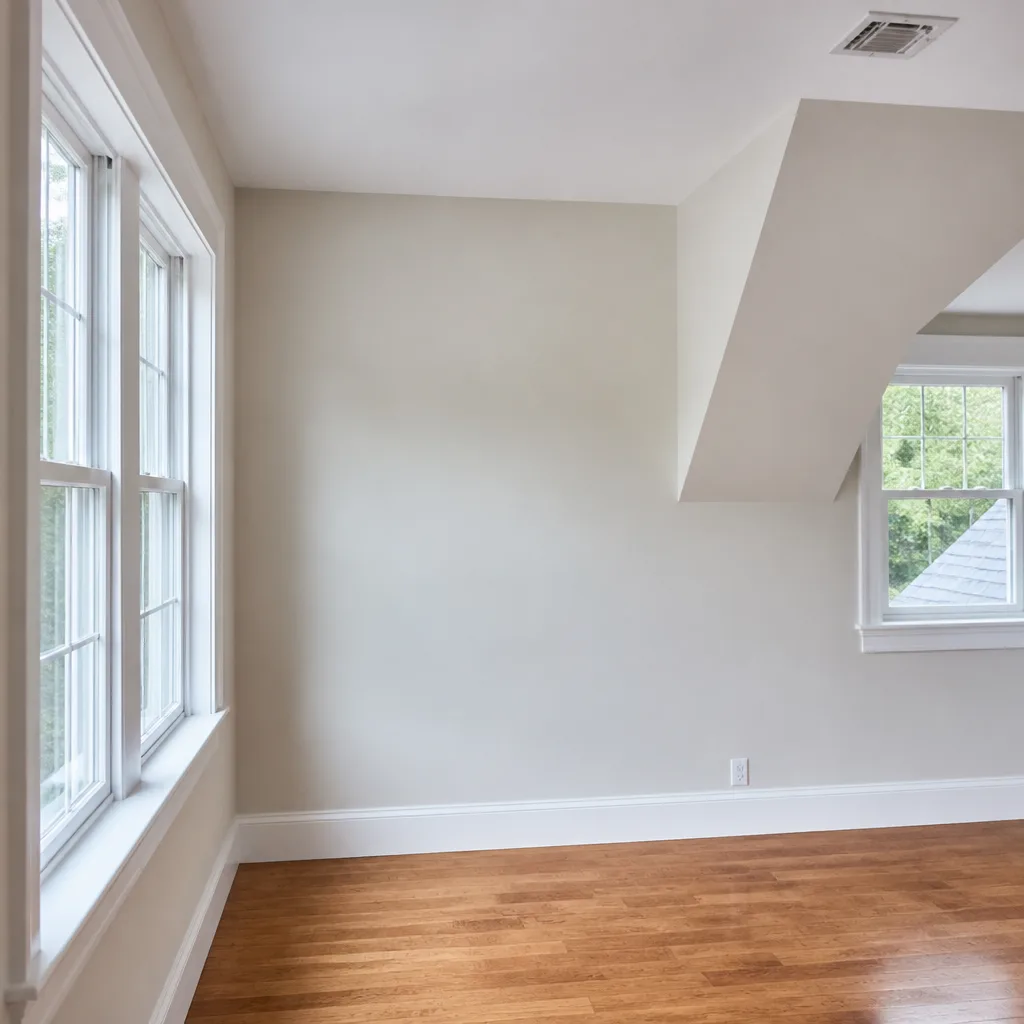
After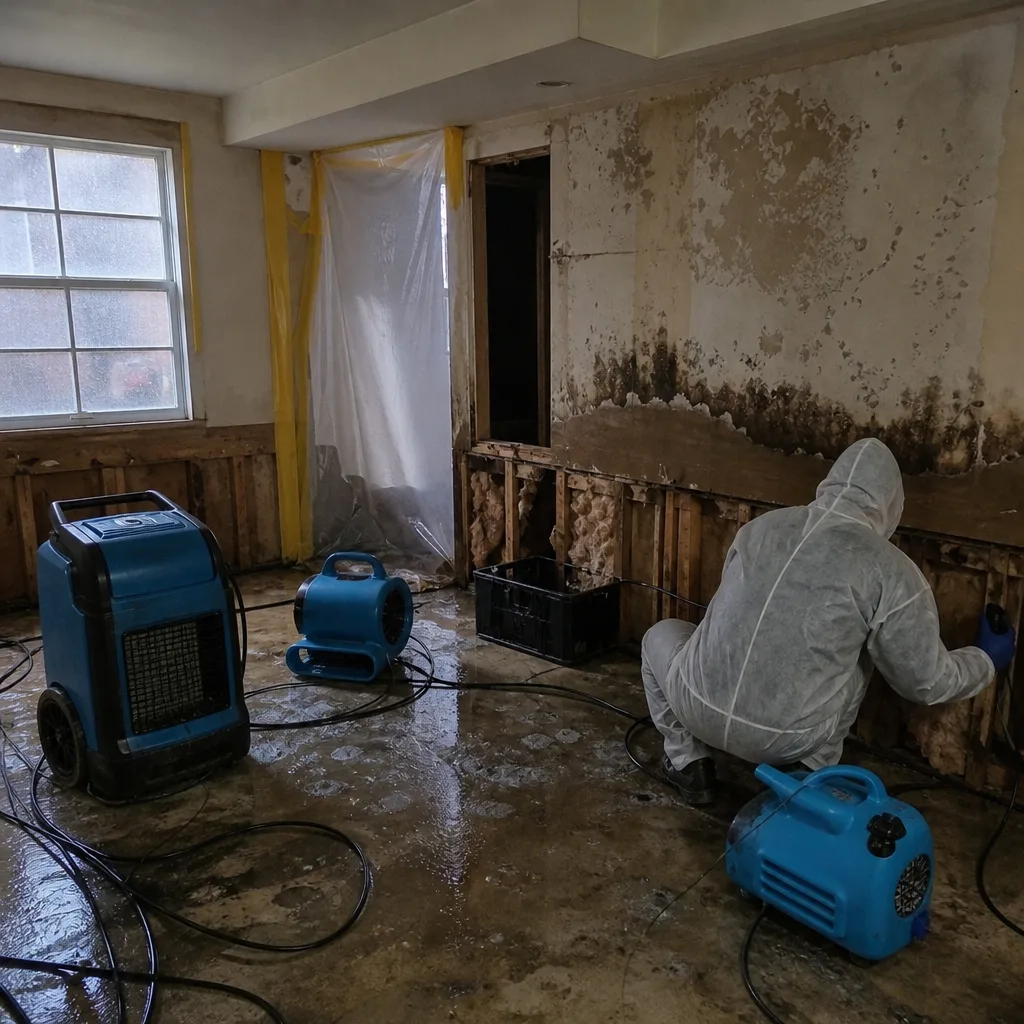 Before
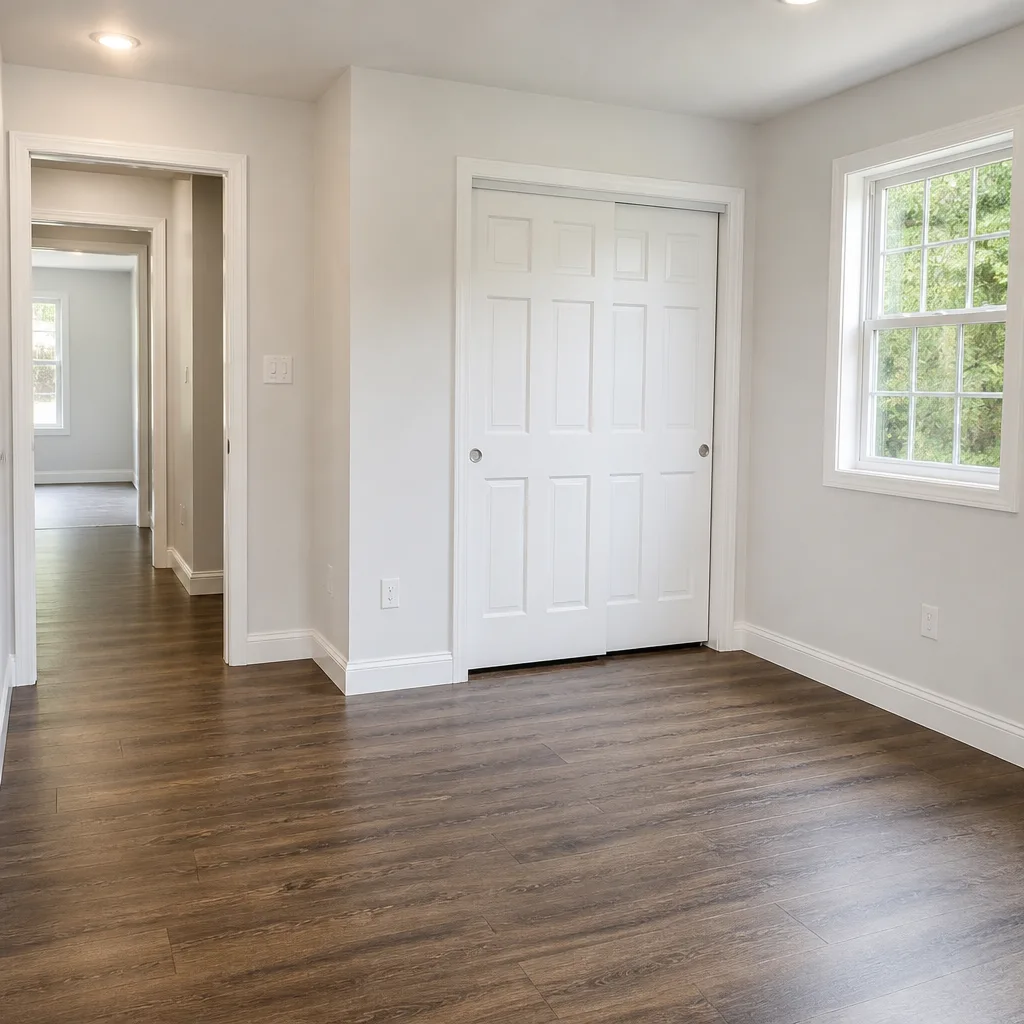 After
AfterHow Much Does Damage Restoration Cost in Queens?
Damage restoration in Queens typically runs $1,200 to $7,500, with most single-family water damage jobs landing between $1,800 and $4,200. A small contained leak that only needs drying can come in under $1,500, while a flooded finished basement with category 3 water, mold remediation, and rebuilt drywall can push past $10,000. The largest single factor is how much material has to be removed and replaced versus simply dried in place.
We’re Wendell Water Damage Restoration. We put your price in writing before any work starts, text you before-and-after photos when it’s done, and answer every call with a live person, 24/7. Water damage doesn’t keep business hours, and neither do we. In Queens, that matters more than almost anywhere, because the housing stock here creates restoration problems you won’t find in a suburban market.
Damage Restoration Cost Breakdown (2026)
Here’s what Queens homeowners actually pay, broken out by the line items that show up on a real estimate. Ranges reflect 2026 pricing for Queens, Brooklyn, and the surrounding boroughs.
| Service | Typical Range | Notes |
|---|---|---|
| Emergency water extraction | $350 – $900 | Standing water, carpet and pad removal, truck-mount or portable extraction |
| Structural drying (per room) | $400 – $1,100 | Air movers, dehumidifiers, daily monitoring, 3-5 days typical |
| Category 3 (sewage/black water) cleanup | $1,500 – $4,500 | Antimicrobial treatment, removal of contaminated porous materials |
| Mold remediation | $1,200 – $6,000 | Varies widely with square footage and containment needs |
| Drywall removal and replacement | $3 – $7 per sq ft | Cut-out, haul-away, new board, tape, prime |
| Hardwood floor drying or replacement | $600 – $3,800 | Drying mats (Injectidry) can save the floor; replacement starts around $6-$12/sq ft |
| Ceiling repair (below-bath leaks common in Queens rowhouses) | $450 – $1,900 | Addresses water from an upstairs unit or flat roof |
| Basement waterproofing after loss | $800 – $3,500 | Often paired with a French drain or sump work on older basement units |
| Contents cleaning and pack-out | $250 – $1,200 | Furniture, clothing, documents; stored on-site or at our facility |
What drives the number up: the water category (clean vs. gray vs. black), how many square feet are wet, whether the leak came from a unit above you, and whether the structure has to be opened up to dry. What drives it down: catching the leak in the first 24-48 hours, having a clear moisture map from the start, and not needing drywall replacement because the water never reached the cavity. If you want a ballpark before you ever pick up the phone, that range above is honest. If you want the final number, we put it in writing before we touch a tool.
What Affects Damage Restoration Pricing in Queens
- Housing type. Queens is dense with pre-war rowhouses, two-family homes, and garden apartments. Water travels sideways and down through shared walls and ceilings here, so what looks like one wet room often involves a neighbor’s unit. That raises scope and cost, and it’s why we do moisture mapping on every job, not just the visible damage.
- Category of water. Clean water from a supply line is the cheapest to handle. Gray water from a washing machine or dishwasher is mid-range. Black water from a toilet backup, sewage line, or street flooding is the most expensive because of antimicrobial treatment and mandatory removal of soaked porous materials.
- Age of the plumbing and roof. Older Queens buildings still have plenty of galvanized steel supply lines, and flat or low-slope roofs on rowhouses leak in predictable spots after hard rain. A failed galvanized line behind a kitchen wall means cutting and drying the cavity. A roof leak means ceiling and paint work, often on the top floor of a three-story walk-up.
- How fast you call. Mold can start colonizing wet drywall and framing within 24 to 48 hours. A job caught in that window may need drying only. The same job three days later usually needs removal and remediation.
- Access and building type. Walk-up buildings, tight stairwells, and basement units with low ceilings slow extraction and drying setup. That’s labor and equipment hours, and it shows up on the invoice.
- Permits and co-op or condo rules. Some Queens buildings require board approval before restoration work or before we alter walls. We factor that coordination into scheduling so you’re not paying for a stall.
How to Save on Damage Restoration
Most of the savings here happen before we arrive.
- Call within the first 24 hours. Fast response usually means drying instead of demolition. On a typical Queens basement loss, that difference alone can be $1,500 or more.
- Shut off the source if you can safely reach it. If water is pouring from a supply line and the valve is right there, turn it off. Never touch electrical panels or wiring in a wet area. If you can’t reach the shutoff safely, stop and call us.
- Take photos before anything moves. Damage documentation matters for your insurance claim. We also send before-and-after photos by text as part of every job, but your own timestamped pictures help.
- Ask about the free estimate. Ours is free and the price is in writing before work starts. Call (940) 466-4354 and we’ll give you a real number, not a vague “we’ll see once we’re on-site.”
- Know your guarantee. Every repair we do carries the 365-Day Done Right Promise in writing, plus a free second visit if the repair fails. That’s not a discount, but it’s the difference between paying once and paying twice.
How the Process Works, Step by Step
Here’s the sequence we run on every Queens job, under IICRC, RIA, and IFA standards.
- Call and get a live person. Any hour. You tell us what’s wet and where. We give you a live arrival time you can track, not a four-hour window.
- On-site assessment and moisture mapping. We use meters and thermal imaging to find where the water actually went, not just where it pooled.
- Written price before any work starts. You see the scope and the number on paper first. No surprise line items later.
- Extraction and stabilization. Truck-mount or portable extraction, then containment if the water is contaminated.
- Psychrometric drying. That means tracking the air’s moisture level so we know when your home is truly dry, not just surface-dry. We deploy Dri-Eaz, Phoenix, XPOWER, B-Air, and Injectidry equipment, the same gear used on large commercial loss sites.
- Antimicrobial treatment where needed. Applied to framing and cavities after contaminated water.
- Repair and rebuild. Drywall, paint, flooring, trim. Covered by our written guarantee.
- Photo updates and digital invoice. Before-and-after photos by text, then a digital invoice you pay right from the link.
FAQs – Damage Restoration Cost
How much does water damage restoration cost in Queens?
Most Queens water damage jobs cost $1,800 to $4,200, with a full range from about $1,200 for a small contained leak to $10,000+ for a flooded finished basement with mold. Sewage backups and jobs involving multiple units in a rowhouse run toward the top of that range. Call (940) 466-4354 for an exact quote. Estimates are free.
Is it cheaper to repair or replace water-damaged flooring?
Repair and drying almost always costs less, often by $1,000 to $3,000. Hardwood can sometimes be saved with Injectidry drying mats if we get there within 48 hours, which costs a fraction of the $6-$12 per square foot to replace it. Once flooring has cupped, buckled, or sat wet for days, replacement is the honest answer. We’ll tell you which one you’re looking at during the assessment.
Does insurance cover damage restoration in Queens?
Most homeowners policies cover sudden water damage, and many cover mold remediation up to a sublimit somewhere between $5,000 and $10,000. The usual gaps are gradual leaks, sewer backups without an endorsement, and flood, which needs a separate policy. We document everything with photos and moisture readings so your claim has what it needs. Call (940) 466-4354 and we’ll walk you through what to send your adjuster.
How much does mold remediation cost in Queens?
Mold remediation in Queens usually runs $1,200 to $6,000, depending on how many square feet are affected and whether containment is needed. A single bathroom with surface mold is at the low end. Mold behind basement drywall across a finished room, or in multiple units of a two-family, lands at the high end. Call (940) 466-4354 for a free estimate.
Can you come today?
Yes. We answer every call with a live person, 24/7, and give you a live arrival time you can track. Queens water damage calls get the same response at 2 a.m. as at noon. The sooner we start, the more likely your price stays in the drying range instead of the demolition range. Call (940) 466-4354 now and we’ll tell you when a technician will be at your door.
If you’re dealing with water right now, stop reading and call. (940) 466-4354 gets you a live person any hour, a written price before work starts, and a company that’s been doing this since 2006 as part of the Relay Home Co. family. Every job is independently owned and operated, backed by The Relay Visibility Guarantee, and covered by the 365-Day Done Right Promise. Learn more about Wendell Water Damage Restoration or call for your free estimate today.
Pricing reflects the Queens market as of 2026. Wendell Water Damage Restoration offers free estimates – call (940) 466-4354.
Written by Blake Sorensen, Owner at Wendell Water Damage Restoration, serving Queens since 2006.
What Our Customers Say
"Insurance paperwork was easy since everything was in one portal."
- Manny R."Mold removal in a basement corner after the leak. Retested clean."
- Gordon K."Water damage repair to the baseboards and drywall was clean."
- Ted H.