
Water Damage Restoration: Repair or Replace? How Los Angeles Homeowners Decide
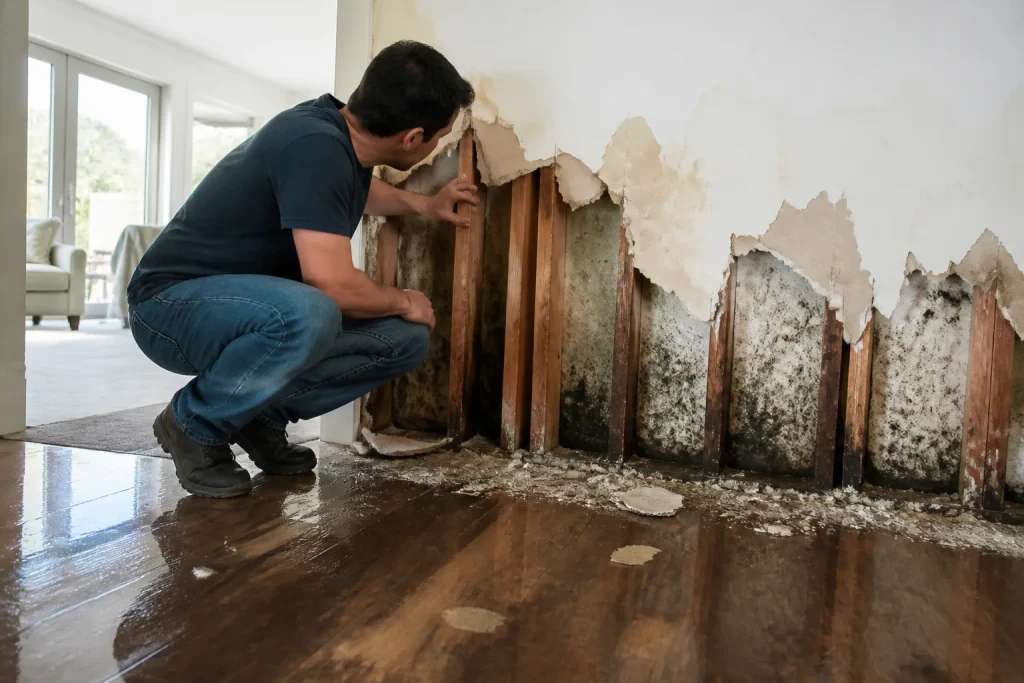
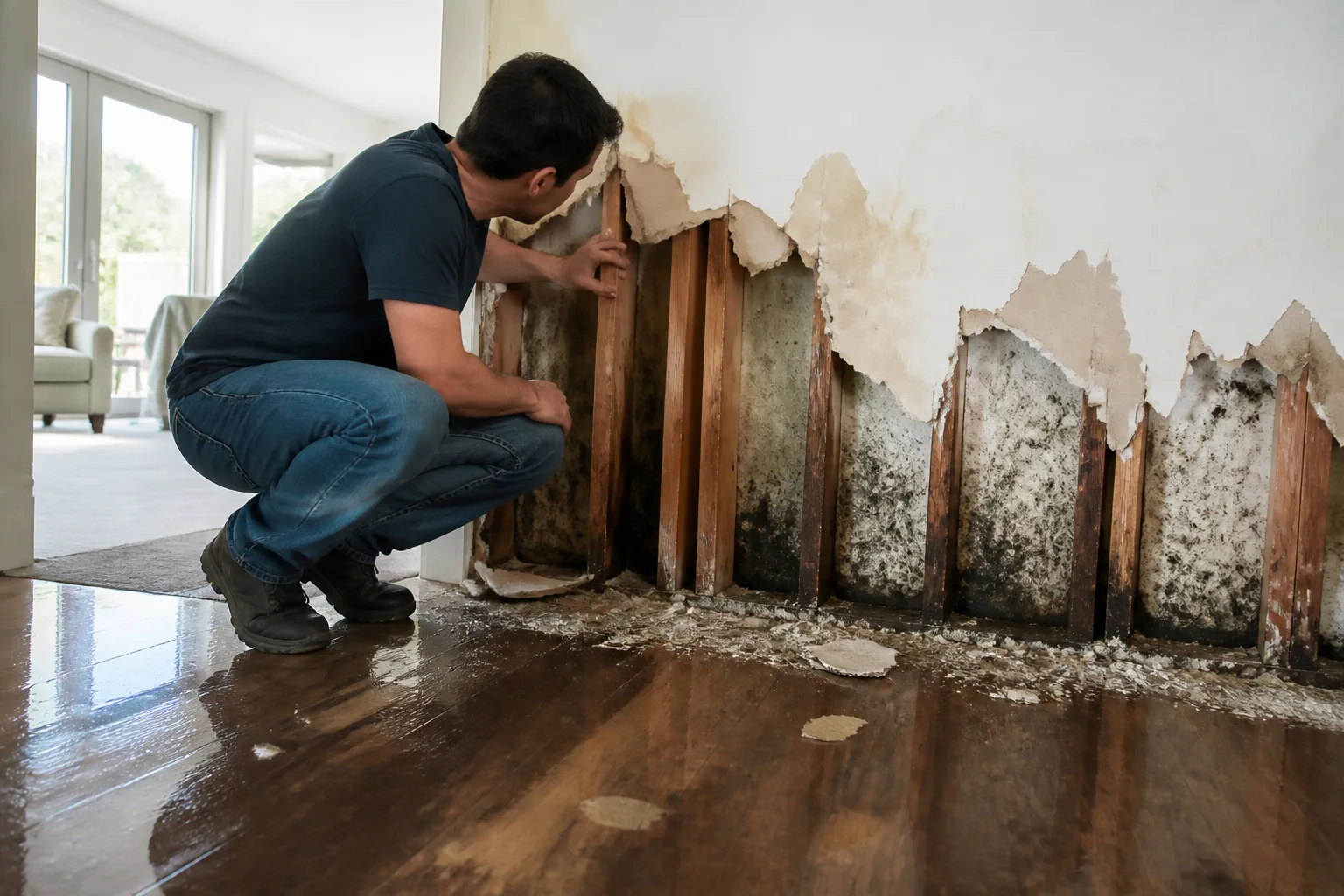
Most water damage in Los Angeles homes can be dried in place, but drywall that’s been wet for more than 48 hours and particleboard subfloor that’s swollen past 17% moisture content usually needs to come out. The repair-versus-replace decision comes down to three things: what material got wet, how long it stayed wet, and what category the water was. If you’d rather not sort through moisture meters and insurance fine print yourself, call (940) 466-4354 and we’ll give you a straight answer and a written price before any work starts.
Here’s the uncomfortable reality most restoration companies won’t tell you: they make more money replacing materials than drying them. Replacing drywall, flooring, and cabinets means markup on materials, more labor hours, and disposal fees. Drying sheets of drywall with air movers and dehumidifiers generates maybe a few hundred dollars in equipment charges. So when a technician tells you something “needs to be replaced,” you should know the criteria that decision is supposed to be based on. That’s what this guide is for.
The Moisture Thresholds That Actually Decide Repair vs. Replace
IICRC-certified technicians don’t guess. They use moisture meters to compare the wet material against its dry standard, which is the moisture level that material would have in a dry Los Angeles home. When a material reads significantly above its dry standard after 48 hours of professional drying, replacement becomes the protocol, not just a recommendation. The specific numbers matter because they’re what a technician should be showing you before removing anything.
- Drywall: absorbs water fast and loses structural integrity quickly. If moisture content exceeds 1% on a non-penetrating meter (or about 15-17% on a penetrating meter), and it’s been wet more than 48 hours, replacement is standard. Waterlogged drywall sags, crumbles, and becomes a mold food source. Nobody dries soggy drywall back to “good as new.”
- Hardwood flooring: can sometimes be saved with specialized drying mats and floor drying systems, but cupping and crowning start around 12-15% moisture content. If boards are at 17% or higher and have been wet longer than a few days, we’re usually pulling them. Los Angeles homes with older oak floors are sometimes worth the aggressive drying attempt because matching the patina after replacement is nearly impossible.
- Engineered wood: delaminates because the adhesive layers fail when saturated. Once the plies start separating, there is no repair. Moisture readings above 14% on engineered flooring typically mean it’s done. It’s cheap to replace relative to solid hardwood, which makes the math simple.
- Subfloor: OSB and particleboard swell permanently when wet. Particleboard is almost never salvageable once it’s saturated; OSB can survive if it dries quickly and hasn’t delaminated. Any subfloor reading over 17% after drying efforts should be replaced before new flooring goes on top of it.
- Cabinet plywood: bases and toe kicks wick water upward. Plywood can often be dried if caught fast, but MDF cabinet boxes are a lost cause once they swell. We see a lot of MDF in newer Los Angeles construction, and it does not survive water.
The key phrase to listen for: “dry standard.” A technician who can’t tell you the dry standard for the material they’re recommending you replace is guessing. A technician who shows you the moisture reading and explains the threshold is following protocol. When we dry Los Angeles homes, we use psychrometric drying (tracking the air’s moisture level so we know when your home is truly dry, not just surface-dry) with equipment from Dri-Eaz, Phoenix, and XPOWER. The meters tell us what’s salvageable. The economics don’t get a vote.
Water Category Overrides Everything: Why Some Materials Always Get Replaced
Before moisture content even matters, a technician has to classify the water. The IICRC divides water damage into three categories, and this classification determines whether drying is even an option. In Los Angeles, we see all three types: a supply line break under a kitchen sink (Category 1), an overflowed washing machine discharging gray water (Category 2), and sewage backups from older cast-iron drain lines in neighborhoods like Los Feliz and Silver Lake (Category 3).
Category 1 is clean water from a potable source. If you catch it fast, most materials can be dried in place. Category 2 contains biological or chemical contaminants, think washing machine overflow or dishwasher discharge. Drying is still possible, but porous materials like carpet pad and some drywall should be removed because contaminants get trapped in the pores. Category 3 is sewage, floodwater, or any water that’s been sitting long enough to grow bacteria. Under Category 3, porous materials get replaced regardless of moisture readings. Drywall, carpet, pad, insulation, and any upholstered furniture that touched the water are removed. The health risk isn’t negotiable.
This is a time to remember the incentive problem I mentioned earlier: a technician might recommend replacement in a Category 1 loss where drying would work fine. That’s over-replacement, and it’s more common than the industry likes to admit. The counter-scenario also happens: a cheap bid might try to dry Category 2 materials that should come out. When in doubt, ask “what category is this water, and what does that mean for this specific material?” A technician who can answer that cleanly is giving you honest guidance. For Los Angeles homeowners dealing with category 2 or 3 water, the Water Damage Repair in Los Angeles page explains what our repair scope covers before any replacement gets quoted.
Your Insurance Policy Decides More Than the Moisture Meter Does
Here’s where the repair-versus-replace conversation gets real: your insurance policy is the third decision-maker in the room, and it has opinions about your materials. Los Angeles homeowners often discover their policy’s fine print during a water loss, which is the worst possible time to learn it.
Pull your declarations page right now and look for two phrases: replacement cost value (RCV) and actual cash value (ACV). RCV coverage pays what it costs to replace damaged materials with new materials of similar kind and quality. ACV coverage deducts depreciation, meaning you get the replacement cost minus whatever the insurance company decides your five-year-old carpet was worth. With RCV, replacement makes financial sense in more scenarios because the policy funds it. With ACV, aggressive drying and repair become more attractive because you’re not getting full replacement money anyway.
There’s also the matching clause question. If your Los Angeles home has continuous hardwood flooring that ran under a wall, and only part of it got wet, will insurance pay to refinish or replace the undamaged portion so the floor matches? That’s a legitimate questions for your adjuster, and it changes the repair-replace calculus. Finally, mold exclusions matter. If drying takes too long and mold develops, some policies cap mold remediation coverage at $5,000 or $10,000. That makes speed the most important variable in your decision: the faster you start drying, the fewer materials you’ll be arguing about replacing.
We work with insurers on Los Angeles water losses every week. Our process includes photo documentation of every damaged material before removal, so when we recommend replacement, the adjuster sees exactly why. If you’re dealing with standing water right now, our Water Damage Restoration in Los Angeles service handles the full scope, from mitigation through final repairs, with a written price before any work starts.
Questions to Ask Before Approving Any Material Removal
A reputable restoration company will show you their reasoning. A rushed crew will start swinging a crowbar before you’ve had your coffee. You don’t need to become a restoration expert, but four questions will separate protocol from guesswork and protect you from over-replacement.
- What is the current moisture reading on this material? If they can’t show you the number on a meter, that material shouldn’t be getting pulled out yet. The meter doesn’t lie, and a technician who is confident in their recommendation will show you the reading without being asked.
- What is the dry standard for this material? This tells you how far above normal the reading is. A drywall panel at 90 on a penetrating meter in a damp Los Angeles garage isn’t the same as the same reading in a bedroom. Context matters, and the dry standard provides it.
- Is replacement required by protocol or recommended for speed? This is the most important question. Protocol says replace it, meaning the material will fail or cause health problems if left in place. Recommended for speed means the technician wants to pull it because drying would take another two days. Both might be legitimate, but you should know which one you’re approving. If it’s a speed recommendation and you have patience, drying might save you thousands.
- Can I get a written scope and price before you start cutting? If the answer is anything other than yes, stop. A company that won’t put its recommendations in writing before work begins is a company that changes prices after walls are open. We put the price in writing before any work starts, always, and you pay from a digital invoice texted to your phone. The number on the screen is the number you pay.
We pulled one out of a garage over in Highland Park last month where a homeowner had been told by another company that all four walls needed to be removed down to the studs. The water had been a hot water heater leak, Category 1, and it had been running for maybe six hours before the shutoff. Moisture readings were high but not catastrophic. We dried it with Dri-Eaz dehumidifiers and Phoenix air movers for three days. He kept his garage walls and his money. The other company had quoted him $9,400. Our drying cost a fraction of that. Not every situation works out that way, but some do, and that’s why the questions matter.
When Documentation Protects You in Both Directions
Here’s how documentation serves Los Angeles homeowners on both sides of the repair-versus-replace decision. When replacement is necessary, before-and-after photos are how you prove it to your insurer. An adjuster who wasn’t in your living room when the drywall came out needs to see the water stains, the swollen baseboards, the moisture meter reading. Without photos, you’re asking an insurance company to take your word that replacement was truly required. They won’t.
When replacement is disputed, documentation protects you in the other direction. Say a technician recommended replacing your hardwood floors, you said yes, but now the adjuster says drying would have been sufficient. If you have photos showing the cupping, the moisture readings, and the water category, you have a case for why replacement was the right call. If you have no photos, you have a very expensive argument you’ll probably lose.
Every Wendell job includes before-and-after photo updates by text. You see what we see. You get a record of the damage, the drying progress, and the final result. We also document moisture readings at every stage, because a dry reading of 8% at the start of the job and 7% at the end tells a different story than no readings at all. For Los Angeles homes with mold concerns after water damage, our Mold Remediation in Los Angeles service uses the same documentation standard, and it matters there just as much.
The person asking “when to call a pro” has usually already waited too long. If you’re seeing water stains spreading, if you smell that musty damp smell that reminds you of a wet towel left in a gym bag, or if your floors are starting to cup a week after the leak, call a professional. Water damage doesn’t self-resolve. We answer calls 24/7, and we tell you on the phone whether you need a crew tonight or whether you can wait until morning.
The Bottom Line
Repair versus replacement in water damage restoration is a decision with a right answer, and the right answer comes from moisture readings, water category, your insurance policy’s coverage language, and an honest recommendation from a technician who shows you their work. The wrong answer comes from a company that profits more from ripping out materials than from drying them. Los Angeles homeowners who ask the four questions above, understand the difference between clean and contaminated water, and read their insurance declarations page before a loss happens will make better decisions with less stress. If you’re dealing with water damage right now and want a straight recommendation and a written price before any work starts, call Wendell Water Damage Restoration at (940) 466-4354. Estimates are free, and the price we quote is the price you pay.
Frequently Asked Questions
If drywall has been wet for more than 48 hours, replacement is almost always the right call. Drywall acts like a sponge and loses its structural integrity once saturated, and it becomes a food source for mold. If you catch it within the first 24 to 48 hours and the water was Category 1 (clean), professional drying with air movers and dehumidifiers can often save it. Call (940) 466-4354 and we’ll tell you based on moisture readings, not guesswork.
It depends on your policy’s valuation method. Replacement cost value (RCV) coverage pays to replace damaged materials with new ones. Actual cash value (ACV) coverage subtracts depreciation, which means you may get less than full replacement cost. Check your declarations page before the adjuster arrives so you know which game you’re playing. We document every loss with photos and moisture readings, which makes the insurance conversation much smoother.
Solid hardwood can often be saved if it’s dried quickly with specialized floor drying mats before cupping becomes permanent. The threshold that matters is moisture content: readings under 12-15% with fast drying mean the floor might survive. Readings at 17% or higher, or floors that have been wet for more than a few days, usually mean replacement. Los Angeles homes with original hardwood are often worth the aggressive drying attempt because matching old wood after replacement is tough.
Category 1 is clean water from a supply line or sink overflow, and aggressive drying is usually appropriate. Category 3 contains sewage or dangerous contaminants, and porous materials get replaced regardless of moisture readings because the health risk makes drying irrelevant. Los Angeles homes with older drain lines see Category 3 losses regularly, and proper remediation matters. If you’re unsure what category your water damage falls into, call (940) 466-4354 and we’ll help you figure it out.
Written by the team at Wendell Water Damage Restoration.
Need Damage Restoration Help?
Call Wendell Water Damage Restoration - licensed & insured, here with fast after-hours help in Los Angeles.
(940) 466-4354