
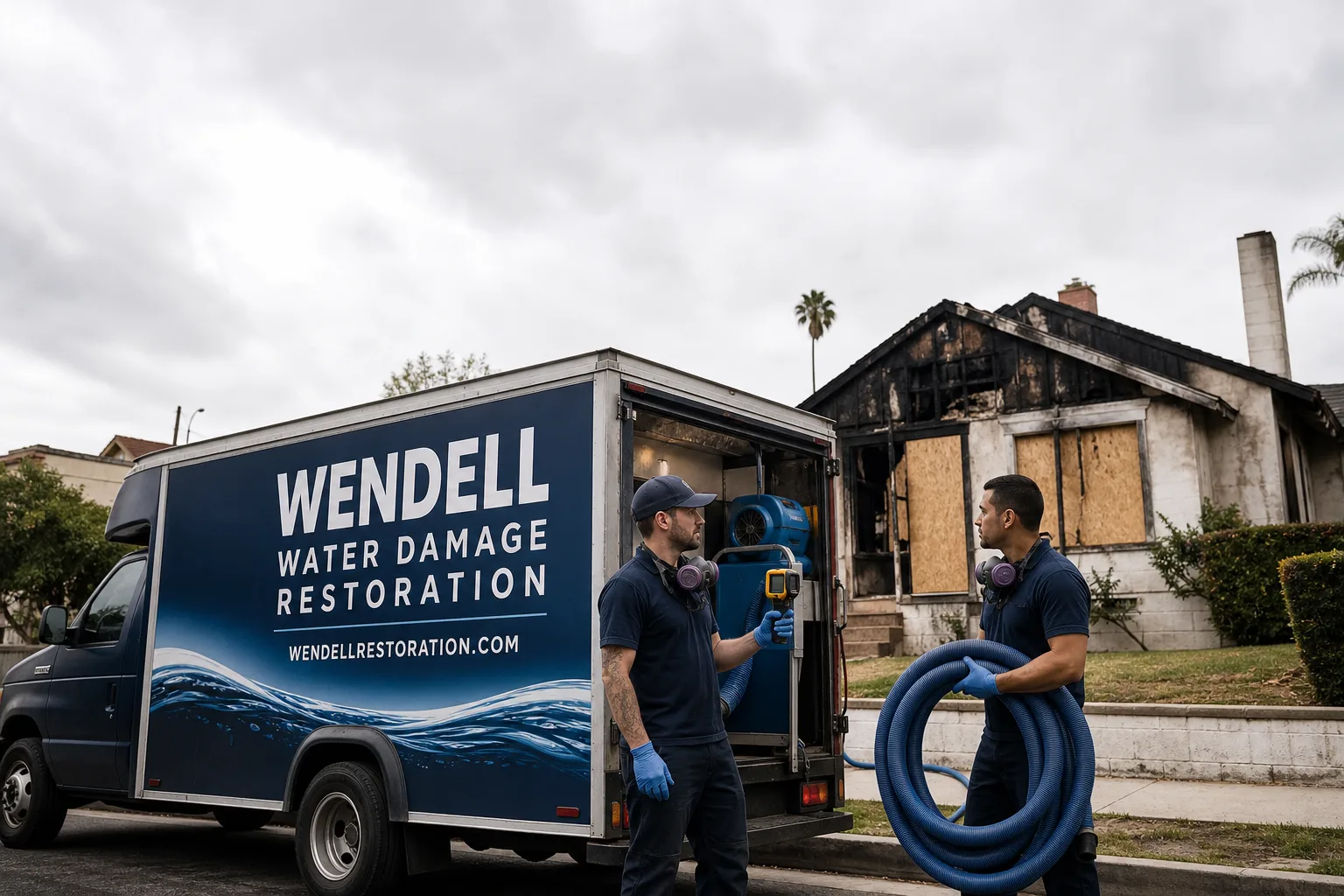
Free visual inspection and a written scope of work before any mitigation begins - photos, moisture readings, and drying logs go in your claim file
The scope we write is the scope we bill. Anything new gets shown to you, in writing, before we touch it.
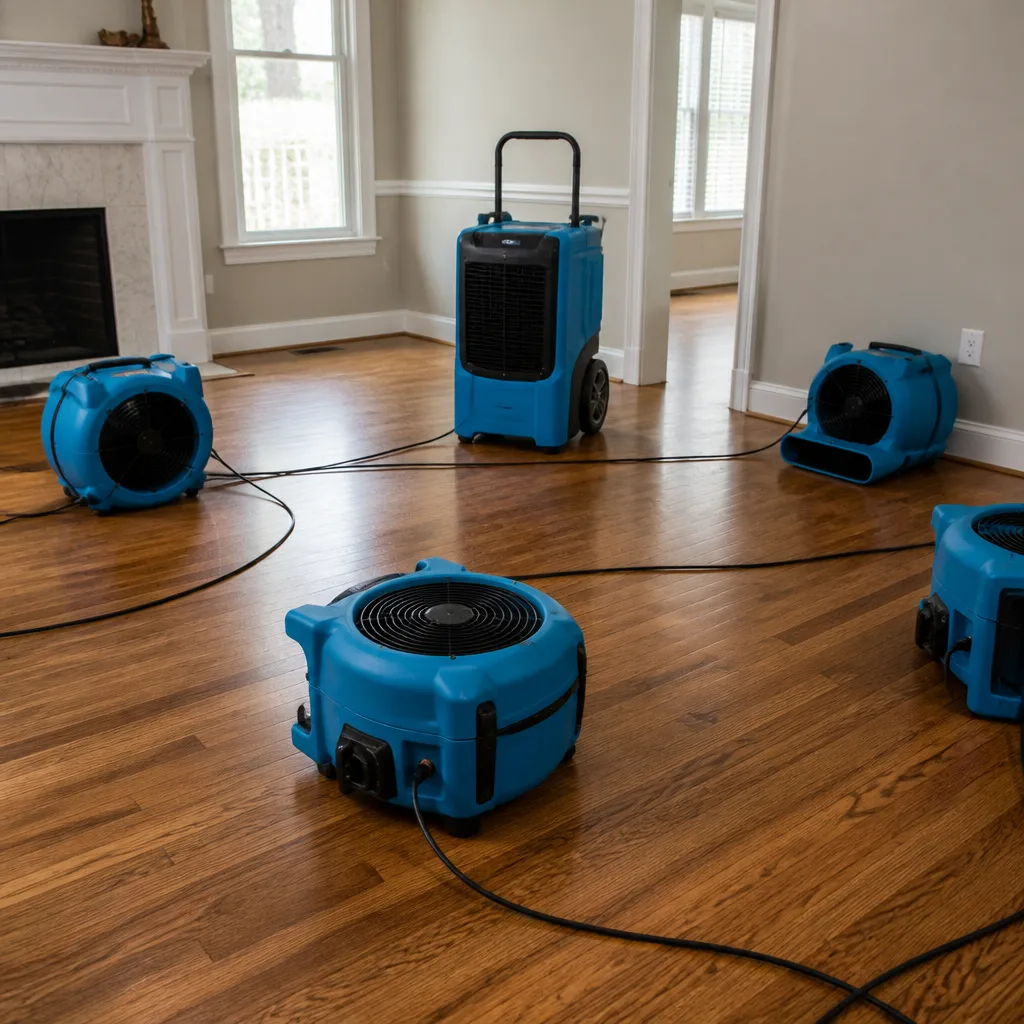

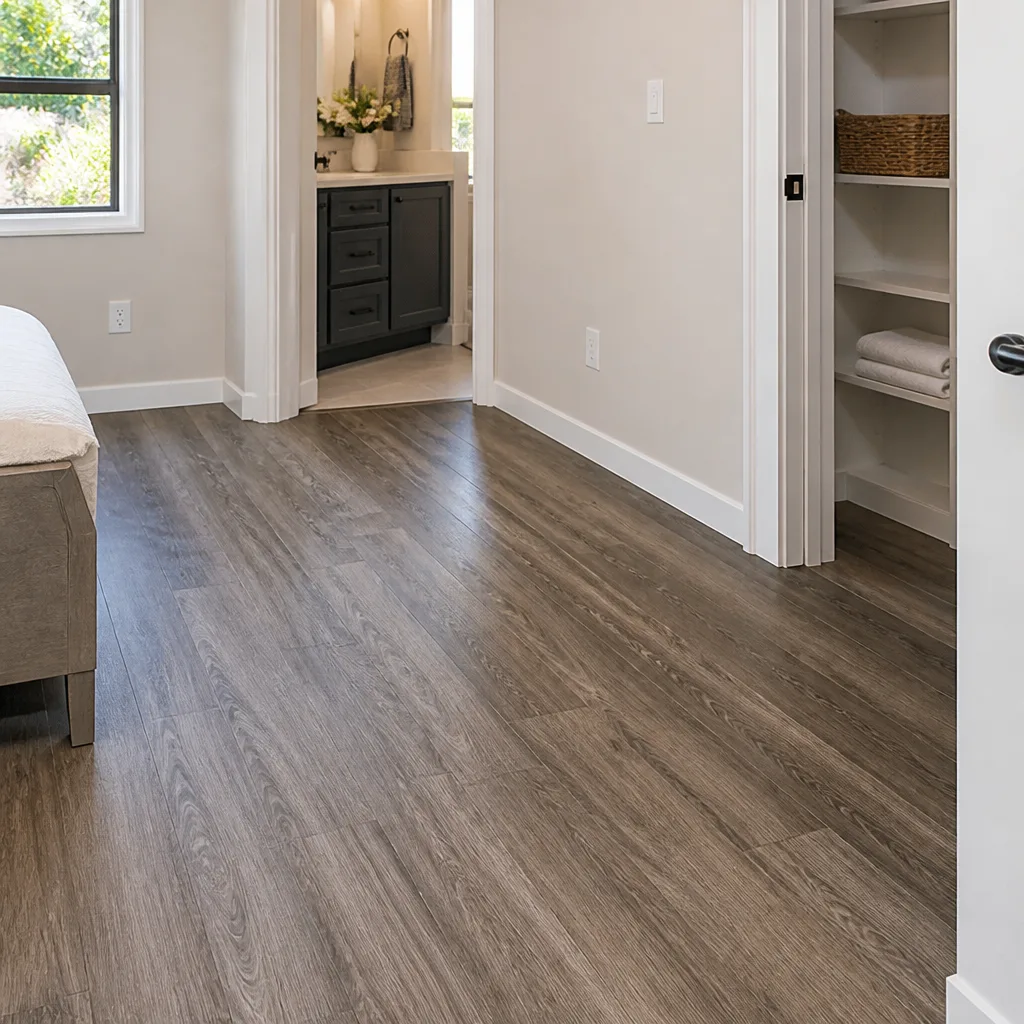

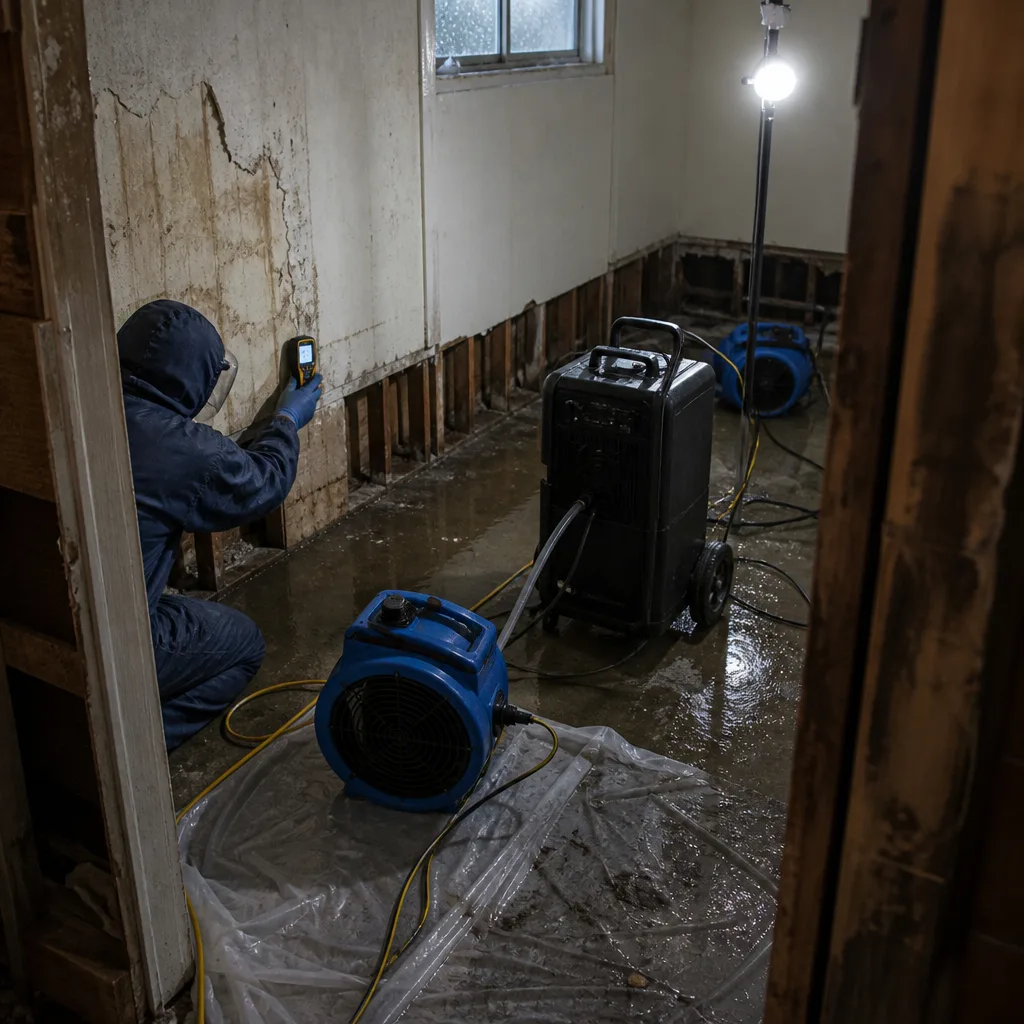 Before
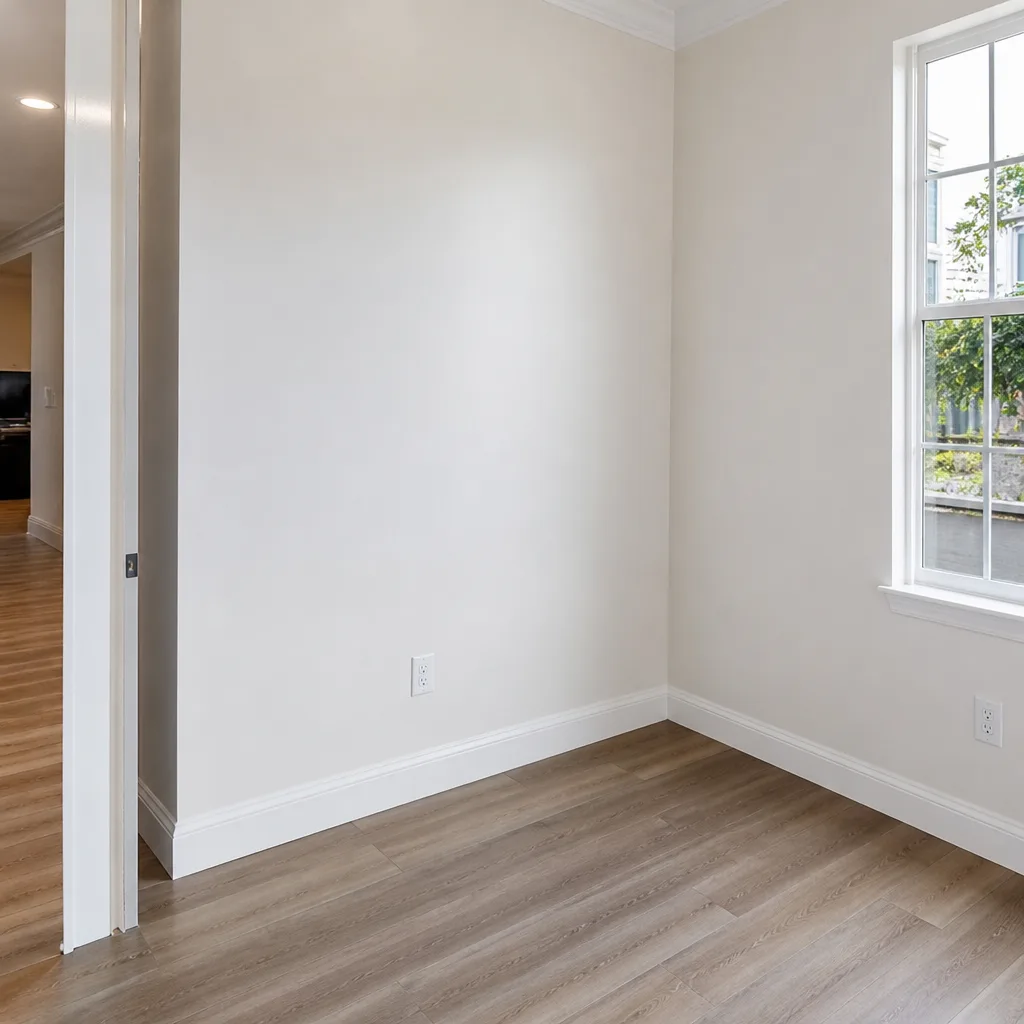 After
After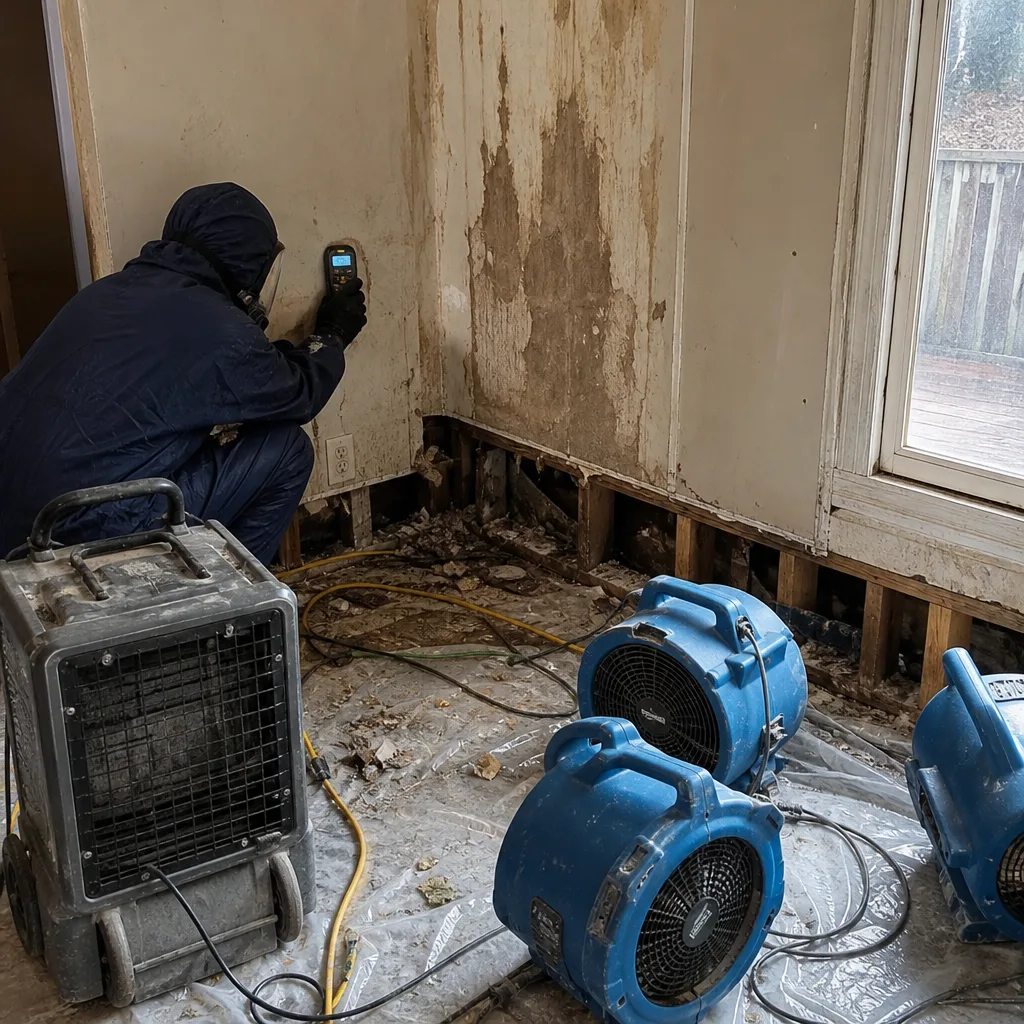 Before
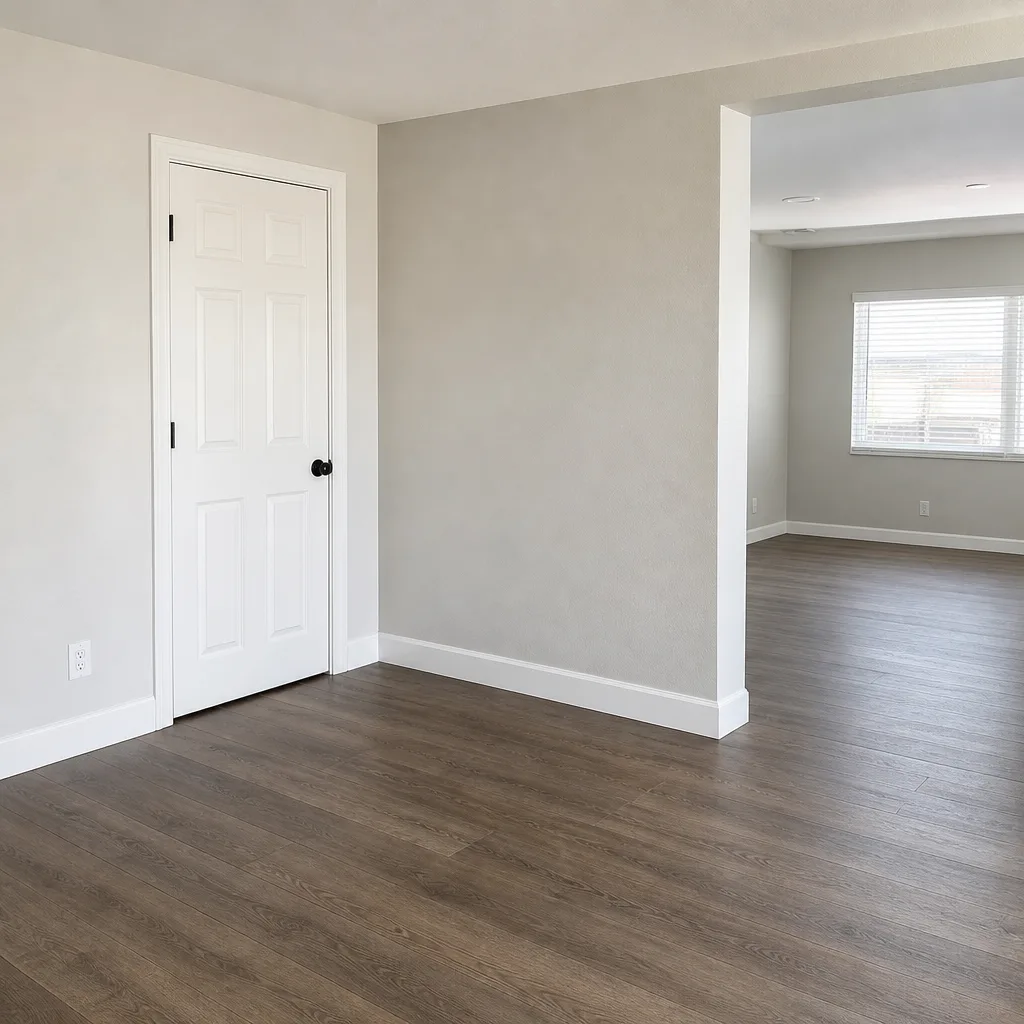 After
After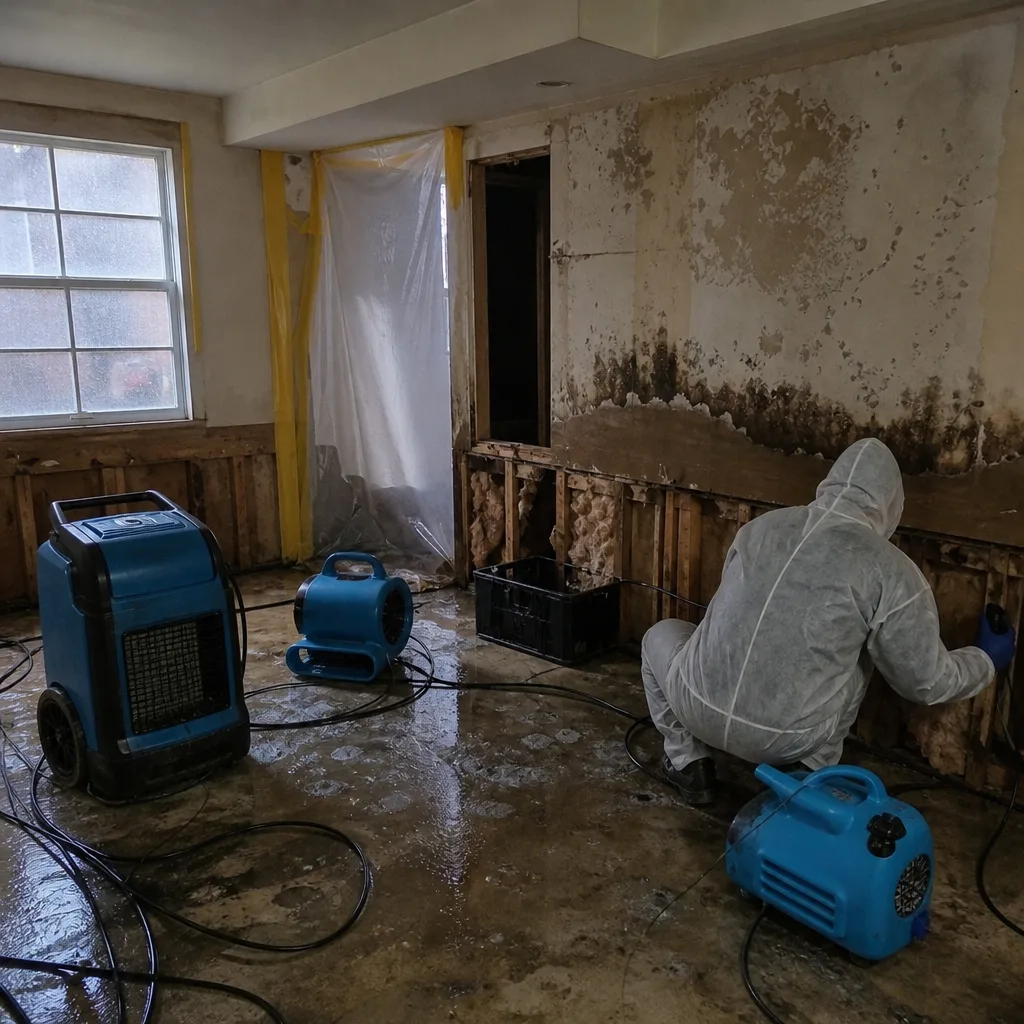 Before
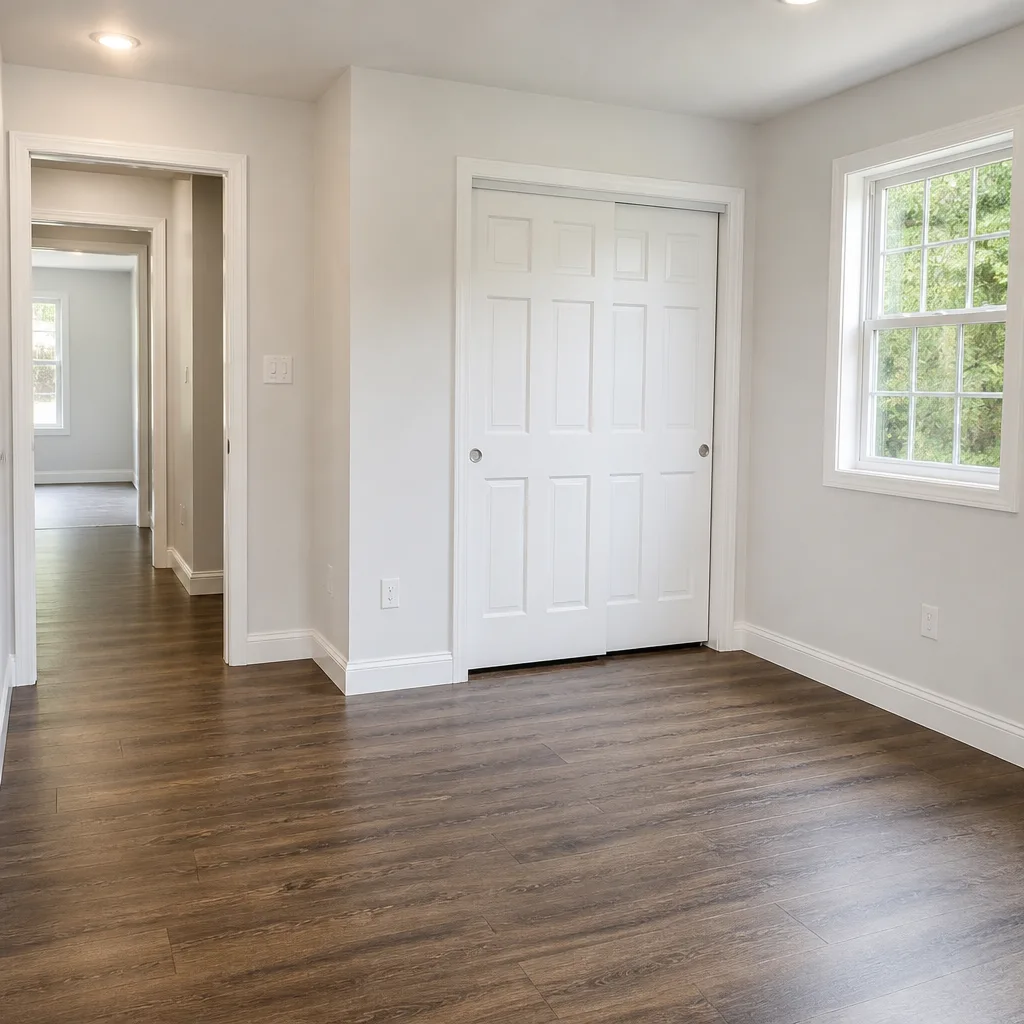 After
AfterWater Damage Repair Stopped Working
When a water damage repair stops working, it almost always means the original moisture problem was not fully dried before repairs were sealed over, or a hidden source of water is still active. Either way, the fix didn’t fail because of bad luck. It failed because something was left behind.
You might be seeing paint bubbling again, a soft spot returning to a floor, a musty smell you thought was gone, or a stain bleeding back through fresh drywall. These are not cosmetic nuisances. They are the surface telling you that conditions below it never changed. The longer a re-wetted repair sits, the more material gets involved, and the harder the eventual fix becomes. If you’re standing in front of this right now, the right move is to understand what you’re looking at before you patch over it again.
Why It Happens
The Structure Was Sealed Before It Was Dry
This is the most common reason a water damage repair fails. A technician or contractor closes up drywall, installs flooring, or paints over a surface before moisture readings confirm the substrate is genuinely dry. Wood framing, subflooring, and concrete all hold moisture longer than they look like they do. If the repair was done in a week or less after a significant water event and you’re seeing the same symptoms return, this is the likely cause. Check whether the original work included moisture readings or drying equipment, because most failed repairs didn’t.
The Source of Water Was Never Found
A repair fixes the damage, not the problem. If a slow leak behind a wall, under a slab, or at a roofline was missed, the repair will keep failing until the source is found and stopped. Watch for stains that appear in the same spot after rain or after running water in the house. A stain that reappears within a day or two of water use nearby is a strong signal that an active leak is still feeding the area.
Mold Grew Inside the Repair Before It Was Closed
Mold can begin colonizing wet building materials within 24 to 72 hours of water contact. If repairs were made without professional drying and remediation, mold may have been sealed inside the wall cavity or beneath the flooring. Signs include a persistent musty smell that returns even after repainting, soft spots on drywall that feel slightly spongy, or discoloration that bleeds through finish coats. This situation requires mold remediation, not a second round of cosmetic repair.
The Wrong Materials Were Used for the Exposure
Standard drywall, standard joint compound, and untreated wood will absorb water again the moment moisture conditions return. If a previous repair used the same materials that failed the first time, in a space that stays humid or that has had repeated water events, the repair is going to absorb and degrade again. You can usually tell because the failure looks identical to the original damage, just happening faster. The fix here is material selection and addressing the humidity source, not just replacement.
What to Do Right Now
- Stop using the water source closest to the failure. If the repair is near a bathroom, laundry, or kitchen, stop running water there until the cause is confirmed. This keeps the failure from getting larger while you wait.
- Photograph everything you can see. Take photos from multiple angles and in good lighting. Capture the full extent of staining, soft areas, or visible mold. These photos matter for your insurance claim and give a technician a clearer picture before they arrive.
- Do not paint over or patch it again. Covering the symptom seals whatever is growing or staying wet below it, which makes accurate moisture readings harder and the eventual repair more expensive.
- Check under sinks, around the base of the toilet, and along the waterline to appliances for active drips. If you find an obvious active leak, turn off the water supply to that fixture. If you cannot locate the shutoff or the source, turn off the main.
- If you see significant mold growth – a patch larger than a few inches, or growth on HVAC components – do not disturb it. Disturbing a mold colony releases spores into the air. Leave it in place, close the room if you can, and call your local Wendell Water Damage Restoration team to assess it properly.
How We Fix It
When your local Wendell Water Damage Restoration team arrives, the first step is always a full moisture assessment, not a visual check. Technicians use calibrated moisture meters and thermal imaging to find exactly how far the moisture has traveled and whether any source is still active. Nothing gets opened up and nothing gets replaced until we know what we’re actually dealing with.
From there, the path usually runs through two services: Water Damage Restoration to extract any remaining moisture and fully dry the structure using Dri-Eaz, Phoenix, XPOWER, B-Air, and Injectidry equipment under IICRC, RIA, and IFA standards, followed by Water Damage Repair to rebuild the damaged materials correctly once the substrate is confirmed dry. If mold is present, Mold Remediation is completed before any repair begins.
Before any of that starts, you get a written price. The number on the screen is the number you pay. Every repair is backed by the 365-Day Done Right Promise: if it’s not done right, we make it right. That’s in writing on every job.
Frequently Asked Questions
It can wait, but the damage will not. Active moisture and mold move fast, and a repair that’s already failing is exposing more material to damage with each passing day. The better path is to have your local Wendell team assess and document it now – the photo documentation we provide is exactly what insurance adjusters need anyway, and we can coordinate directly with your adjuster. Call (940) 466-4354 and we’ll get someone out to you.
It depends on what failed. A cosmetic repair that’s blistering is a nuisance. A repair that failed over a subfloor, near electrical, or inside an HVAC cavity is a different matter. Wet framing near an electrical panel or junction box should be treated as a hazard and assessed by a professional before the area is used. If you have any doubt about what’s behind the failure, don’t probe it yourself. Call (940) 466-4354 and let a background-checked, uniformed technician take the assessment from there.
A live person answers our line 24/7, not a callback queue or a voicemail. When you call (940) 466-4354, you’ll reach someone who can schedule your local team and give you a real arrival time you can track, not a vague four-hour window. Whether it’s the middle of the afternoon or past midnight, that’s how we work.
It depends on your policy and the documented cause of the failure. Many policies cover water damage remediation when it stems from a sudden or accidental event, and a repair that failed because of inadequate drying may fall under that original claim. We document the scope with before-and-after photos and provide a written scope of work, which are the two things adjusters ask for first. Call us and we’ll walk through what we’re seeing with you and your adjuster together.
Get It Fixed
Call (940) 466-4354 right now. A live person picks up, day or night. Your local Wendell Water Damage Restoration team will give you a real arrival time, a written price before anything starts, and the full assessment your failed repair actually needs.
Written by Blake Sorensen, Owner and Lead Restoration Technician, Wendell Water Damage Restoration, part of the Relay Home Co. family since 2006.
What Our Customers Say
"Estimate was in the app with photos. Final bill matched."
- Beth A."Ceiling repaired, painted, and matched. The patch around the old water stain is invisible after painting."
- Clara T."Respectful crew, daily updates, and no surprises."
- Yasmin O.