
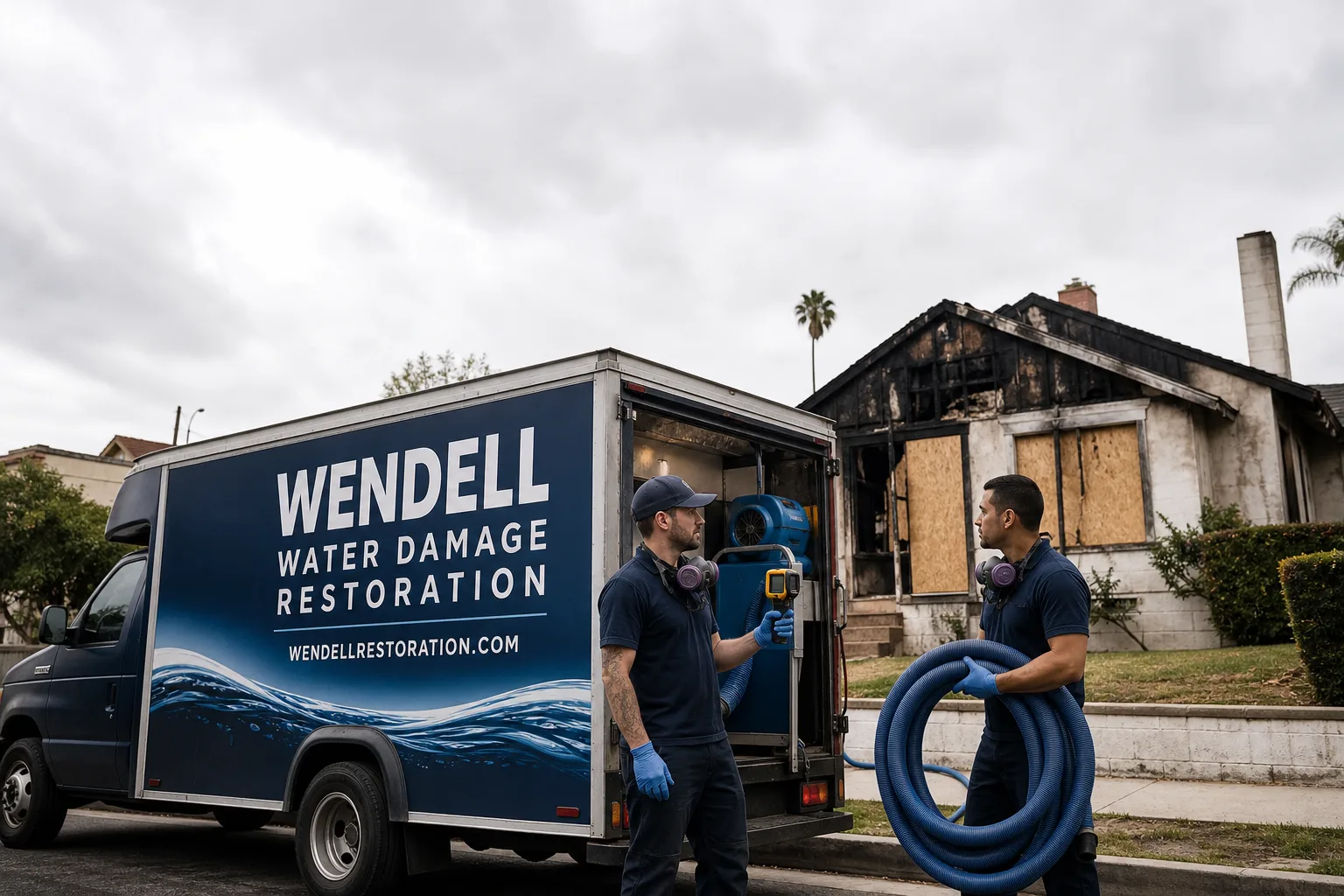
Free visual inspection and a written scope of work before any mitigation begins - photos, moisture readings, and drying logs go in your claim file
The scope we write is the scope we bill. Anything new gets shown to you, in writing, before we touch it.
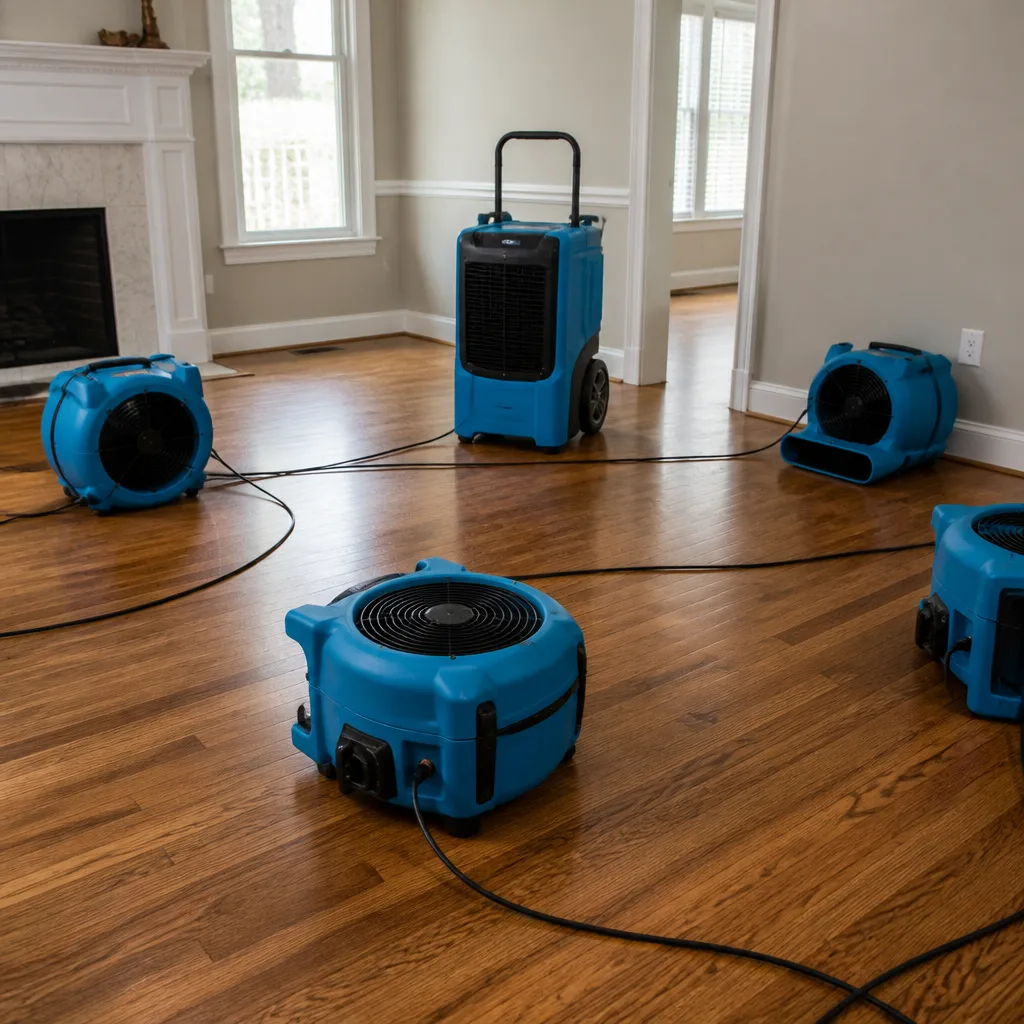

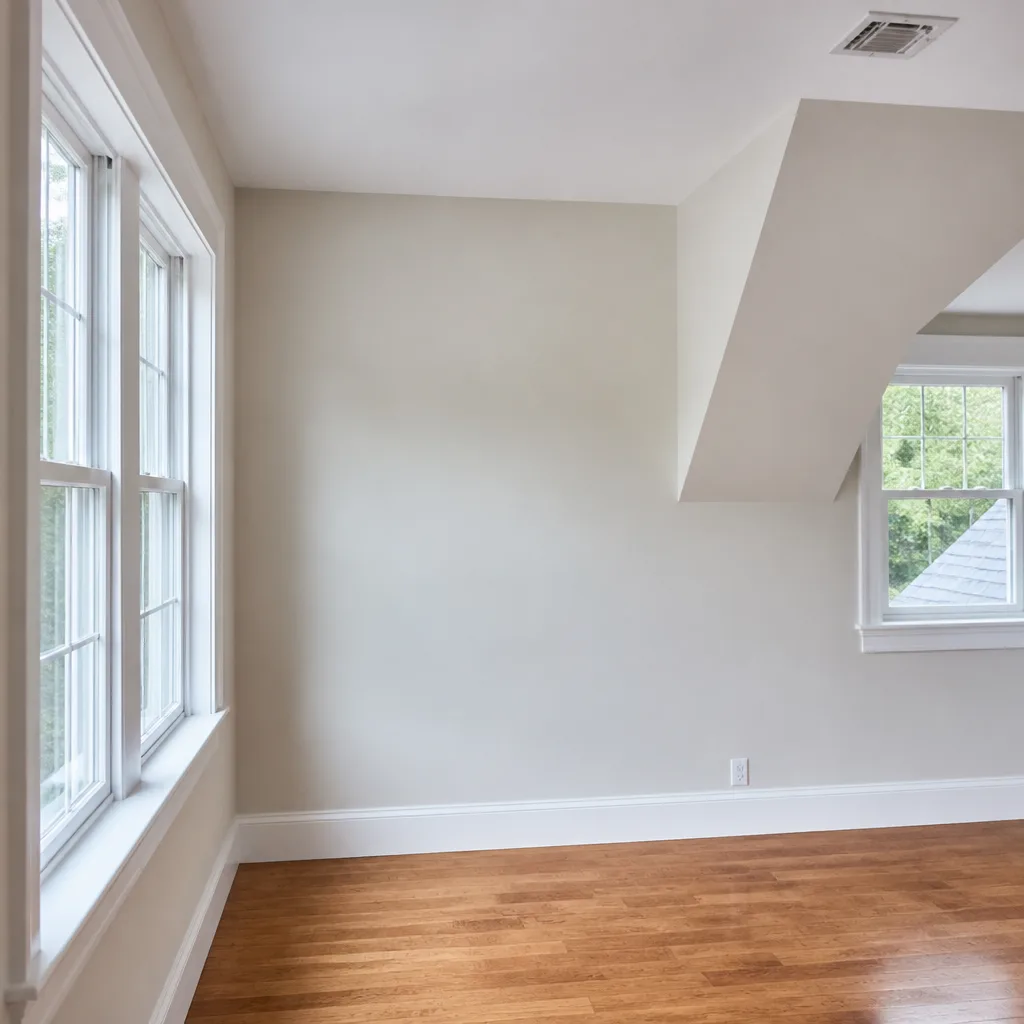


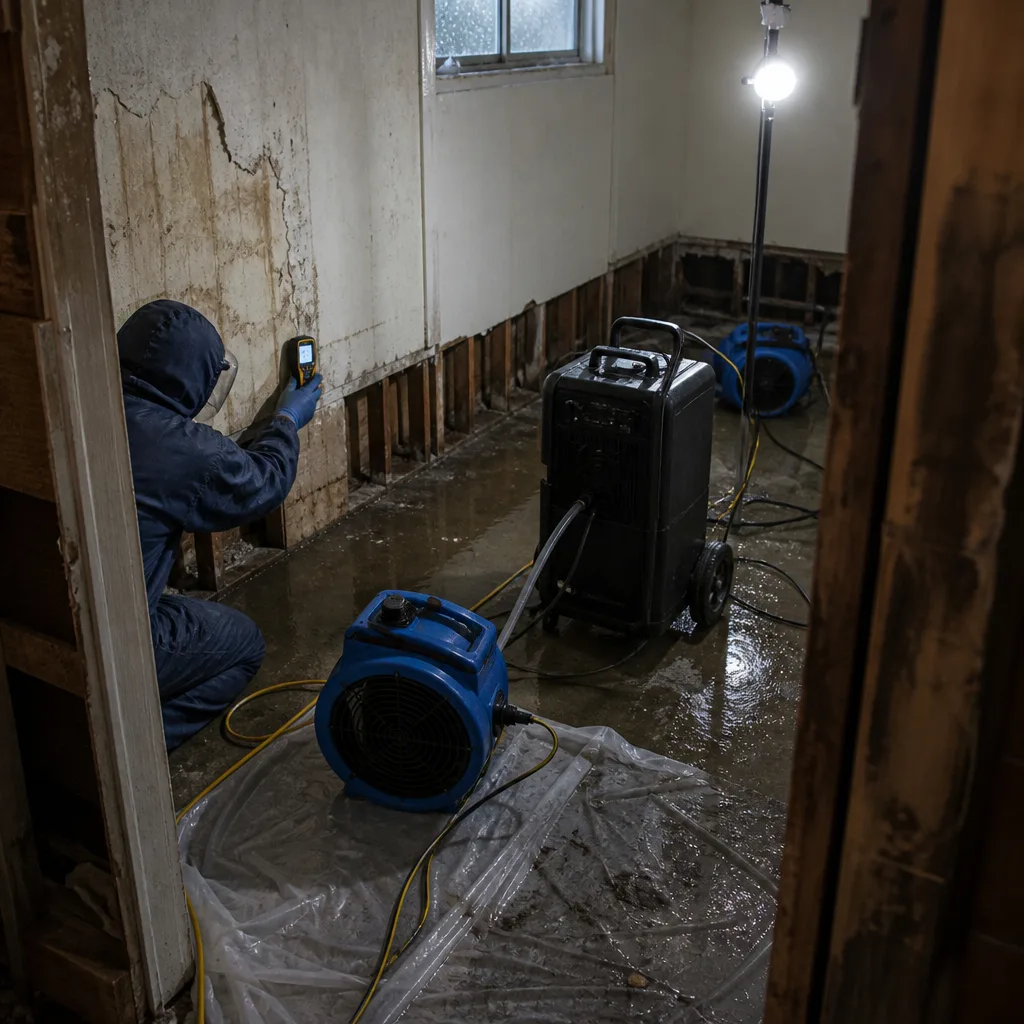 Before
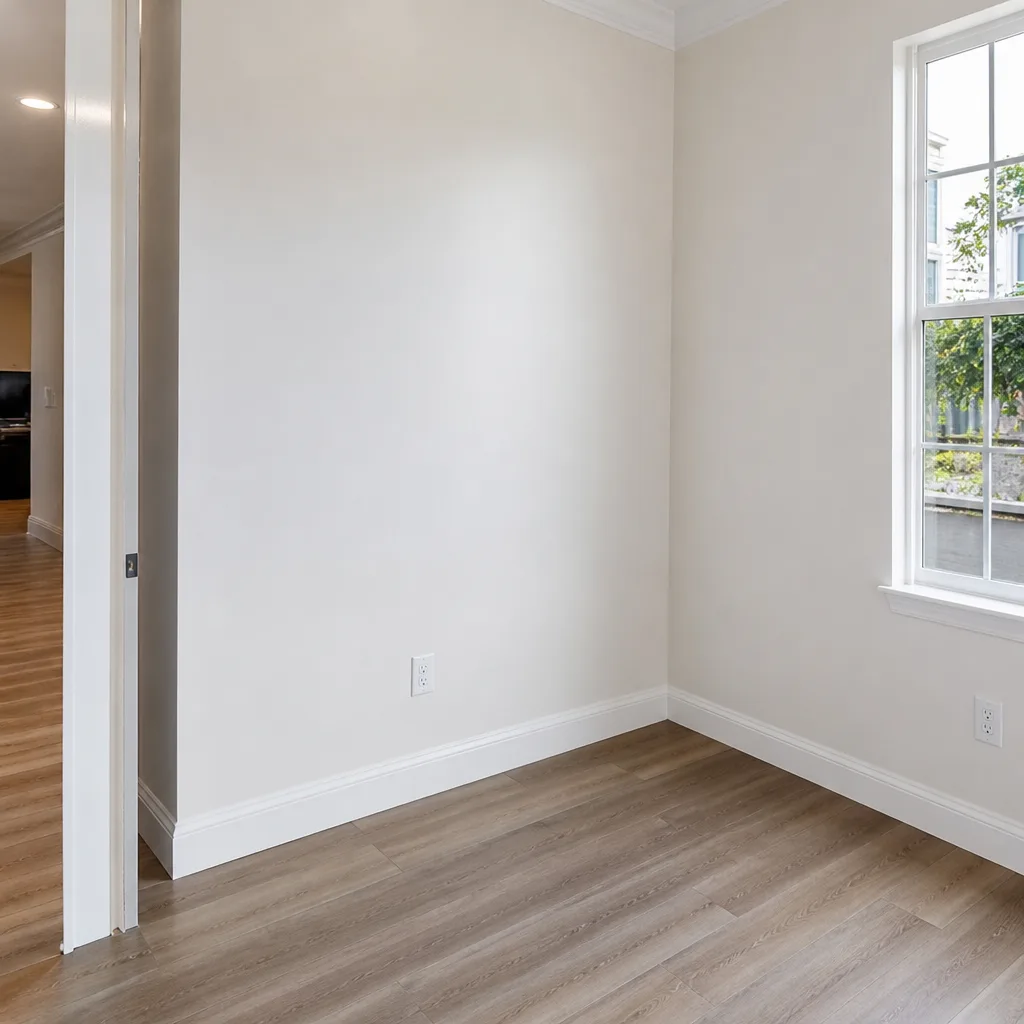 After
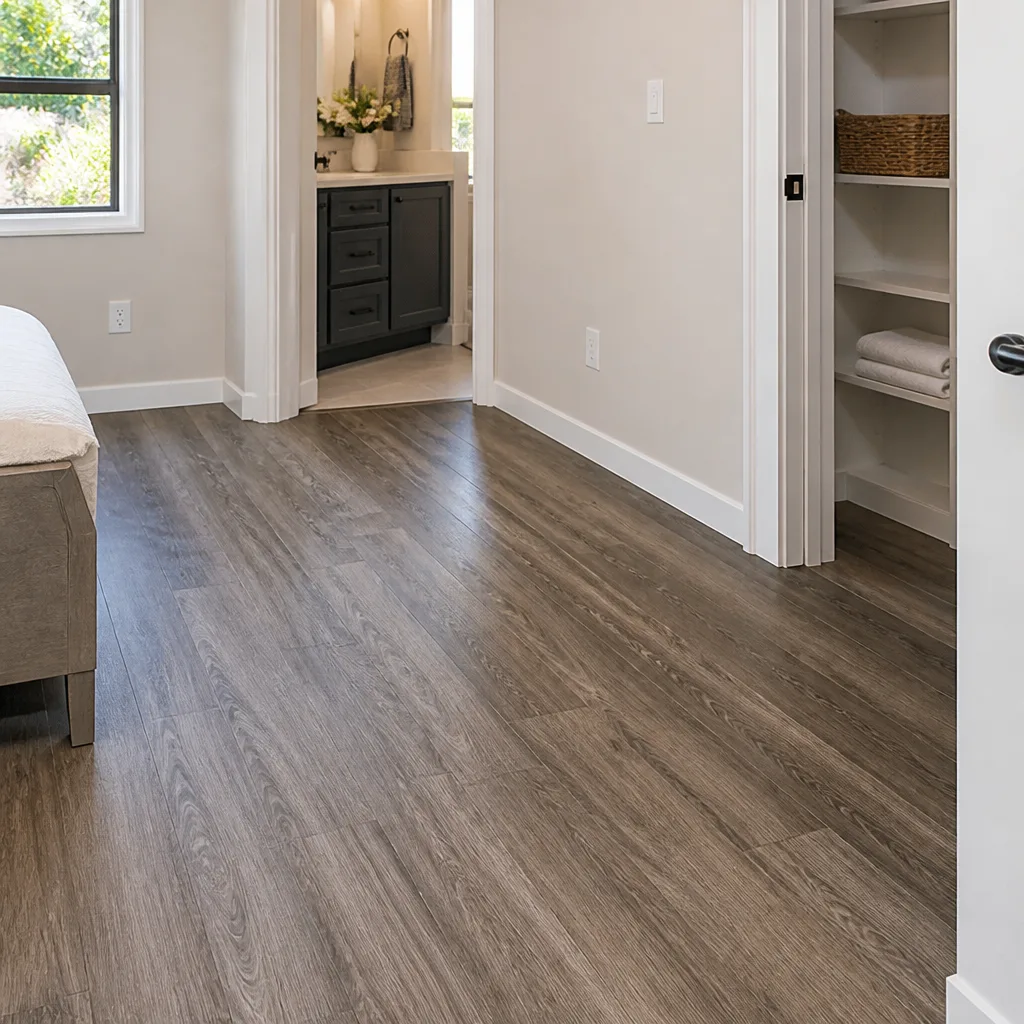
After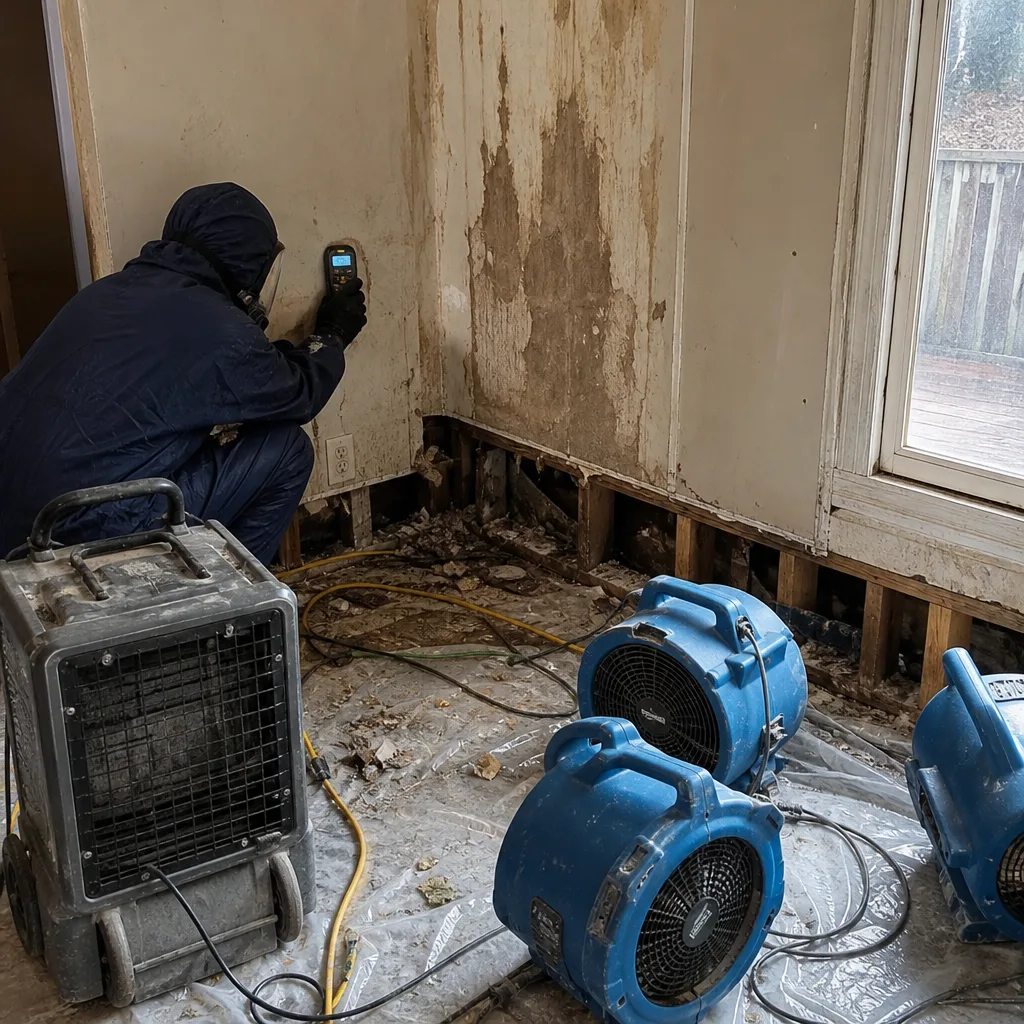 Before
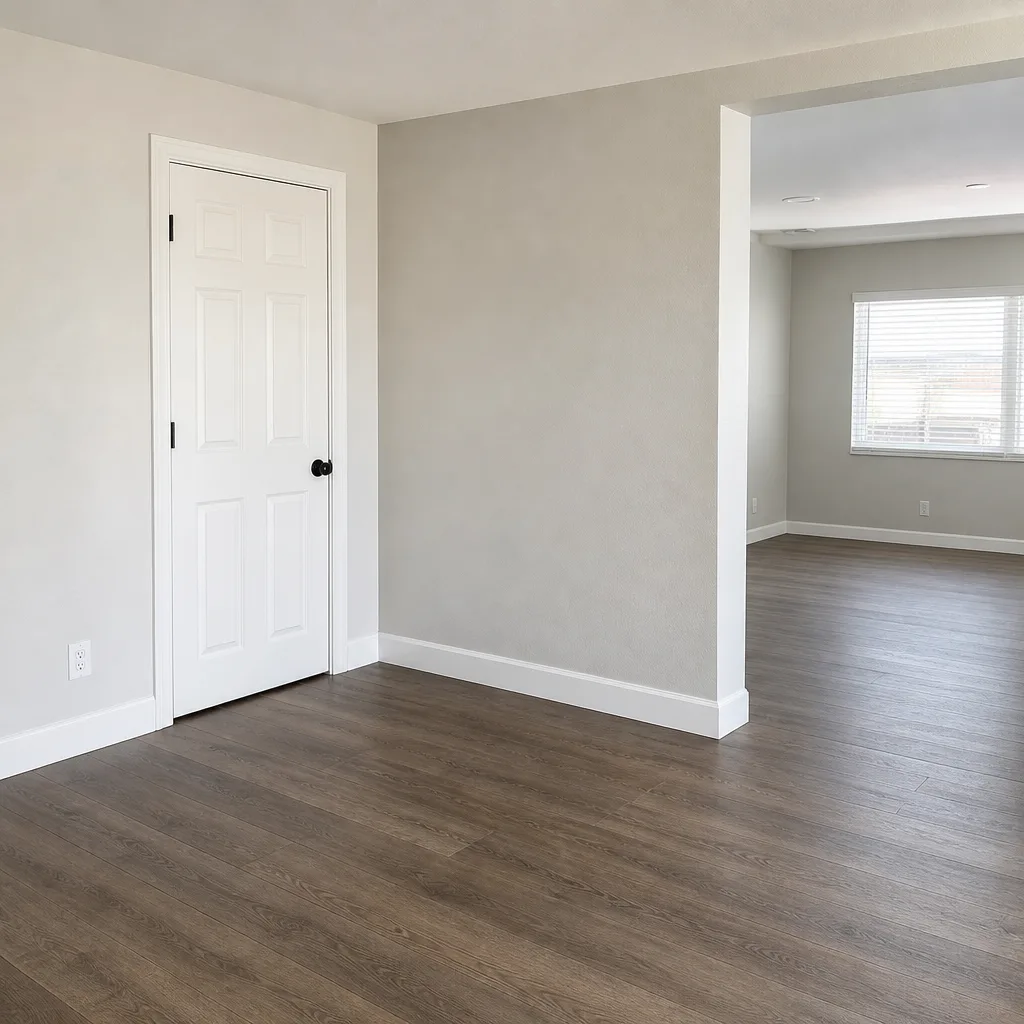 After
After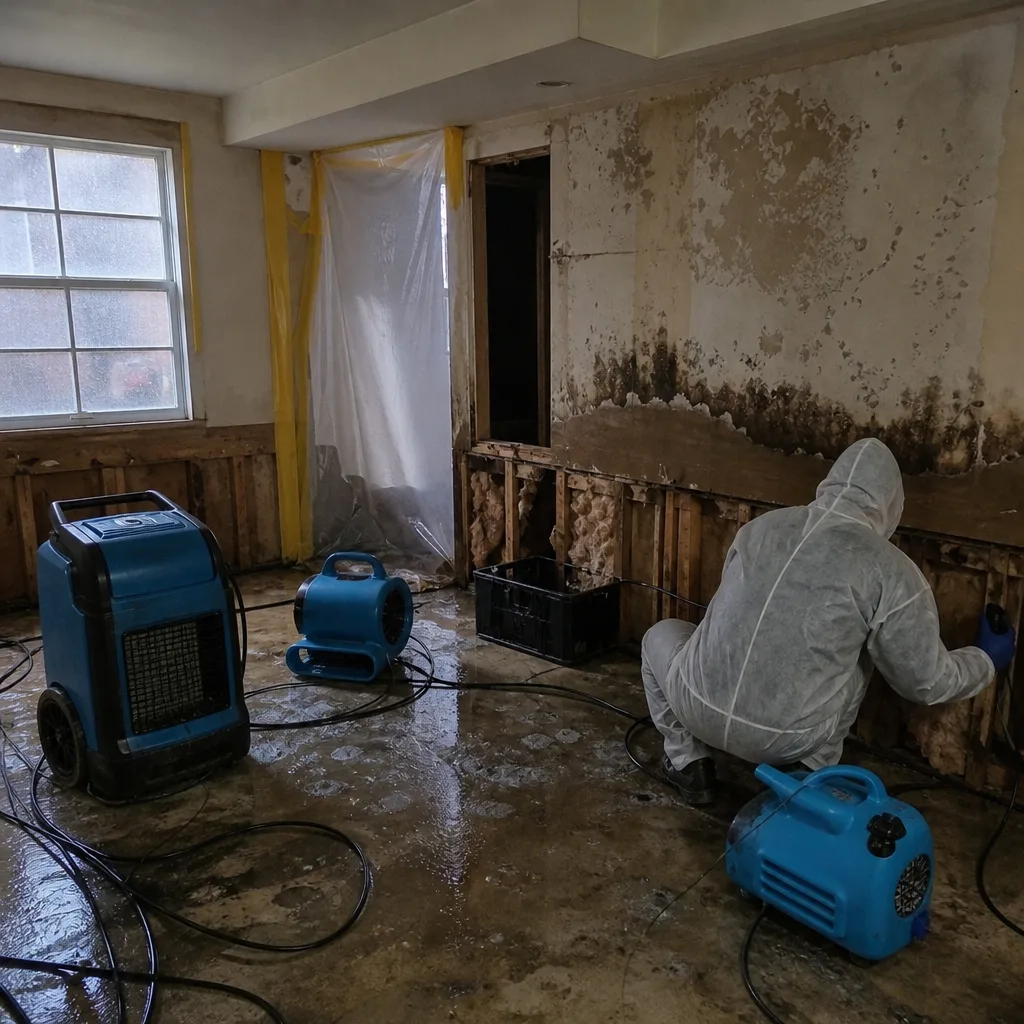 Before
 After
AfterWater Damage First 24 Hours: What You’re Looking At and What to Do Now
Water damage in the first 24 hours almost always means active or very recent moisture intrusion that has already started soaking into building materials below the surface. The visible wet patch is rarely the whole problem – the water has moved further than you can see. Getting professional drying equipment on-site within that first window is the single most effective thing you can do to limit how much comes apart later.
Water moves fast and hides well. It travels along floor joists, wicks up drywall paper, and pools inside wall cavities where you won’t notice it until there’s a stain, a soft spot, or a smell. What looks like a small puddle on the surface can mean saturated subfloor, soaked insulation, and the beginning of a mold-friendly environment – all within a few hours of the original event. The first 24 hours are genuinely the most important window. After that, secondary damage accelerates and the restoration scope almost always grows.
Why It Happens
A Burst or Leaking Supply Line
Supply lines are the small braided hoses running to your sink, toilet, dishwasher, or refrigerator ice maker. They’re under constant pressure, and when a fitting fails or the line itself cracks, water doesn’t trickle – it runs. You’ll usually find the water nearest to an appliance or fixture, and the flow stops or slows when you shut off the main water supply. If closing the main stops the spread, a supply line failure is the most likely culprit.
A Failed or Overflowing Appliance
Washing machines, dishwashers, and water heaters are among the most common sources of sudden interior flooding. A washing machine can dump 15 gallons in minutes if a drain hose pops loose. Water heaters fail at the base, sometimes slowly for weeks before you notice pooling around the tank. The tell here is location: appliance floods tend to stay in one room at first, with water tracking out along the lowest path.
A Roof Leak or Structural Penetration
After heavy rain or wind, water can enter through a failing roof membrane, a cracked flashing joint, or a compromised vent boot. The water follows roof decking and framing down into ceiling cavities, then appears as a stain or drip somewhere well below the actual entry point. If the damage appeared during or right after a storm and your main supply is intact, the roof or an exterior wall joint is worth checking from the inside first – do not go on the roof yourself in wet or windy conditions.
Sewage or Drain Backup
A backed-up drain or sewer line pushes contaminated water up through floor drains, toilets, or tub drains. The water is darker, has an obvious odor, and may contain visible solids. This is a category-three water event by IICRC classification, meaning it carries pathogens and requires a very different response than clean water flooding. If you’re seeing sewage backup, stop using all water fixtures in the home immediately and keep people and pets out of the affected area until a technician assesses it.
What to Do Right Now
- Stop the source if you safely can. Find your main water shutoff and turn it off if a pipe or appliance is the source. If the water is coming from outside or through the roof, skip this step – there’s no shutoff for rain.
- Cut power to affected rooms at the breaker panel if water is near outlets, appliances, or the panel itself. Water and live current together are a genuine emergency. If you’re unsure whether the panel itself is wet, do not touch it – call us and wait outside the area.
- Photograph everything before moving anything. Take wide shots of each room, close-ups of the water line on walls, and photos of the source if it’s visible. These images matter when you call your insurance carrier.
- Move what you can off the wet floor – rugs, furniture, paper, electronics – but don’t run fans or open windows yet if the outdoor humidity is high. Moving air into a wet space without professional moisture measurement can push moisture deeper into materials.
- Do not attempt to clean up sewage water yourself. If the water has an odor, is discolored, or came up through a drain, treat it as contaminated. Step back and call. No amount of towels and bleach replaces proper category-three remediation.
How We Fix It
When your local Wendell Water Damage Restoration team arrives, the first thing a technician does is a full moisture mapping assessment – thermal imaging and calibrated moisture meters across floors, walls, and ceilings to find exactly where the water has traveled. You get a plain-English report of what they find and a written price before a single piece of equipment is placed. No surprises.
From there, the drying plan is built around the actual readings, not a standard template. That means the right number of Dri-Eaz or Phoenix dehumidifiers, XPOWER or B-Air air movers, and in tighter cavities, Injectidry panel drying systems – all deployed to IICRC, RIA, and IFA standards. Equipment runs until moisture readings return to normal, which typically takes several days of monitoring and adjustment.
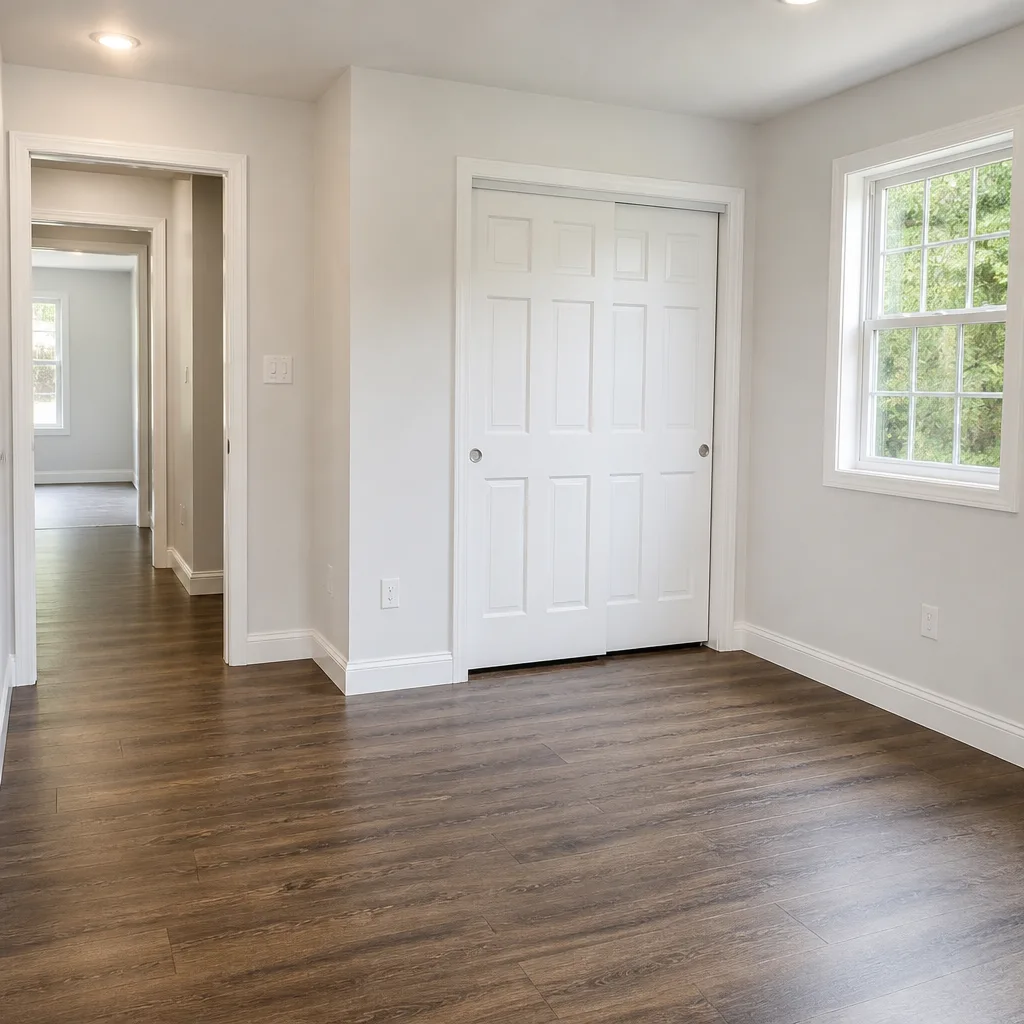
Every repair is covered by our 365-Day Done Right Promise: if it’s not done right, we make it right, in writing, on every job. If a repair fails, we come back – free. The service that resolves this is Water Damage Restoration, often followed by Water Damage Repair once structural drying is complete.
Frequently Asked Questions
It should not wait. Within 24 to 48 hours, wet drywall and wood framing become a viable environment for mold growth, and saturated subfloor materials begin to swell and delaminate. The longer standing or trapped moisture sits, the more material has to be removed rather than dried in place – which means a larger repair scope and higher cost. Call (940) 466-4354 now and get a technician on the way tonight.
Yes. A live person answers every call at (940) 466-4354, 24 hours a day, every day of the year. We don’t run a callback queue or a voicemail system for water damage calls. When you call, you’ll speak to someone who can dispatch your local Wendell team and give you a live arrival time you can actually track – not a four-hour window.
Sudden and accidental water damage – a burst pipe, a failed appliance, a roof breach from a storm – is typically covered under standard homeowner’s policies, though every policy has its own terms. Our technicians document everything with photos before and after, and the written scope from your free estimate is formatted to support your insurance claim. We can coordinate directly with your adjuster so you’re not the go-between on the technical details.
Consumer fans and rental dehumidifiers move air and pull some surface moisture, but they don’t have the extraction capacity of professional equipment, and they won’t tell you when the material is actually dry – only calibrated moisture meters do that. Drying to the wrong endpoint is one of the main reasons mold shows up weeks after what seemed like a resolved water event. Professional drying under IICRC standards removes the guesswork and gives you documentation that the job was finished correctly. Call (940) 466-4354 for a free written assessment.
Get It Fixed
Call (940) 466-4354 right now – a live person picks up every call, day or night. Your local Wendell Water Damage Restoration team will give you a written price before anything starts, a live arrival time you can track, and a 365-Day Done Right Promise on every repair. Book in a tap at wendellwater.com.
Written by Blake Sorensen, Owner and Lead Restoration Technician, Wendell Water Damage Restoration – part of the Relay Home Co. family, operating under The Relay Visibility Guarantee since 2006.
What Our Customers Say
"Water damage repair to the baseboards and drywall was clean."
- Ted H."Estimate was in the app with photos. Final bill matched."
- Beth A."Ceiling repaired, painted, and matched. The patch around the old water stain is invisible after painting."
- Clara T.