
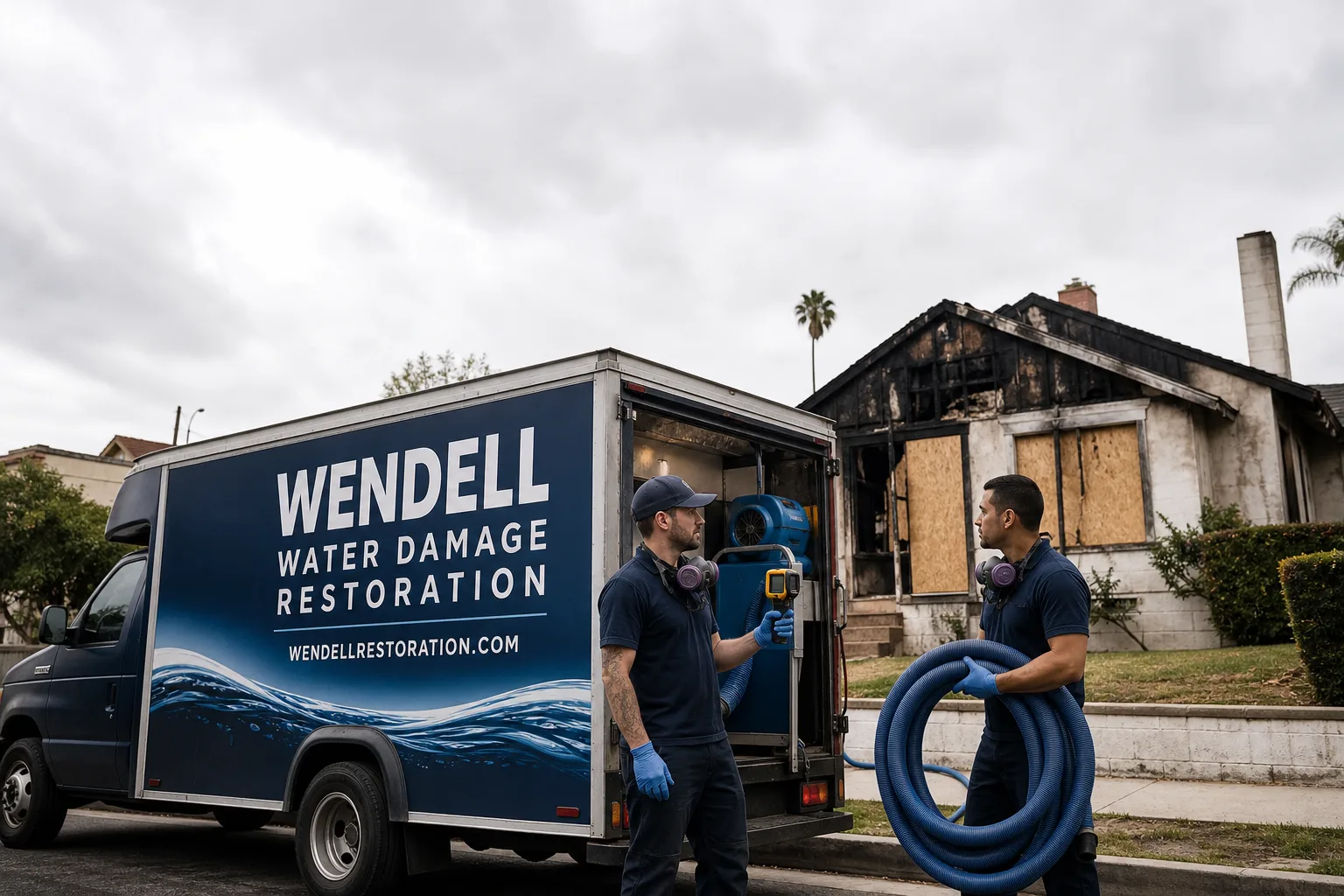
Free visual inspection and a written scope of work before any mitigation begins - photos, moisture readings, and drying logs go in your claim file
The scope we write is the scope we bill. Anything new gets shown to you, in writing, before we touch it.
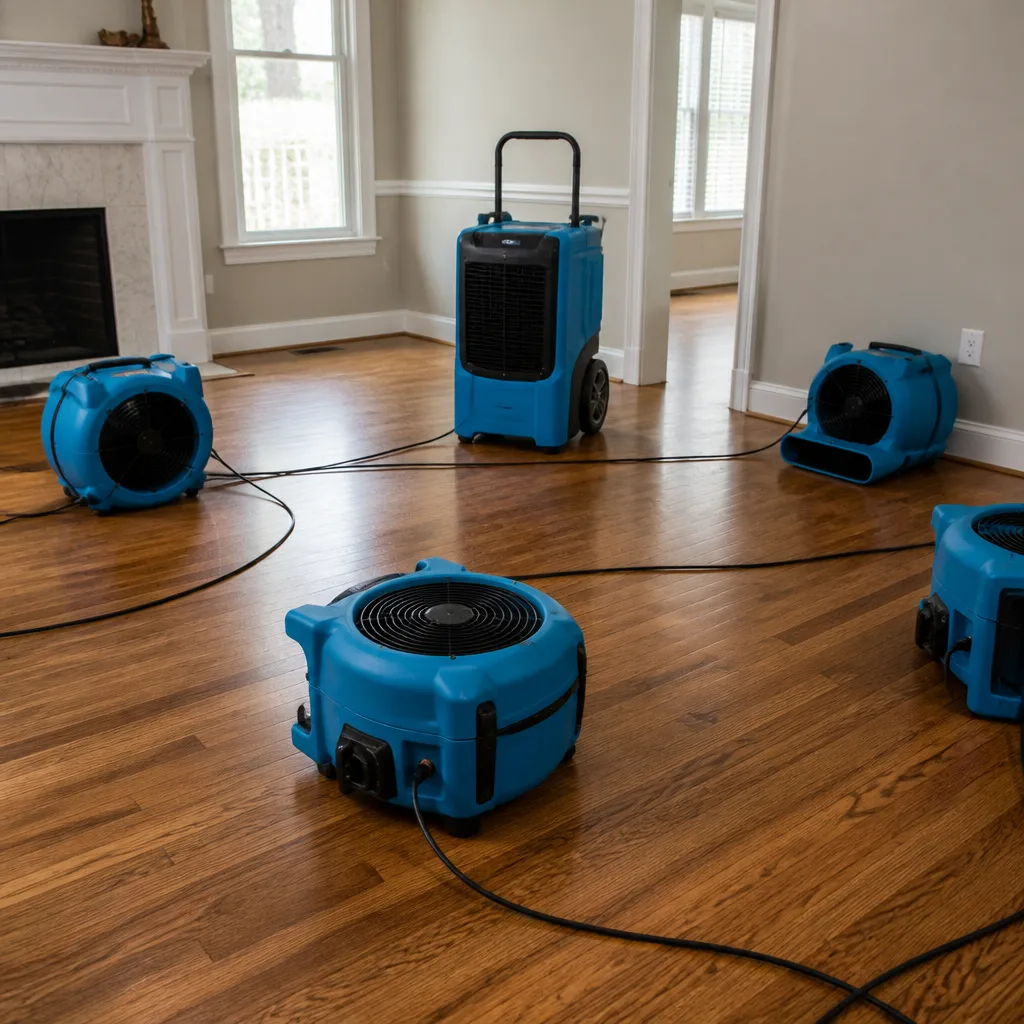

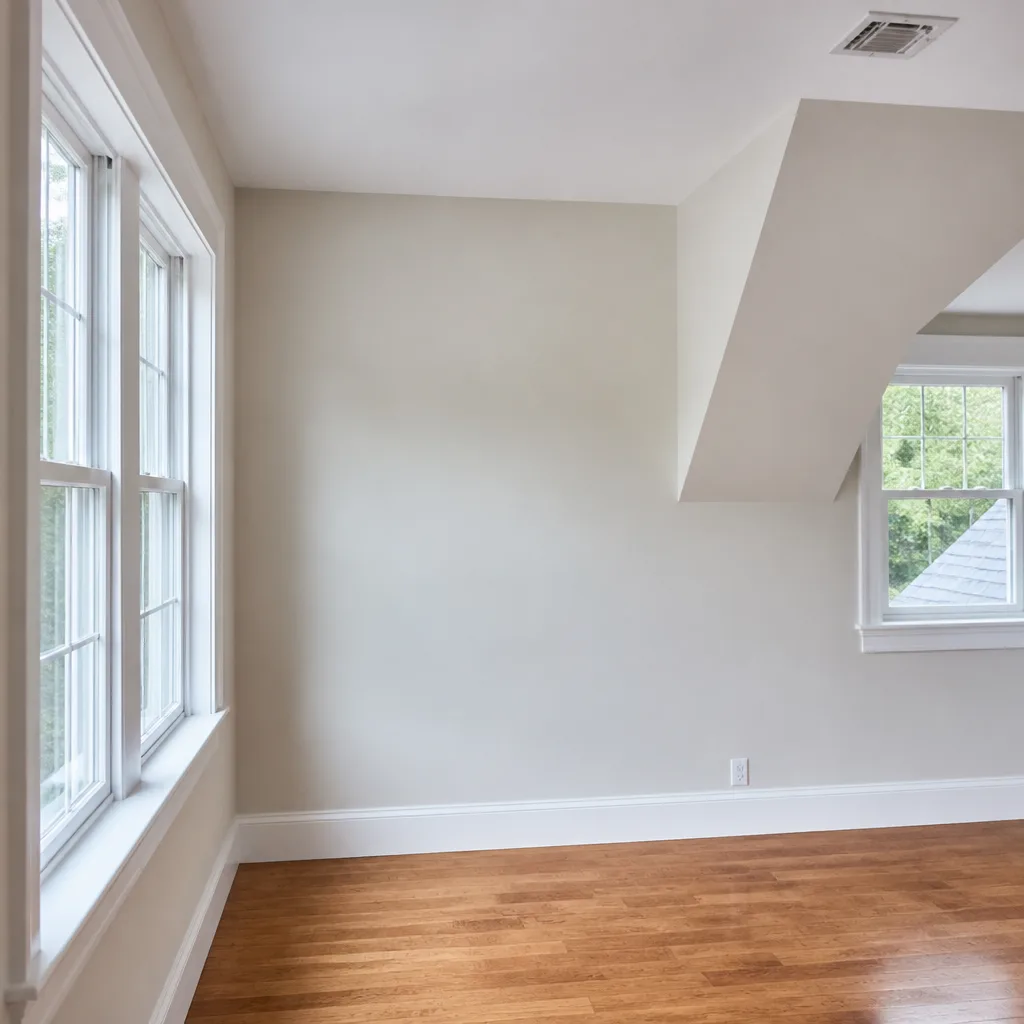


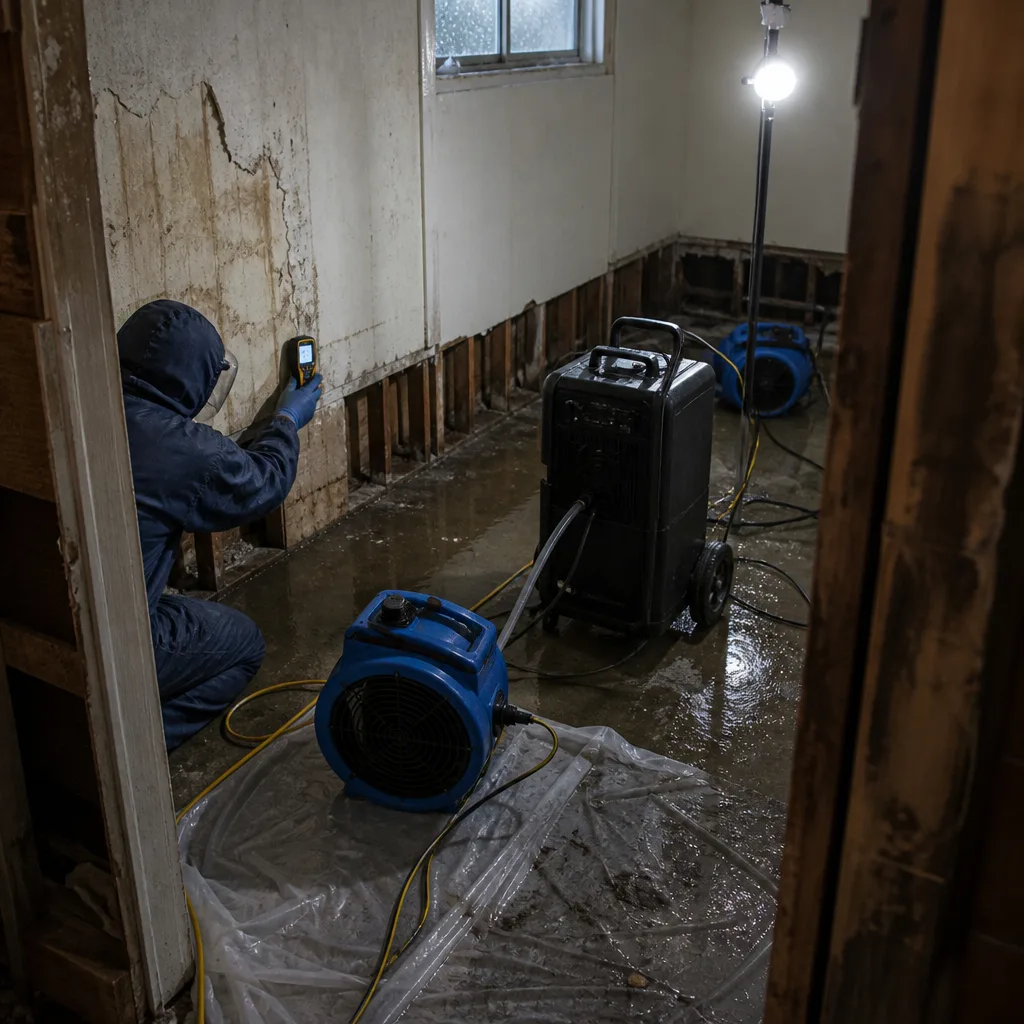 Before
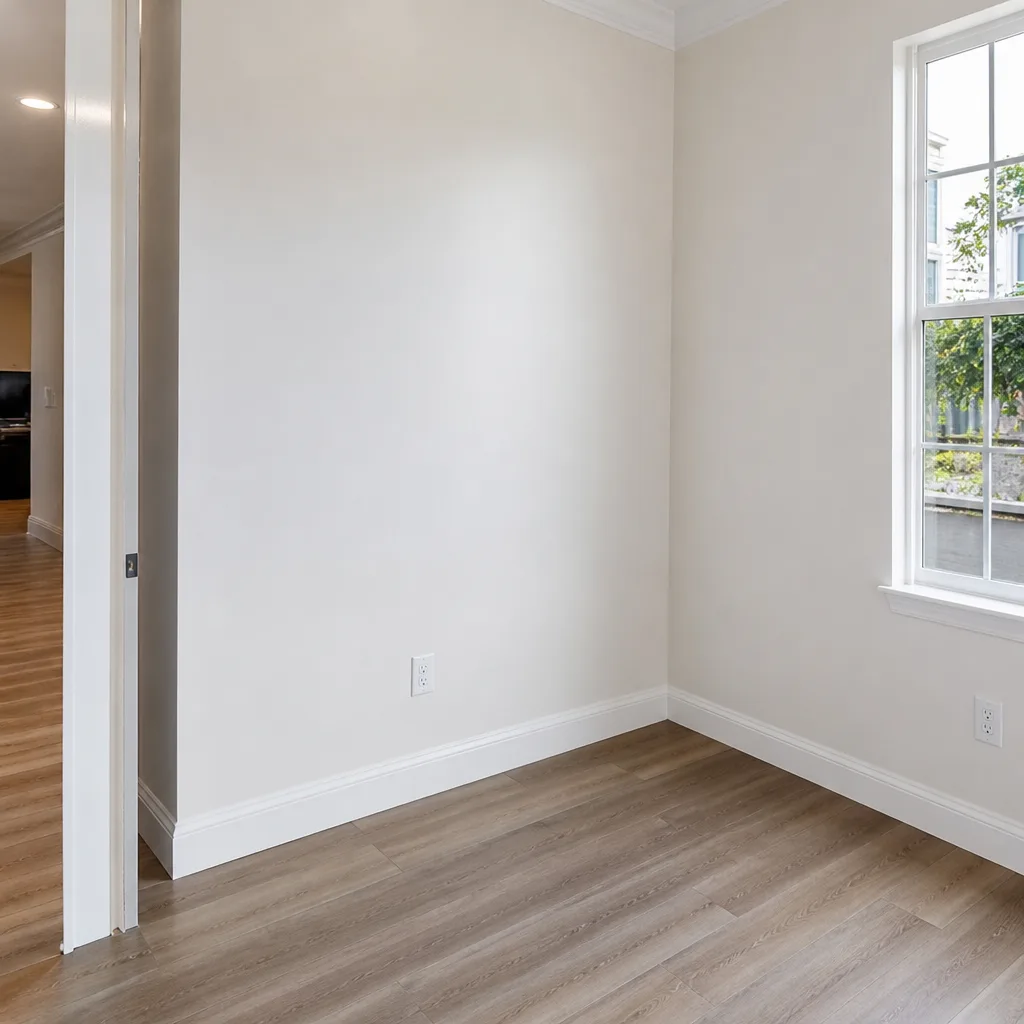 After
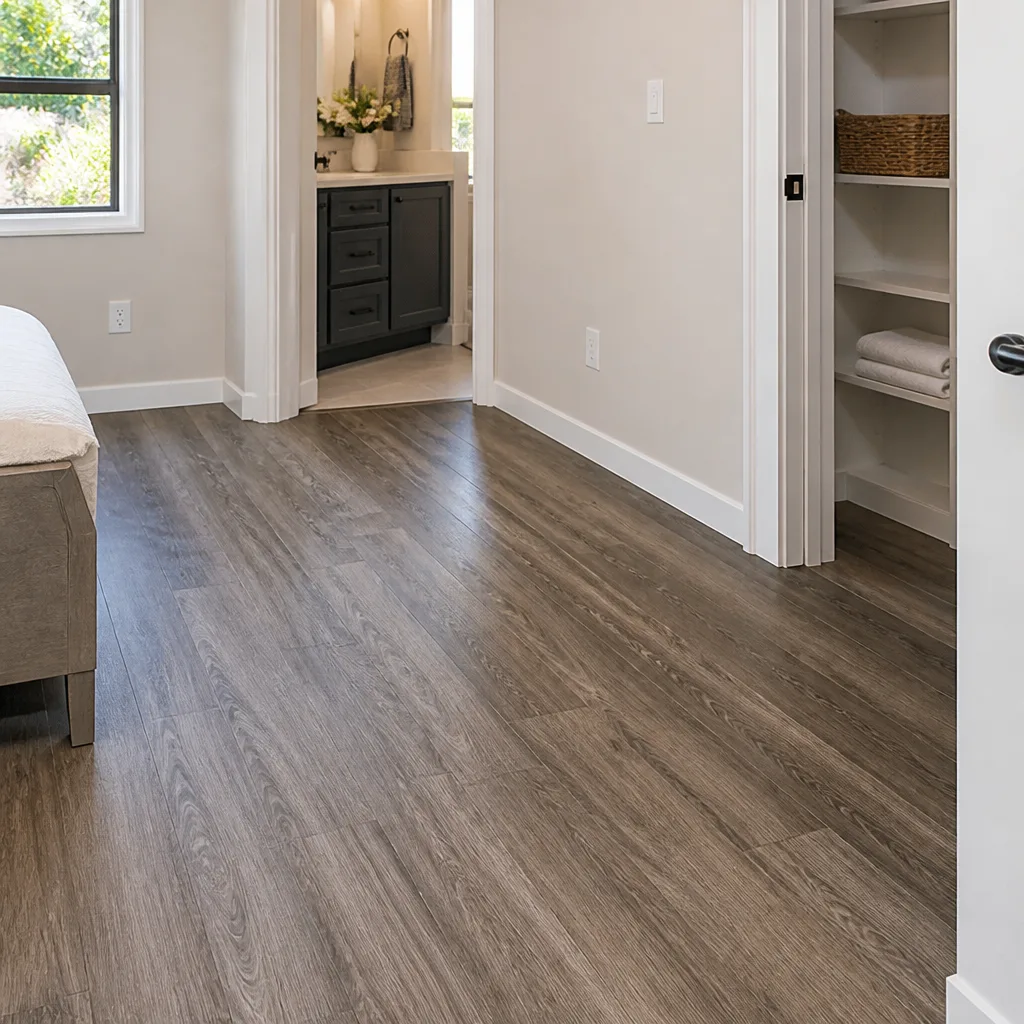
After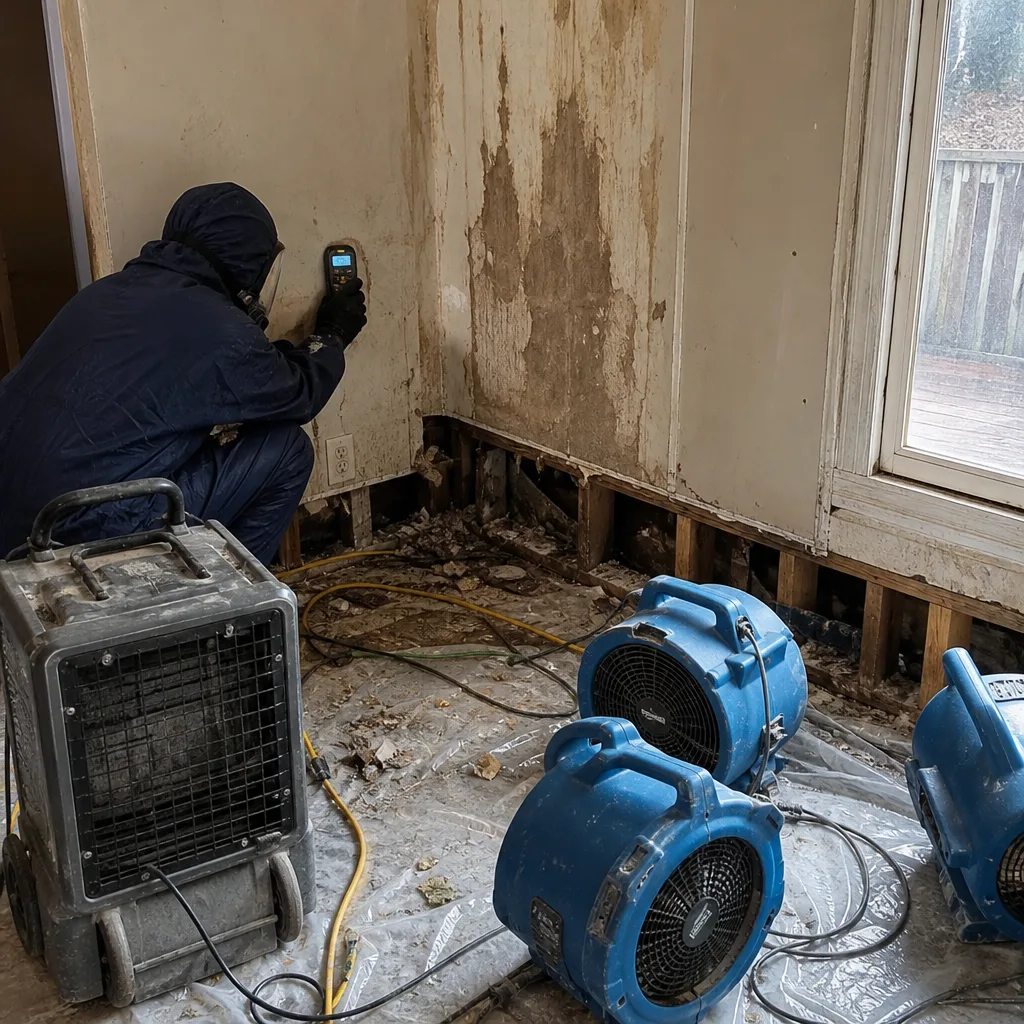 Before
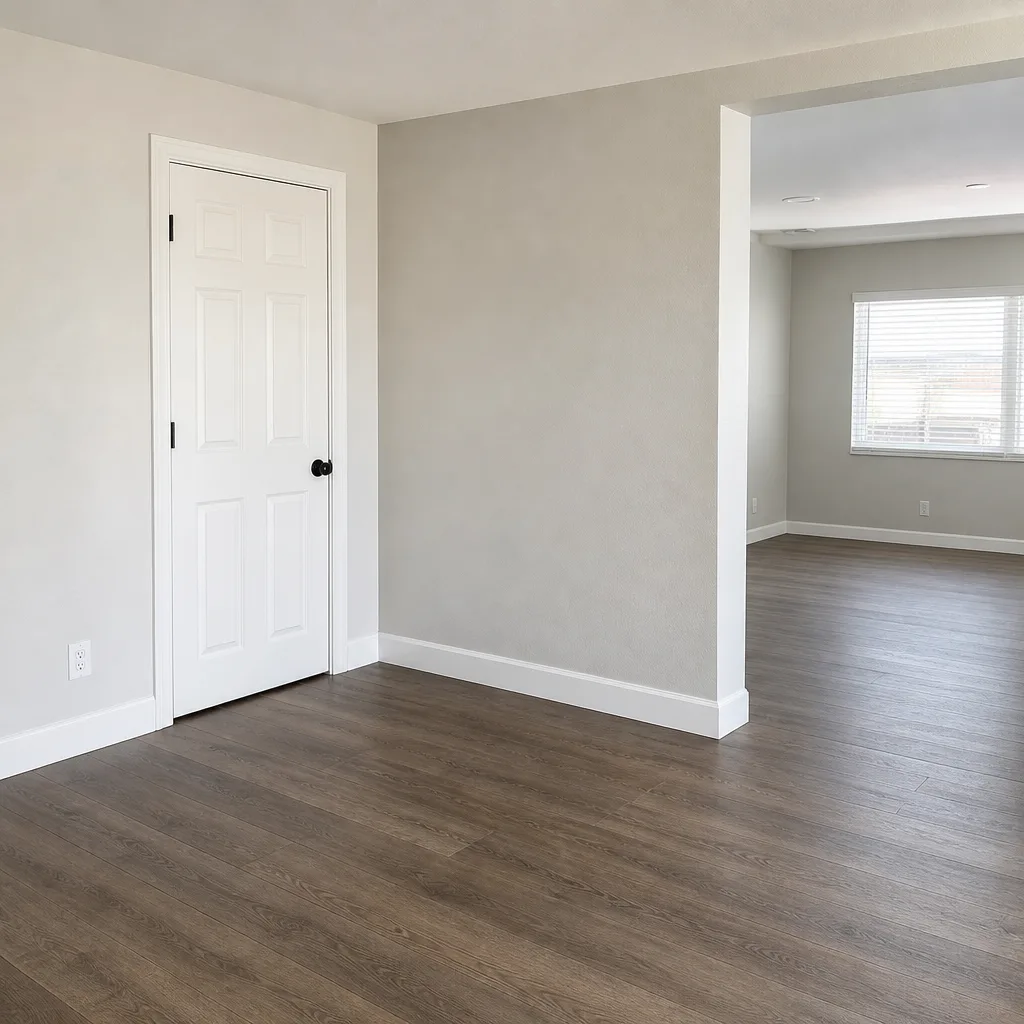 After
After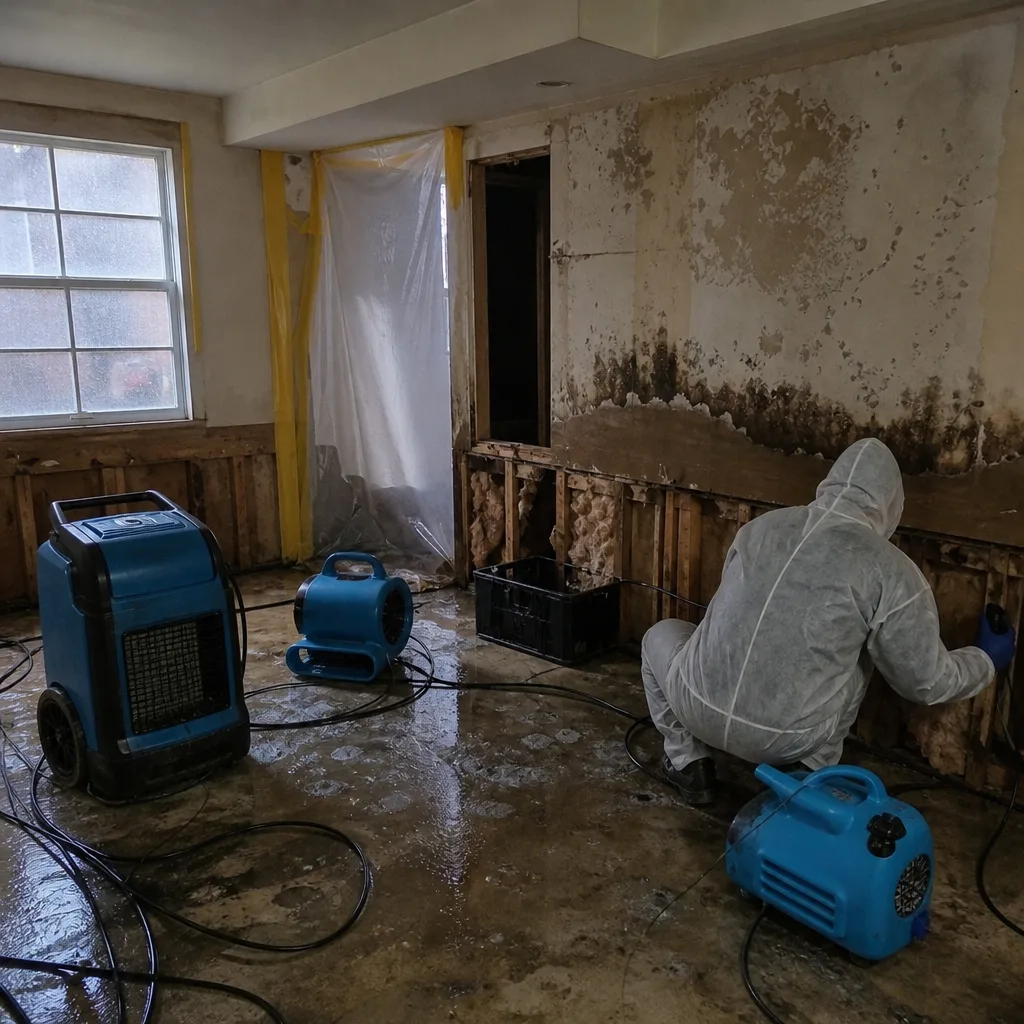 Before
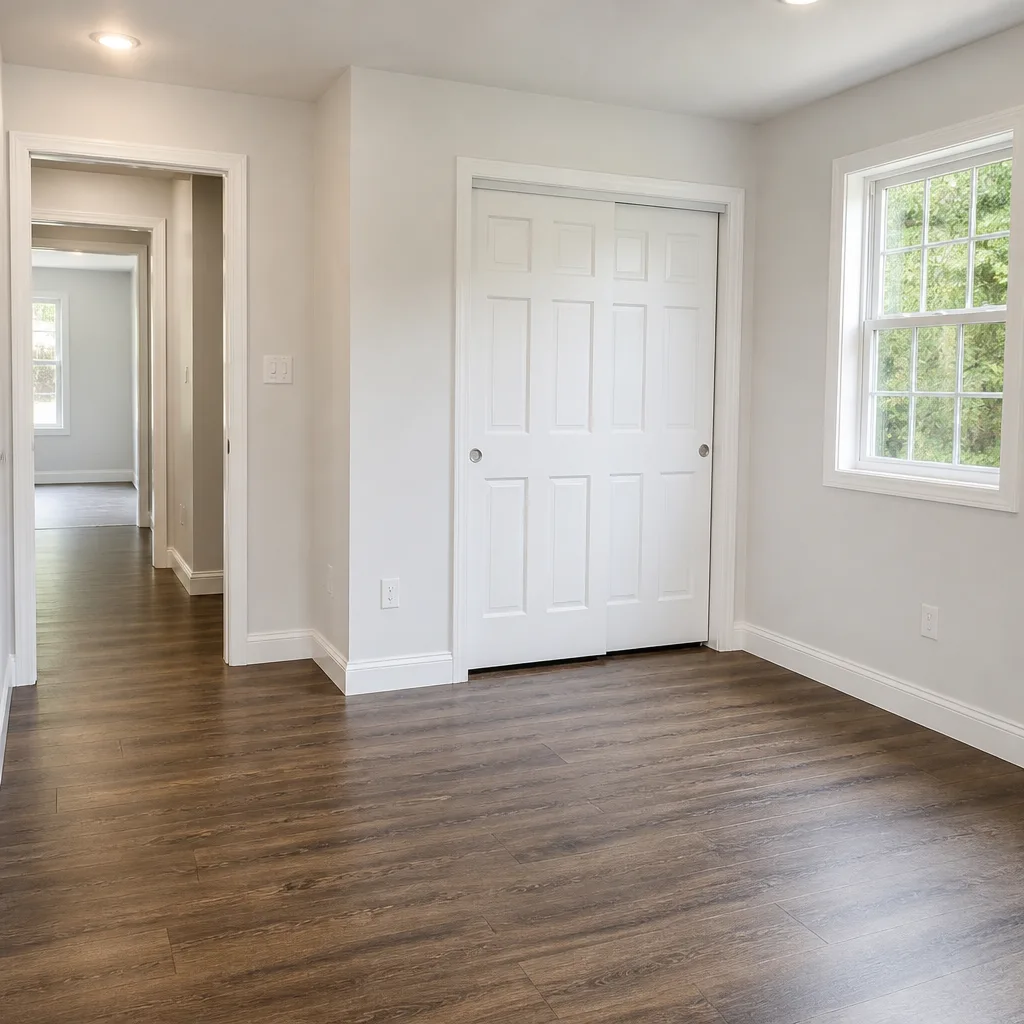 After
AfterSigns of Hidden Mold: What’s Actually Going On
If you’re noticing a musty smell, unexplained allergy symptoms, or discoloration on your walls or ceiling, there’s a good chance mold is growing somewhere you can’t see it. Hidden mold almost always traces back to a moisture problem: a slow leak, past flooding, or condensation that was never fully dried. The good news is that a trained remediation technician can find it, assess the extent, and give you a written plan before any work starts.
Mold doesn’t need a lot to thrive. Forty-eight to seventy-two hours of dampness on almost any organic material – drywall, wood framing, carpet backing, ceiling tiles – is enough to get a colony started. Once it’s inside a wall cavity or under a subfloor, it keeps growing as long as the moisture source does. By the time you smell it or see a stain, the growth behind the surface is usually larger than what’s visible. That’s why “signs of hidden mold” is exactly the right thing to search. You’re right to take it seriously.
Why It Happens
A Slow Plumbing Leak Inside the Wall
Pinhole leaks, loose fittings, and corroded supply lines can drip for months without ever making a puddle on the floor. The water wicks into drywall and framing and stays there. You’ll often notice it as a soft or slightly bubbled section of paint, a faint stain that seems to reappear after you wipe it, or a musty smell that’s strongest near a bathroom, kitchen, or utility room wall.
Inadequate Drying After a Past Water Event
This one catches a lot of homeowners off guard. A basement flood from two years ago, a dishwasher overflow that seemed minor at the time, a roof leak that got patched – if the structural materials underneath weren’t dried to their proper moisture content using professional drying equipment, mold can establish itself and keep spreading long after the surface looks fine. If you had a water event in the past and never had a moisture reading done, that history matters.
Condensation in Attics, Crawl Spaces, or Behind Walls
Warm, humid air meeting a cooler surface creates condensation. In attics with blocked ventilation, in crawl spaces without proper vapor barriers, or behind exterior walls with compromised insulation, this can happen continuously without any pipe ever failing. The mold that grows here tends to be widespread and is often only discovered during a renovation or inspection. A damp, woody smell coming from your floor, ceiling, or HVAC vents is a common indicator.
HVAC Systems Moving Mold Spores Through the House
If mold is growing in or near your air handling unit, on evaporator coils, or inside ductwork, the system will distribute spores to every room it serves. This pattern shows up as mold-like staining near supply vents, or allergy symptoms that are worse when the heat or air conditioning is running. It’s also why a mold problem in one room sometimes leads to air quality issues throughout the whole house.
What to Do Right Now
- Don’t disturb the suspected area. Scrubbing, painting over, or cutting into a moldy surface without containment releases spores into the air and can spread the problem to unaffected rooms. Leave it alone until a technician can assess it.
- Take photos before anything changes. Capture the staining, discoloration, or any visible growth from a safe distance. If you’re dealing with an insurance claim, these photos matter. Your local Wendell Water Damage Restoration team will also document everything with before-and-after photos as part of The Relay Visibility Guarantee.
- Check for an active moisture source. Look under sinks, around the base of toilets, and near the water heater for drips or standing water. If you find a leak, turn off the water supply to that fixture or the main shutoff if you’re not sure which valve controls it.
- Reduce humidity in the affected space. Open windows if outdoor humidity is lower than indoor, or run a dehumidifier if you have one. This won’t fix the problem, but it slows active growth while you wait for help.
- Don’t run your HVAC on high if you suspect duct involvement. If the musty smell gets stronger when the system runs, turn the fan to its lowest setting or off until the source is identified. Continuing to run it at full speed can push spores further through the house.
How We Fix It
When your local Wendell Water Damage Restoration team arrives, the first thing a technician does is find the moisture. That means thermal imaging and moisture meters on the suspect walls, floors, and ceilings – not just a visual scan. Until you know where the water actually is, you’re guessing at the mold.
Once we’ve mapped the affected area, we walk you through exactly what we found and give you a written price before anything starts. No surprises at the end. The remediation itself follows IICRC, RIA, and IFA standards: proper containment so spores don’t travel, removal of affected materials to the extent the assessment calls for, treatment of structural surfaces, and professional-grade drying of any remaining moisture using equipment from Dri-Eaz, Phoenix, XPOWER, B-Air, and Injectidry.
The services that resolve this are Mold Remediation and, where structural materials need replacement afterward, Water Damage Repair. Most residential remediations take one to several days depending on the size of the affected area. Every repair is backed by the 365-Day Done Right Promise: if it’s not done right, we make it right – in writing, on every job.
Frequently Asked Questions
Hidden mold is not an emergency in the same way a burst pipe is, but it is not something to schedule for “next month” either. Active mold growth continues as long as moisture is present, and airborne spore counts increase the longer the colony grows. Getting a moisture assessment done soon – before the affected area expands – is the practical move. Call (940) 466-4354 and a live person will help you figure out what your timeline looks like.
Someone answers every call at Wendell, around the clock, every day of the year – not a voicemail, not a callback queue. Your local Wendell Water Damage Restoration team will work with your schedule and give you a live arrival time you can track, not a vague four-hour window. Call (940) 466-4354 right now to find out what’s available today.
It depends on the cause. Mold that results from a sudden, covered water event – like a pipe that burst – is often covered. Mold from long-term neglect or a maintenance issue typically is not. Your local Wendell team documents everything with photos before and after the job, which is exactly what an adjuster needs to process a claim. We can help you understand what your documentation looks like, but the coverage decision is between you and your carrier.
Thermal imaging cameras and professional moisture meters can locate moisture behind surfaces without any demolition. A technician reads the moisture content of your walls, floors, and ceilings and maps where the readings are elevated – that tells us where the mold is likely growing before anything gets opened up. The assessment gives you a factual picture of the scope, which is the basis for the written estimate. No estimate, no work – that’s the rule on every Wendell job.
Get It Fixed
If you’re seeing the signs, call (940) 466-4354 right now. A live person answers every call, any hour of the day. Your local Wendell Water Damage Restoration team will assess the problem, give you a written price before any work starts, and back every repair with the 365-Day Done Right Promise.
Written by Blake Sorensen, Owner and Lead Restoration Technician at Wendell Water Damage Restoration, part of the Relay Home Co. family since 2006.
What Our Customers Say
"Ceiling repaired, painted, and matched. The patch around the old water stain is invisible after painting."
- Clara T."Respectful crew, daily updates, and no surprises."
- Yasmin O."Dishwasher leak went under the floor. They found the wet area with a camera and dried it without tearing it all out."
- Aaron D.