
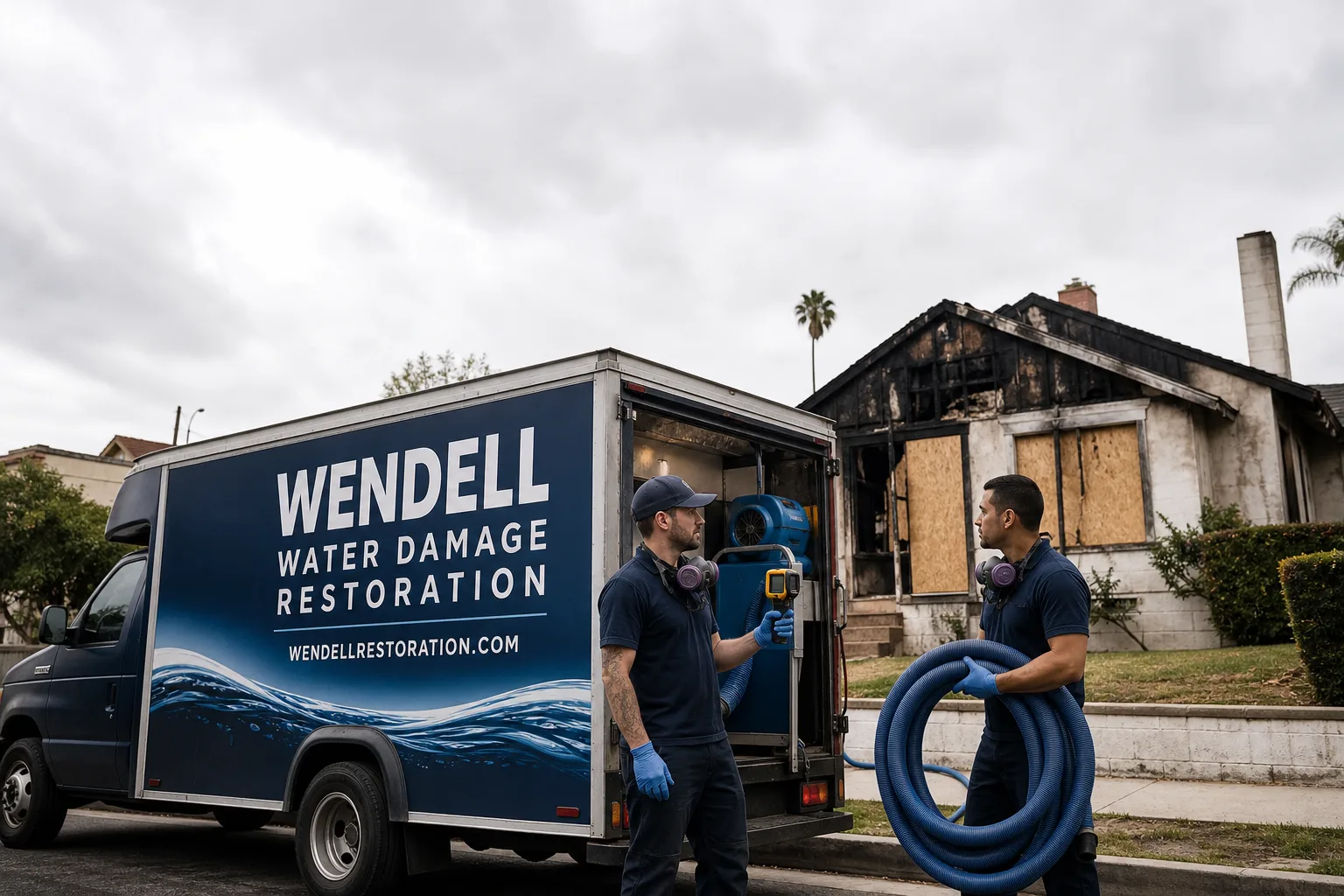
Free visual inspection and a written scope of work before any mitigation begins - photos, moisture readings, and drying logs go in your claim file
The scope we write is the scope we bill. Anything new gets shown to you, in writing, before we touch it.
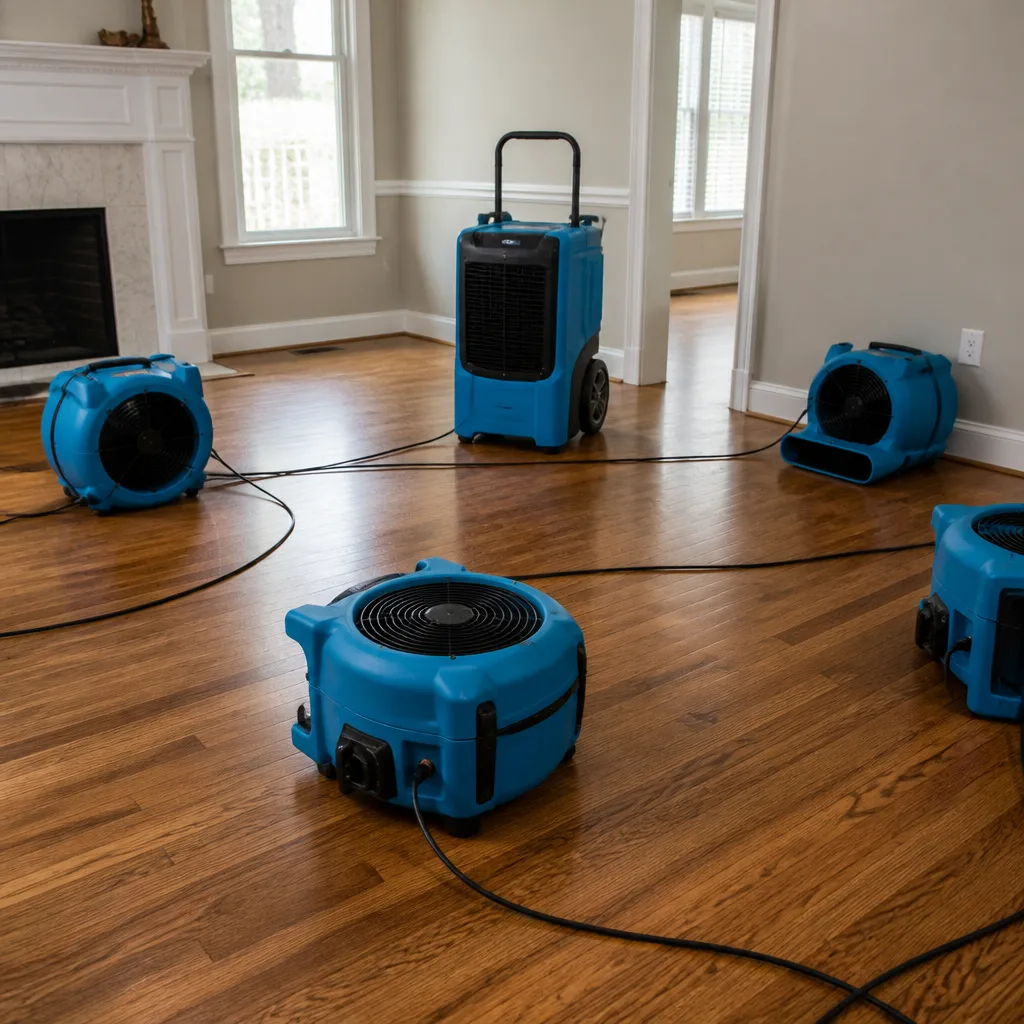
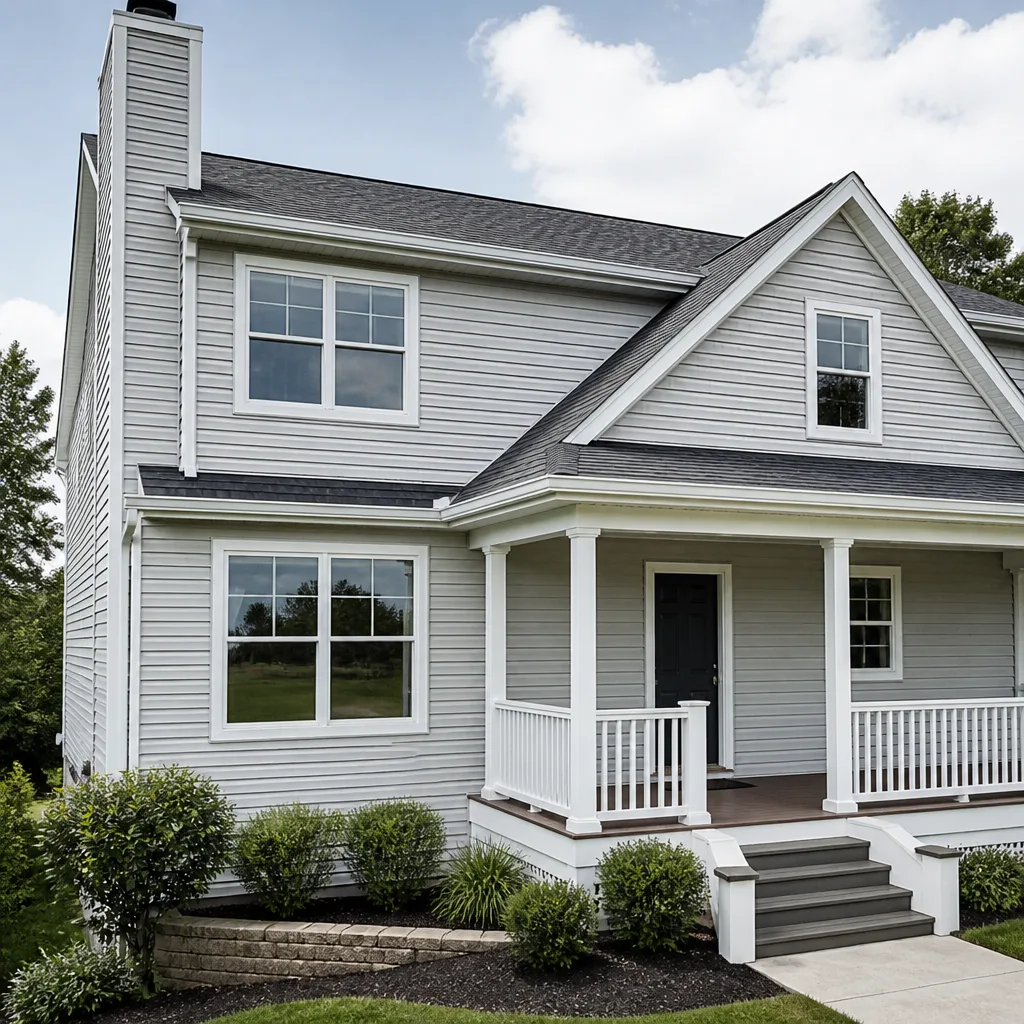
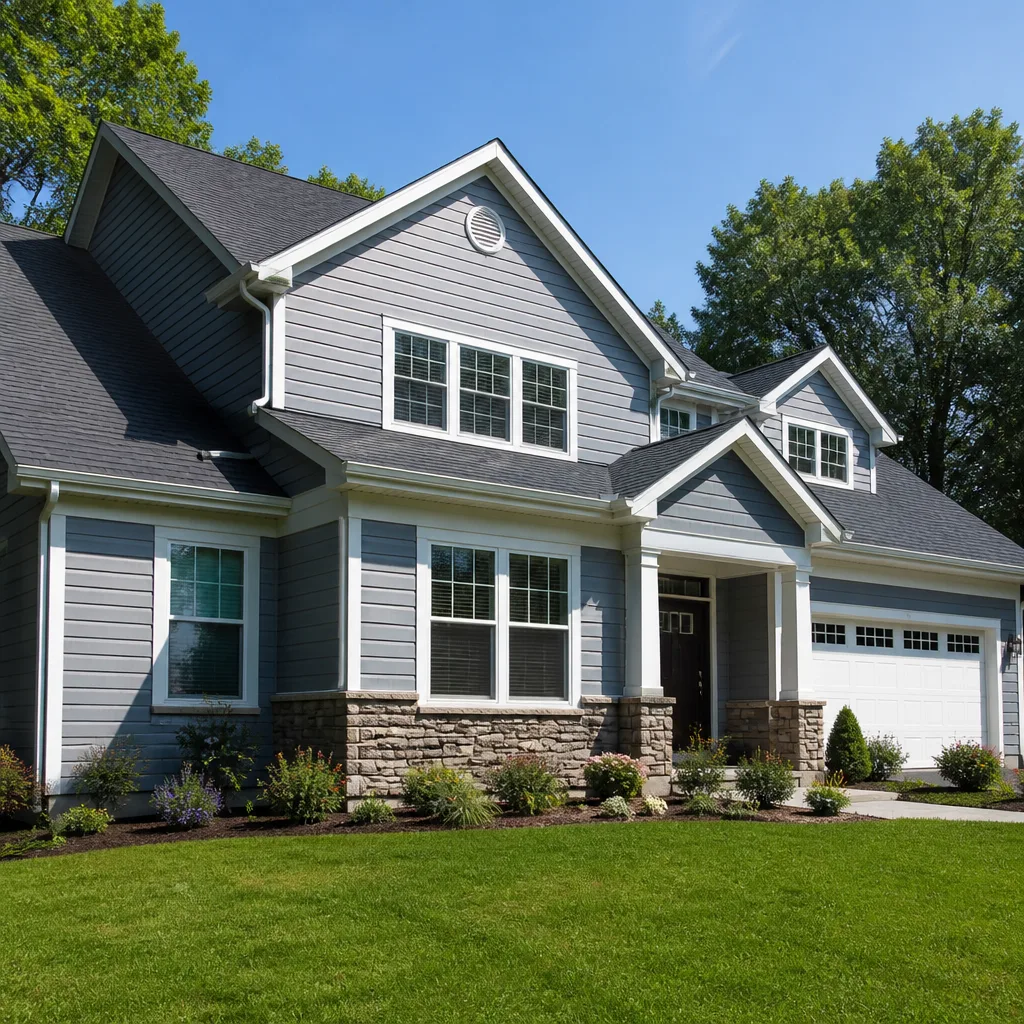
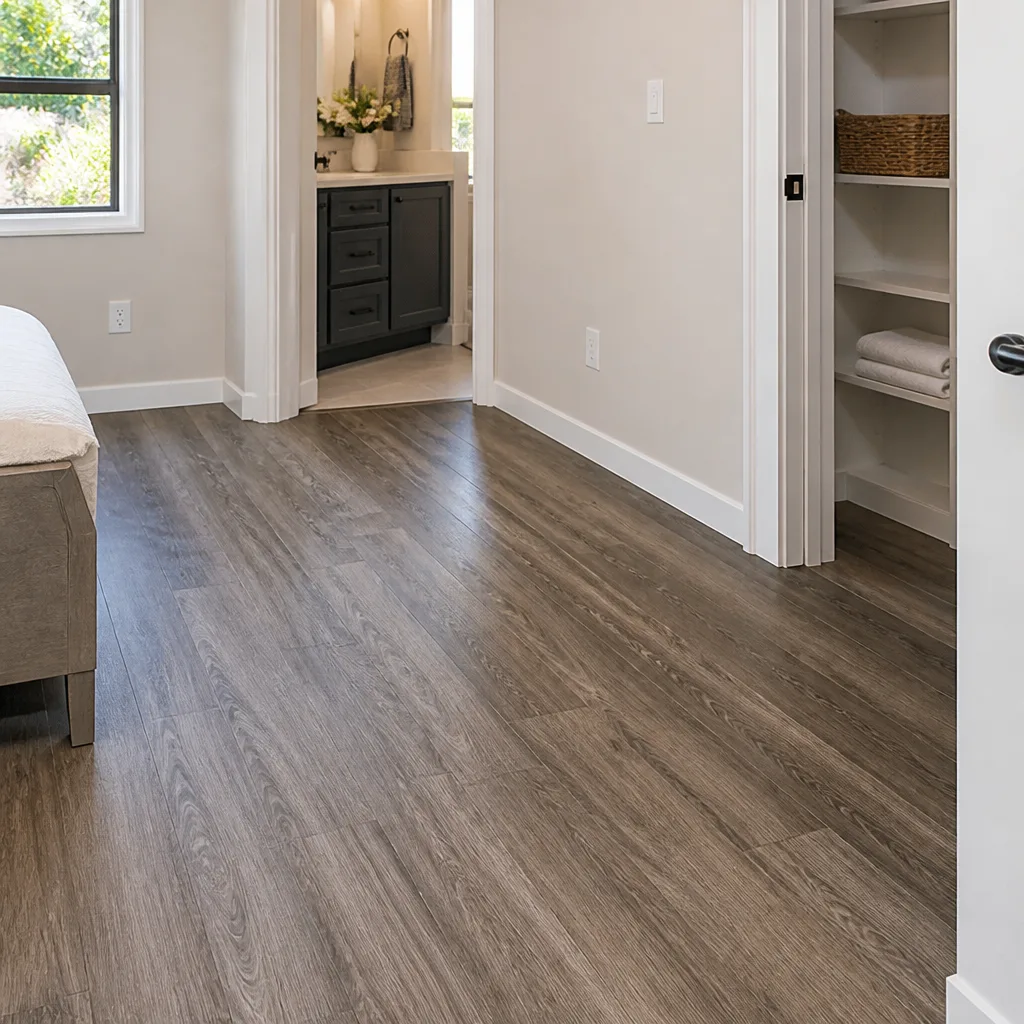
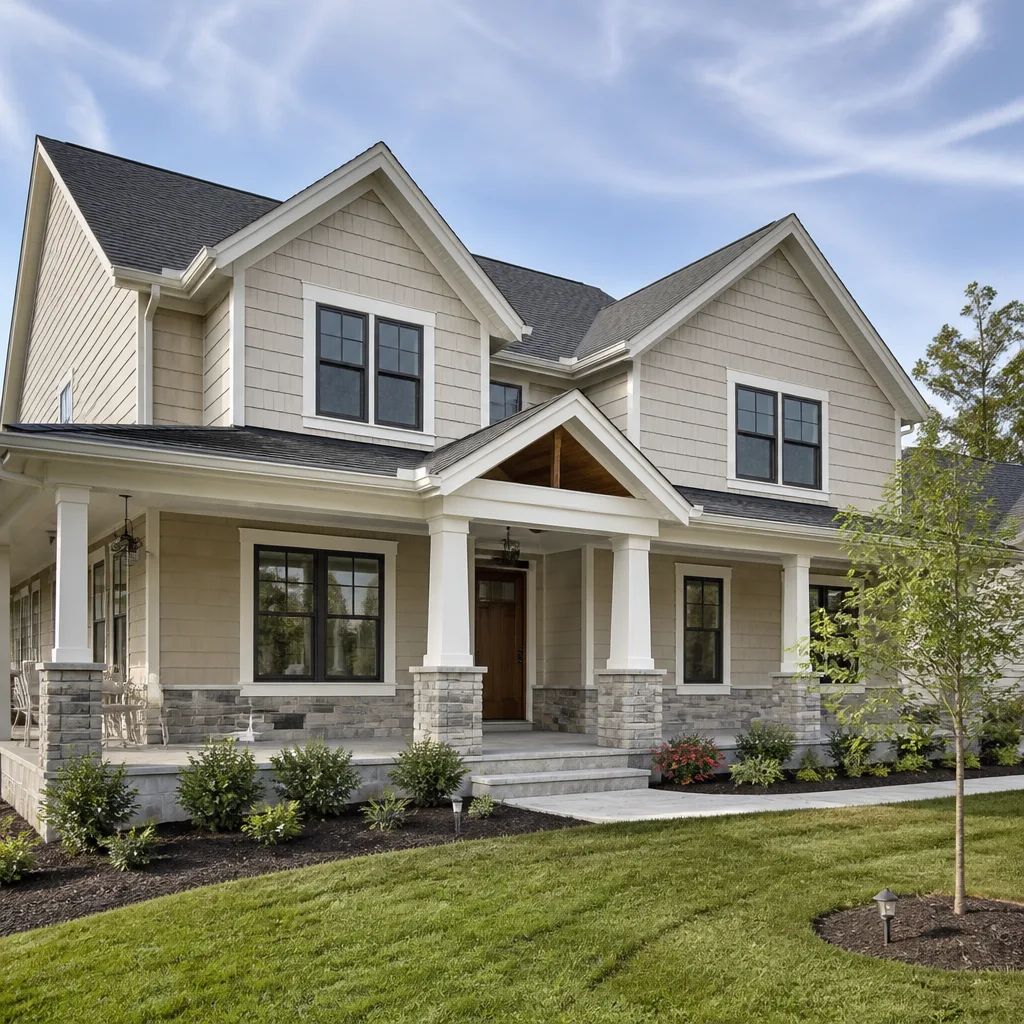
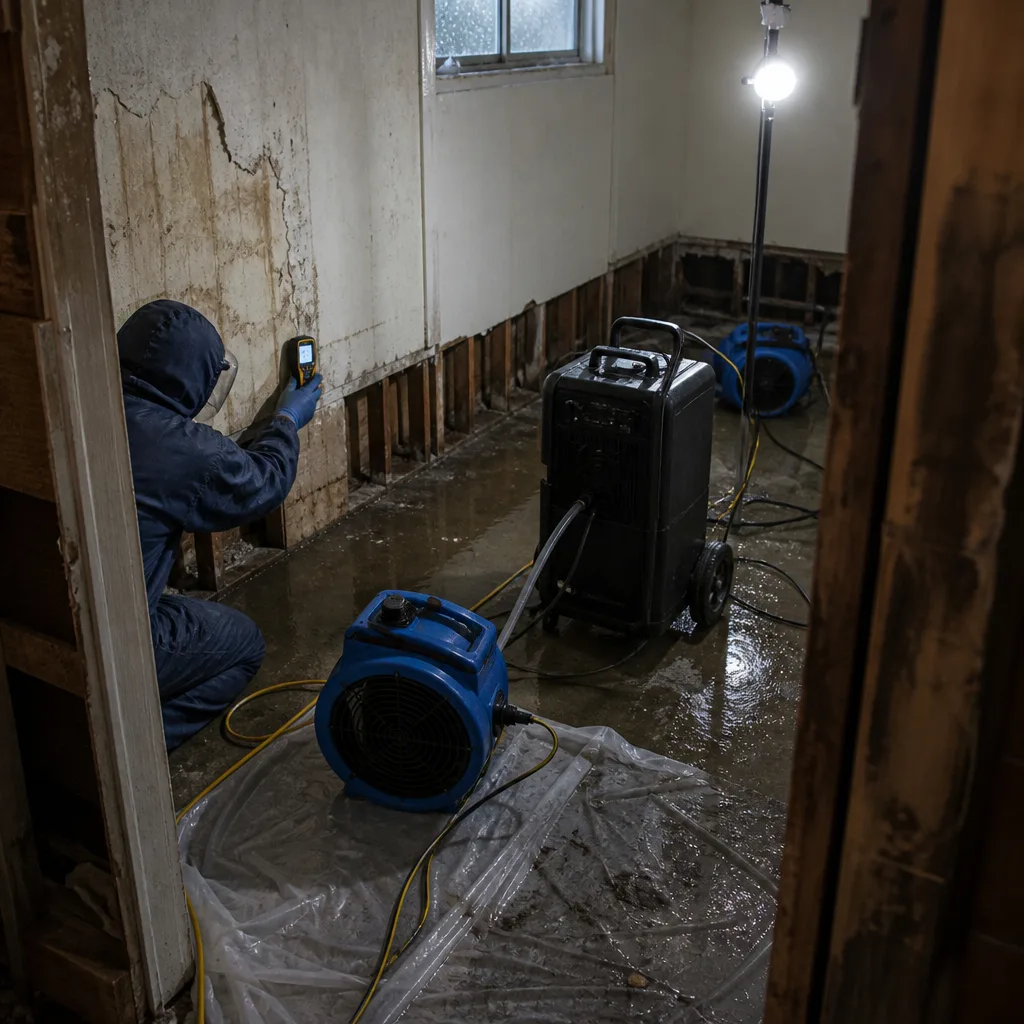 Before
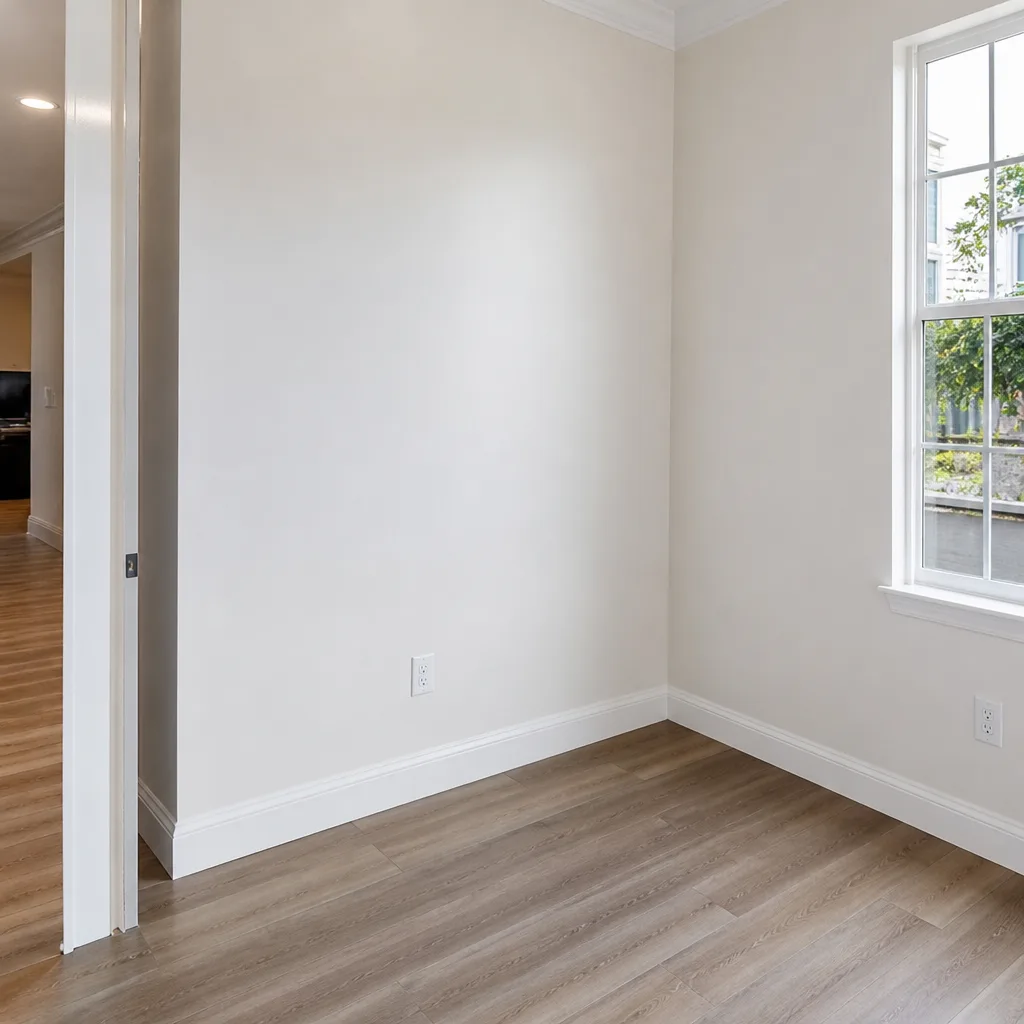 After
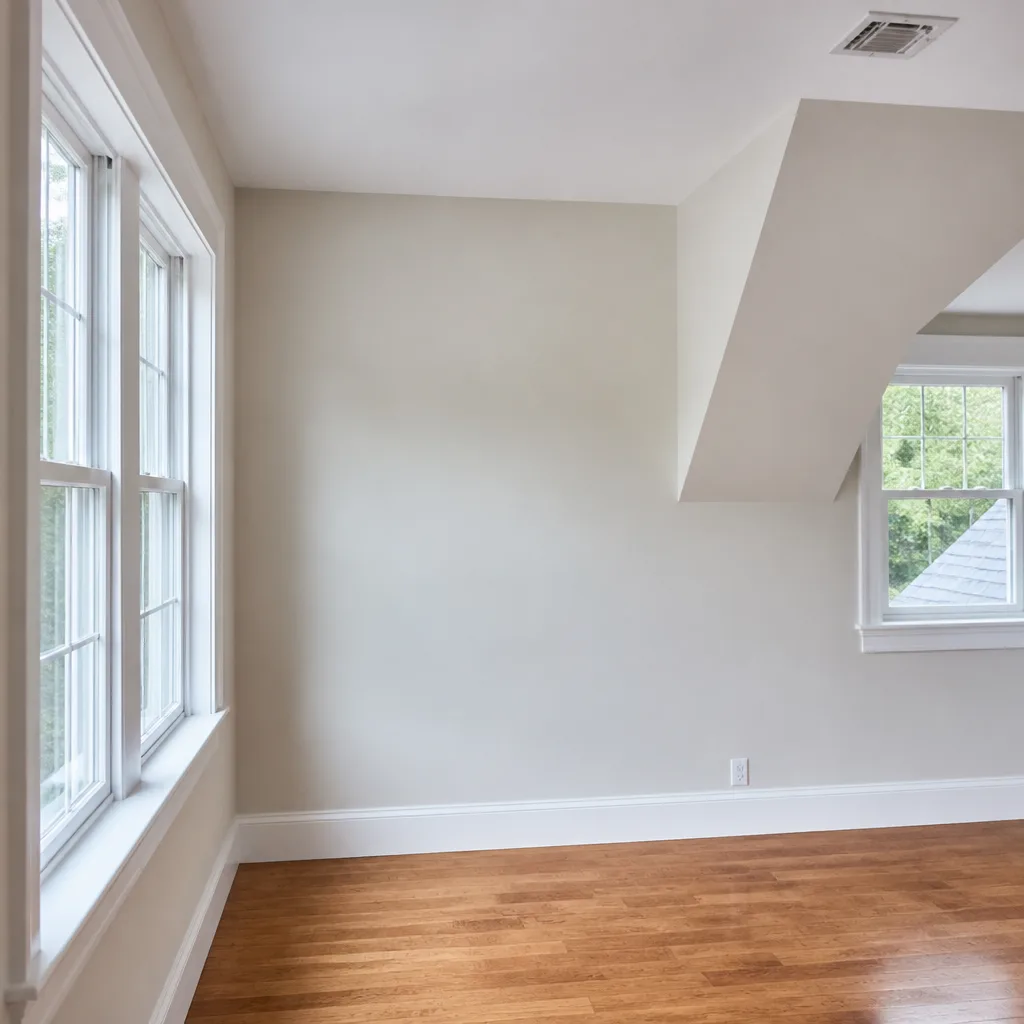
After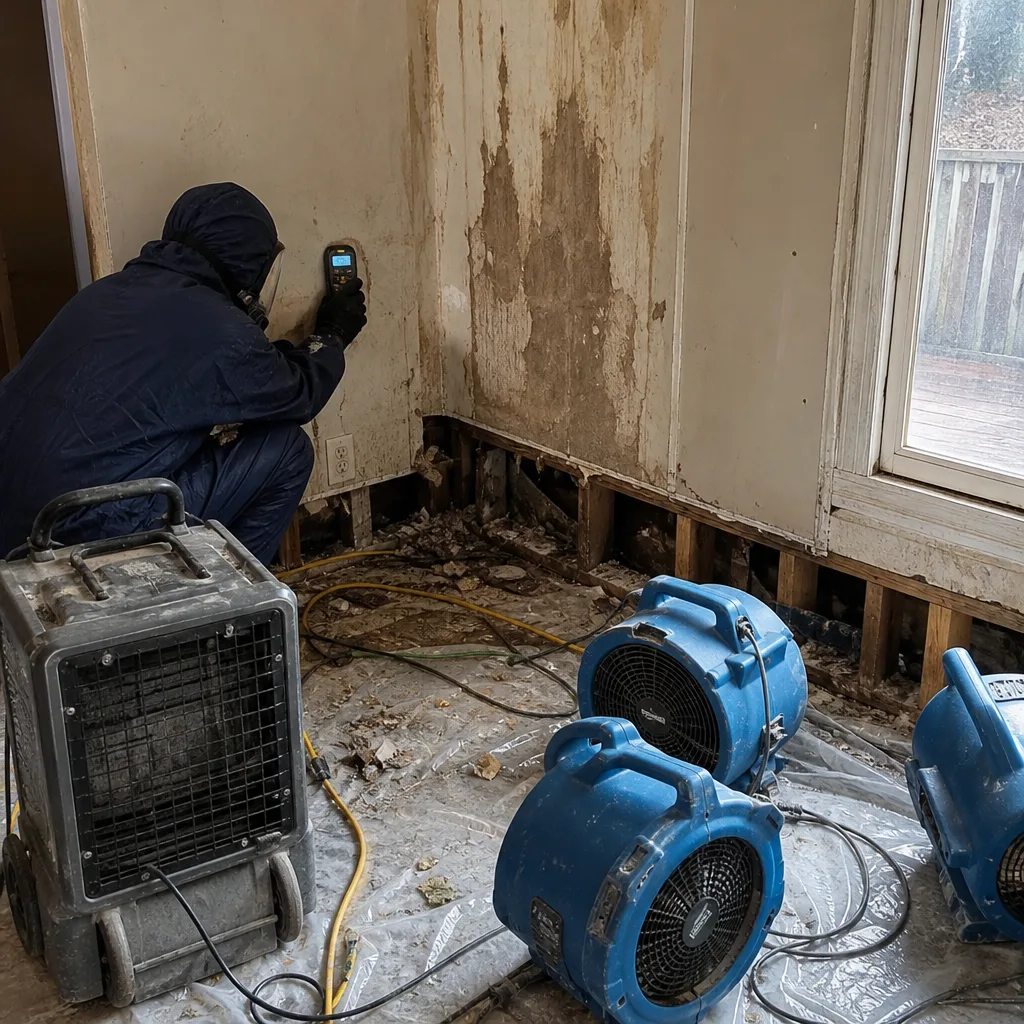 Before
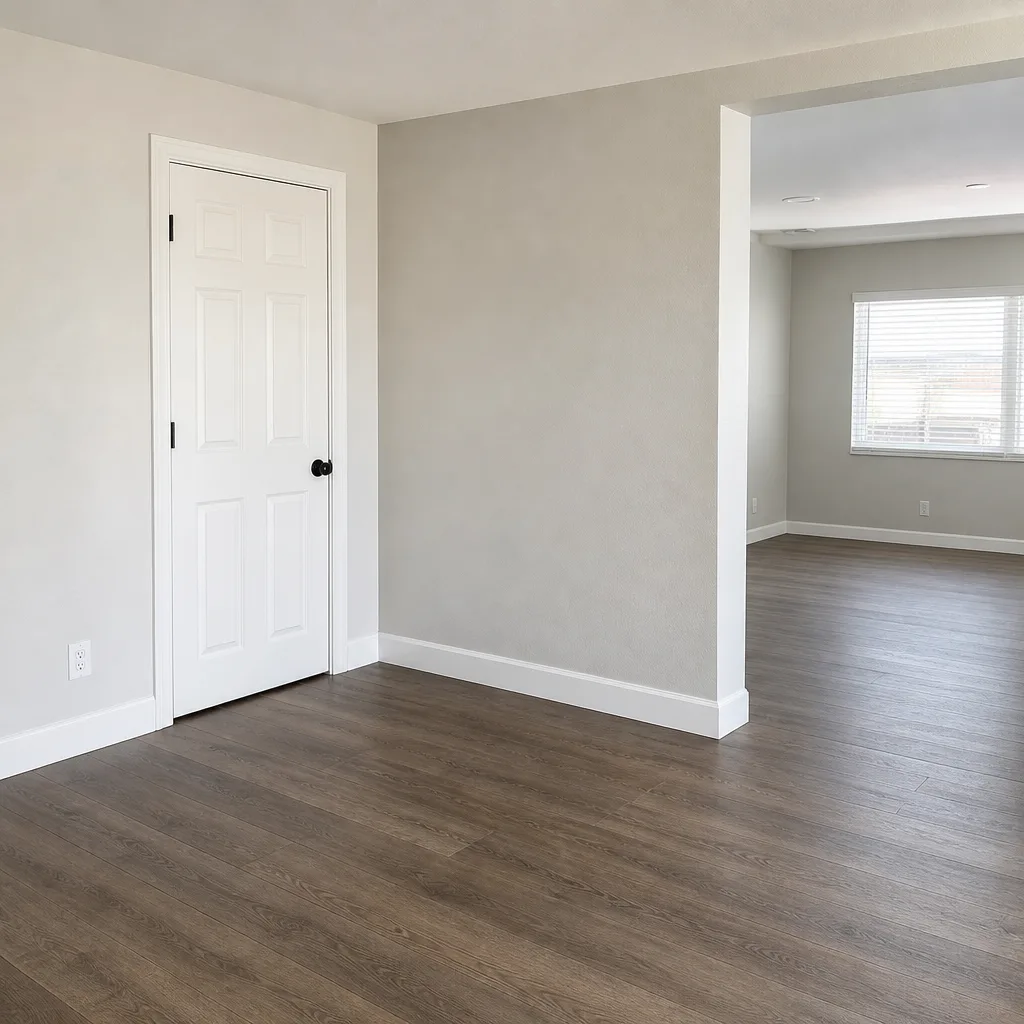 After
After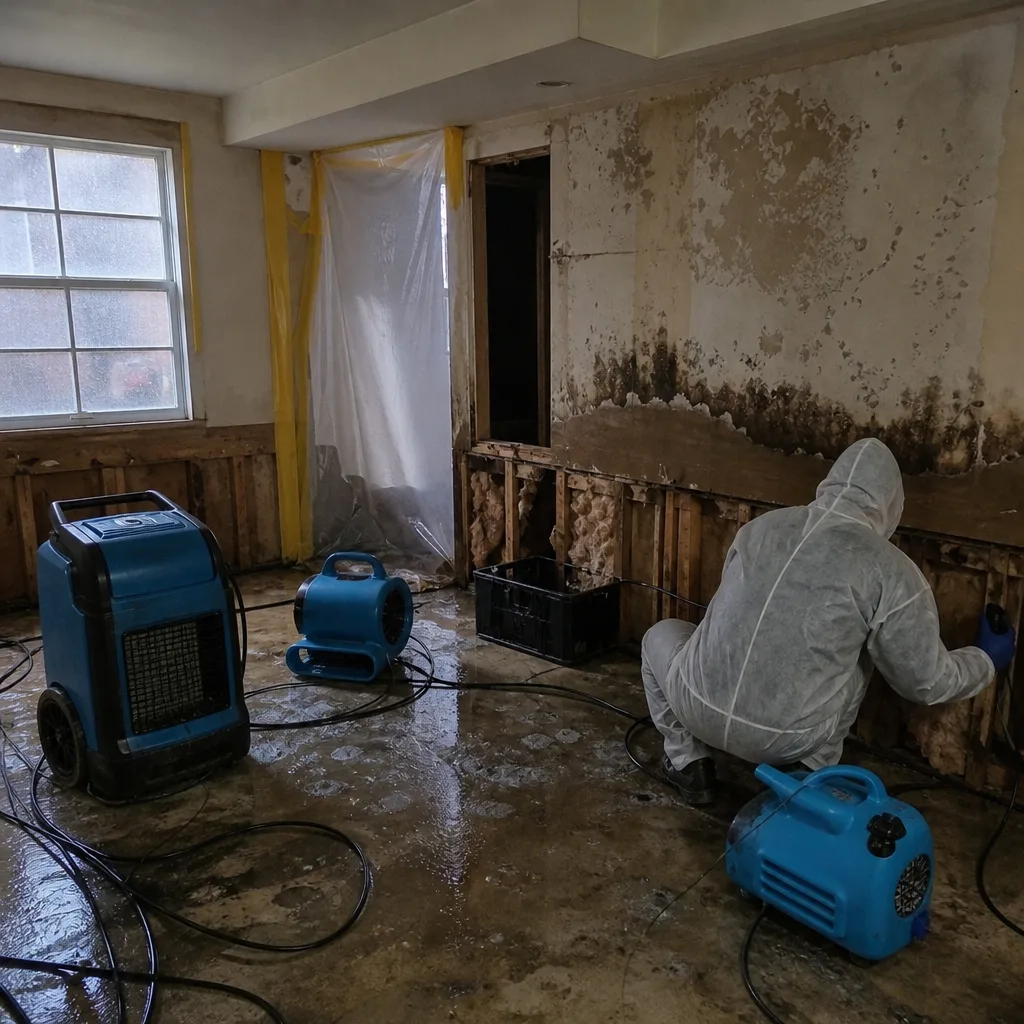 Before
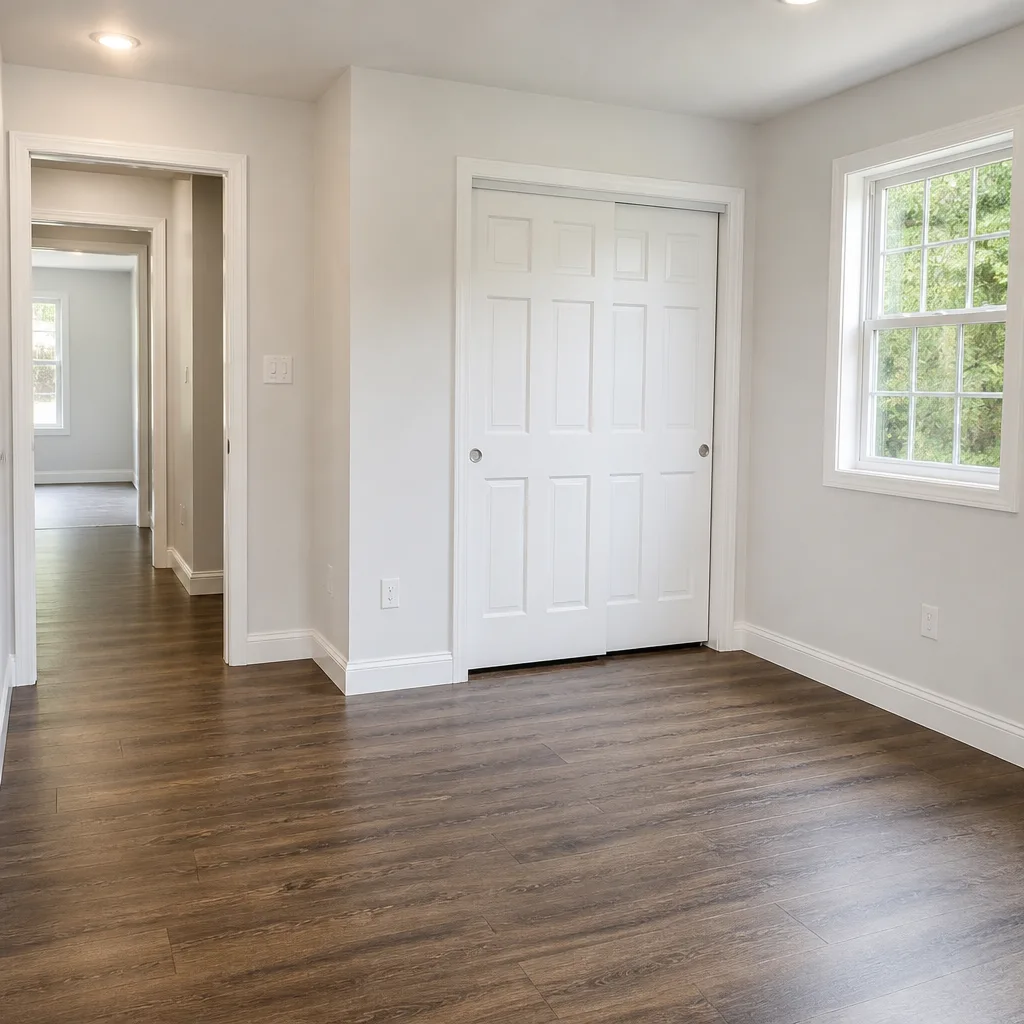 After
AfterFast, Reliable Water Damage Restoration Across Glen Ridge
Water damage in a Glen Ridge home moves quickly. Within 24 to 48 hours, moisture trapped behind plaster walls or under oak flooring becomes a mold risk, and the repair bill climbs. Most Water Damage Repair in Glen Ridge jobs run between $2,800 and $7,500 depending on how far water has traveled, how long it has sat, and whether the source is a clean supply line or a sewage backup. We answer the phone live at (940) 466-4354, give you a written price before any work starts, and get a uniformed technician to your door with a tracked arrival time, not a four-hour window you have to guess around. If you’re standing in water right now, call. We’ll walk you through the first five minutes while the crew is dispatched.
Wendell Water Damage Restoration knows the homes here. Glen Ridge has hundreds of pre-1930 houses with original plumbing and stone foundations, and the way water behaves in those structures is different from a 1990s build in Bloomfield or a brick rowhouse in East Orange. That local knowledge changes where we look for hidden water, how we dry the structure, and what we tell you to watch for next. We serve Glen Ridge daily, and our technicians know the streets from Ridgewood Avenue down toward Toney’s Brook.
- Response time to Glen Ridge: Usually 60 to 90 minutes for emergency water extraction, 24/7.
- Written price before work starts: Always. The number on the invoice is the number you pay.
- 365-Day Done Right Promise: If it’s not done right, we make it right, in writing, on every job.
Why Wendell Water Damage Restoration Is Glen Ridge’s Preferred Water Damage Restoration Company
Glen Ridge homeowners call us because we show up when we say we will and we don’t change the price at the door. That sounds basic, but anyone who has handled a burst pipe or a flooded basement knows how rare it is in this trade. Our reviews from Glen Ridge customers repeatedly mention the live arrival time, the photo updates by text, and the fact that the technician explained what they were doing in plain English instead of rushing to plug in equipment.
Every technician who walks into a Glen Ridge home is background-checked and uniformed. You will know their name and face before they arrive. We dispatch from our New York City office, but the crews working in Glen Ridge are local, and they know what a 1915 center-hall colonial on a hillside does when the ground saturates. That matters when a pump fails at 2 a.m. or when a plaster ceiling finally lets go after a slow roof leak.
Blake Sorensen, who leads our team, has one standing rule: if a homeowner asks what something costs, they get a number. Not a range with a follow-up call. A number. That’s why our Water Damage Restoration process starts with a written scope and a firm price before a single piece of equipment leaves the truck.
Emergency Water Damage Restoration in Glen Ridge
Emergency Water Damage Restoration in Glen Ridge typically runs $3,200 to $8,900 when it involves extraction, structural drying, and antimicrobial treatment in a finished basement or first-floor living space. This is the call you make when a supply line bursts, a sump pump fails during a storm, or a washing machine hose lets go while you’re at work. The job involves removing standing water, setting up professional drying equipment, and treating affected materials so mold doesn’t take hold. Speed changes the outcome, and in Glen Ridge, where many basements are finished with drywall over stone foundations, waiting a day can double the scope.
Burst pipes and supply line failures
The galvanized steel pipes in many Glen Ridge homes fail from the inside out. A pinhole leak behind a plaster wall can run for days or weeks before you see a stain. When you do see it, the wall cavity is already wet, and the floor joists below are likely involved. Emergency extraction for a burst supply line in Glen Ridge usually lands between $2,800 and $6,500 depending on whether we’re pulling water from a bathroom floor or a finished basement with carpet and padding.
Storm water in basements during heavy rain
Glen Ridge sits on a slope toward Toney’s Brook, and when rain comes hard, groundwater pushes through old stone foundations and overwhelmed foundation drains. That water often carries silt and soil, which means it is treated as Category 2 or 3, not clean. We see this most often on Ridgewood Avenue, Hillside Avenue, and the streets that pitch down toward the brook. Storm water extraction and drying in a Glen Ridge basement typically runs $3,000 to $7,800, and we include sump pump and drain line inspection in the scope because if we don’t find why water got in, it comes back.
Water Mitigation in Glen Ridge
Water Mitigation in Glen Ridge is the step that stops ongoing damage before full restoration begins. A typical water mitigation job in Glen Ridge ranges from $1,900 to $5,200 when we catch it early, and more when demolition and pack-out of damaged materials are required. Mitigation means we contain the water, remove what can’t be saved, and start drying the structure using psychrometric drying, which is tracking the air’s moisture level so we know when your home is truly dry, not just surface-dry. In Glen Ridge’s older homes, that drying phase takes longer than in newer construction because plaster, lath, and old-growth framing hold moisture differently than drywall and modern pine.
Moisture mapping in plaster walls
A water stain on a Glen Ridge ceiling rarely tells you where the water actually started. We run moisture mapping from the basement up, checking sill plates, joist bays, and wall cavities with penetrating and non-penetrating meters. This is how we found a pinhole leak behind a first-floor powder room on Ridgewood Avenue that had been dripping for weeks. The homeowner called about a musty smell; the moisture was already in the wall cavity and migrating toward the basement stair framing. We extracted, dried with Dri-Eaz dehumidification and air movers, and treated the affected framing with an antimicrobial. Moisture readings returned to pre-loss condition within three days.
Containment and pack-out for finished basements
When a Glen Ridge basement floods, the first question is usually whether the drywall, carpet, and baseboards can be saved. In many cases, the bottom 12 to 24 inches of drywall has wicked water and must be removed. We set up containment so demolition dust and any mold spores don’t travel through the rest of the house, then pack out salvageable contents. You get a written list of what was removed and where it went. No guessing, no boxes dumped in a garage and forgotten.
Trusted Brands We Service in Glen Ridge
We deploy professional-grade drying equipment from brands you’ll actually find on commercial loss sites, not big-box store rentals. Dri-Eaz dehumidifiers and air movers are our workhorses, and we use XPOWER and Phoenix units for larger basements and whole-floor drying jobs. Injectidry systems let us dry inside wall and ceiling cavities without tearing out plaster, which matters in Glen Ridge where original plaster walls are worth preserving. We keep a rolling stock of these units assigned to Glen Ridge routes so equipment arrives with the crew, not in a separate delivery window. If your build-out or home has a specific drying need, we’ll tell you which machine we’re bringing and why before we unload it.
Common Water Damage Restoration Problems We See in Glen Ridge Homes
- Pinhole leaks in original galvanized pipes: Pre-1930 Glen Ridge homes were built with steel supply lines that corrode from the inside. Water travels behind plaster and shows up as a ceiling stain two floors away from the actual leak.
- Cast-iron drain line failures: The hubs and joints on original cast-iron stacks crack over time, and sewage water ends up under basement slabs or behind finished basement walls. We see Category 3 water in finished basements where the homeowner assumed a clean-water pipe burst.
- Groundwater intrusion through stone foundations: Glen Ridge’s slope toward Toney’s Brook means heavy rain pushes subsurface water against old rubble and stone foundations. If the sump pump can’t keep up or the French drain is silted over, water enters through the cove joint and runs across the basement floor.
- Slow roof and flashing leaks over finished ceilings: Many Glen Ridge homes still have original slate or cedar roofs. When flashing fails around a dormer or chimney, water works into the attic and along joists for weeks before a stain appears on a second-floor ceiling.
Pricing for Water Damage Restoration in Glen Ridge, NJ
Here are the numbers we quote most often in Glen Ridge. Emergency water extraction for a flooded finished basement runs $2,800 to $6,500. Structural drying and dehumidification for a single room or wall cavity is $1,900 to $4,200. Full water mitigation with containment, demolition, pack-out, and drying runs $4,800 to $9,400 depending on square footage and water category. Category 3 sewage work runs higher because disposal and antimicrobial treatment carry additional protocol costs. Every job gets a written price before any work starts, a digital invoice texted to you, and the 365-Day Done Right Promise in writing. Call (940) 466-4354 for a free estimate, and you’ll get a real number, not a vague range followed by a pressure close.
We Also Serve Cities Near Glen Ridge
If you’re on the border of Glen Ridge and need water damage restoration in Water Damage Restoration in Glen Ridge or the surrounding area, we serve Montclair, Bloomfield, Belleville, and East Orange with the same 24/7 live-answer dispatch and written pricing. Call (940) 466-4354 and you’ll speak to a person, not a phone tree.
Serving Glen Ridge, NJ - Our Local Coverage Area
We’re based in the Glen Ridge area and know this community well. Use the map below to see our service coverage - if you’re nearby, we can almost certainly help.
FAQs About Water Damage Restoration in Glen Ridge
We typically arrive at a Glen Ridge home within 60 to 90 minutes for emergency water extraction, 24 hours a day. Dispatch is live, which means you talk to a person who can confirm the crew’s arrival time while you’re still on the phone. Every technician shows up with a live arrival time you can track, not a four-hour window. If you’re standing in water, call (940) 466-4354 now and we’ll start the process immediately.
Category 1 is clean water from a supply line or appliance. Category 2 carries some contamination, like sump pump water or washing machine discharge. Category 3 is grossly contaminated, like sewage backup or storm water that has picked up soil from a failed foundation drain. In Glen Ridge, we see a lot of Category 2 and 3 water in basements after heavy rain, which means the drying protocol includes containment, antimicrobial treatment, and often removal of affected drywall and carpet. We’ll tell you which category you have and what it means for cost and scope, in writing, before work starts. Call (940) 466-4354 for a free assessment.
Yes. Plaster walls in pre-1930 Glen Ridge homes dry differently than modern drywall, and we use moisture mapping to find water that has traveled behind lath and framing. Our Injectidry systems let us dry inside wall cavities without gutting original plaster, which is often the difference between a $4,000 repair and a $15,000 rebuild. If the plaster is already damaged beyond saving, we’ll tell you honestly and give you a written repair-vs-replace recommendation.
Yes. We document every job with before-and-after photos, moisture readings, and a written scope of work that your adjuster can review. We’ll coordinate directly with your insurance company and walk you through what your policy typically covers for water damage in Glen Ridge, including the difference between sudden pipe bursts and long-term seepage, which many policies exclude. You get the same written price regardless of who ultimately pays. Call (940) 466-4354 and we’ll help you figure out the insurance piece before you commit to anything.
If it’s safe to reach the shutoff, turn off the water supply at the main valve, usually in the basement near the front foundation wall. Don’t use a wet-vac on standing water if the source is a sewage backup, and don’t run extension cords through wet areas. If the water is coming from a burst supply line, you can shut off the main and open the lowest faucet to drain the lines. Then wait for us. We’ll bring extraction equipment, drying units, and a written plan. If you have any doubts about electrical safety, stay out of the wet area entirely and call (940) 466-4354 from a dry spot.
Written by Blake Sorensen, Owner at Wendell Water Damage Restoration, serving Glen Ridge with fast, honest water damage restoration.