
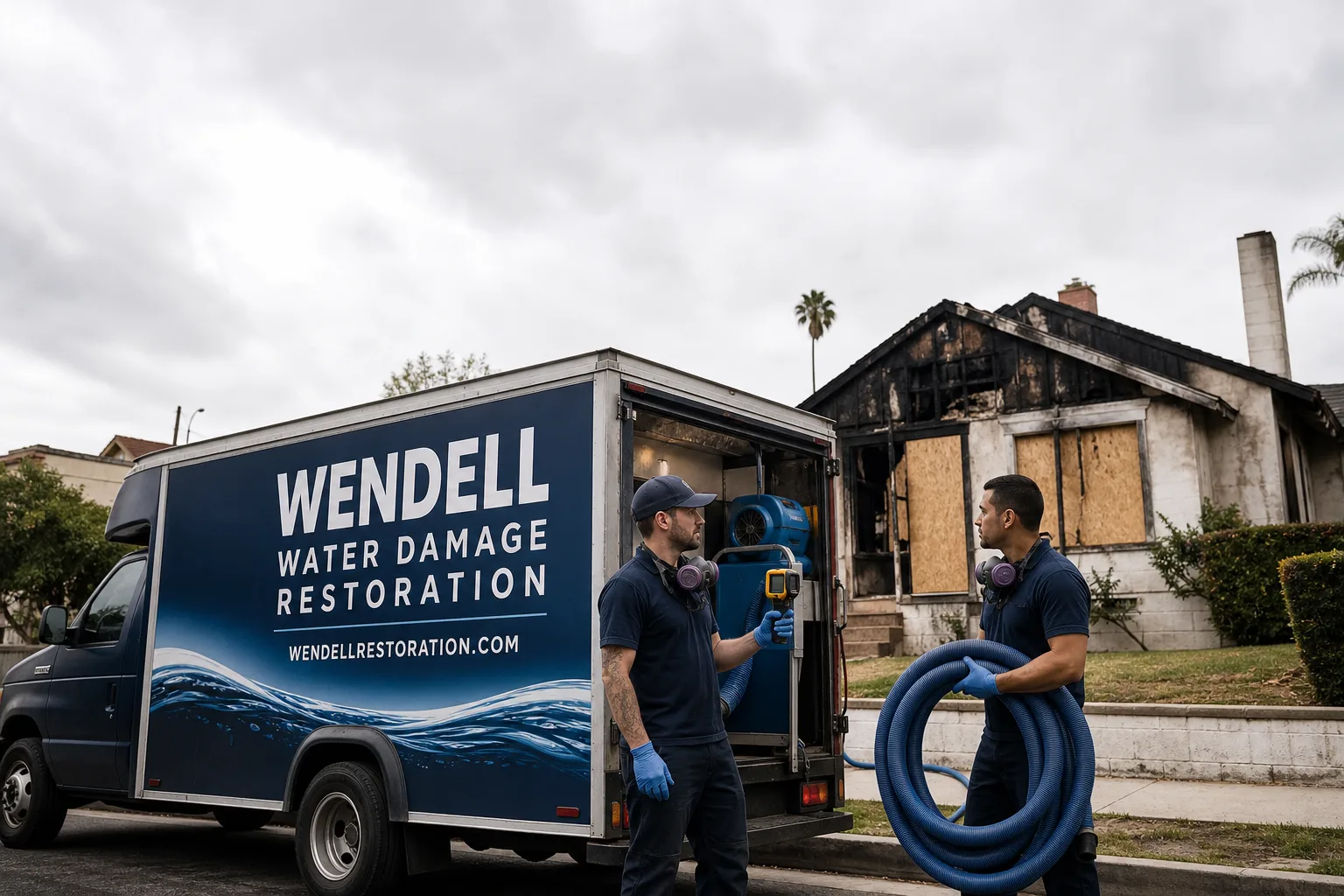
Free visual inspection and a written scope of work before any mitigation begins - photos, moisture readings, and drying logs go in your claim file
The scope we write is the scope we bill. Anything new gets shown to you, in writing, before we touch it.
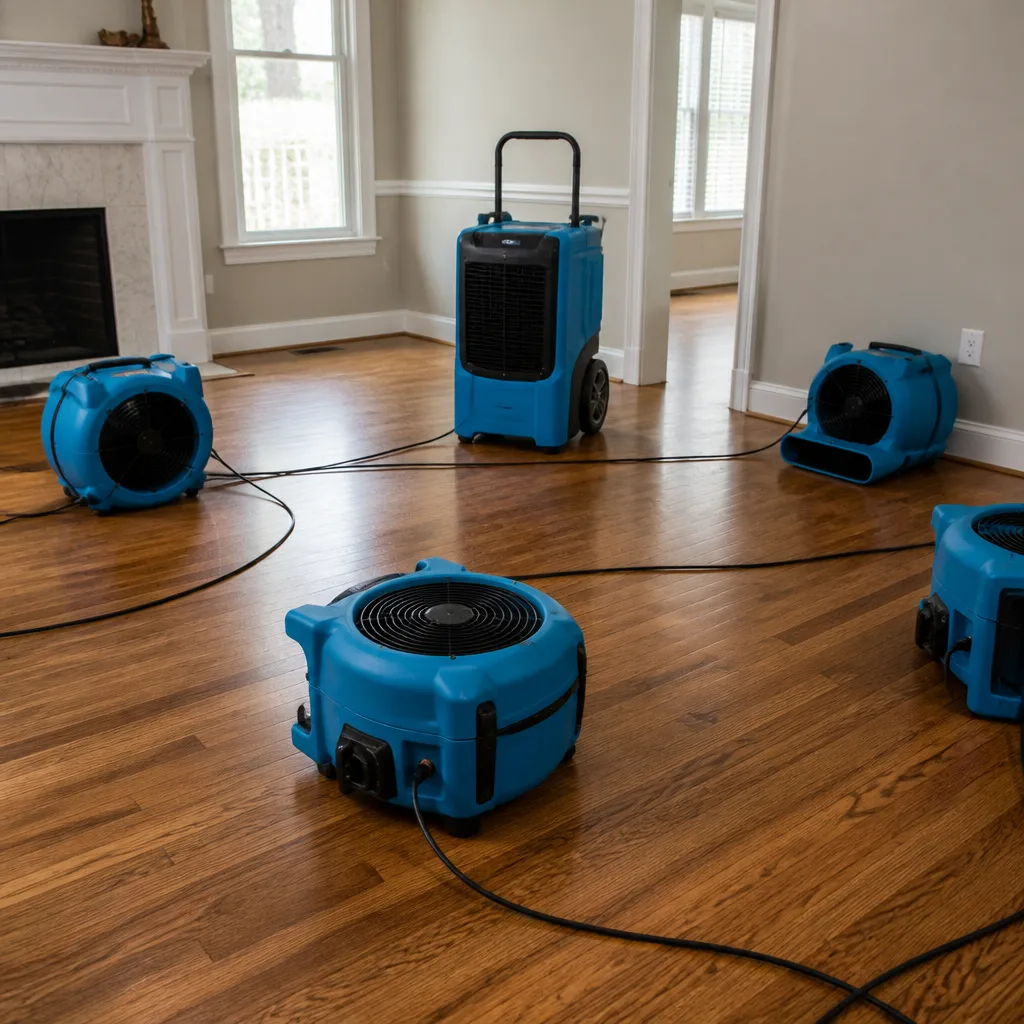
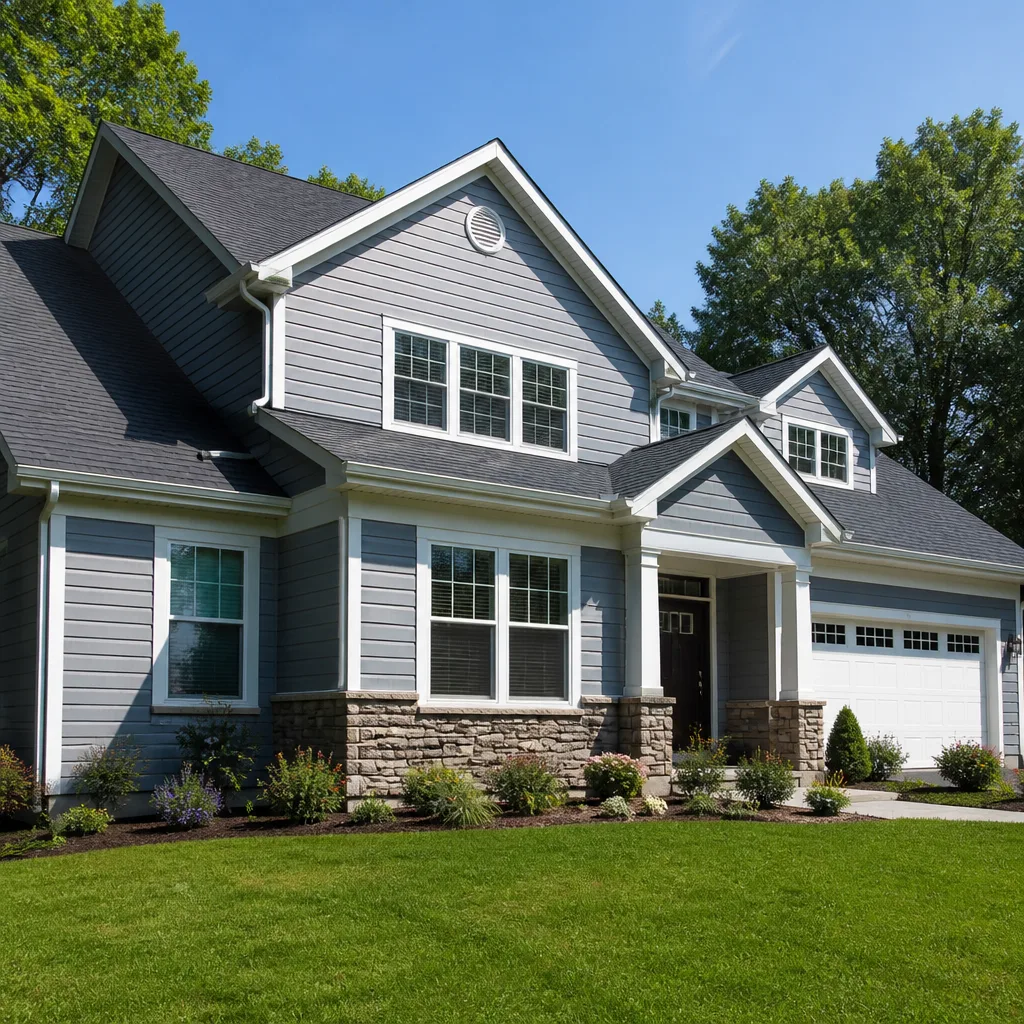
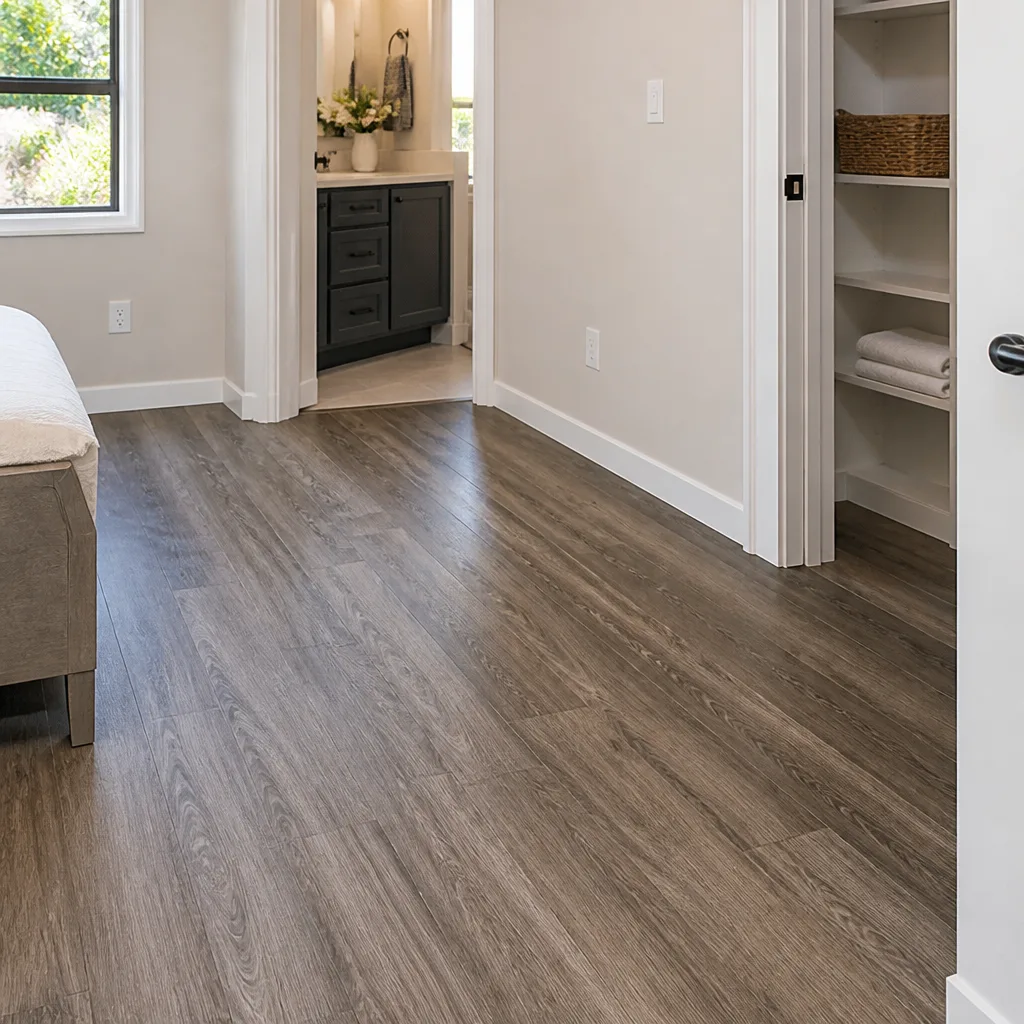
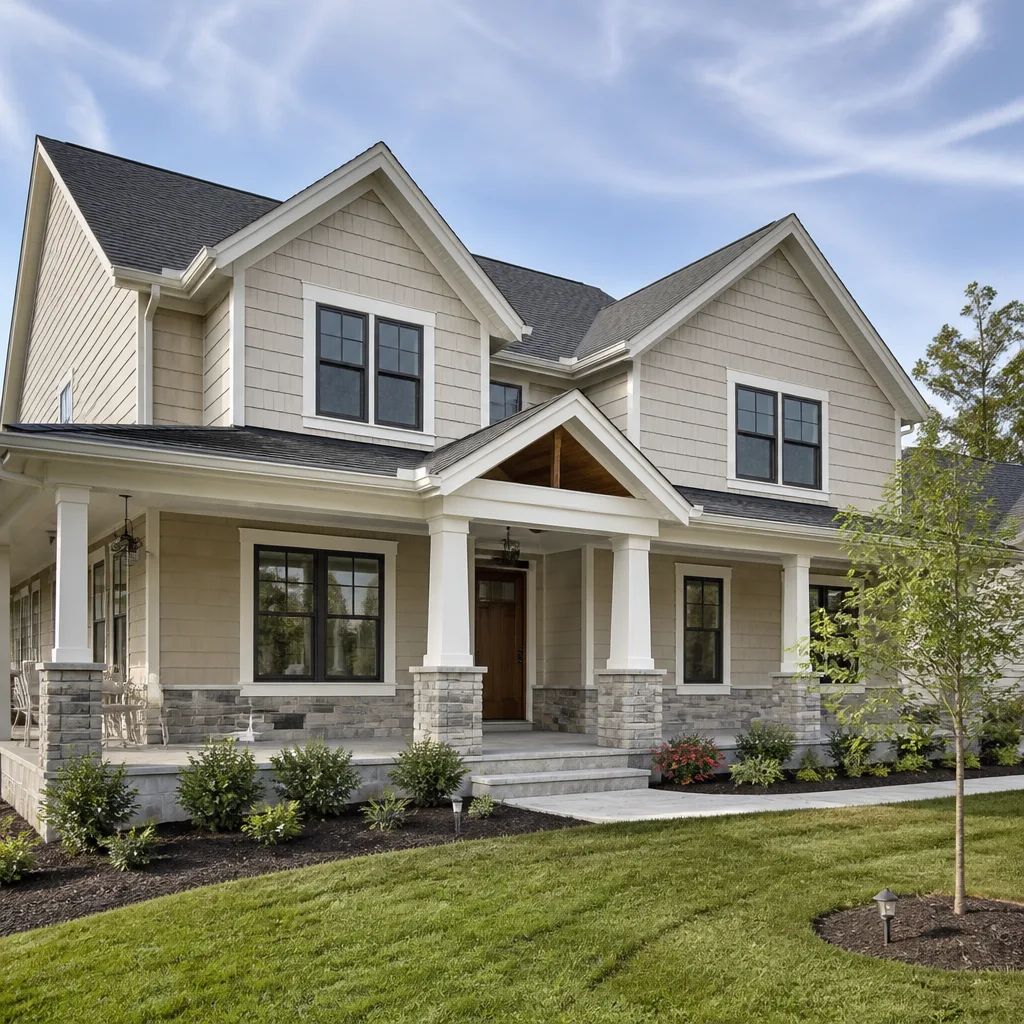
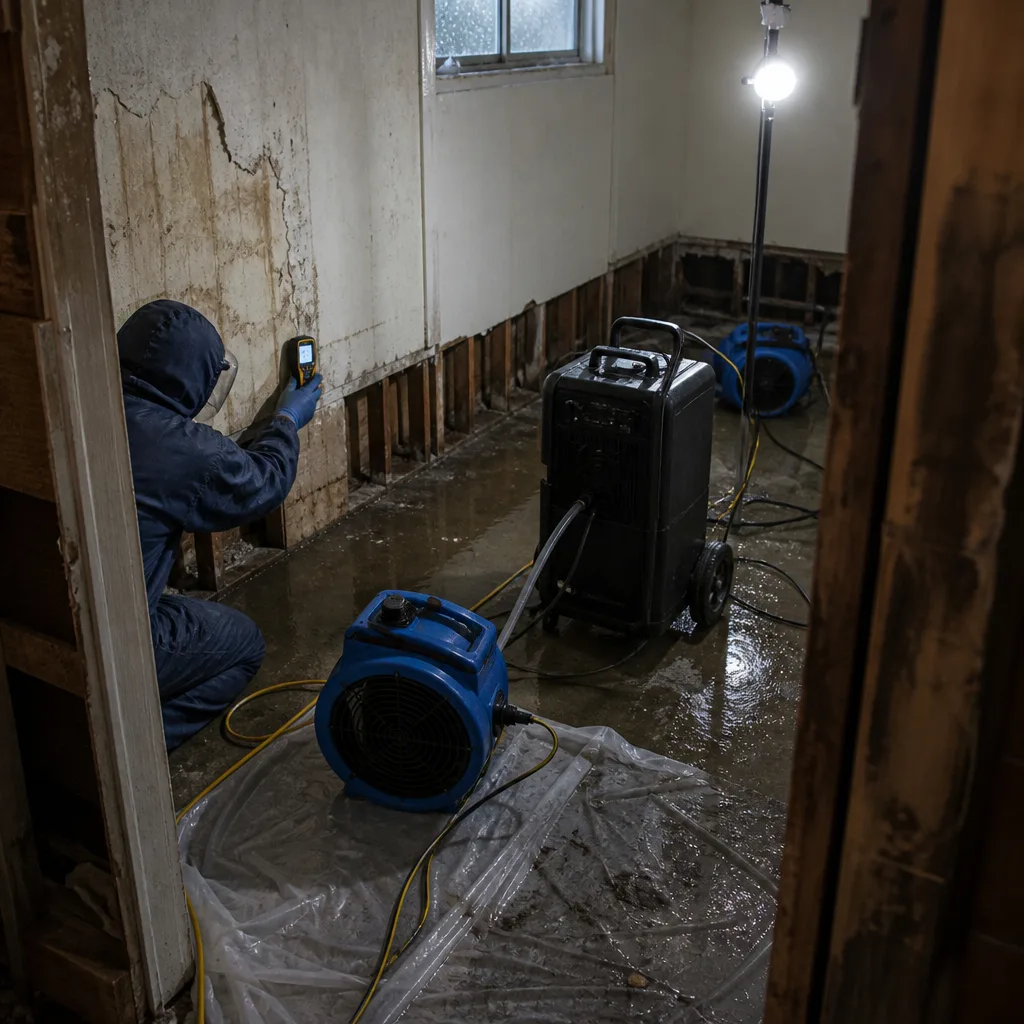 Before
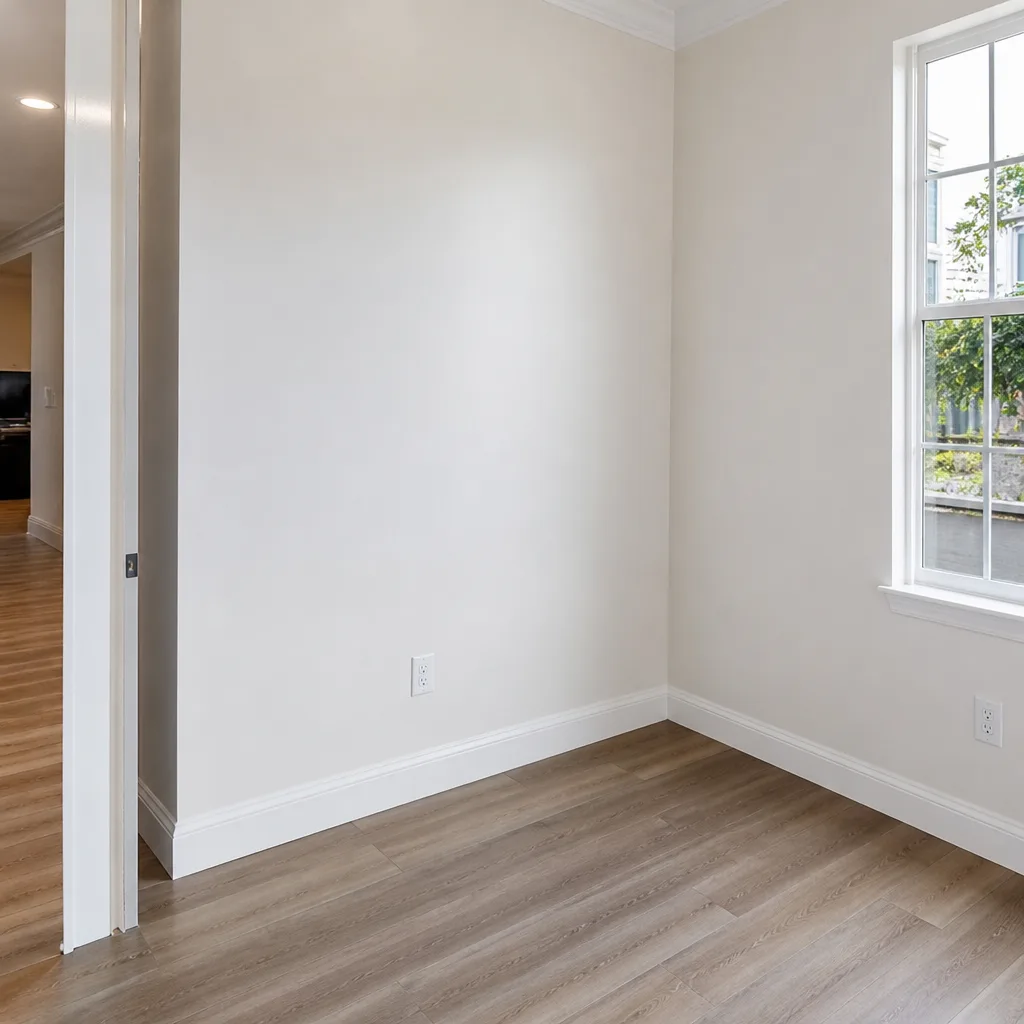 After
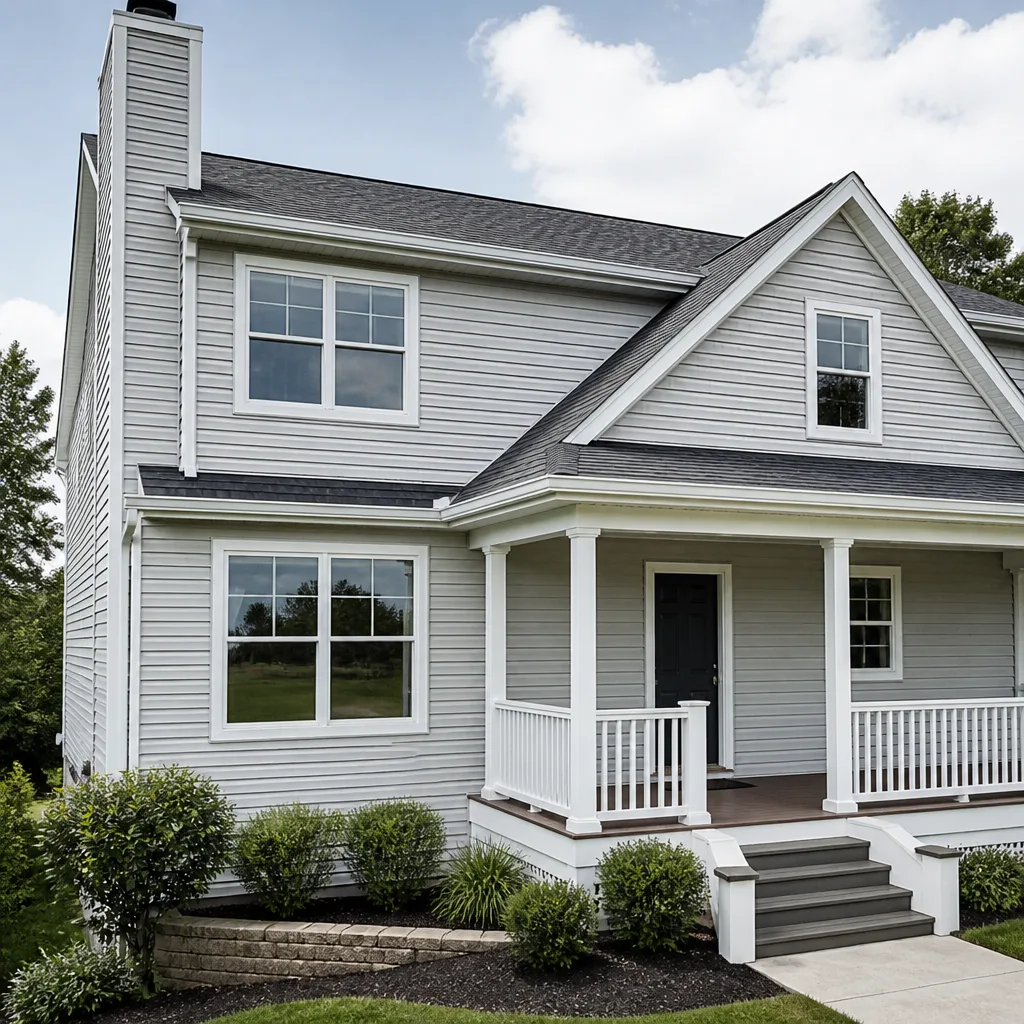
After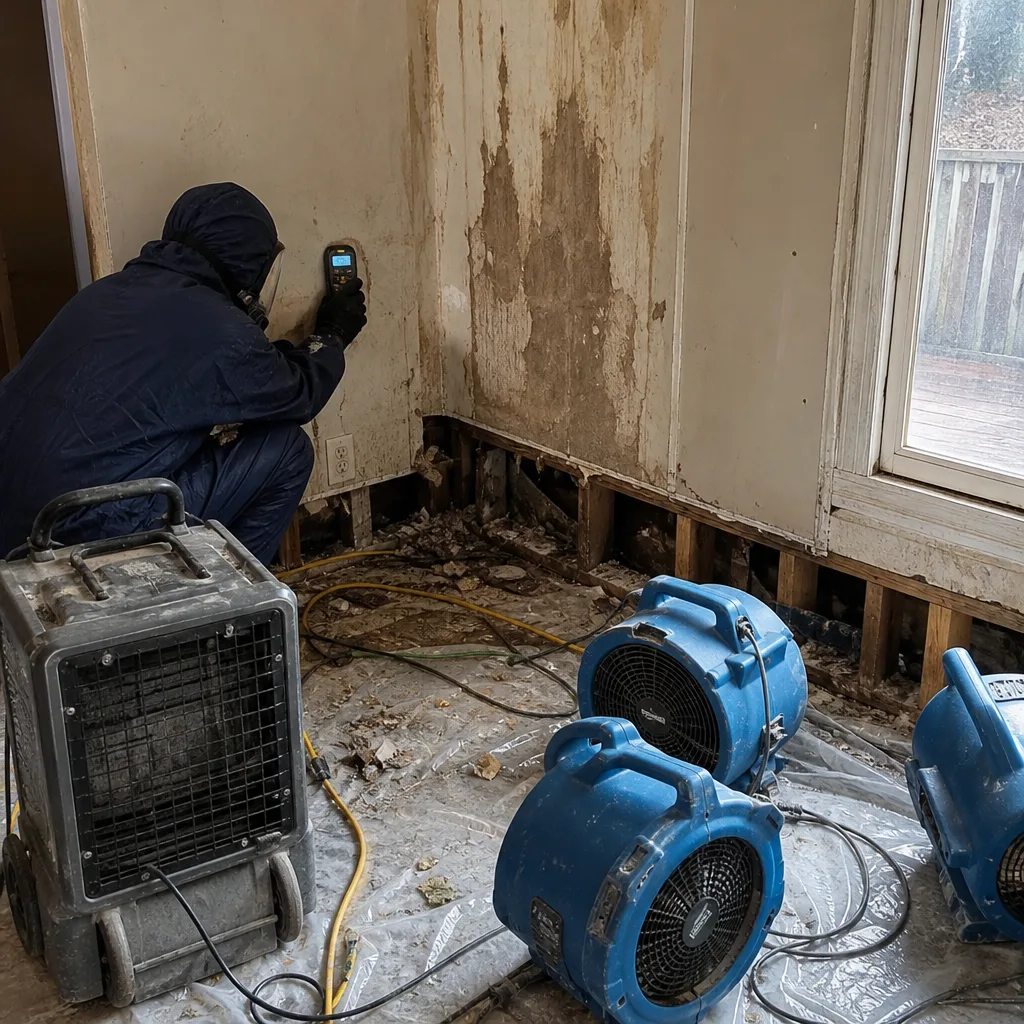 Before
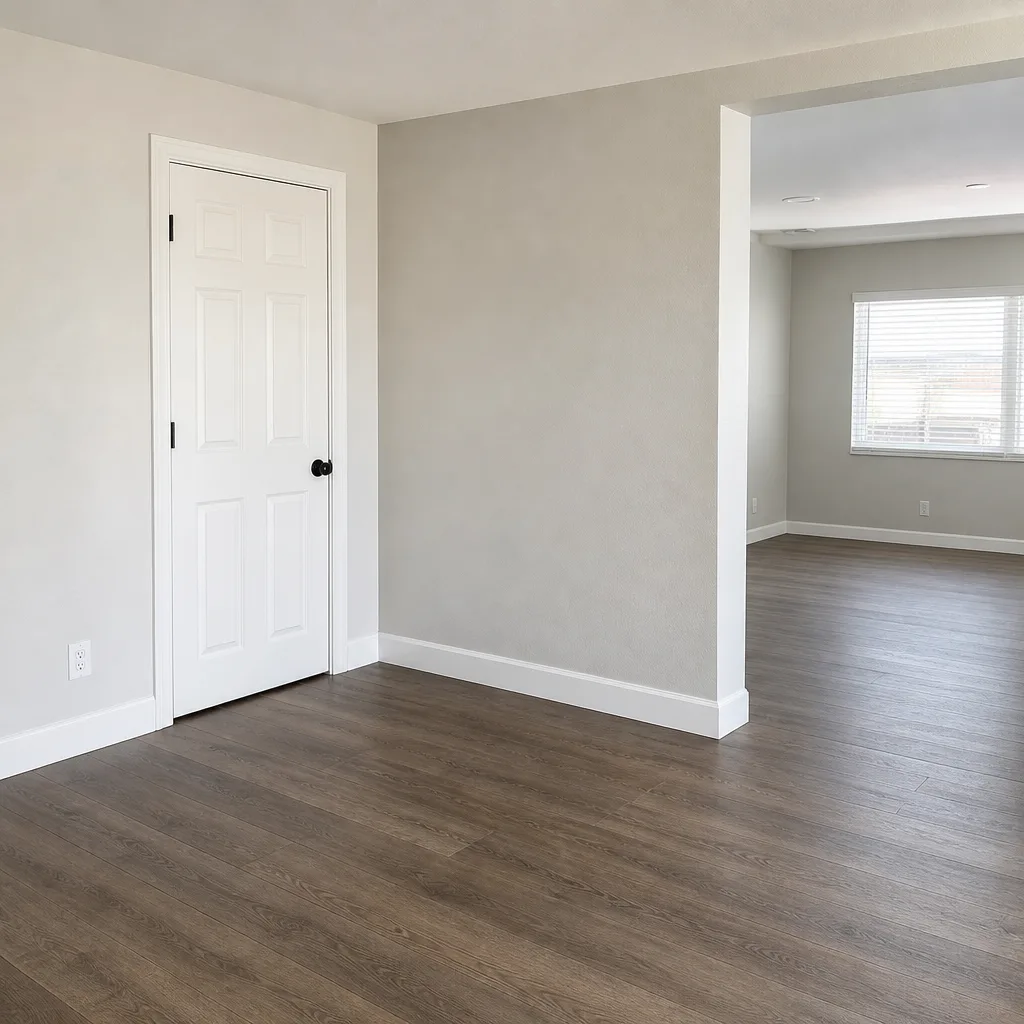 After
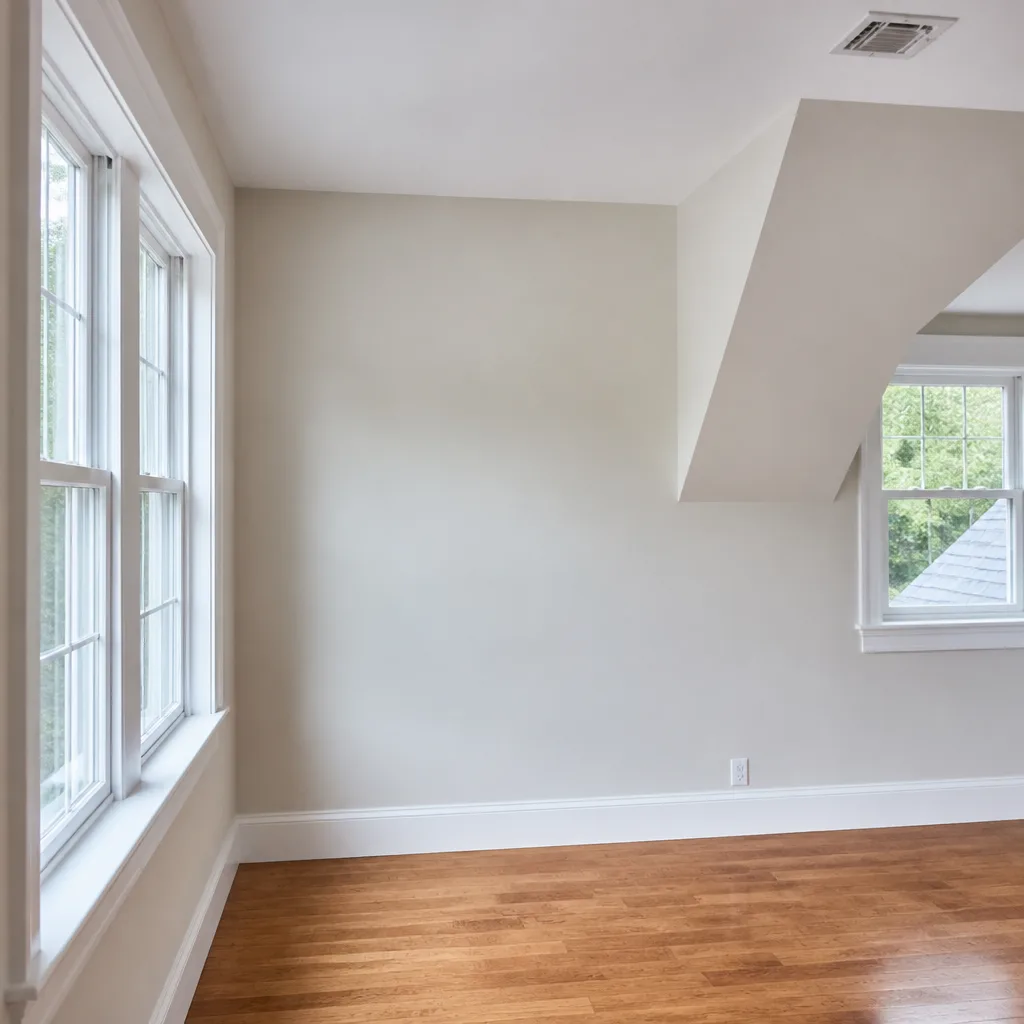
After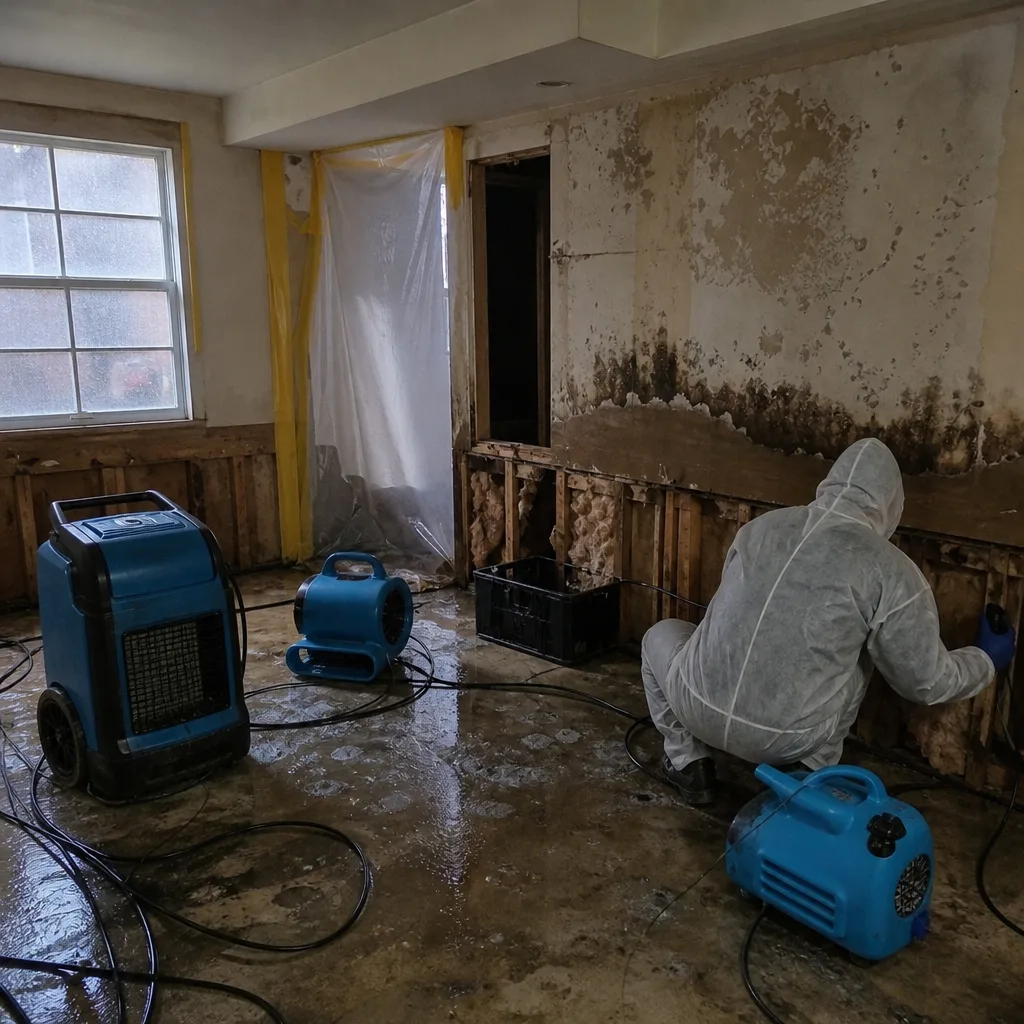 Before
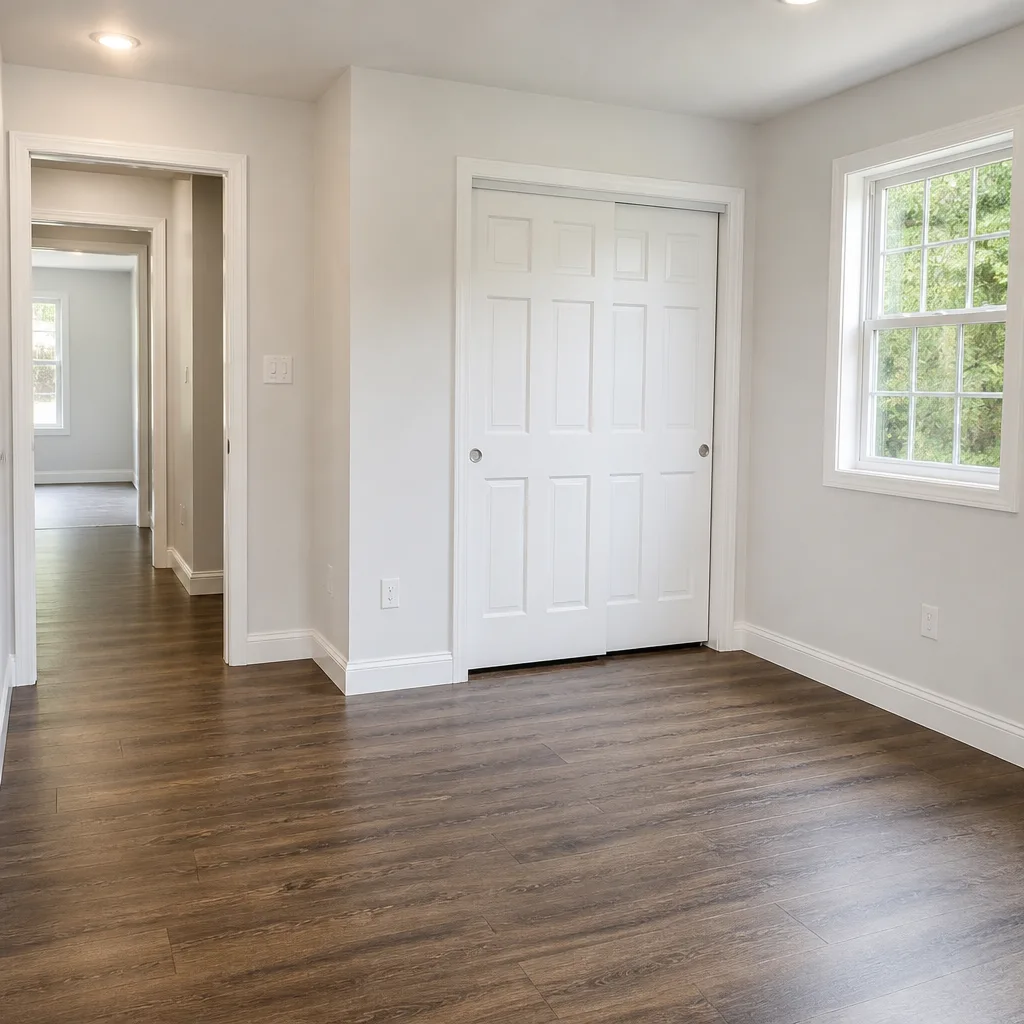 After
AfterFast, Reliable Water Damage Restoration Across Agoura Hills
Water damage in Agoura Hills rarely waits for a convenient hour. Storm runoff from the Santa Monica Mountains, a burst supply line above US-101, or a failed water heater on a Chesebro Road cul-de-sac all demand the same thing: someone who answers the phone at 2 a.m. and gets a crew moving. We do exactly that. Wendell Water Damage Restoration runs live dispatch into Agoura Hills, Oak Park, and the surrounding canyon neighborhoods, and our teams arrive with a written price before any tool comes off the truck. If you’re standing in water right now, call (940) 466-4354 and a live person will pick up.
Why Wendell Water Damage Restoration Is Agoura Hills’s Preferred Water Damage Restoration Company
Agoura Hills homeowners call us because we show up the way we say we will. The Water Damage Restoration work we do in this city is built on The Relay Standard: a live arrival time you can track on your phone, background-checked and uniformed technicians, and a line-item price in writing before we start. That last part matters more than most people realize. A crew that starts pulling baseboard before agreeing on scope is how a $2,400 dry-out becomes a $9,000 surprise. We don’t work that way.
Blake Sorensen built Wendell around the 365-Day Done Right Promise, and it’s stated in writing on every single job we run in Agoura Hills. If the repair isn’t right, we make it right. If the repair fails, the second visit is free. That’s not marketing language; it’s the guarantee printed on the scope of work you sign before we start. Homeowners near Old Agoura, Morrison Ranch, and Liberty Canyon have called us because their previous restoration company went quiet after the check cleared. We stay on the job until the drying logs show the framing is back to pre-loss moisture readings, and we send before-and-after photos by text so you can see the proof yourself.
Water Damage Cleanup in Agoura Hills
Water Damage Cleanup in Agoura Hills is not the same job it is a few miles south in Calabasas. Here, the water that enters homes is often storm-driven runoff carrying canyon silt and soil, which means it lands as Category 2 or Category 3 contamination instead of clean supply-line water. That distinction changes everything about how we approach the job: you can dry a clean-water loss by extracting and dehumidifying. You cannot simply dry a Category 3 loss in Agoura Hills that came down a hillside off Kanan Road. The saturated drywall, baseboard, and insulation below the wetted line have to come out, and the framing behind them needs antimicrobial treatment before drying equipment ever gets staged.
A typical water damage cleanup in Agoura Hills runs between $1,800 and $4,200 depending on how many rooms are involved and whether the water is Category 1, 2, or 3. A single finished garage with mud and silt intruding through the slab wall is usually on the lower end. A daylight-basement family room with water behind the drywall, saturated insulation, and visible wicking up the studs lands higher. You’ll see the exact number in writing before any work starts.
Category 2 and 3 Stormwater Cleanup
When hillside sheet flow pushes stormwater into a garage or daylight-basement wall above US-101, what’s coming in is not tap water. It’s runoff that picked up soil, fertilizer, road oil, and everything else sitting on the hillside above your roofline. Under IICRC protocol, that water is handled with containment, controlled demolition, and antimicrobial treatment, not just fans. We use the same standards on a single Agoura Hills garage that we use on a commercial warehouse hundred-loss site.
Documented Drying for Insurance Claims
Agoura Hills homeowners on clay-heavy lots deal with a specific problem after a slab gets saturated: the concrete holds moisture far longer than anyone expects. We run psychrometric drying on every job, which means we track the air’s moisture level hour by hour so we know when the framing is truly dry, not just surface-dry. The drying log becomes part of the scope of work package we hand you for your adjuster. It’s the documentation that shows why some materials were dried and others were removed.
Emergency Water Damage Restoration in Agoura Hills
Emergency Water Damage Restoration in Agoura Hills usually starts with a phone call from a homeowner standing in their garage or watching water trace its way across a living room floor from a daylight-basement wall. The first question is always the same: how fast can you get here? We run live dispatch into Agoura Hills with crews that are already staged for the 91301 corridor, not driving across the valley. A typical emergency response to Agoura Hills is under an hour and a half, and you get a live arrival time you can track rather than a vague four-hour window.
Emergency scenarios here break into two big buckets. A burst pipe or failed supply line is a clean Category 1 loss, and that’s mostly extraction, drying, and monitoring. A heavy atmospheric-river storm that puts hillside runoff against your foundation is a Category 2 or 3 event, and that’s a different protocol entirely. Emergency extraction, containment, and controlled demolition for a hillside intrusion in Agoura Hills typically runs $2,200 to $5,500 as the initial mitigation phase, before any rebuild scope is priced.
Same-Day Extraction and Containment
We pull water fast. Dri-Eaz extractors handle the standing water. Thermal imaging maps how far moisture wicked through the drywall and behind baseboards. If the water is contaminated, we set containment before we cut anything, so the silt and soil that came down the hillside doesn’t become airborne dust the rest of the house breathes for weeks.
Slab and Daylight-Basement Response
Agoura Hills homes built on the hillside side of US-101 deal with water that enters at the garage slab or the daylight-basement wall, not through a roof leak. A homeowner standing in a wet garage Sunday night doesn’t need a plumbing diagnosis. They need a crew that recognizes the failure mode immediately and starts the right protocol. That recognition is what saves the finished room above the garage from becoming a mold problem 48 hours later.
Trusted Brands We Service in Agoura Hills
We don’t run our Agoura Hills jobs with rental equipment or consumer-grade fans from the hardware store. We stage Dri-Eaz dehumidifiers and extractors, XPOWER air movers, and Phoenix drying systems on every loss we run here, because those are the units that hold consistent temperature and humidity control across a cold canyon night and a warm afternoon. That’s not a talking point; it’s the reason our drying logs show the slab actually hitting target instead of hovering above it for a week. When we need parts or replacement units, our local stock means we’re not waiting on a distributor across town while your framing stays wet.
Common Water Damage Restoration Problems We See in Agoura Hills Homes
- Hillside lot drainage entering at the garage slab. Homes on the uphill side of Kanan Road and north of US-101 shed stormwater toward the structure, not the street. The water comes in at the slab-to-wall joint or the daylight-basement wall, and homeowners often misread it as a plumbing leak because the entry point is below grade.
- Category 2 and 3 stormwater treated like a clean loss. Silt-laden canyon runoff that enters a home is contaminated by definition. A crew that extracts and dries without removing the saturated baseboard and bottom drywall course leaves contamination in the wall cavity, and mold follows within 24 to 48 hours. We see this after big storms when homeowners call us to fix a job someone else did wrong.
- Temperature swings fooling homeowners into thinking a slab is drying. Agoura Hills can run 45 degrees at night and 75 by afternoon. The slab feels dryer by mid-day because the air is warmer. Without dehumidification and logged moisture readings, the framing stays above target behind the baseboard and the damage hides until the paint blisters or the smell shows up.
- Older hillside-era construction with minimal waterproofing. Homes built in the 1970s through early 1990s along Medea Valley and upper Lindero Canyon often predate modern foundation drainage. A multi-inch storm puts hydrostatic pressure against the wall, and water finds the path of least resistance. We know what these wall assemblies look like from the inside after a decade of Agoura Hills storms.
Pricing for Water Damage Restoration in Agoura Hills, CA
Here’s what Agoura Hills homeowners actually pay us:
- Emergency water extraction and initial dry-out (single room): $1,500 – $2,800
- Full Category 3 cleanup with containment and controlled demolition (finished garage or daylight basement): $2,800 – $5,500
- Structural drying with psychrometric monitoring and drying logs: $900 – $2,200 depending on square footage and drying time
- Antimicrobial treatment after contaminated-water removal: $350 – $900 per affected space
What moves the number is not the company you call; it’s the category of water, how far it wicked into the wall assembly, and whether flooring or drywall has to come out to hit drying targets. You get the exact number in writing before we start, and a digital invoice texted to your phone so the number on the screen is the number you pay. Estimates are free. Call (940) 466-4354 and we’ll give you a real range over the phone before anyone gets in a truck.
We Also Serve Cities Near Agoura Hills
Our crews run Agoura Hills losses daily and cover the surrounding communities with the same response standards: Westlake Village, Oak Park, Calabasas, and Thousand Oaks. If you live a few miles outside city limits and you’re watching water spread across the floor, call us. We’ll tell you straight what the response time looks like to your address.
Serving Agoura Hills, CA - Our Local Coverage Area
We’re based in the Agoura Hills area and know this community well. Use the map below to see our service coverage - if you’re nearby, we can almost certainly help.
FAQs About Water Damage Restoration in Agoura Hills
No. Stormwater that runs down an Agoura Hills hillside and into your garage is Category 2 or Category 3 water because it picks up soil, road oil, fertilizer, and everything else sitting on the ground above your house. Shop-vaccing gets the standing water up, but it doesn’t stop the contamination already wicked into the baseboard and drywall. That material has to be removed, the framing behind it treated with antimicrobial, and then the drying equipment goes in. Spending a Saturday trying to dry it yourself usually means spending twice as much the following week when the mold smell shows up. Call (940) 466-4354 and we’ll walk you through what you’re actually looking at.
We typically reach Agoura Hills addresses in under 90 minutes from your call, with a live arrival time you can track as the crew drives. The clock matters because of what doesn’t dry. Once drywall and framing stay saturated past roughly 48 hours, mold becomes a biological question of when, not if, and the cost goes from a cleanup to a full remediation plus rebuild scope. Every hour you wait in a hillside intrusion scenario is an hour the moisture is wicking further up the studs. Call (940) 466-4354 now if water is currently moving through your home.
That’s almost always hydrostatic pressure from stormwater saturating the retained soil behind the wall, not a plumbing leak. Homes on the hillside side of Kanan Road and above US-101 shed water toward the structure during atmospheric-river events, and the water enters where the daylight-basement wall meets the slab or through cracks the wall has developed over years of canyon temperature swings. We’ve run enough of these in Agoura Hills to know the wall assembly and what has to come out before drying starts. Call (940) 466-4354 and describe what you’re seeing; we’ll tell you over the phone if this sounds like the slope issue we think it is.
Yes. Every Agoura Hills job gets a written scope of work before we start, a documented drying log that shows moisture readings from day one through completion, and before-and-after photos sent to your phone. The drying log is the part that matters most to your adjuster: it shows why certain materials were dried and others were removed, which is exactly what an adjuster needs to approve the right line items instead of a generic “water remediation” invoice. We coordinate directly with your adjuster when asked, and the documentation package is yours to keep regardless.
Clean Category 1 water from a burst supply line can often be dried in place as long as moisture readings show the framing drops below the drying target within a reasonable window. Category 2 or 3 stormwater from a hillside intrusion is different: the saturated drywall and baseboard come out because you can’t dry contamination out of gypsum. The material itself is the problem. Our decision on every job in Agoura Hills is driven by the water category, how long the material has been wet, and the psychrometric data we’re logging. You’ll see our reasoning in the written scope before we make the first cut.
Water damage in Agoura Hills doesn’t pause for a Monday morning call-back. If you’ve got water moving through a garage, daylight basement, or living space right now, call (940) 466-4354. A live person answers, we’ll give you a straight answer about what you’re dealing with, and a written price is on the table before any work starts.
Written by Blake Sorensen, Owner at Wendell Water Damage Restoration, serving Agoura Hills and the surrounding canyon communities.