
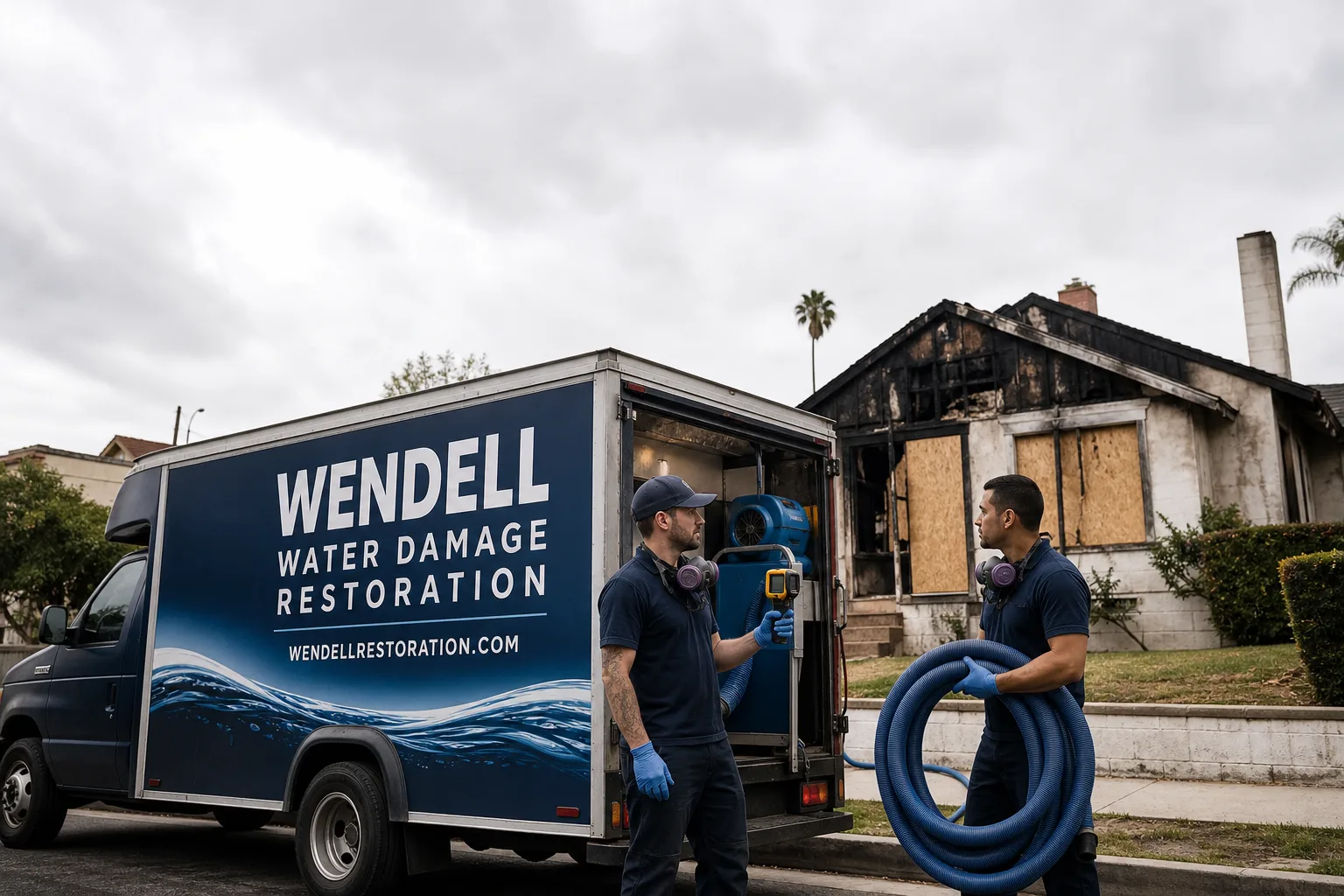
Free visual inspection and a written scope of work before any mitigation begins - photos, moisture readings, and drying logs go in your claim file
The scope we write is the scope we bill. Anything new gets shown to you, in writing, before we touch it.
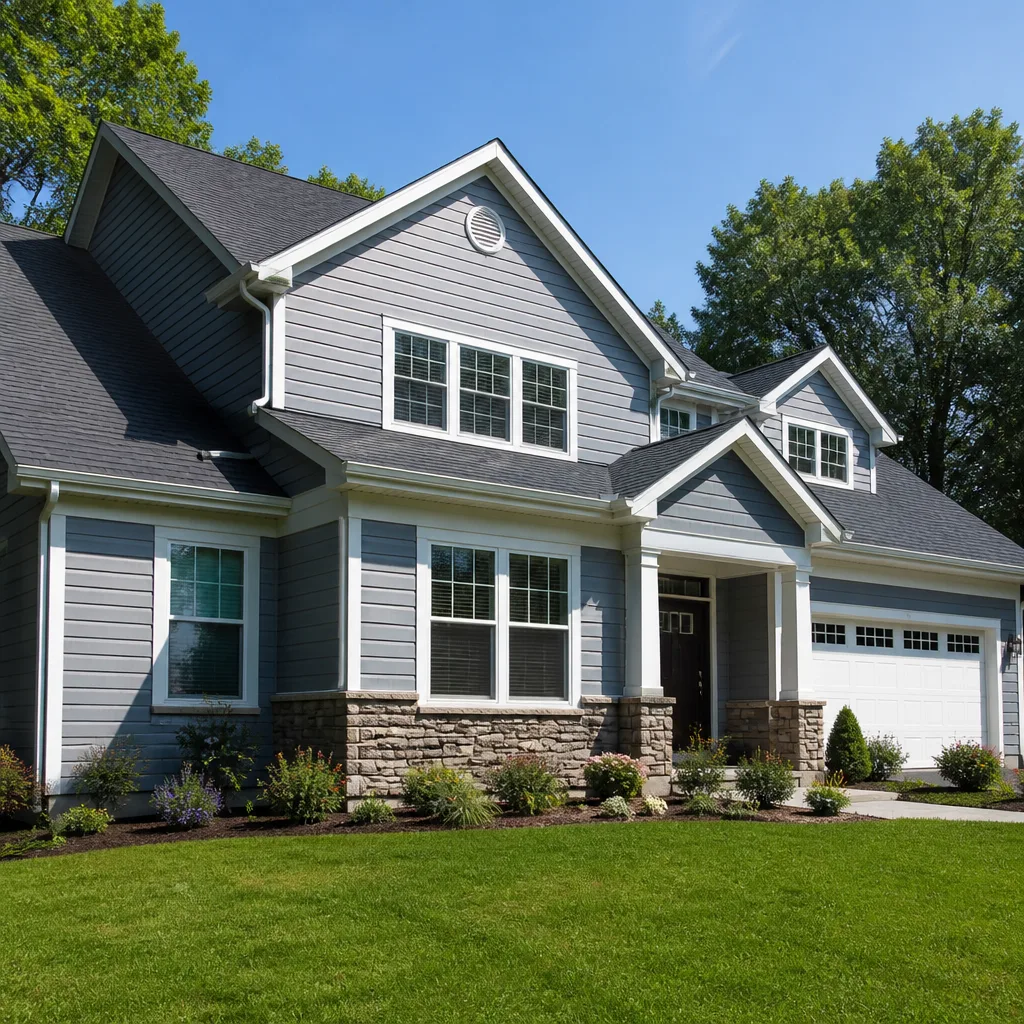
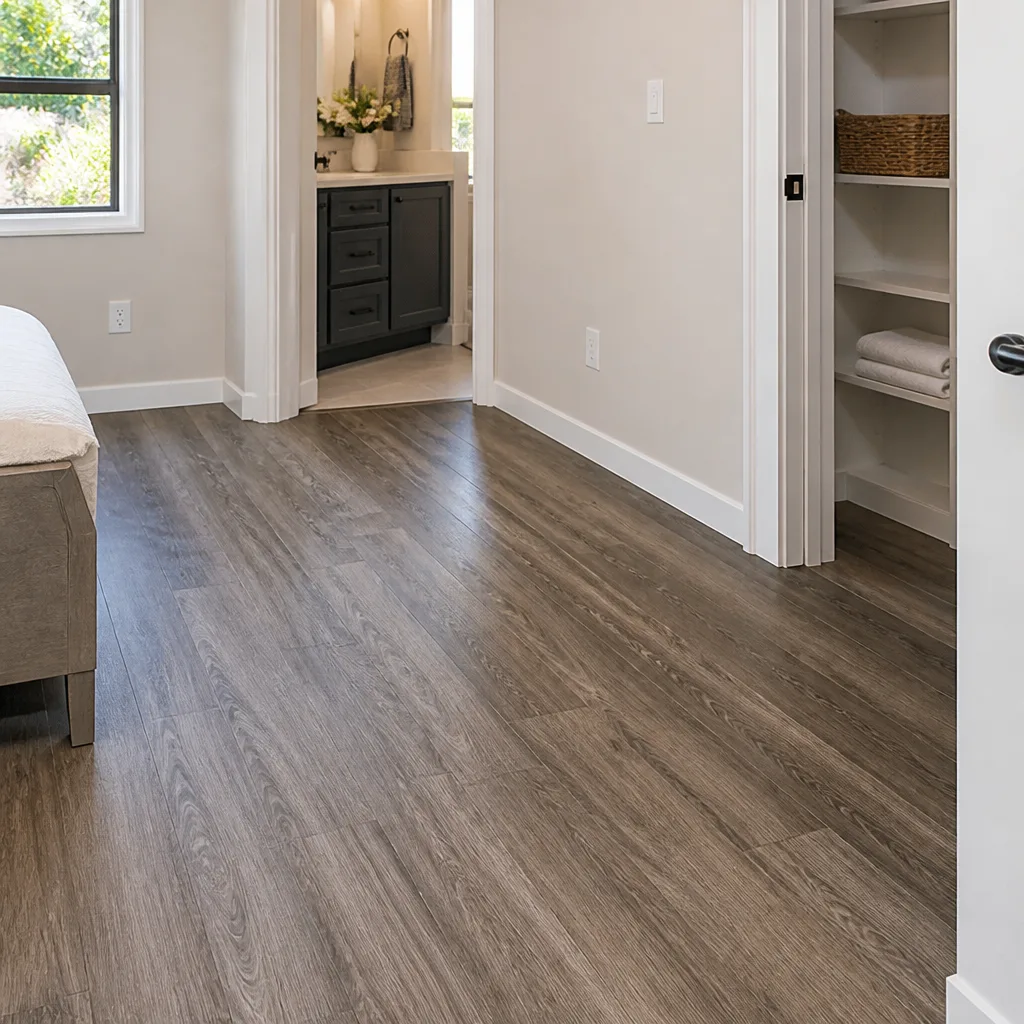
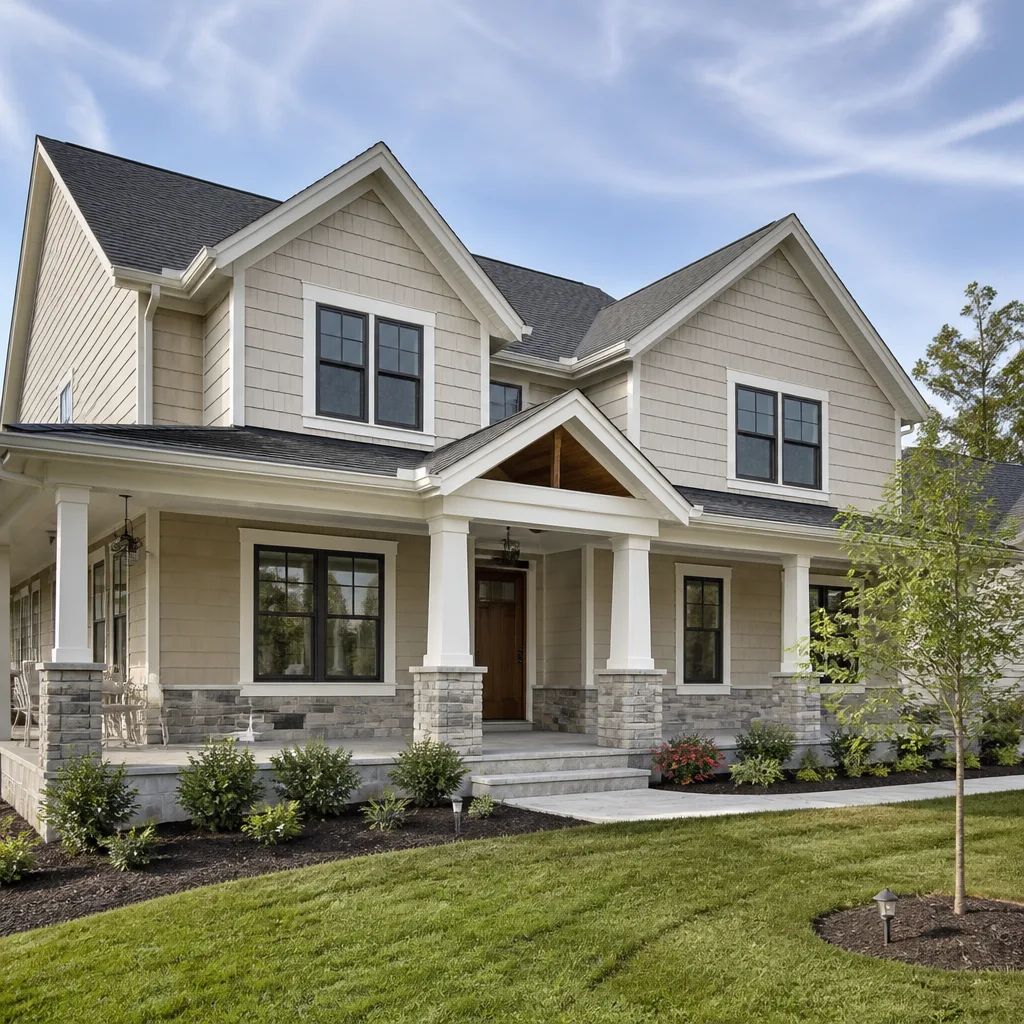
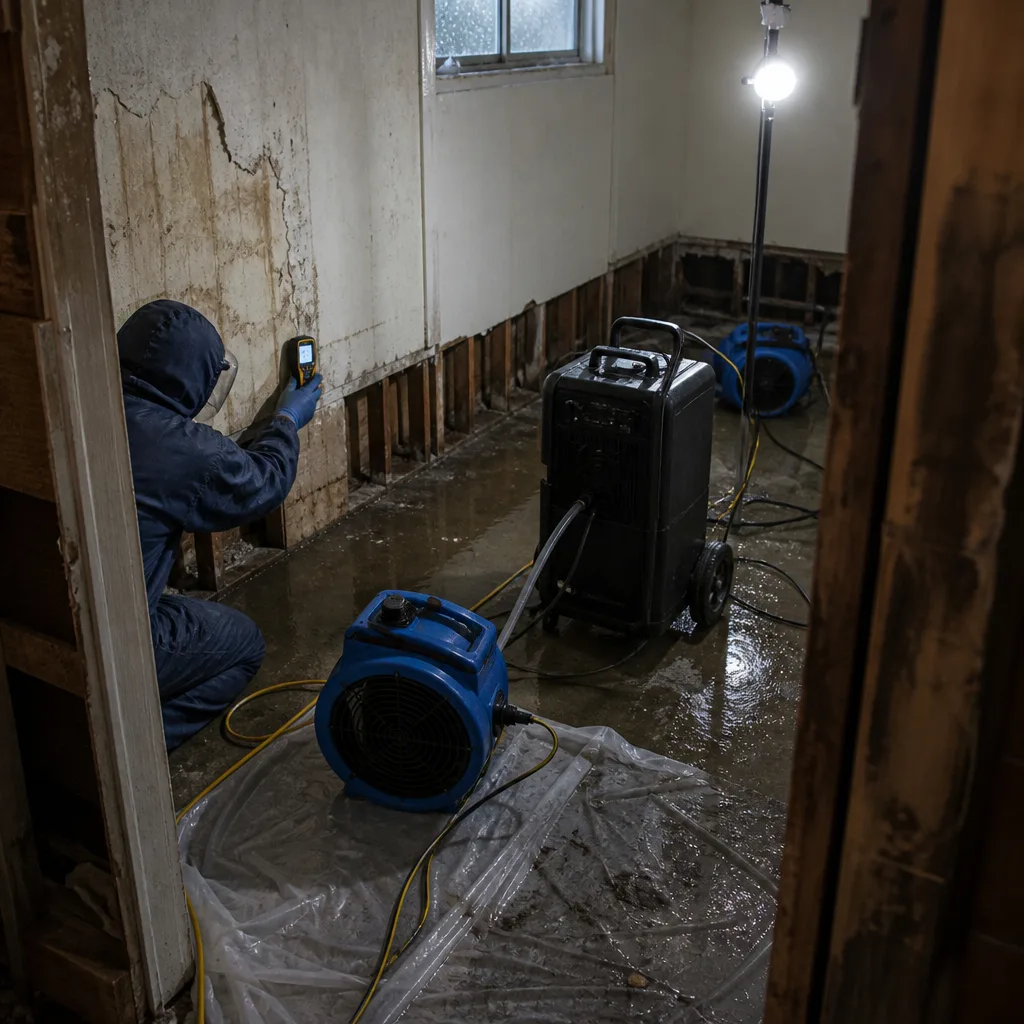 Before
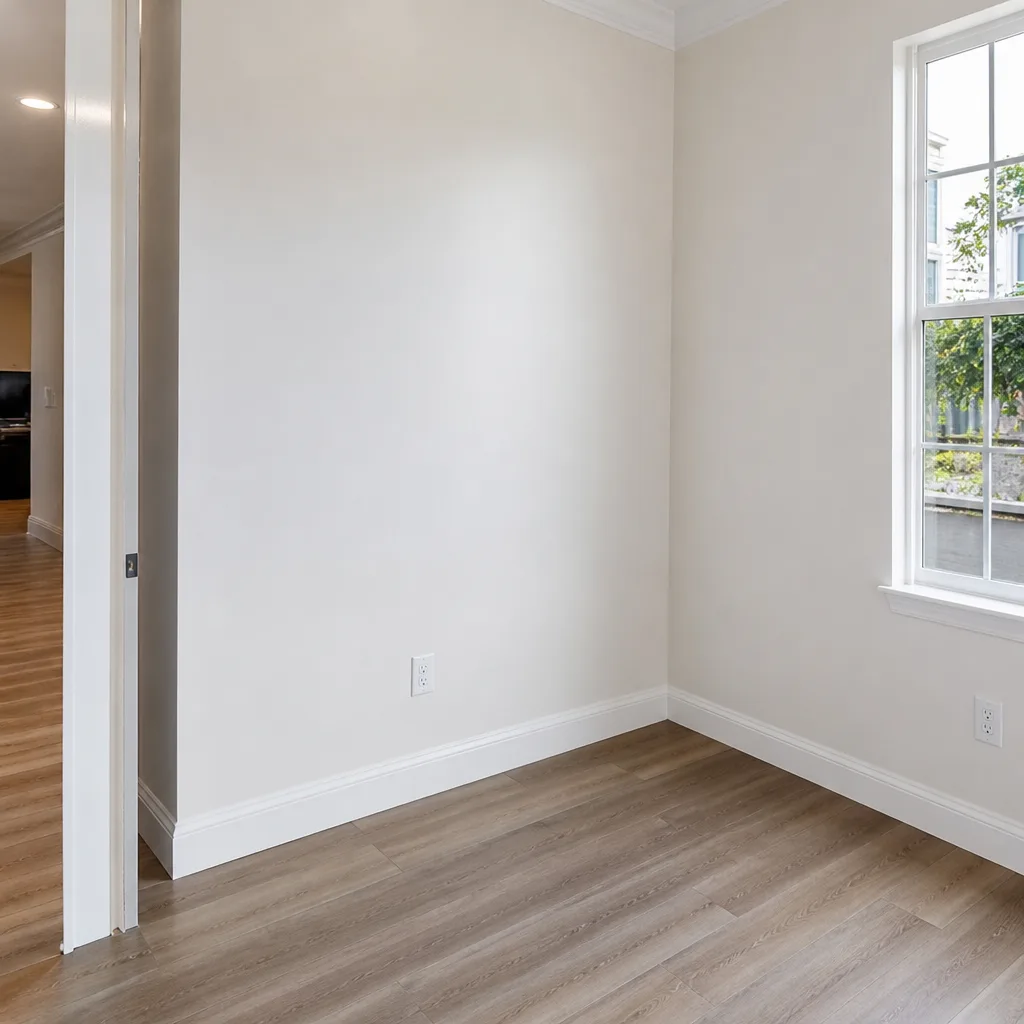 After
After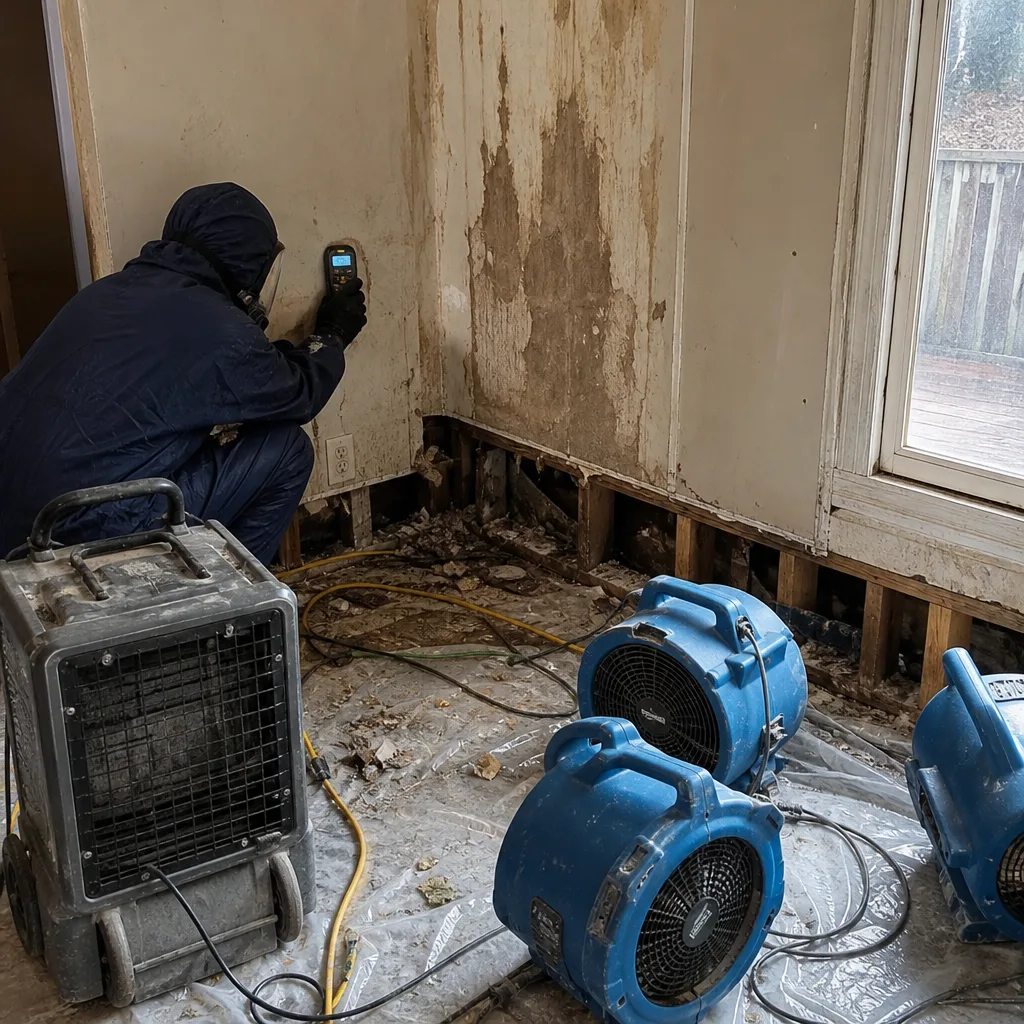 Before
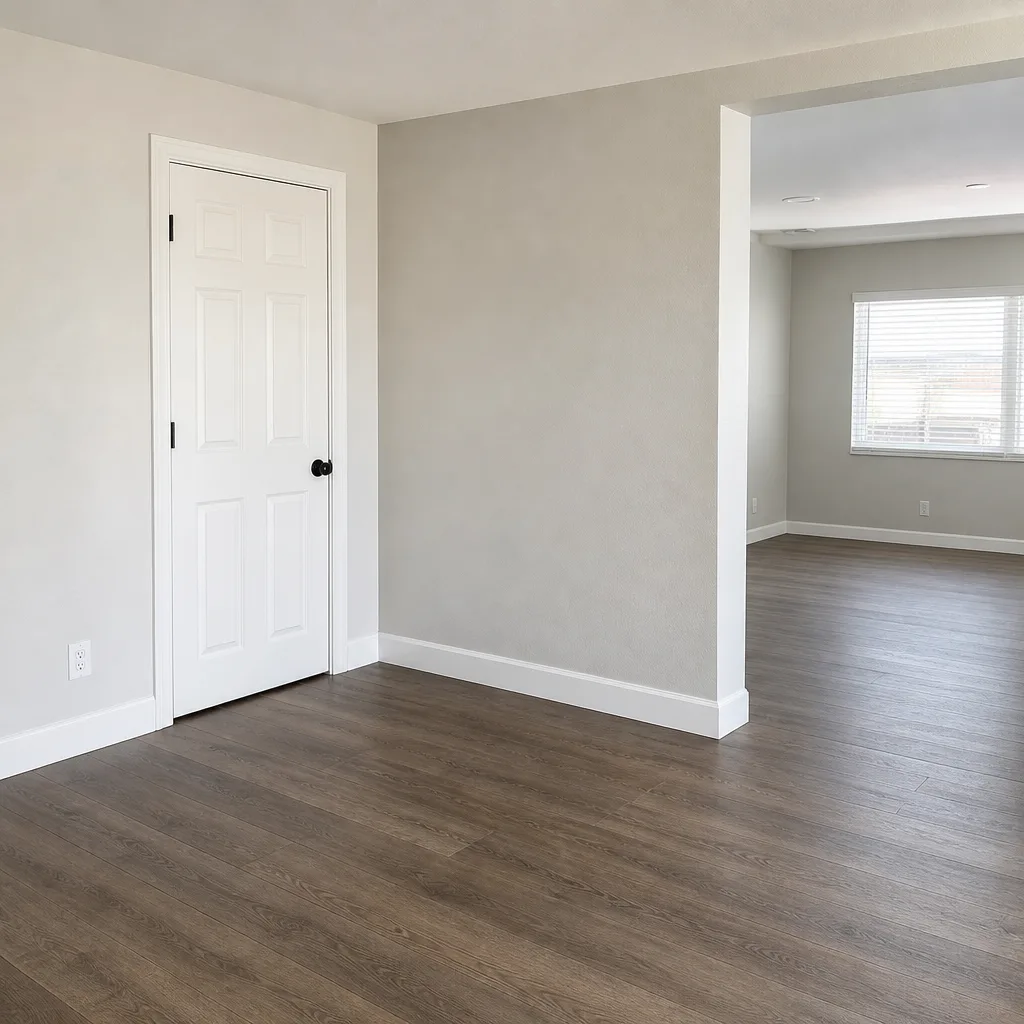 After
After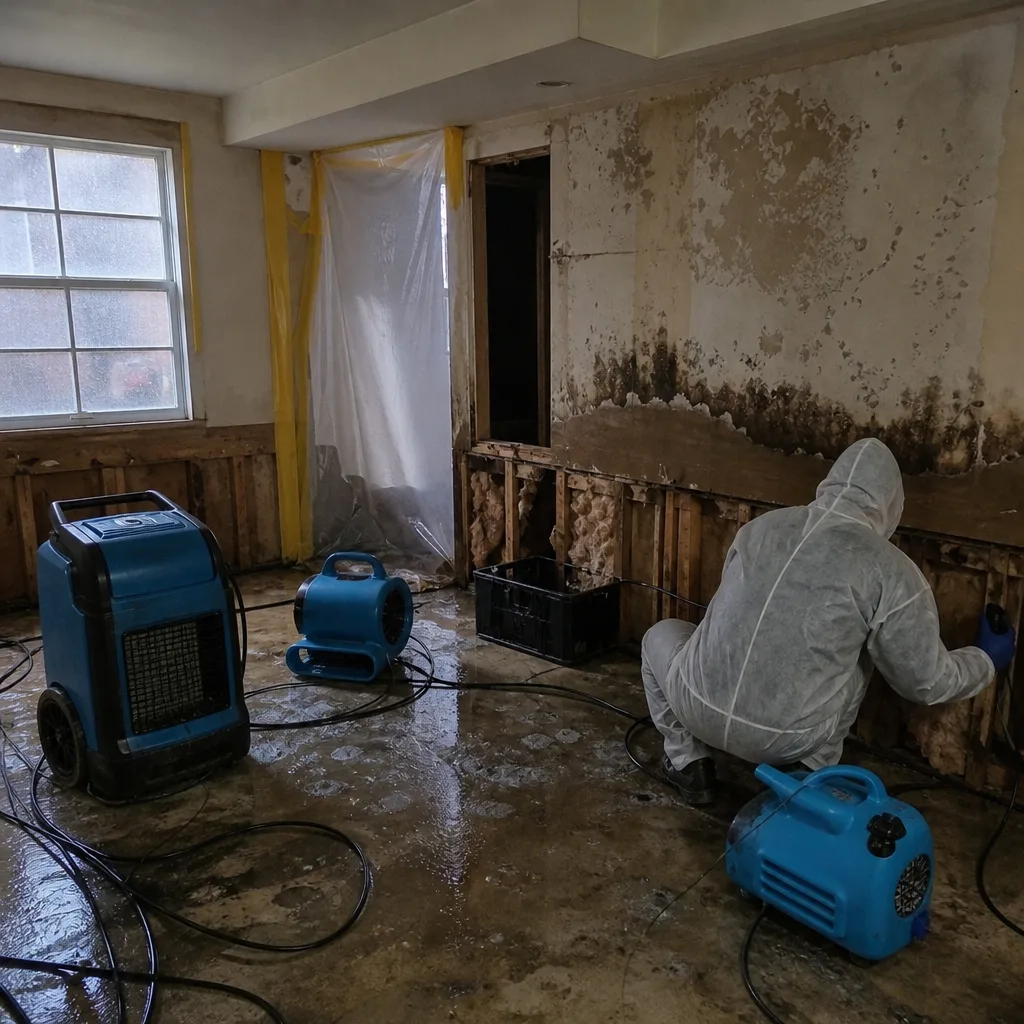 Before
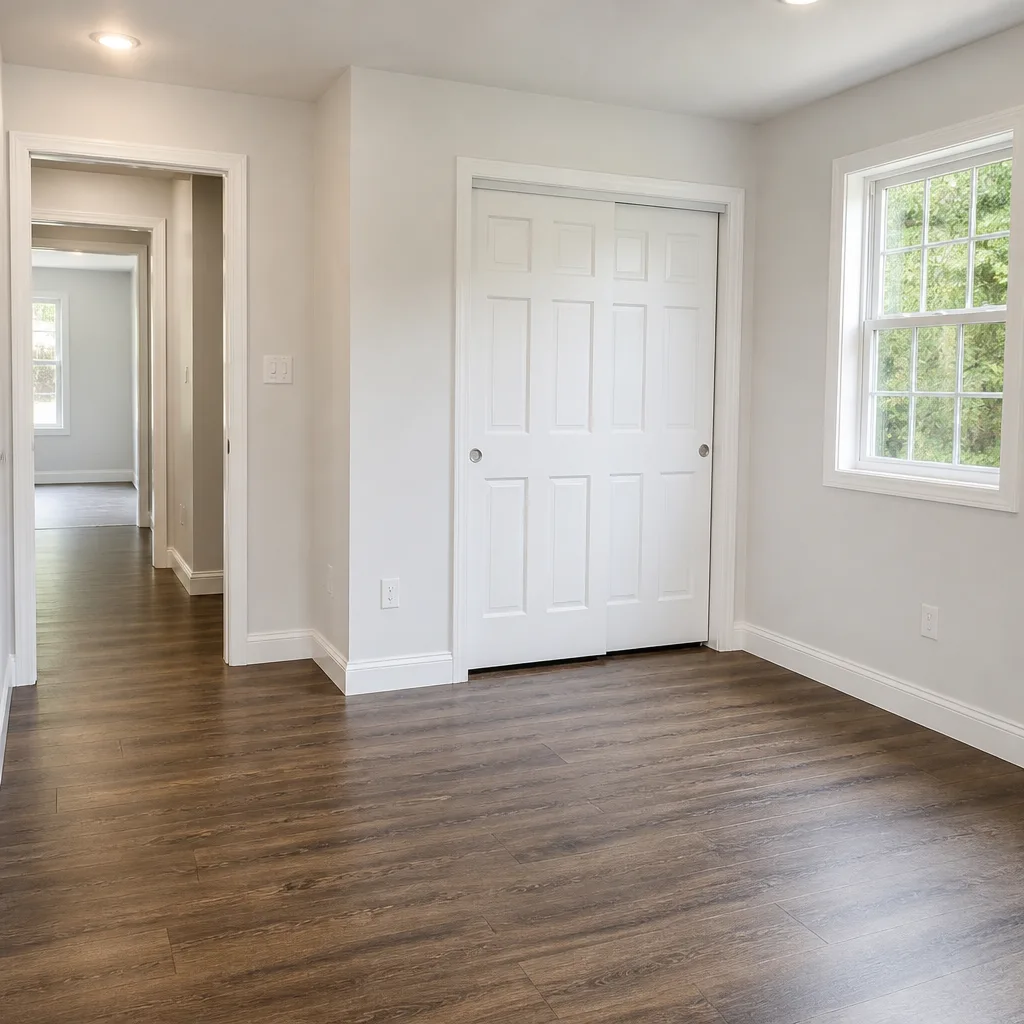 After
AfterFast, Reliable Water Damage Repair Across Upper Manhattan
Water damage repair in Upper Manhattan typically costs $1,800 to $6,400 depending on whether you’re dealing with a single-ceiling leak or a stacked riser failure that wet three floors at once. Most calls we field from Washington Heights, Inwood, and Harlem are answered live and a background-checked technician reaches your building within 60 to 90 minutes, not a four-hour window. That speed matters here because pre-war plaster and old-growth framing start wicking water immediately, and every hour a wet ceiling sits unaddressed pushes you closer to mold that spreads through shared walls into neighboring units, which is why we also offer Mold Remediation in Upper Manhattan. Call (940) 466-4354 and you’ll talk to a real person who can dispatch a crew to Upper Manhattan right now.
Why Wendell Water Damage Restoration Is Upper Manhattan’s Preferred Water Damage Repair Company
Upper Manhattan homeowners and co-op boards keep our number saved because we work the way this borough actually runs: fast, documented, and accountable to whoever signs the check. Led by Blake Sorensen, our Water Damage Repair team has handled hundreds of pre-war building losses from Bennett Avenue to Broadway, and we understand that in a six-story walk-up, one leaking riser means five separate conversations with five different unit owners before anyone opens a wall. We’re not a call center that subcontracts the work to whoever’s available. We’re the people who show up in uniform, run the moisture mapping, and hand you a written price before a single tool comes off the truck.
Every Upper Manhattan job gets the same three standing commitments: a written price before any work starts, a written guarantee on every repair, and a free second visit if the repair fails. That’s our 365-Day Done Right Promise, and it’s stated in writing on every job we do. We also text before-and-after photos once drying is complete, so you can see the moisture readings drop on your own phone without asking for them. In a neighborhood where co-op boards need everything documented for insurance, that paper trail is not a nice-to-have. It’s the difference between an approved claim and a denied one.
Technicians assigned to Upper Manhattan arrive with a live tracking link so you see exactly who is coming, what they look like, and when they’ll hit your lobby. No vague arrival windows. No “someone will call you back.” Just a live person answering 24/7, a uniformed tech at your door, and a digital invoice texted to your phone that you pay from a link. The number on the screen is the number you pay.
Water Damage Repair Contractors in Upper Manhattan
Water Damage Repair Contractors in Upper Manhattan do a different job than their counterparts in single-family-home suburbs, because the water here rarely stays in one apartment. When a supply riser in a Washington Heights co-op lets go, it’s not unusual for brown ceiling stains to appear simultaneously in the unit below, the unit below that, and sometimes the apartment next door, depending on how the stacks are run. A contractor who only fixes the visible ceiling is leaving wet drywall, soaked insulation, and active mold conditions one wall thickness away from another unit. We trace the actual leak path using thermal imaging and moisture meters before we touch anything, because the leak source and the visible damage are often two floors apart in Upper Manhattan’s stacked pre-war buildings.
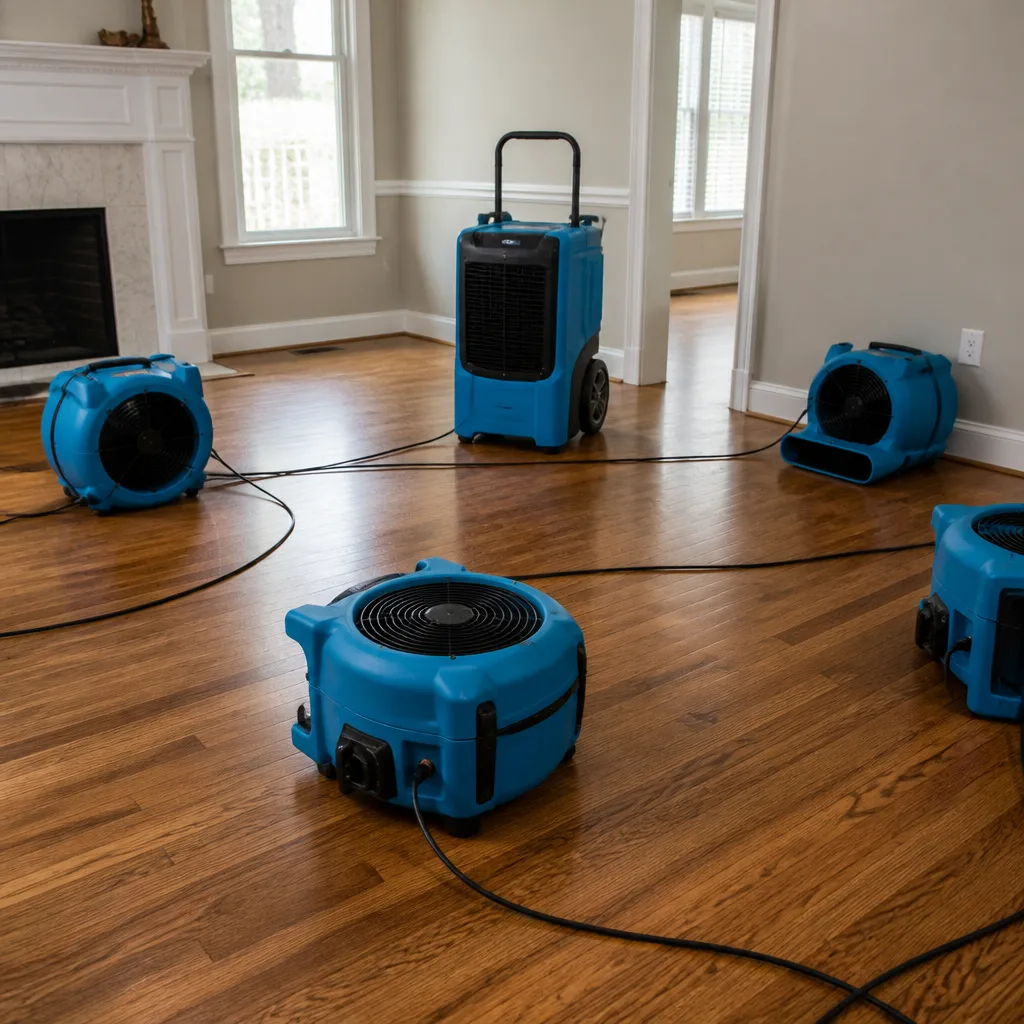
So what does the work actually involve? We extract standing water if there is any, set containment to keep dust and spores from drifting into neighboring units, and deploy professional-grade drying equipment from Dri-Eaz and Phoenix under IICRC, RIA, and IFA standards. That means psychrometric drying, which is tracking the air’s moisture level so we know when your home is truly dry, not just surface-dry to the touch. We then repair or replace damaged drywall, plaster, trim, and flooring, treating affected cavities with antimicrobial treatment, which stops mold from taking root in the wet wood and drywall before it becomes a secondary problem. For a typical one-unit ceiling collapse in Upper Manhattan, you’re looking at $1,800 to $4,200 depending on square footage and whether the floor above is involved. A three-unit stacked riser loss with plaster preservation usually lands between $4,800 and $6,400.
Plaster Preservation and Drying
Most Upper Manhattan pre-war buildings have original plaster over wood lath, and tearing that out to dry a wall is both expensive and historically tone-deaf. We use Injectidry wall cavity drying systems that pull moisture out from inside the wall without gutting the plaster. That saves the 1920s character of your apartment and keeps your co-op board’s alteration review from turning into a demolition project.
Co-op and Condo Board Coordination
When common-area risers, stack lines, or shared walls are involved, your building’s board or management company typically must approve access and scope before work begins. We write scopes in the language boards and adjusters expect: photo documentation of every wet surface, drying logs with daily readings, and a written plan that separates unit-level work from common-area work so there’s no fight over who pays for what.
Burst Pipe Cleanup in Upper Manhattan
Burst Pipe Cleanup in Upper Manhattan usually starts with a phone call in the middle of the night and a unit that’s taking on water faster than a wet-dry vac can keep up with. Supply lines here are often original galvanized or cast-iron from the 1920s and 1930s, and they don’t fail gracefully. They corrode from the inside, develop pinholes, and then let go entirely, dumping Category 2 grey water through ceilings, walls, and sometimes into the electrical chase. The first step is always stopping the water, which means shutting the riser valve at the building level, not just the fixture valve in the unit.
Once the water is off, we extract what’s pooled, map the moisture across every affected surface, and set up containment and air movers to start drying immediately. Burst pipe water is often Category 2, meaning it’s contaminated but not sewage, so time is still the enemy: you have roughly 24 to 48 hours before mold starts colonizing wet drywall and insulation. In Upper Manhattan pre-war buildings, the bigger danger is what you can’t see. Water travels down the inside of a wall cavity, through floors, and into the unit below before it ever shows up as a stain. Our techs run moisture meters across all adjacent surfaces, not just the obvious wet spot, and we dry the full path of water travel. Typical burst pipe cleanup in a Upper Manhattan apartment runs $2,400 to $5,800 depending on how many units are wet and how much of the original plaster can be saved.
Emergency Water Extraction
We run professional truck-mounted and portable extraction units, not homeowner-grade wet-vacs, and we get the standing water out fast. Then we place Dri-Eaz dehumidifiers and Phoenix air movers exactly where the moisture map says they’re needed, not just scattered around the room.
Hidden Water Detection
Thermal imaging and invasive moisture probes help us find water that’s hiding behind plaster, under flooring, or inside wall cavities. In a pre-war Upper Manhattan apartment, if you only fix what you can see, you’re leaving the next claim waiting to happen.
Trusted Brands We Service in Upper Manhattan
Upper Manhattan homes run on aging plumbing and radiators, and when a riser fails or a steam line corrodes, the brands of equipment we use to dry things out matter just as much as the brands of pipe that failed. We stock and service systems built around Dri-Eaz dehumidifiers, Phoenix air movers, and XPOWER supplementary drying equipment, and we maintain replacement parts inventory specifically for the high-rise and pre-war building types we see in Washington Heights, Harlem, and Inwood. That means when a drying job runs long or a board requests additional equipment on day two, we don’t have to wait on a parts truck from out of state. We keep what Upper Manhattan jobs actually need on hand and ready to deploy.
Common Water Damage Repair Problems We See in Upper Manhattan Homes
- Stacked riser failures that wet multiple floors at once. A corroded supply riser in a six-story walk-up doesn’t flood one apartment. It stains ceilings on three floors of the same line, and if you only repair the unit that called, mold grows in the units above and below before anyone knows there’s a problem.
- Hidden leaks behind original plaster walls. Galvanized and cast-iron plumbing in Washington Heights and Inwood fails slowly, behind walls and under floors, often for weeks before a brown ceiling stain appears. By the time you see it, you’re well past the 24-to-48-hour mold clock.
- Co-op and condo board approval delays. When common-area access or scope of work requires board sign-off, the process can stretch a 72-hour drying window past the point where wet drywall and plaster can be saved. We write scopes and drying logs that boards can approve quickly.
- Shared-wall contamination between units. Water doesn’t respect property lines, and in Upper Manhattan pre-war buildings, it doesn’t respect floor lines either. A leak in the unit above is your water damage too, and drying needs to happen across unit boundaries, not just within the apartment where the source was found.
Pricing for Water Damage Repair in Upper Manhattan, NY
Let’s talk numbers, because you should know a ballpark before you ever tap call. A single-unit ceiling leak with plaster preservation and drying in Upper Manhattan runs $1,800 to $4,200. A full burst pipe cleanup with multiple wet walls and two to three affected units typically lands between $2,400 and $5,800. A stacked riser failure requiring building-wide coordination, three-unit drying, and claim documentation runs $4,800 to $6,400. What moves the number? Square footage of wet material, whether original plaster can be saved or must be removed, the number of units involved, and whether asbestos abatement or lead-safe work practices are required, which older pre-war buildings sometimes trigger. Every Upper Manhattan job gets a written price before any work starts. Call (940) 466-4354 for a free estimate, and we’ll have a technician walk your unit and put the number in writing.
We Also Serve Cities Near Upper Manhattan
If you’re in a neighboring borough or you know someone dealing with water damage nearby, we also cover Water Damage Repair in Upper Manhattan and the surrounding areas, including Brooklyn, Queens, Manhattan, and The Bronx. Our dispatch team coordinates from the New York City office, and crews serving Upper Manhattan can reach most nearby neighborhoods quickly.
Serving Upper Manhattan, NY - Our Local Coverage Area
We’re based in the Upper Manhattan area and know this community well. Use the map below to see our service coverage - if you’re nearby, we can almost certainly help.
FAQs About Water Damage Repair in Upper Manhattan
We typically reach a water damage emergency in Washington Heights or Inwood within 60 to 90 minutes of your call. A live person answers (940) 466-4354 24/7, and our Upper Manhattan-based technicians are dispatched immediately, not routed through a callback queue. You’ll get a live arrival time on your phone so you can track exactly when the uniformed tech reaches your building.
Yes, if the leak involves common-area risers, stack lines, shared walls, or building systems, your co-op board or management company will typically need to approve access and scope before work begins. We write scopes, photo documentation, and drying logs in the format boards and adjusters expect, and we separate unit-level work from common-area work so the approval process moves as fast as possible.
We dry behind original plaster walls using Injectidry wall cavity drying systems that pull moisture out from inside the wall without gutting the plaster. In most Upper Manhattan pre-war apartments, the original 1920s plaster and lath can be preserved. Demolition is only necessary when the plaster is already crumbling, severely contaminated, or structurally unsound.
We confirm dryness using psychrometric drying, which tracks the air’s moisture level and the moisture content of building materials until both return to pre-loss condition. You get a drying log with daily readings of humidity, temperature, and moisture content from every affected surface, and we text before-and-after photos so you can see the documentation on your phone.
Category 1 water is clean, like a supply line leak; Category 2 water is contaminated, like a burst pipe that’s picked up dirt and bacteria from inside the wall; Category 3 water is grossly contaminated, like sewage or flood water. The category determines how much material must be removed versus dried and treated, and it affects what your insurance adjuster will approve for repair versus replacement. Call (940) 466-4354 for an exact assessment, and we’ll walk you through what your specific loss requires.
Written by Blake Sorensen, Owner at Wendell Water Damage Restoration, serving Upper Manhattan since 2006.