
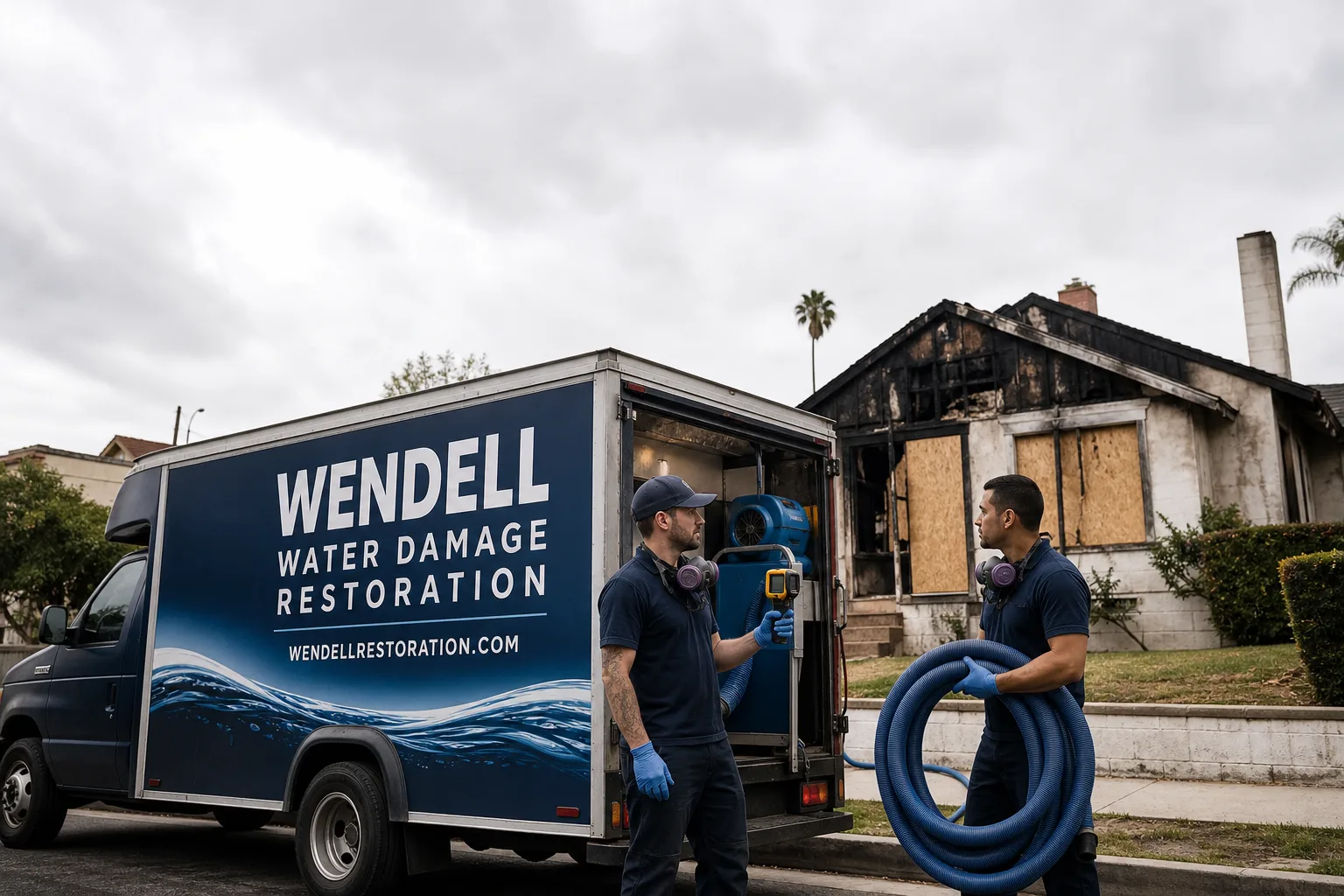
Free visual inspection and a written scope of work before any mitigation begins - photos, moisture readings, and drying logs go in your claim file
The scope we write is the scope we bill. Anything new gets shown to you, in writing, before we touch it.
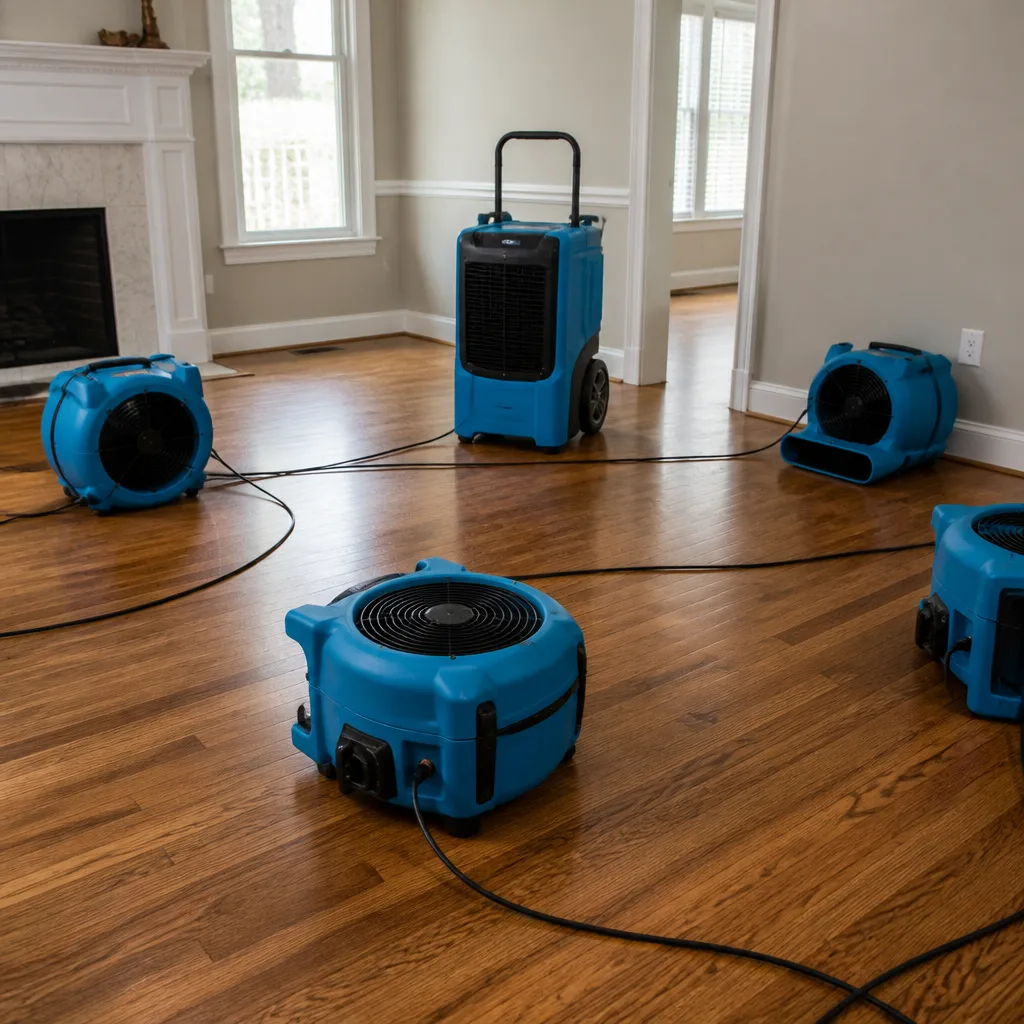

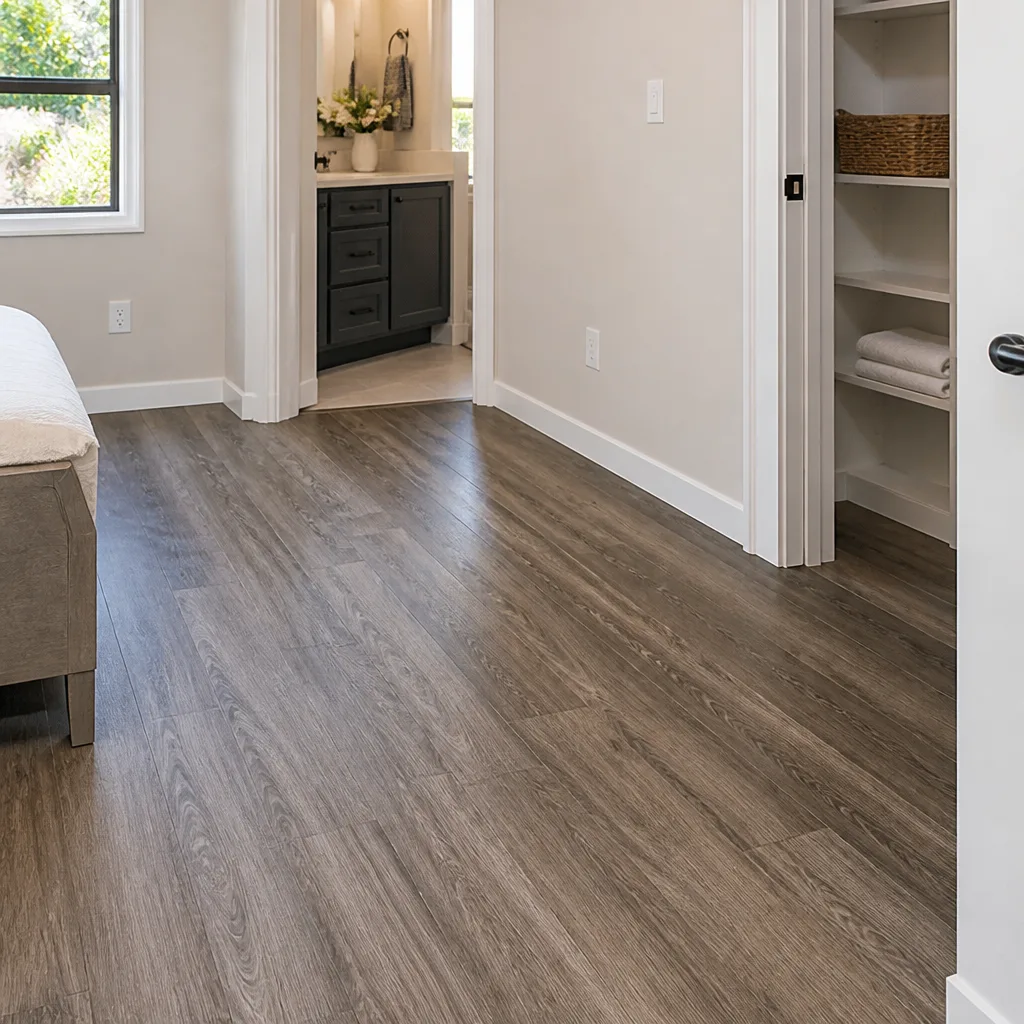
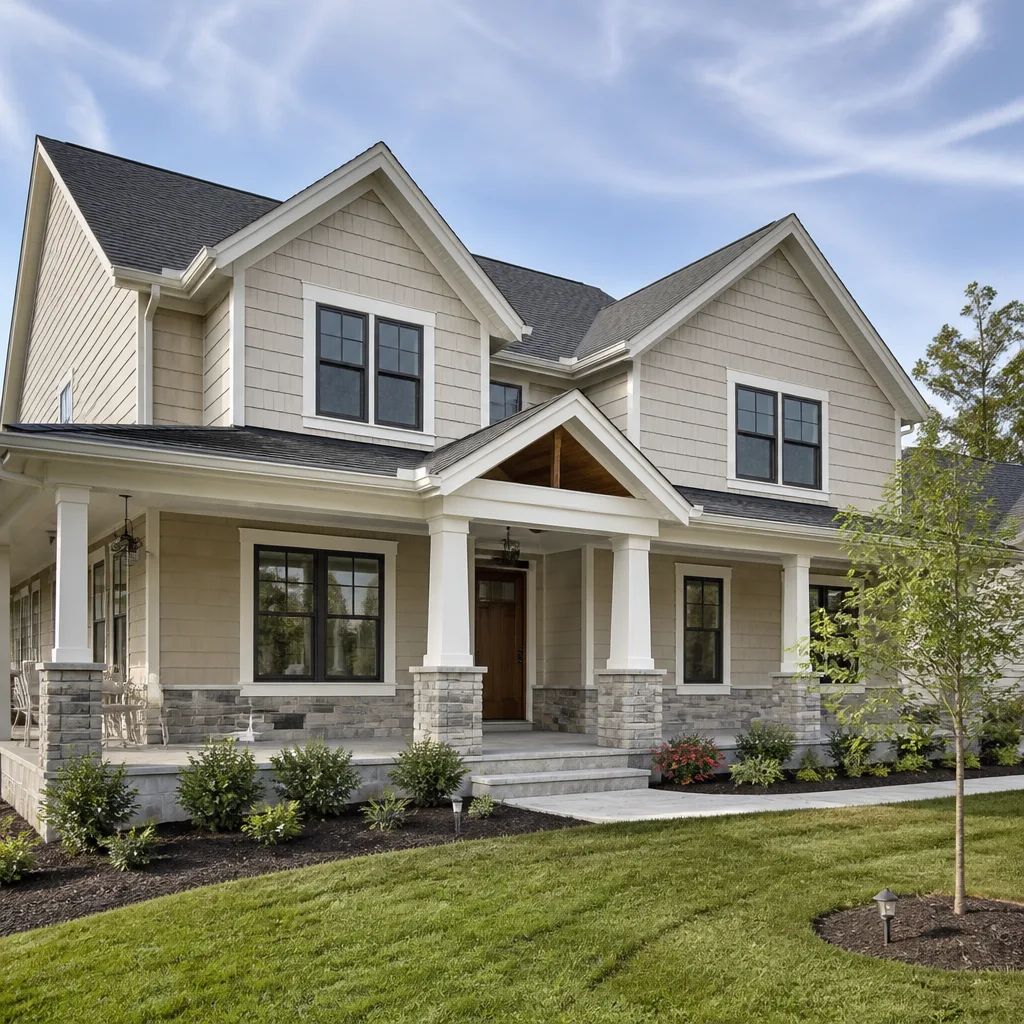
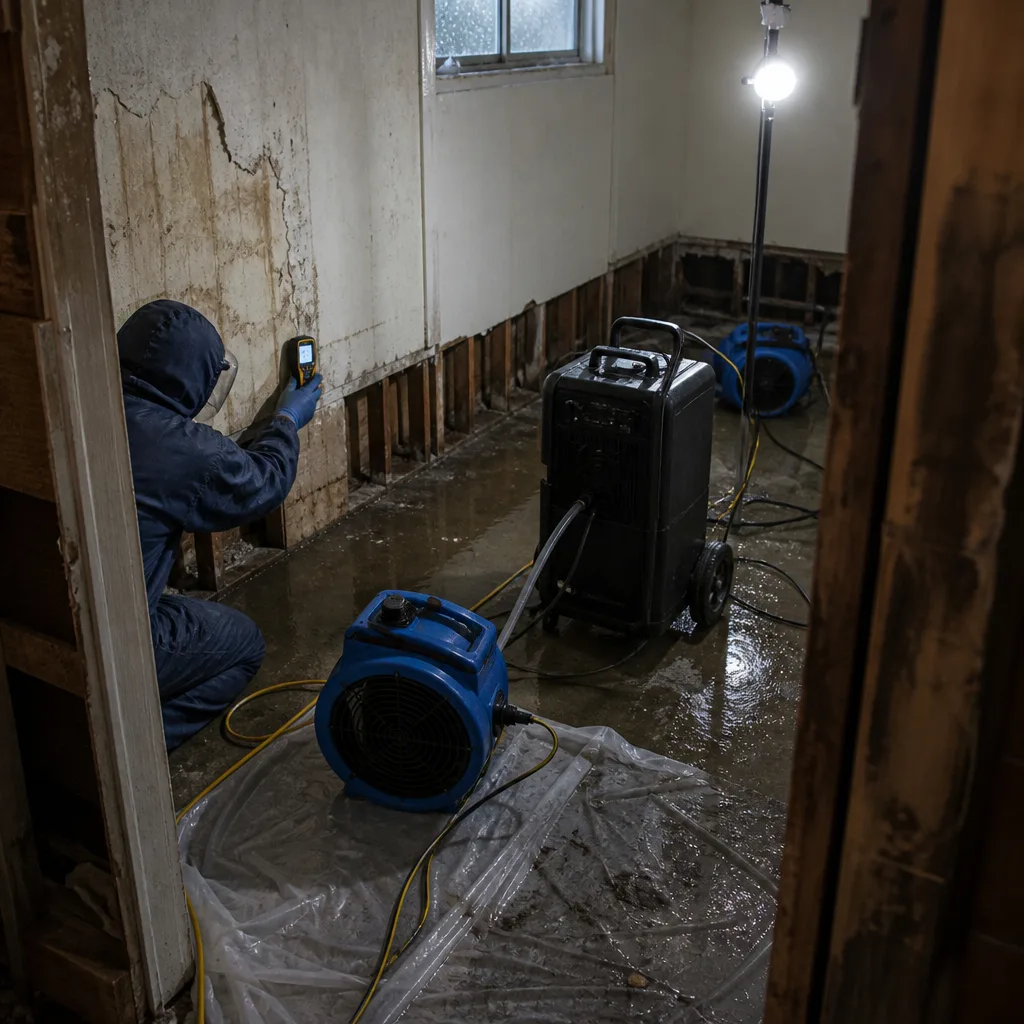 Before
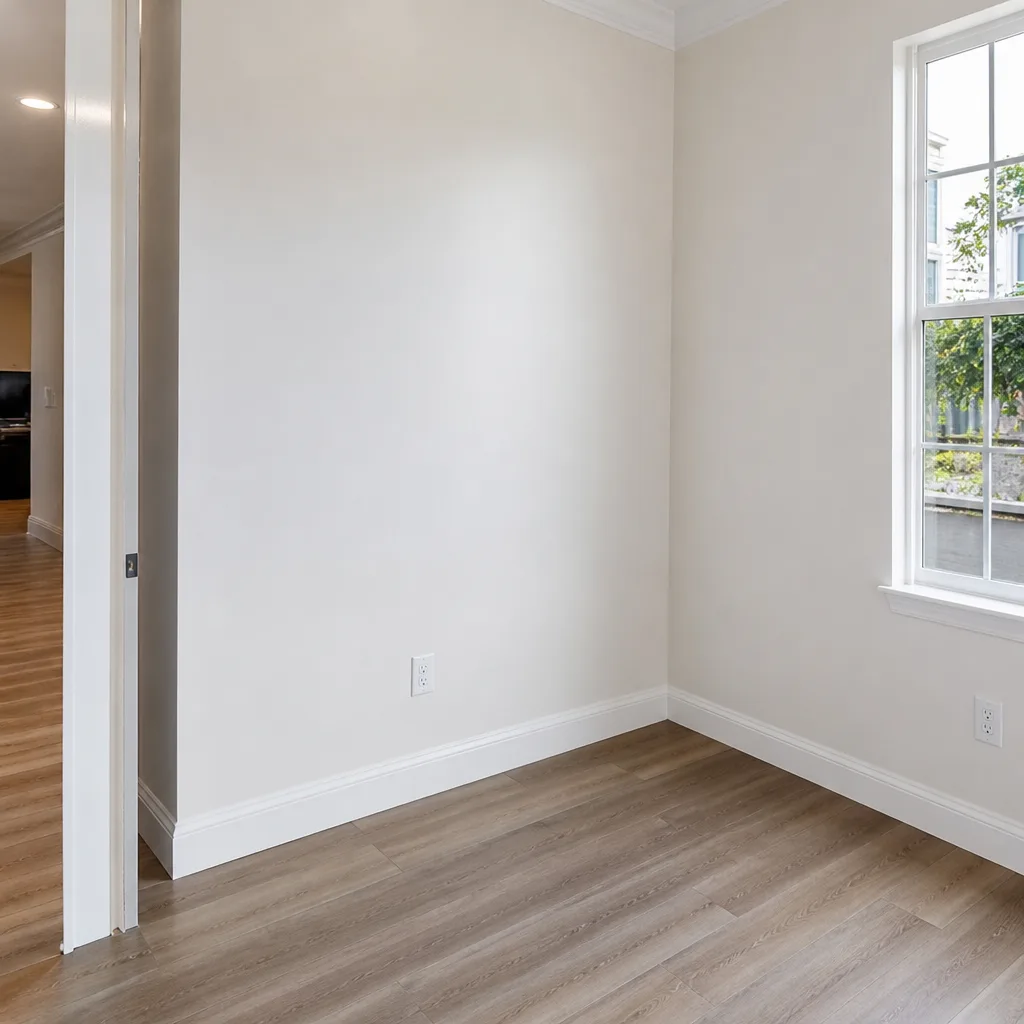 After
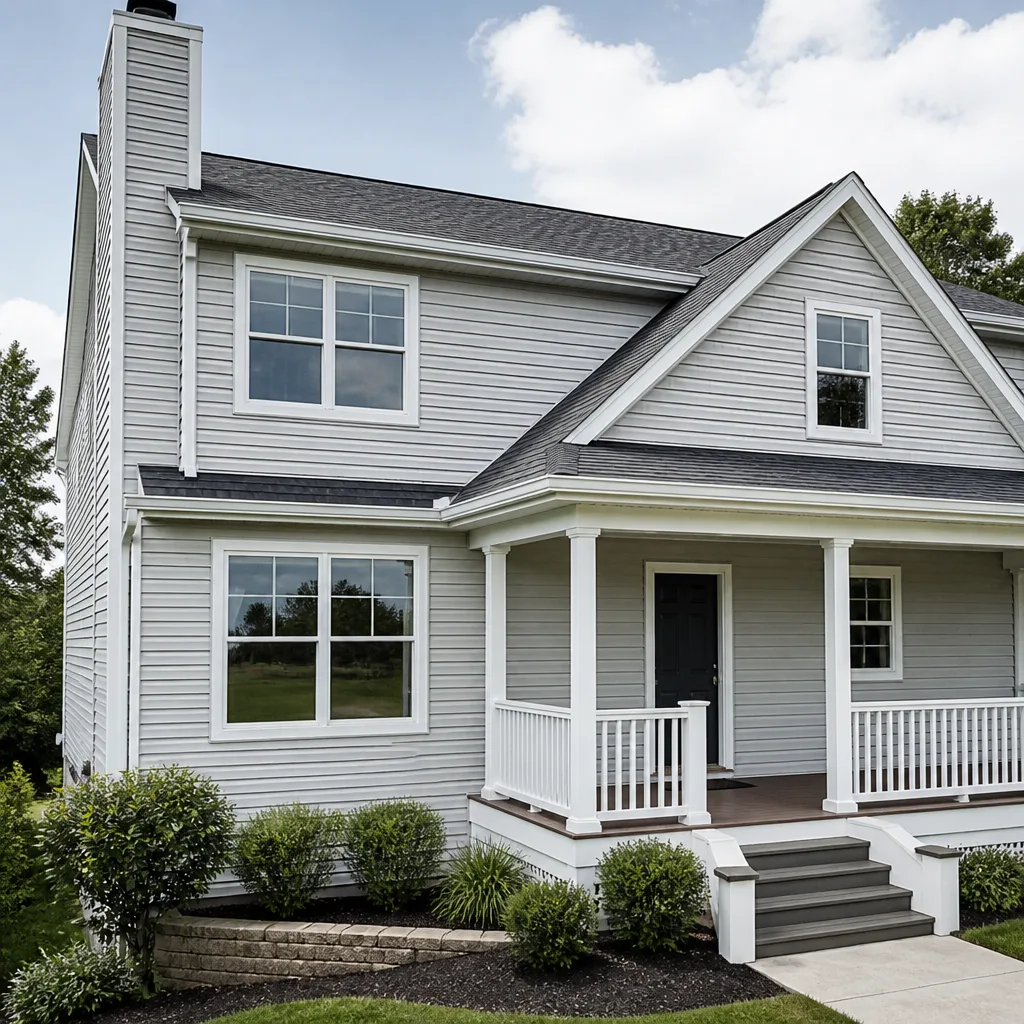
After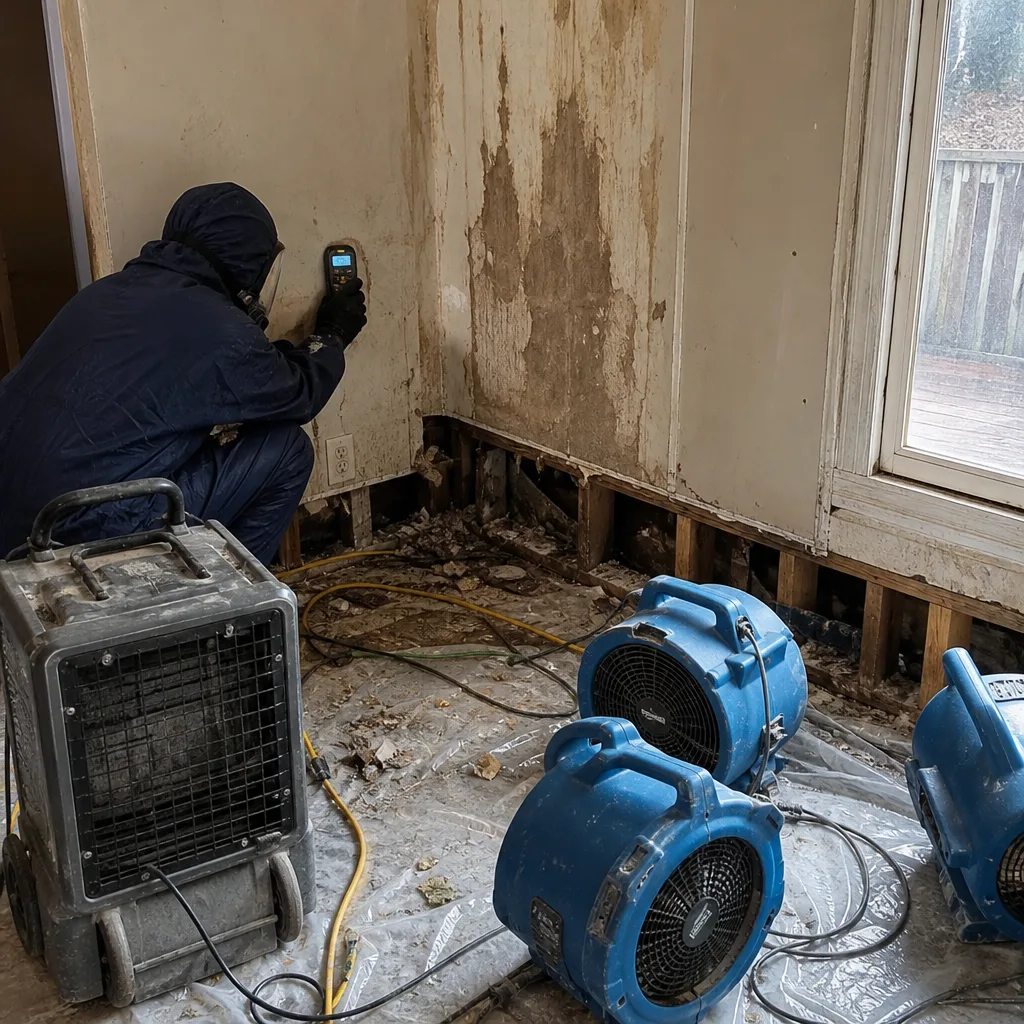 Before
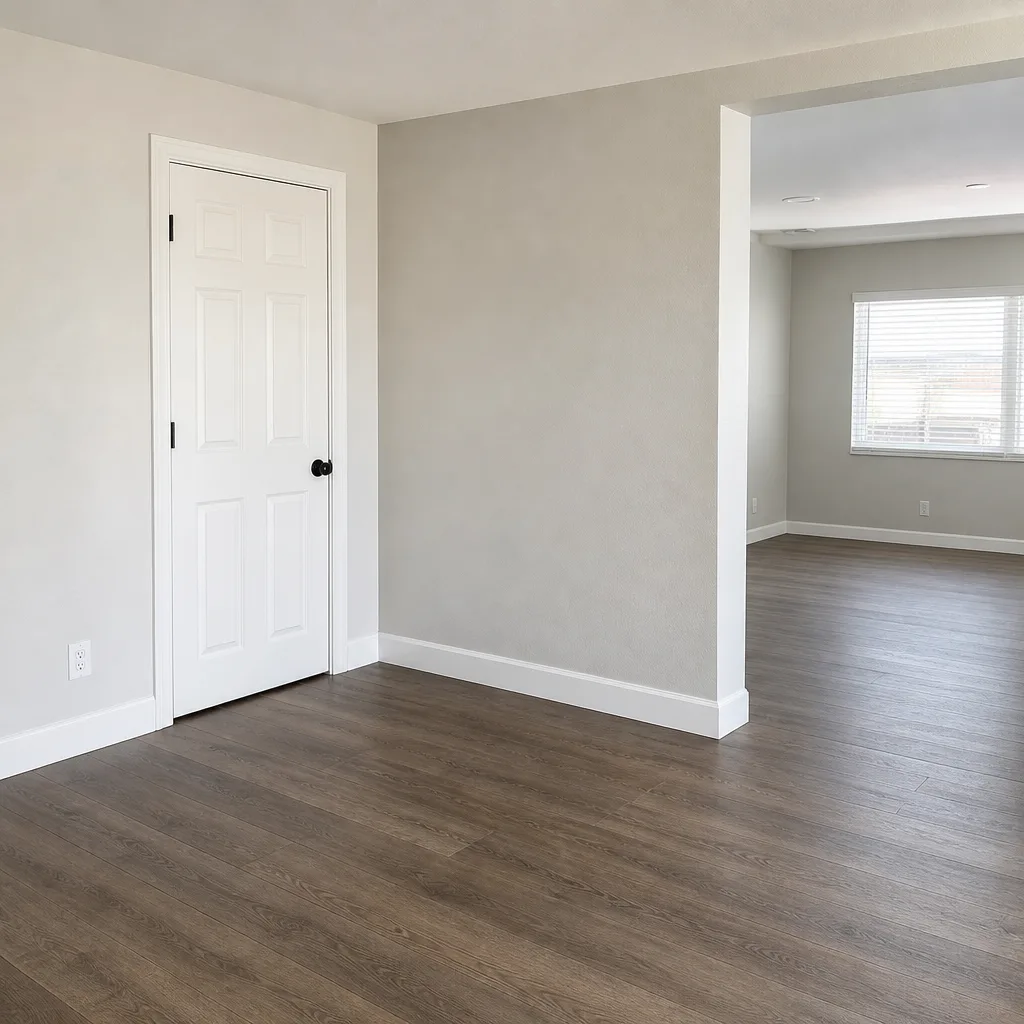 After
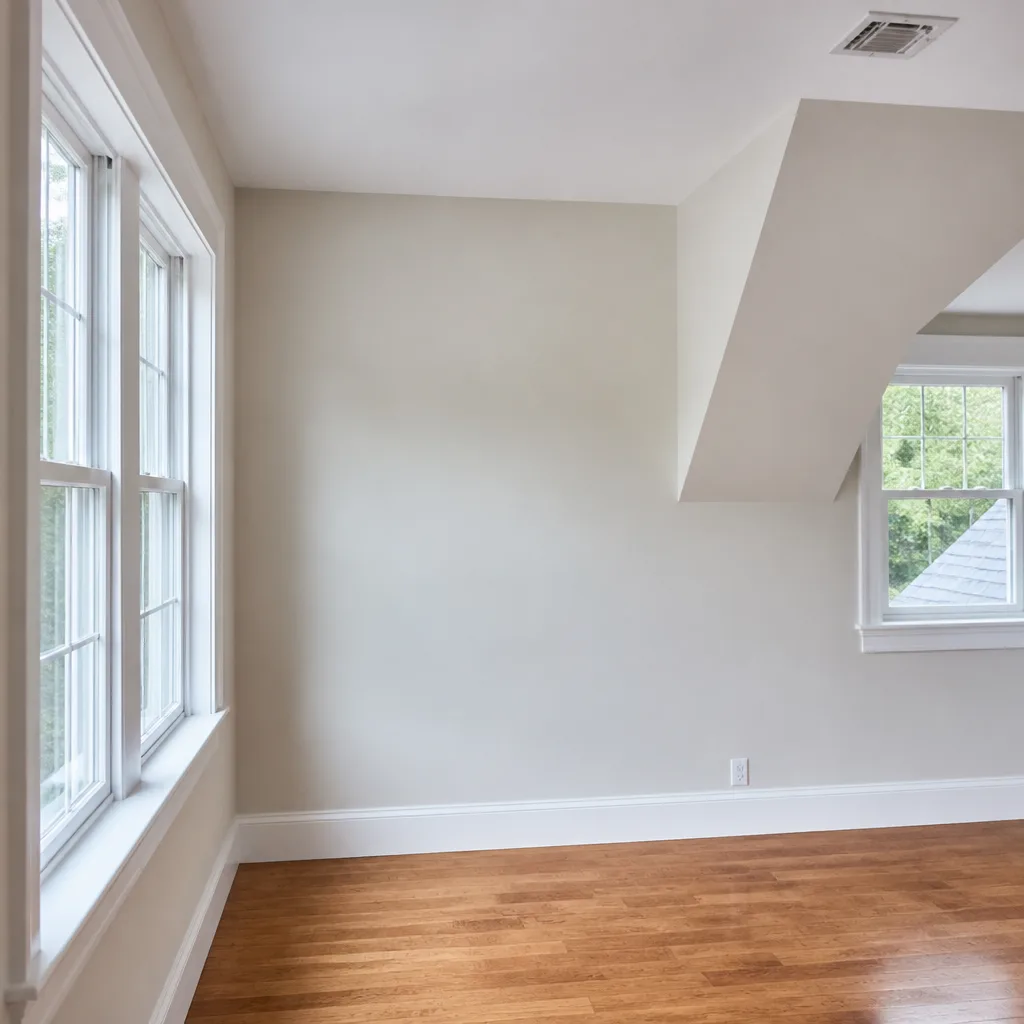
After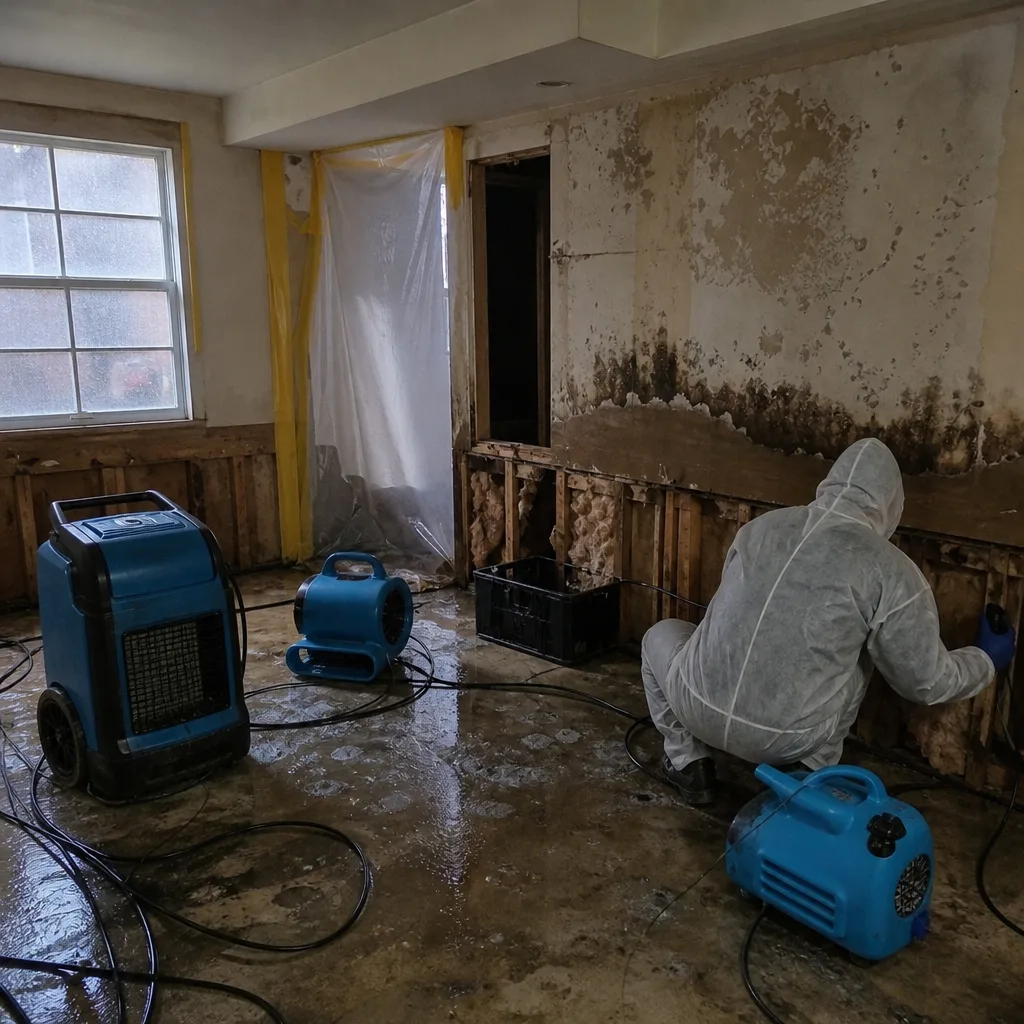 Before
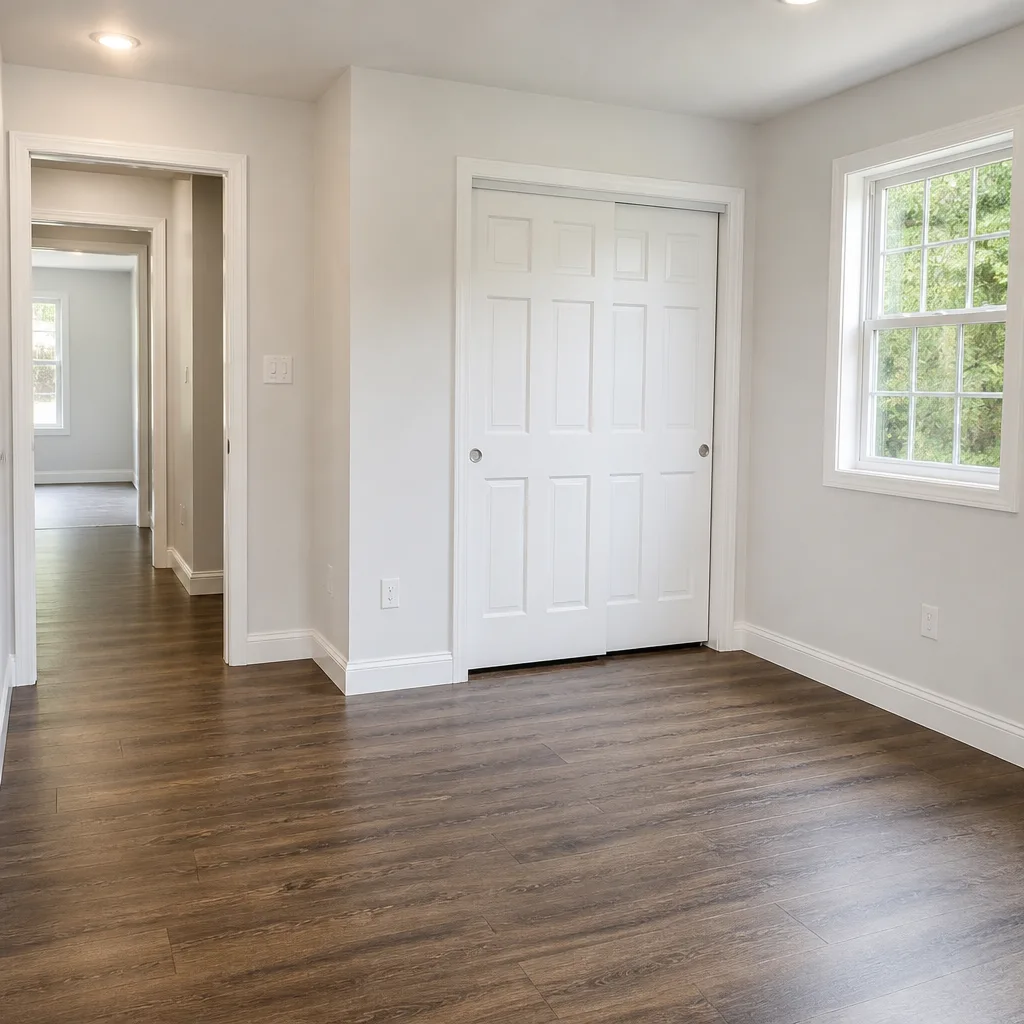 After
AfterFast, Reliable Water Damage Repair Across Nolita
Water damage in Nolita moves fast, and it rarely announces itself politely. A supply line lets go on the fourth floor of a Mott Street tenement at 2 a.m., and by 7 a.m. the ceiling two floors down is sagging. That’s the reality of pre-war construction: water travels through original riser chases and floor-ceiling assemblies faster than most people expect. Our Water Damage Repair team knows exactly how these buildings behave because we work in them every week. Call (940) 466-4354 and a live person answers, then a technician gets a live arrival time you can track on your phone. Not a four-hour window. Not a callback queue.
Why Wendell Water Damage Restoration Is Nolita’s Preferred Water Damage Repair Company
Nolita homeowners call us because we treat their pre-war tenement or converted loft like the specific building it is, not a generic job site. A cast-iron riser leaking behind original plaster on Elizabeth Street is a different animal than a burst PVC line in a new high-rise, and our techs know the difference before they open the wall. We show up in uniform, background-checked, with a written price in front of you before any work starts. That price is the price on the digital invoice you pay from a text link. No door-knock renegotiation. Ever.
The 365-Day Done Right Promise backs every repair we do in Nolita. If it’s not done right, we make it right. That guarantee is in writing on every single job, along with a free second visit if the repair fails. Water damage doesn’t keep business hours and neither do we: someone picks up the phone at 3 a.m., not a voicemail. That matters when water is moving through your ceiling and into the unit below.
We run IICRC-, RIA-, and IFA-standard practices on every Nolita job, using the same professional equipment you’d find on a large commercial loss site: Dri-Eaz, Phoenix, XPOWER, B-Air, and Injectidry. The drying plan gets logged with daily moisture readings. You get before-and-after photos by text so you can see the work, not just take our word for it.
Water Damage Inspection in Nolita
Water Damage Inspection in Nolita means finding wet zones behind original plaster walls, inside old joist bays, and in riser chases where water traveled but never showed itself. This is exactly where pre-war Nolita buildings hide their worst secrets. A slow cast-iron drain leak behind a Prince Street wall can sit for weeks before paint bubbles. Our inspection uses moisture mapping with a Dri-Eaz meter to read moisture at several depths, not just surface level. A typical inspection in Nolita runs $250 to $450 depending on building size and access.
Moisture mapping and hidden wet zones
The most dangerous water in Nolita is the water you can’t see. We read moisture at multiple depths in walls, ceilings, and floor assemblies so we know the full extent of the loss before any drying or demolition starts. Paint can feel dry to the touch while the joist bay behind it is saturated.
When you actually need an inspection
Call for an inspection if you smell must, see staining on a ceiling below a bathroom or kitchen, or had water come through a floor-ceiling assembly into the unit below. You also need one after any leak that ran inside a wall cavity for more than a few hours. Mold starts within 24 to 48 hours in those conditions.
Water Damage Ceiling in Nolita
Water Damage Ceiling work in Nolita almost always connects back to the building’s original riser stack or a supply line above. Pre-war floor-ceiling assemblies are thick, with plaster on wood lath and decades of paint. Water can pool in those cavities. Our first move is always the same: contain the affected ceiling, extract standing water, and run moisture mapping to see how far the wet zone extends. In many Nolita tenements, the ceiling itself can be dried in place if the plaster is sound and the joists aren’t compromised. What you don’t want is a crew that automatically tears out the whole assembly to sell a bigger job. In Nolita, ceiling repair typically runs $900 to $2,800 depending on whether we’re drying in place, replacing a section, or replacing the full assembly.
Dry-in-place versus replacement
We got a call from a homeowner on Mott Street between Prince and Houston after a supply line to an upper-floor bathroom let go overnight. Water had traveled down through the building’s old riser chase and showed up as a stained ceiling two floors below. Our tech did water extraction in the unit, set containment around the affected ceiling, and used moisture mapping with a Dri-Eaz meter to confirm the joist bays were wet even where paint felt dry to the touch. We ran air movers and dehumidification for structural drying, logged daily moisture readings in a drying logs report, and applied antimicrobial treatment before closing it up. The ceiling dried in place and we only replaced the sagging section rather than the whole assembly.
When replacement is unavoidable
If the plaster has lost its key and is sagging under its own weight, or the lath is rotted, drying in place isn’t honest. We will tell you that plainly. The written scope comes before any work starts, so you know the plan and the price before a single tool touches your ceiling.
Trusted Brands We Service in Nolita
Wendell’s techs stock parts and drying equipment sized for Nolita’s pre-war floor plan realities, and we service and deploy professional-grade brands local contractors rarely carry. Dri-Eaz dehumidifiers and moisture meters are standard on our trucks because they read deep moisture in old building materials. Phoenix air movers hold up in tight tenement apartments where we need high airflow in small rooms. XPOWER and B-Air equipment gives us flexibility on loft conversions with open floor plans. We also use Injectidry injection drying systems for wet wall cavities and under-floor assemblies that standard air movers can’t reach, which is a common scenario in Nolita’s old construction. If your building has a water-damaged ceiling, wall cavity, or subfloor, we can usually start the same day.
Common Water Damage Repair Problems We See in Nolita Homes
- Night-time riser leaks that become Category 2 by morning. A landlord treats a 2 a.m. supply line break as a morning problem. In pre-war Nolita tenements, water has already traveled through a floor-ceiling assembly and into a neighbor’s unit before anyone calls. By the time we arrive, it’s often Category 2 water, meaning contaminated and requiring antimicrobial treatment, not just extraction.
- Hidden cast-iron and galvanized line failures. Buried supply and drain lines behind original plaster walls leak slowly. Without moisture mapping and readings at several depths, the hidden wet zone gets missed. Mold starts within 24 to 48 hours in those dark, warm wall cavities. This is the single most common cause of repeat losses we see in Nolita buildings.
- Short-term rental conversions that overload old risers. Converting a loft or tenement into short-term rentals adds bathrooms and kitchen fixtures without upgrading the original stack. The new load stresses old cast iron and creates repeat losses in the same wet wall. Honest repair-vs-replace guidance means flagging that risk before a third callback, not just drying it again.
- Water traveling through original riser chases. In a pre-war Nolita building, a leak on the fifth floor can show up as staining on the third floor ceiling with no visible evidence on the fourth. That’s the riser chase doing what it was built to do, carrying pipes vertically through the building. It also carries water. If you see unexplained ceiling staining and no plumbing directly above, this is likely the cause.
Pricing for Water Damage Repair in Nolita, NY
Every Nolita job gets a written price before any work starts. That’s not a slogan; it’s how we operate. Here’s what you can expect to pay in this market: water extraction alone runs $500 to $1,200 depending on affected square footage and access. Structural drying with air movers and dehumidifiers typically adds $800 to $2,000. Ceiling repair, as covered above, runs $900 to $2,800 depending on dry-in-place versus replacement. Antimicrobial treatment usually adds $150 to $450. A full inspection runs $250 to $450. The factors that shift cost in Nolita are access to the riser chase, whether plaster needs to come out, and how many floor-ceiling assemblies the water crossed. Call (940) 466-4354 for a free estimate, spoken plainly, before you commit to anything.
We Also Serve Cities Near Nolita
Our Nolita team works throughout Manhattan, and we often cross the bridges for water damage calls in Brooklyn, Queens, and The Bronx. Pre-war plumbing failures don’t respect borough lines, and neither does a live person answering the phone at 3 a.m. Same response standard, same written pricing, same 365-Day Done Right Promise wherever the water is.
Serving Nolita, NY - Our Local Coverage Area
We’re based in the Nolita area and know this community well. Use the map below to see our service coverage - if you’re nearby, we can almost certainly help.
FAQs About Water Damage Repair in Nolita
We can typically have a technician en route to Nolita within 60 to 90 minutes of your call, with a live arrival time you can track on your phone. First we call you back to confirm the situation and talk through what we know from your description, then we arrive, do a walkthrough, moisture map the affected area, and put a written scope and price in front of you before any work starts. Call (940) 466-4354 and you’ll get a live person, not a phone tree.
Yes, significantly. Original riser stacks mean water can travel vertically through the building’s core and appear on a different floor than the leak. We inspect the riser chase itself, not just the visible ceiling stain, and we moisture map at multiple depths to find the actual wet zone. Pre-war tenements also have thick plaster walls that hold moisture longer, so drying takes longer than in a modern drywall build. We plan for that from the first visit.
No, you don’t always have to replace it. Many pre-war Nolita ceilings with sound plaster can be dried in place using containment, air movers, and dehumidification. If the plaster has lost its key or the lath is rotted, replacement is the honest call. We’ll show you the moisture readings and explain why, then give you a written scope either way. The number you sign off on is the number you pay.
Category 1 is clean water from a supply line. Category 2 contains significant contamination, such as water that has sat for hours or moved through building cavities picking up dirt and bacteria. Category 3 is grossly contaminated, such as sewage backup. In Nolita pre-war buildings, a Category 1 leak often becomes Category 2 by the time it’s discovered because the water has moved through old wall cavities. Category determines the antimicrobial treatment and whether porous materials can be dried or must be removed. Our techs will tell you which category you’re dealing with and why it changes the plan. Call (940) 466-4354 if you’re not sure what you’re looking at.
Yes, and we see these regularly. Loft and tenement conversions often add plumbing fixtures without upgrading the original risers, which stresses the old stack and creates repeat wet-wall losses. We’ll give you honest repair-vs-replace guidance, including whether the repeat wet wall points to a fixture issue or a stack that’s past its service life. We’d rather flag that up front than dry the same wall a third time.
Written by Blake Sorensen, Owner at Wendell Water Damage Restoration, serving Nolita and greater New York City since 2006.
Water damage in Nolita doesn’t wait, and neither should you. Call (940) 466-4354 now. A live person answers, a technician gets a live arrival time, and you get a written price before any work starts. That’s the Wendell standard.