
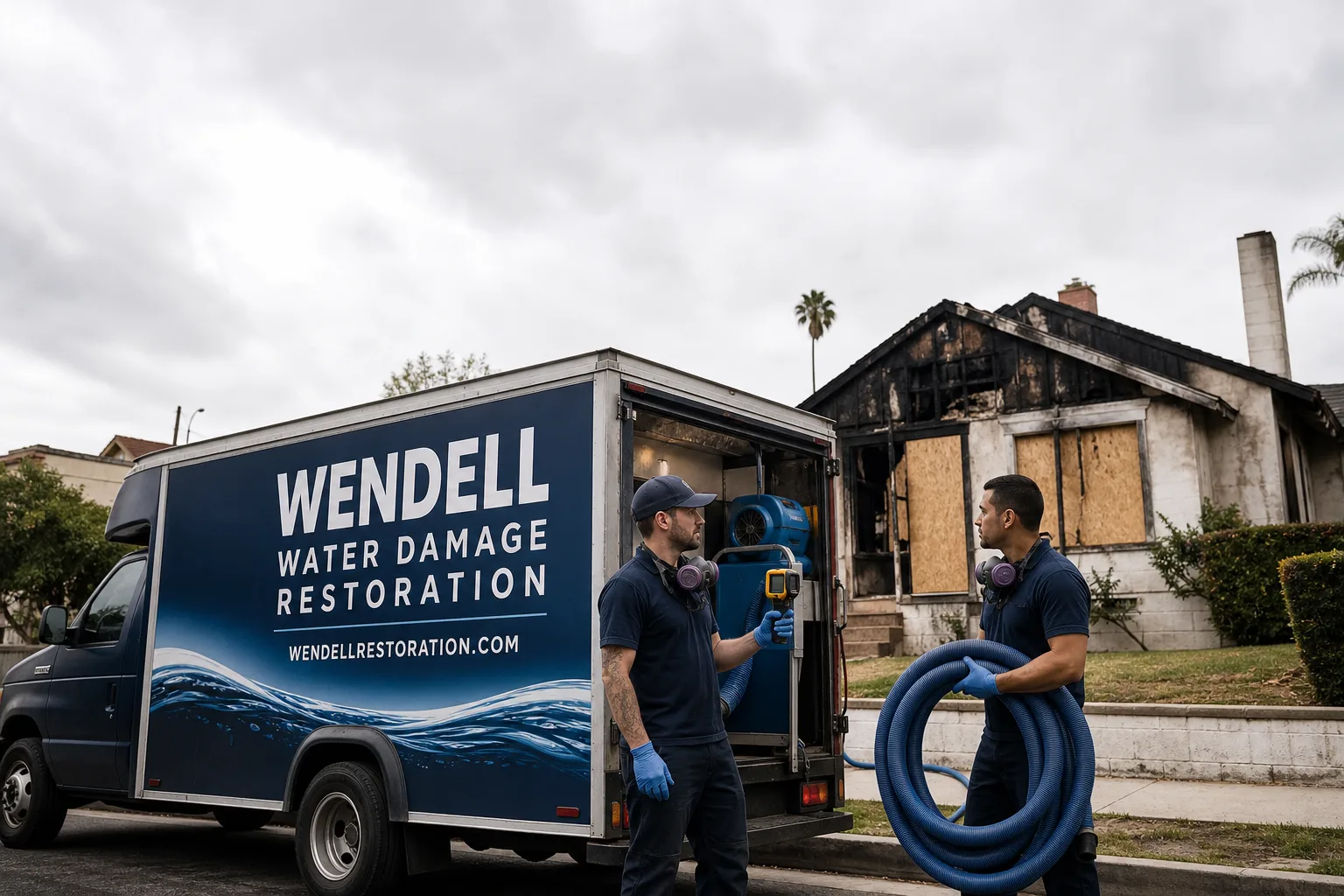
Free visual inspection and a written scope of work before any mitigation begins - photos, moisture readings, and drying logs go in your claim file
The scope we write is the scope we bill. Anything new gets shown to you, in writing, before we touch it.
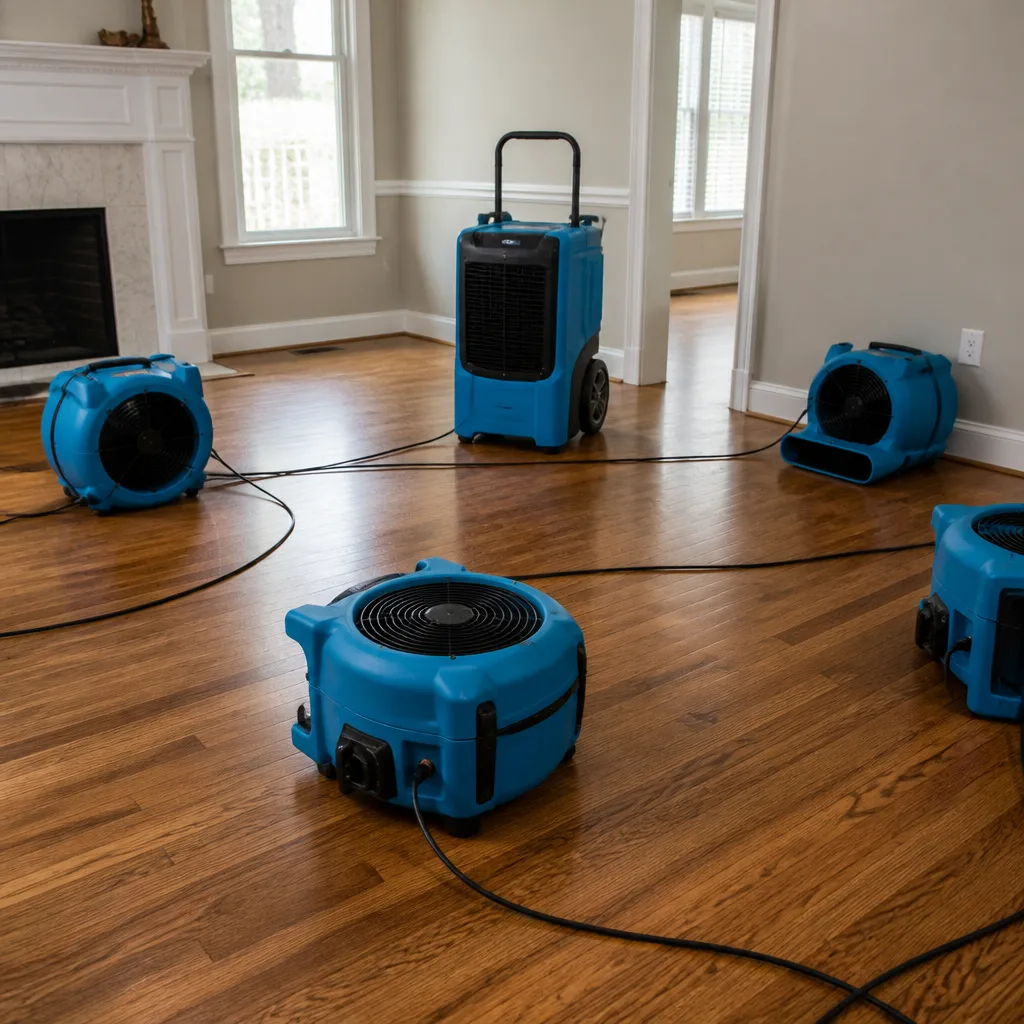
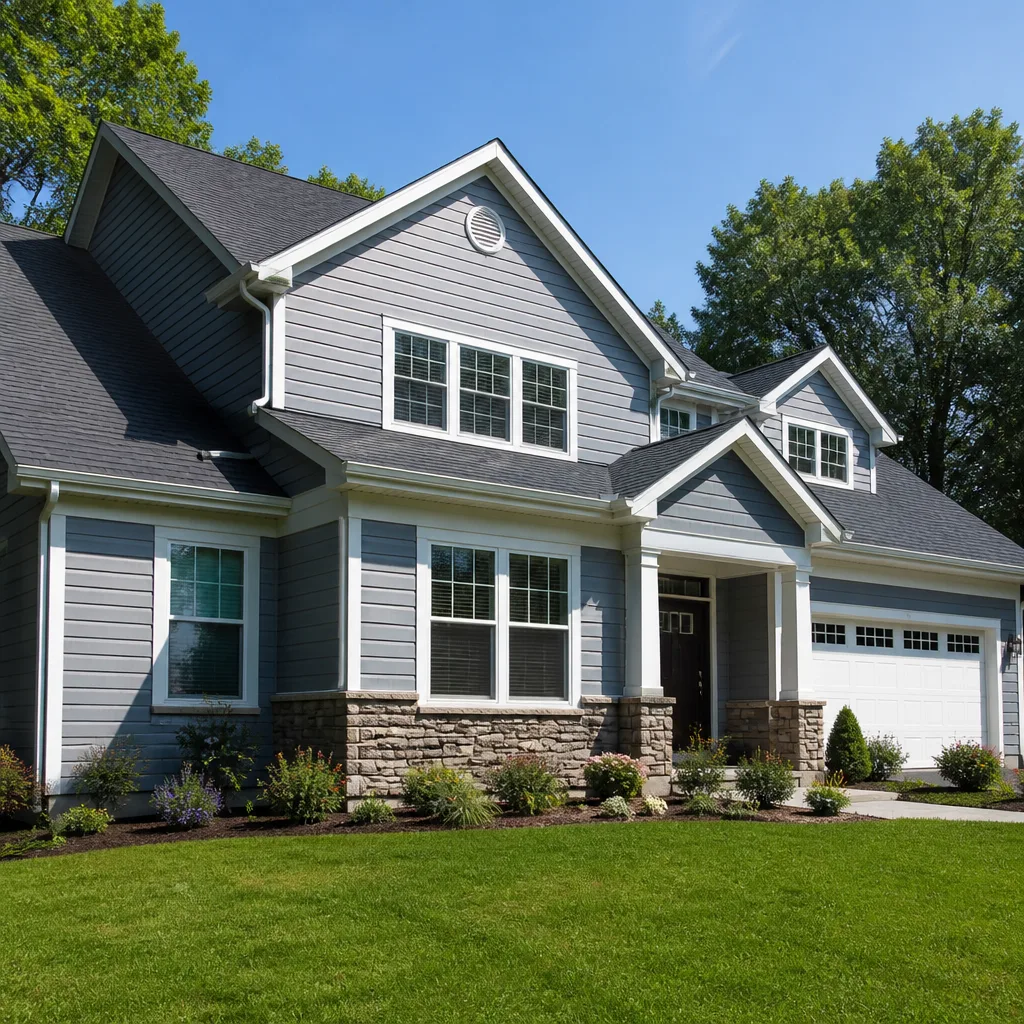
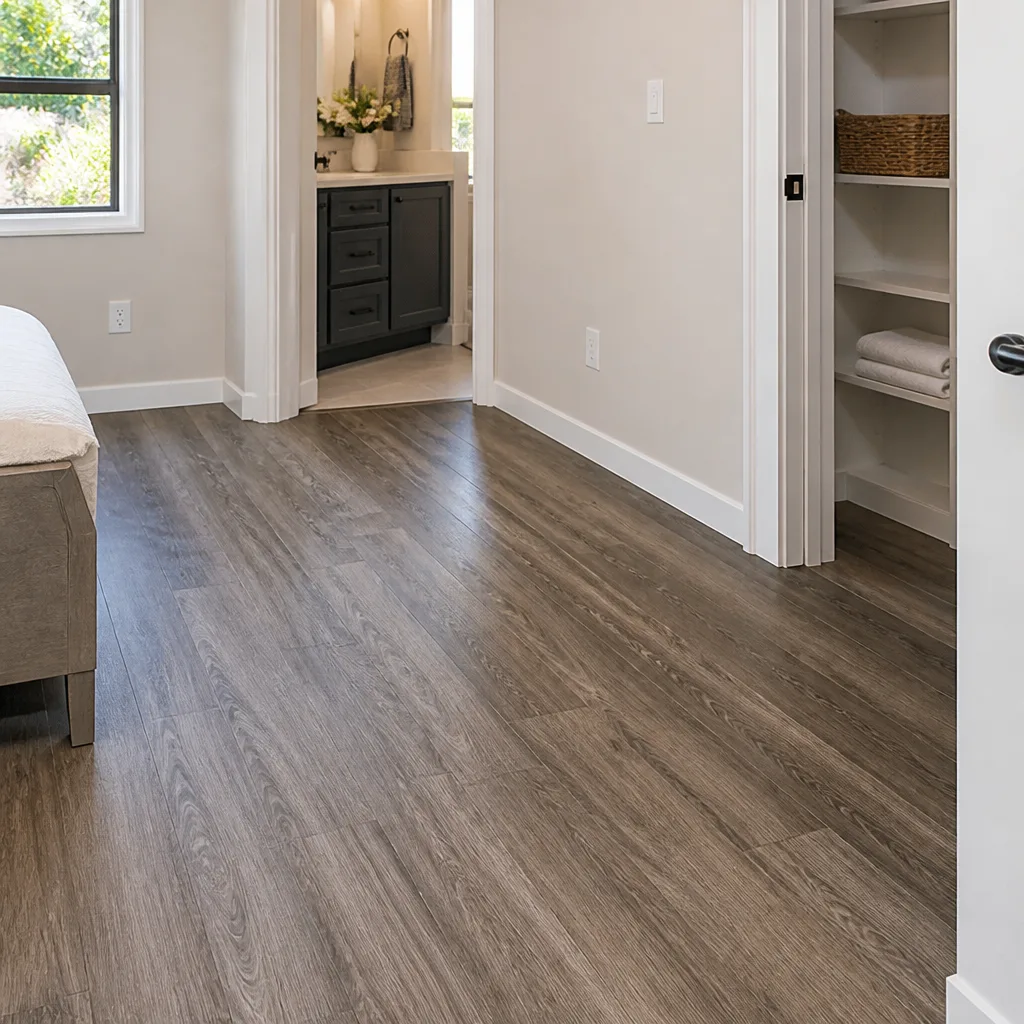
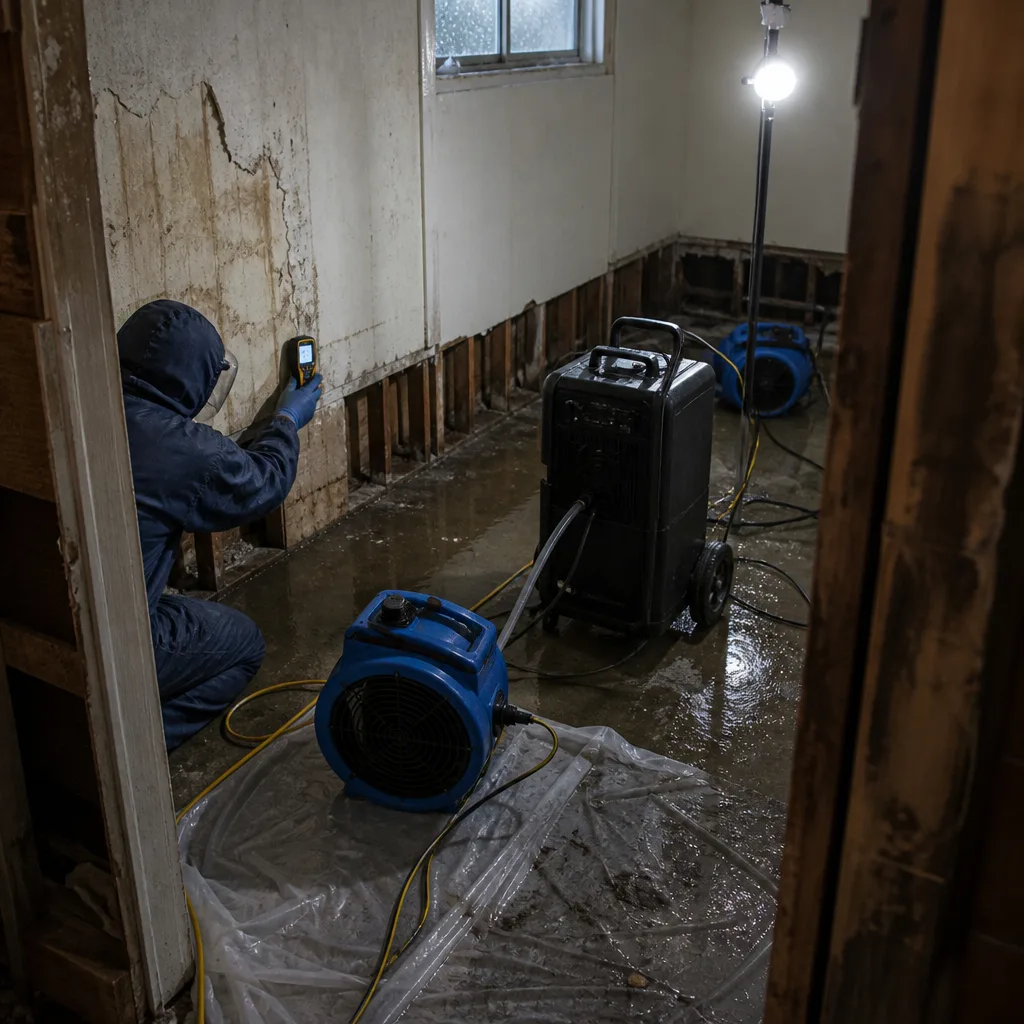 Before
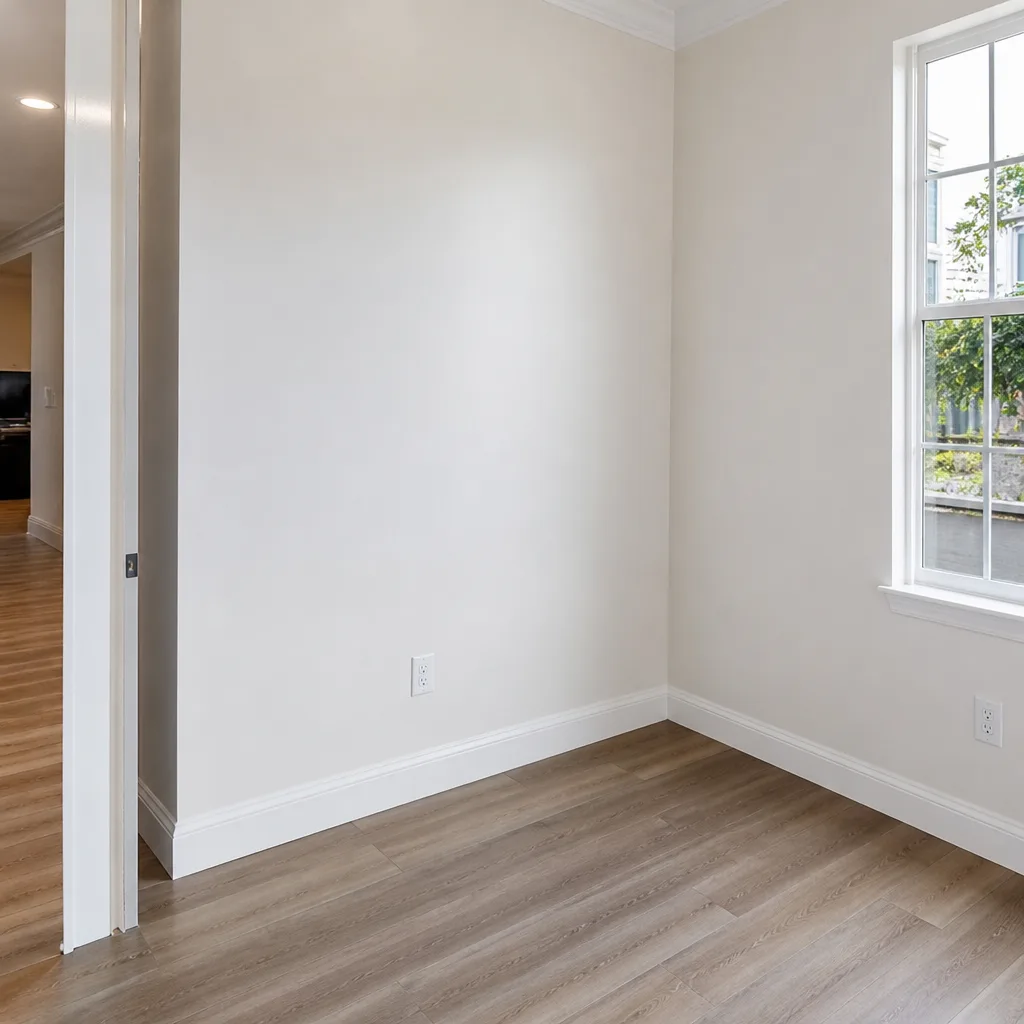 After
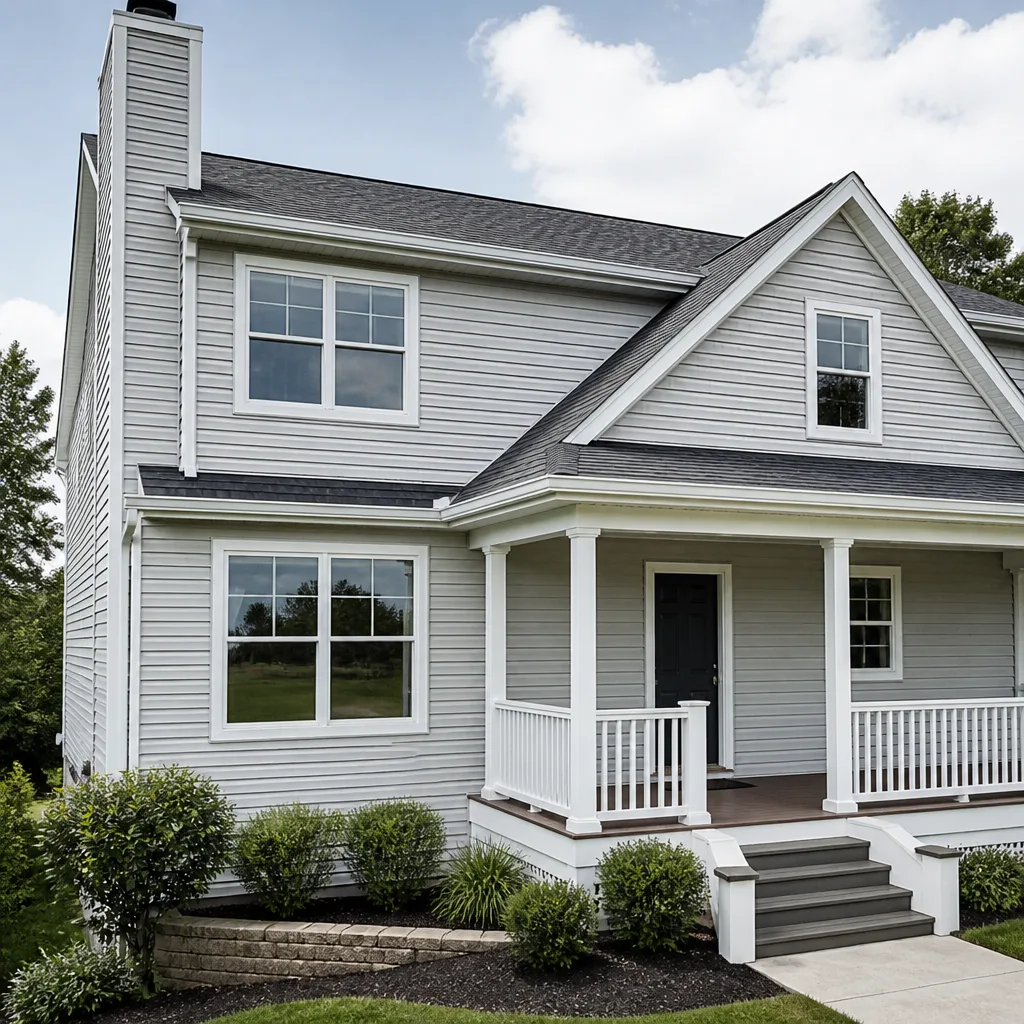
After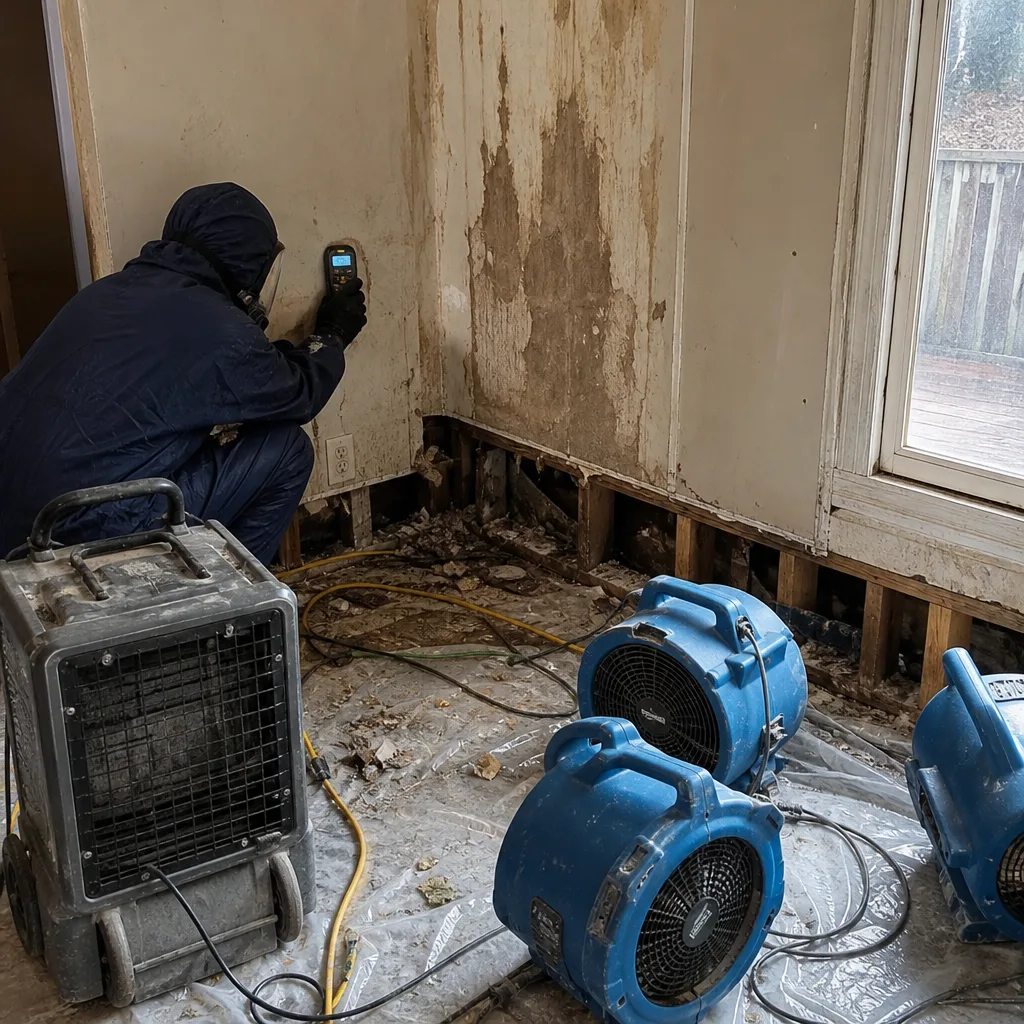 Before
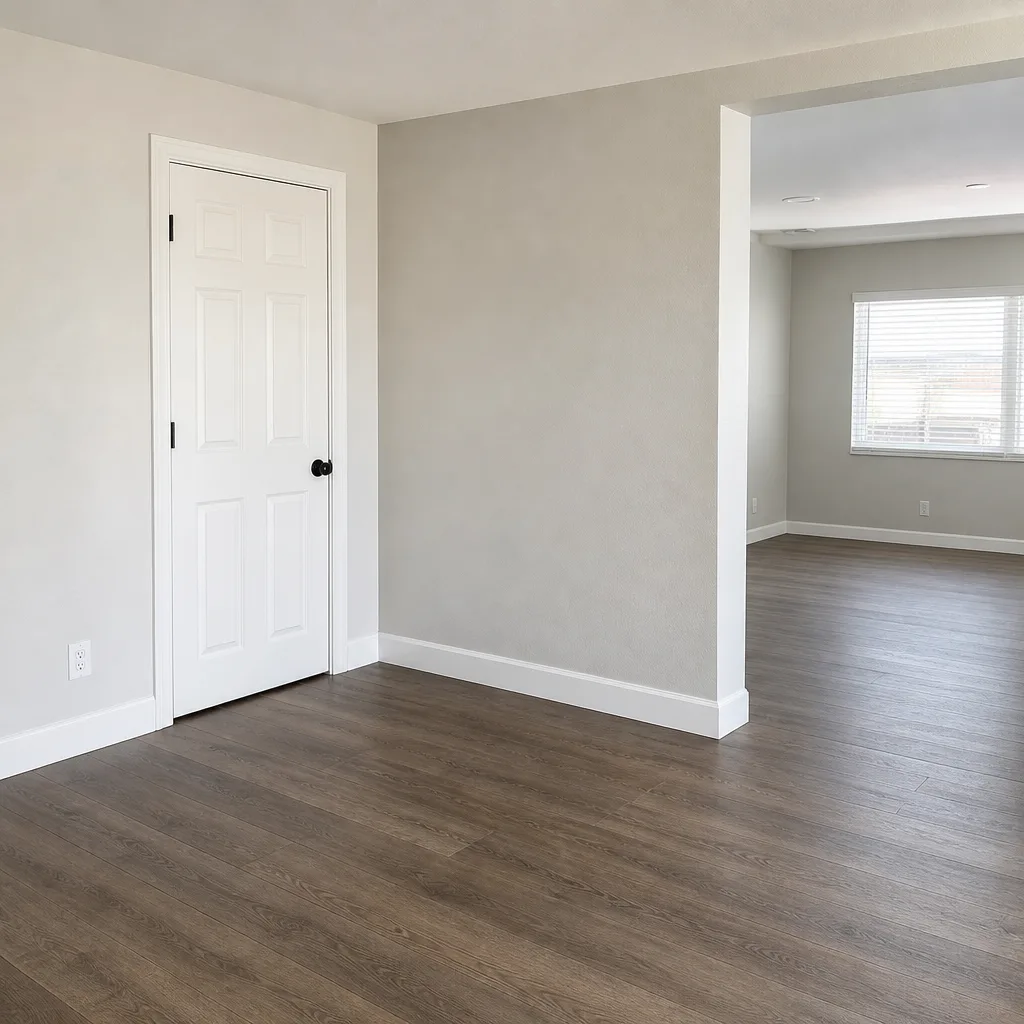 After
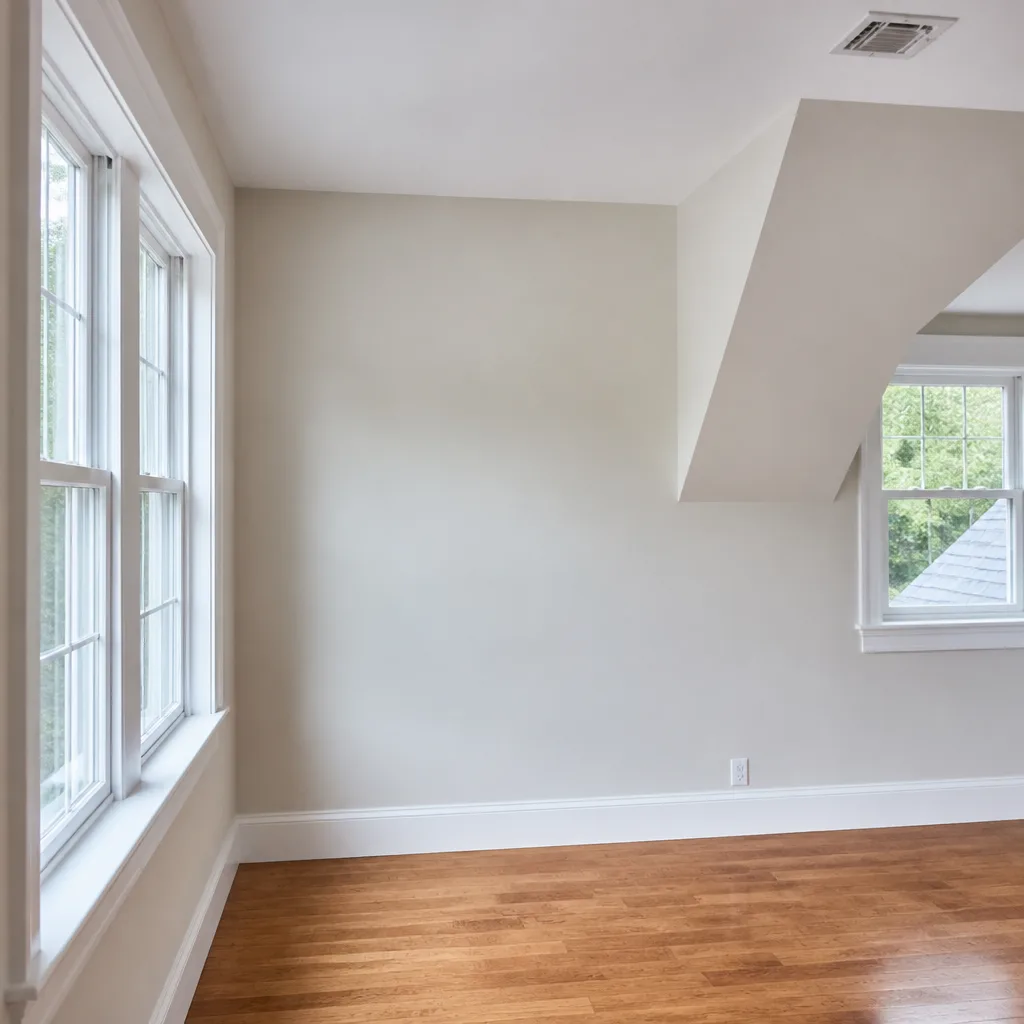
After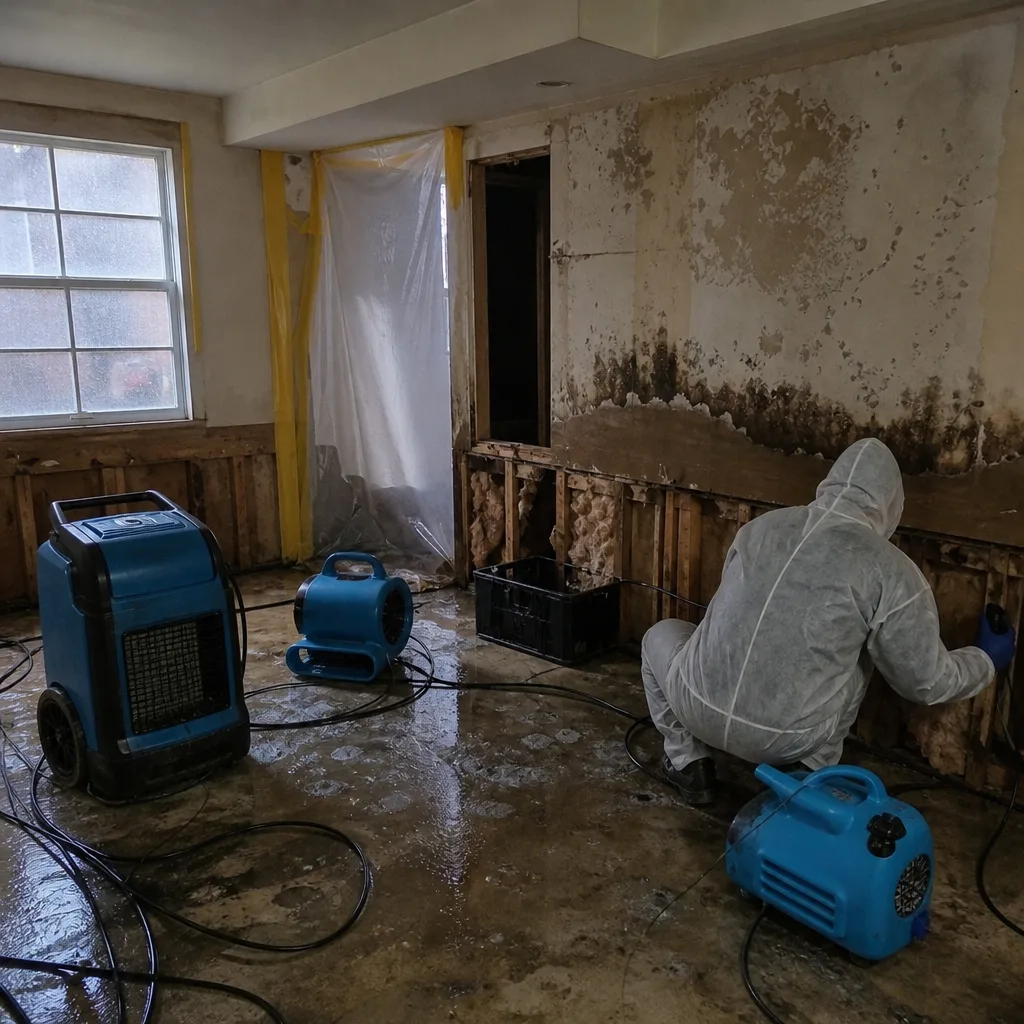 Before
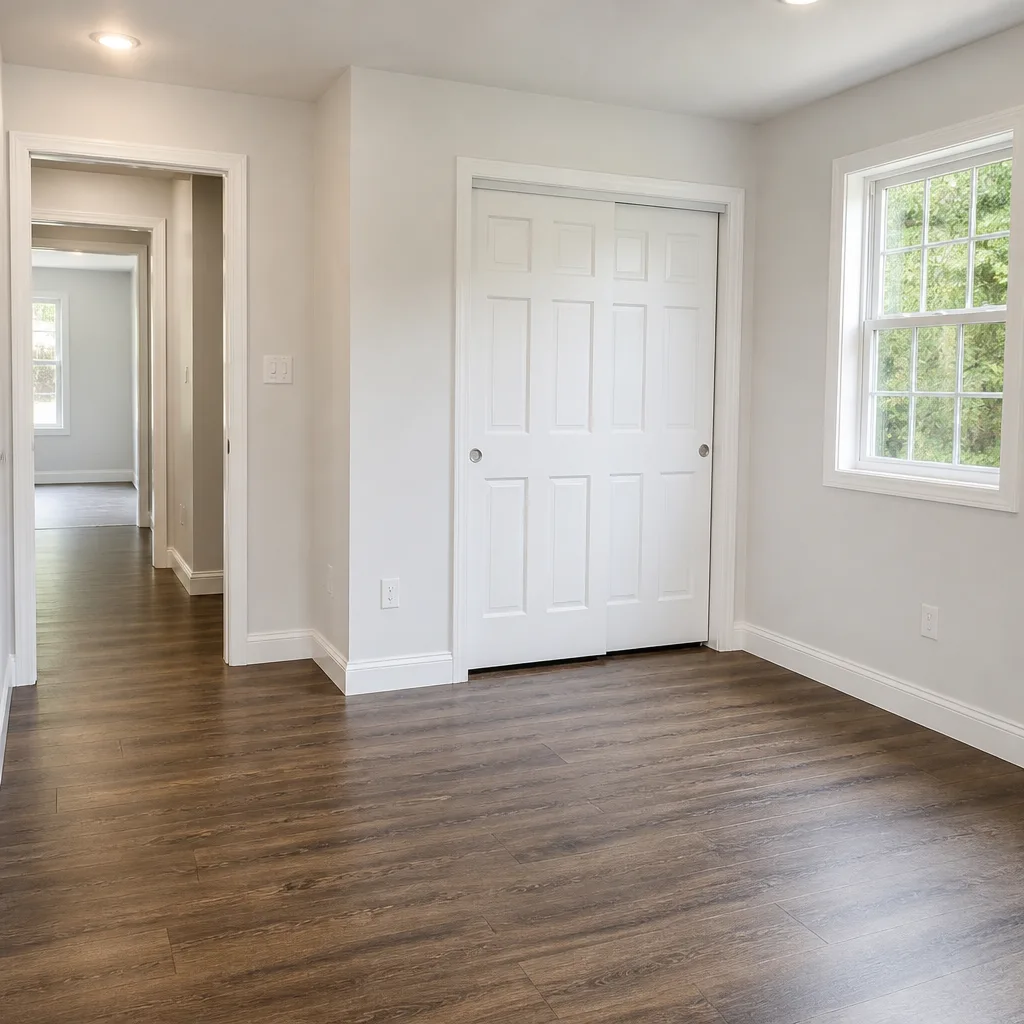 After
AfterFast, Reliable Water Damage Repair Across Great Kills
Water damage in Great Kills rarely comes from one source. Our crews get calls from bungalows near Great Kills Harbor where a pinhole leak in a 1940s cast-iron supply line has been weeping under the slab for weeks, and from split-levels off Hylan Boulevard where a summer storm pushed groundwater up through the basement floor. Either way, the fix works the same: get water out, map the moisture, dry the structure, and treat what the water category demands. We’re Wendell Water Damage Restoration, and we serve every block in Great Kills, from the harbor side to Richmondtown. Call (940) 466-4354 and a live person answers, 24/7, with a same-day crew that tracks to your address like a rideshare.
Key Takeaways:
- Same-day response to Great Kills, including harbor-adjacent streets when tidal flooding is still receding
- Written price before any work starts, with a texted digital invoice you pay from a link
- Moisture mapping with Dri-Eaz meters before we ever recommend tear-out versus dry-in-place
- Water category classification matters: harbor groundwater is not the same as a clean supply-line break
Why Wendell Water Damage Restoration Is Great Kills’s Preferred Water Damage Repair Company
Great Kills homeowners call us after the first panicked hour, usually when they’ve already mopped twice and the water keeps coming. What they get is a live person on the phone, not a voicemail, then a uniformed, background-checked tech with a live arrival time they can track on their phone. We don’t do four-hour windows. We do “Ethan is 11 minutes out.” That matters when your finished basement on Wiman Avenue has an inch of standing water and the clock on mold is running.
Blake Sorensen leads our restoration practice, and every job we run in Great Kills carries The Relay Standard: a written price before any work starts, photo updates by text as drying progresses, and a digital invoice you pay from a link. No clipboard estimate that doubles after demo. No “we’ll see what we find.” The number we put in writing is the number you pay, period.
We also stock drying equipment and common fittings locally for Great Kills jobs. If your burst pipe is threaded galvanized from the 1960s, we’re not waiting on a supplier in New Jersey to pull the coupling. Our trucks carry Dri-Eaz extraction units, Phoenix dehumidifiers, XPOWER air movers, and B-Air HEPA scrubbers as standard. That’s the same equipment class used on large commercial loss sites, rolled into a Great Kills driveway.
Burst Pipe Repair in Great Kills
Burst pipe repair in Great Kills almost always traces back to the same root cause: cast-iron and galvanized supply lines that were installed when these homes went up, in the 1920s through the 1950s, and have spent seventy-plus years oxidizing from the inside. A Great Kills homeowner typically discovers the problem when a ceiling stains, a wall swells, or water pushes up through the slab. By then the leak has usually been active for days or weeks, not hours. We shut the main within minutes of arrival, extract standing water, map the moisture migration with a Dri-Eaz meter, and isolate the failed section before recommending either a localized repair or a repipe of the affected run. A straightforward burst pipe repair and dry-out in Great Kills runs $850 to $2,400. If the failure has been running long enough to saturate drywall or hardwood, the scope and price expand accordingly.
Slab Leaks and Hidden Supply Lines
Postwar homes in Great Kills were frequently built slab-on-grade, which means the supply plumbing runs under the concrete. When a line splits there, you won’t see a geyser. You’ll see warm spots on the floor, persistent dampness, rising water bills, or cupping hardwood. We locate the leak with acoustic and thermal tools, then break out only the concrete needed to access the failed section, rather than trenching the entire slab.
Repair Versus Repipe
On a 90-year-old home with original plumbing, one burst often signals more coming. We give you an honest read: if the line that failed shows heavy internal corrosion and three other sections look thin on the inside, we’ll say so, and we’ll write up a repair scope that fixes the immediate failure while noting what’s likely to fail next. We do not push a full repipe when a $400 coupling and a dry-out will genuinely solve the problem.
Water Damage Hardwood Floors in Great Kills
Water damage hardwood floors in Great Kills usually show up as cupping, crowning, or black staining along the board edges, especially in the 1950s split-levels and 1920s bungalows where oak strip flooring was laid directly over the subfloor. The question we hear most is whether the floor can be saved or has to come out. The answer hinges on three things: how long the water sat, what category the water was, and what the moisture meter says under the boards. A typical hardwood floor dry-out in Great Kills runs $1,200 to $3,800 for a single room, depending on whether we can dry in place or need to pull and relay boards.
Drying Versus Sanding Versus Tear-Out
If we get there within 24 to 48 hours and the water was clean, we can often dry hardwood in place using a Dri-Eaz floor mat system that pulls moisture through the board gaps without removing a single plank. The floor dries, the cupping settles, and a light sand and refinish brings it back. When the water sat longer, or the source was gray water, the boards start to delaminate and the subfloor stays wet under the vapor barrier. At that point, drying is a losing game and we’ll tell you to plan for selective board replacement.
Subfloor Moisture and Mold Risk
Hardwood hides moisture underneath it. A surface reading can look dry while the subfloor reads 22% moisture content. We map the floor in a grid before and during drying so you see exactly where the water went and what’s actually dry. That data determines whether we save the floor or pull it. It also gives your insurance adjuster the documentation they need to approve the claim the first time.
Trusted Brands We Service in Great Kills
Our Water Damage Repair team stocks parts and drying equipment for the brands most common in Great Kills homes, so we’re not waiting on a warehouse order while your floors swell. We run Dri-Eaz extraction and drying systems, Phoenix dehumidifiers for structural drying, and XPOWER air movers for targeted airflow. We maintain a rolling inventory of common fittings for galvanized and copper supply lines, plus transition couplings for older cast-iron drains. That local parts stock is what lets us go from “your main is leaking” to “the repair is done and the drying is underway” on the same call.
Common Water Damage Repair Problems We See in Great Kills Homes
- Mixed water sources in harbor-side basements: Homes near Great Kills Harbor and the streets off Mansion Avenue often take on groundwater through the slab during storm surge, while an aging supply line leaks at the same time. That means we classify and treat for the higher water category, not just the clean-water pipe break.
- Slab-on-grade construction hiding water: Postwar Great Kills homes sit on concrete slabs with no crawlspace, so water wicks up under hardwood and vinyl without visible pooling. Extraction stops before the subfloor is dry, then the floor cups weeks after the “repair” is done.
- Deferred calls after tidal street flooding: When Ambrose Road or Floodwood Avenue curb-to-curb water, homeowners assume no one can get through and wait until the next day. Wet drywall sits past the 24-to-48-hour mold window, turning a two-day repair into a full rip-out and rebuild.
- Ignoring water category near the harbor: A leak from a supply line is Category 1 clean water. Groundwater pushing up through a Great Kills slab near the harbor is Category 2 or 3, carrying silt, organics, and bacteria. Skipping the antimicrobial treatment because “it’s just a leak” is how mold grows inside a closed wall cavity.
Pricing for Water Damage Repair in Great Kills, NY
You should know a ballpark before you tap call. Here’s what Great Kills work typically runs:
- Burst pipe repair and dry-out: $850 – $2,400, depending on access and how far the water migrated
- Hardwood floor water damage: $1,200 – $3,800 per room, depending on dry-in-place versus board replacement
- Basement water extraction and antimicrobial treatment: $650 – $1,900, depending on square footage and water category
- Moisture mapping and structural drying: $400 – $1,100 per affected area, with daily readings logged for your claim
What moves the price: how long the water sat, what category it is, whether subfloor or wall cavities are saturated, and whether tile or hardwood has to come up. Every estimate is written, line-itemed, and texted to you before any work starts. The number on the screen is the number you pay. Call (940) 466-4354 and we’ll give you a real price, not a teaser rate.
We Also Serve Cities Near Great Kills
Our crews cover Water Damage Repair in Great Kills and run calls regularly into Brooklyn, Queens, Manhattan, and The Bronx. If you’re across the Verrazzano and dealing with a burst pipe or a flooded basement, call us. Same live answer, same written-before-work pricing, same tracked arrival time.
Serving Great Kills, NY - Our Local Coverage Area
We’re based in the Great Kills area and know this community well. Use the map below to see our service coverage - if you’re nearby, we can almost certainly help.
FAQs About Water Damage Repair in Great Kills
Yes, in nearly every case. We run Great Kills calls with trucks staged to reach harbor-side streets off Hylan Boulevard, Mansion Avenue, and Amboy Road even when low-lying blocks near Great Kills Harbor have standing curb water. We’ll give you a live arrival time and track to your door. If a specific street is impassable, we’ll tell you on the phone and route the nearest alternate access rather than leaving you waiting on a four-hour window. Call (940) 466-4354 and we’ll tell you exactly when we’re pulling up.
Most of the time, a pinhole in a cast-iron supply line under a Great Kills slab is worth repairing, not tearing out. We locate the exact failure point, break out a targeted section of concrete, replace the failed run, and dry the slab and surrounding materials with Dri-Eaz and Phoenix equipment. Tear-out only makes sense when the line is so deteriorated that multiple sections are ready to fail, and we’ll show you the corrosion before recommending that level of work.
We handle hardwood floors start to finish. For Great Kills bungalows and split-levels with oak strip flooring, we dry in place when possible using floor mat systems that pull moisture through the boards, then coordinate sand and refinish. When boards are delaminated or the subfloor is saturated long-term, we pull and replace only the affected sections, not the whole room, and we document every step with moisture readings and photos for your insurance claim.
It involves shutting your main within minutes of arrival, extracting standing water from the slab and any finished areas, mapping moisture migration into walls and under flooring with a Dri-Eaz meter, cutting only the drywall that’s actually wet, setting Phoenix dehumidifiers and XPOWER air movers for structural drying, and applying an antimicrobial treatment when the water category requires it. We log daily moisture readings so you see the drying curve, not just a tech’s word that it’s dry.
Because groundwater pushing up through a slab near Great Kills Harbor is rarely Category 1 clean water. It carries silt, organics, and sometimes sewer-adjacent contamination, which makes it Category 2 or 3. That requires antimicrobial treatment on affected framing and flooring and a different drying protocol than a clean supply-line break. If your previous repair skipped that step, that’s how mold ends up inside a closed wall cavity six months later.
Call Wendell Water Damage Restoration in Great Kills, NY
Water doesn’t wait for business hours, and neither do we. If you have a burst pipe, a flooded basement, or hardwood floors that have started cupping in Great Kills, call (940) 466-4354. A live person answers, 24/7, and we’ll give you a written price before any work starts, a live arrival time you can track, and before-and-after photo updates by text. The 365-Day Done Right Promise is in writing on every job: if it’s not done right, we make it right. And if the repair fails, we come back for a free second visit. That’s the deal, every time, no fine print.
Written by Blake Sorensen, Owner at Wendell Water Damage Restoration, serving Great Kills, NY.