
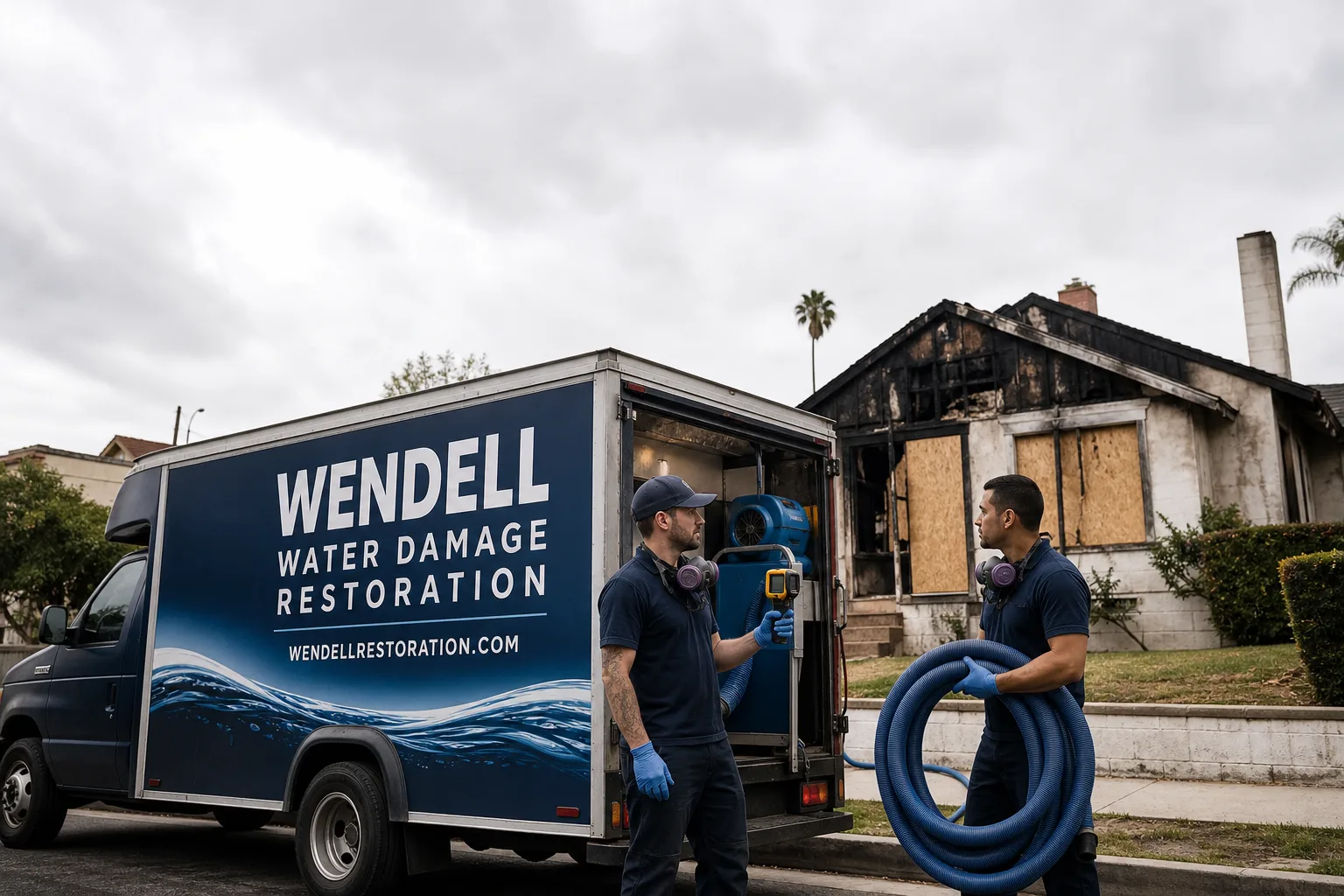
Free visual inspection and a written scope of work before any mitigation begins - photos, moisture readings, and drying logs go in your claim file
The scope we write is the scope we bill. Anything new gets shown to you, in writing, before we touch it.
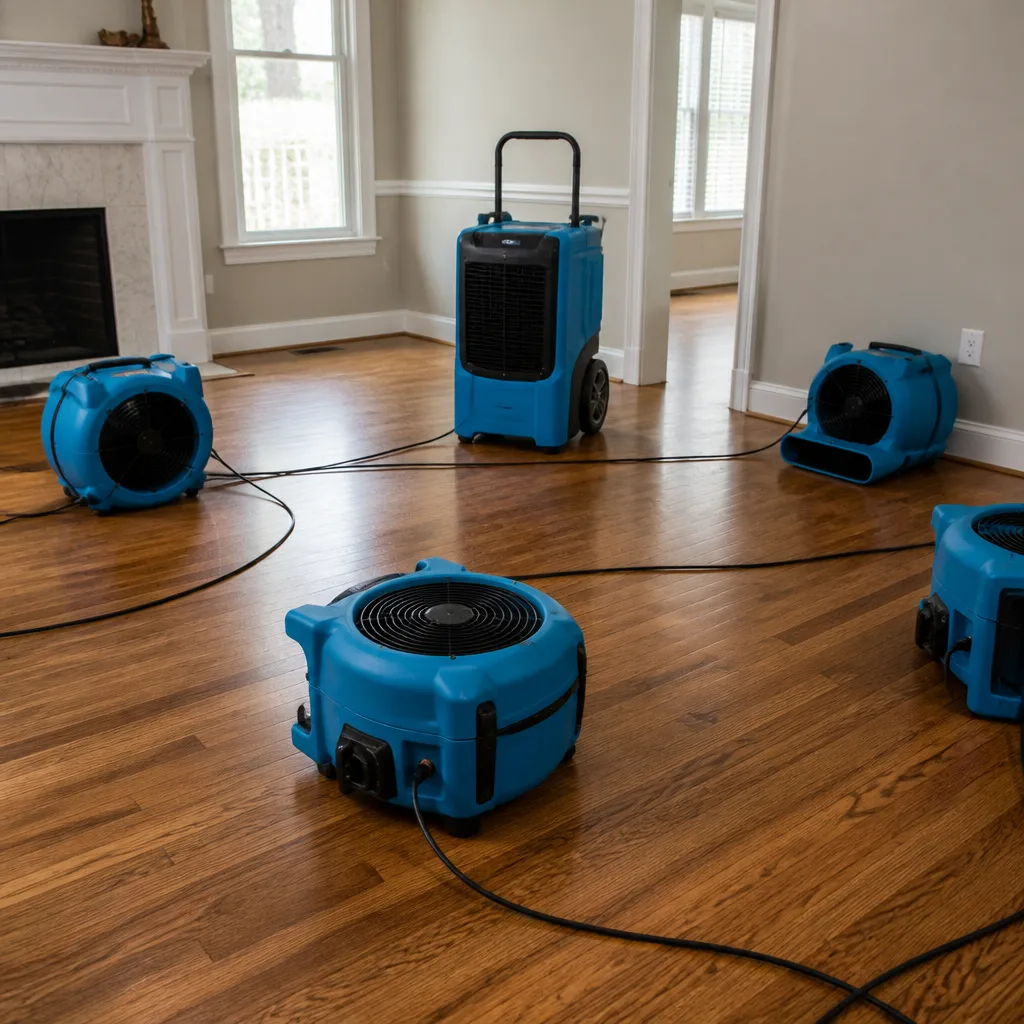
 Before
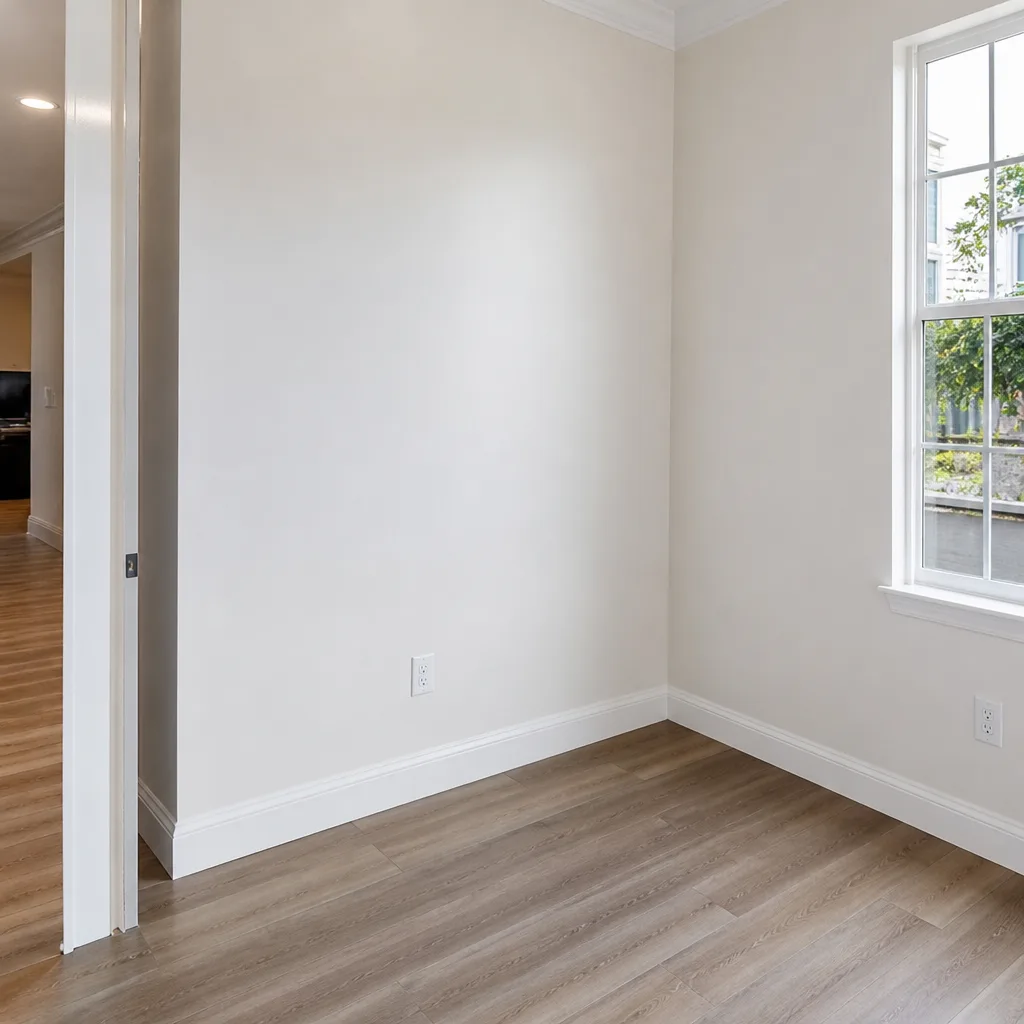 After
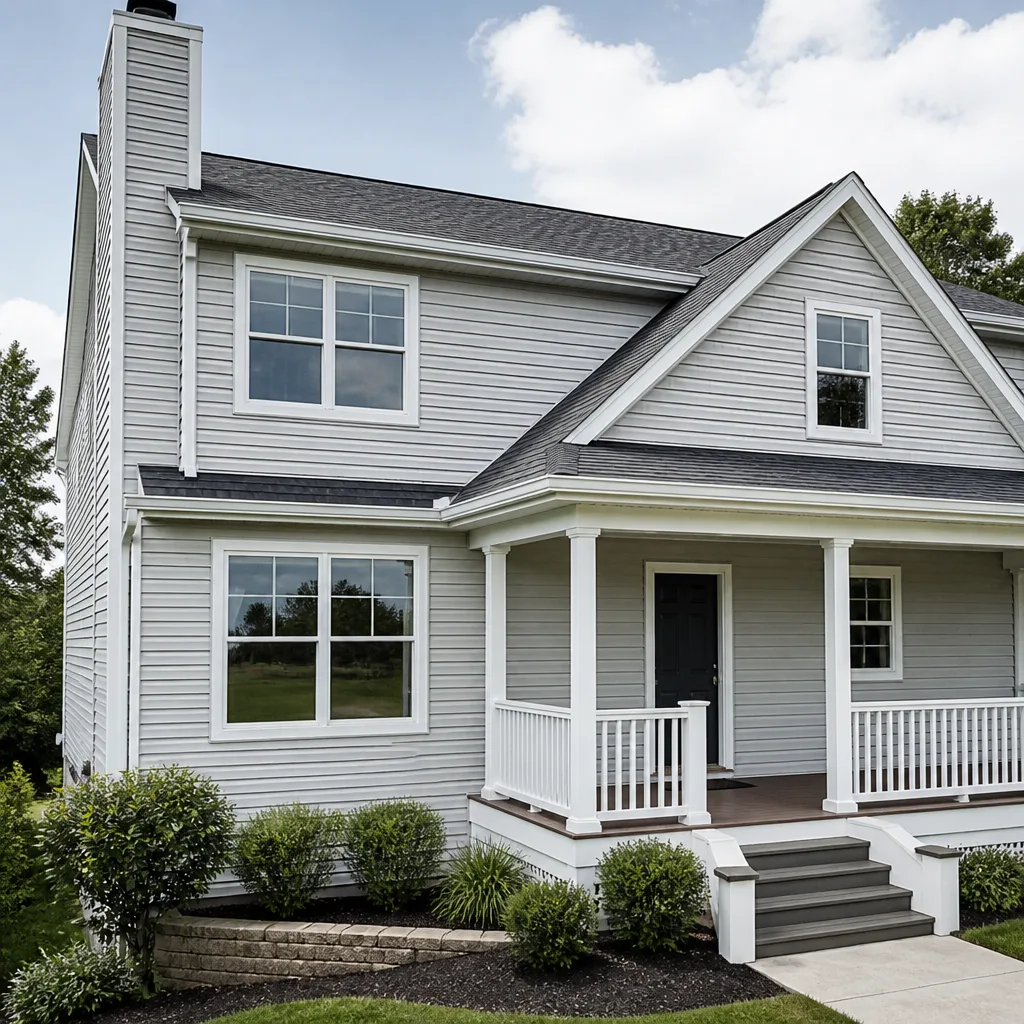
After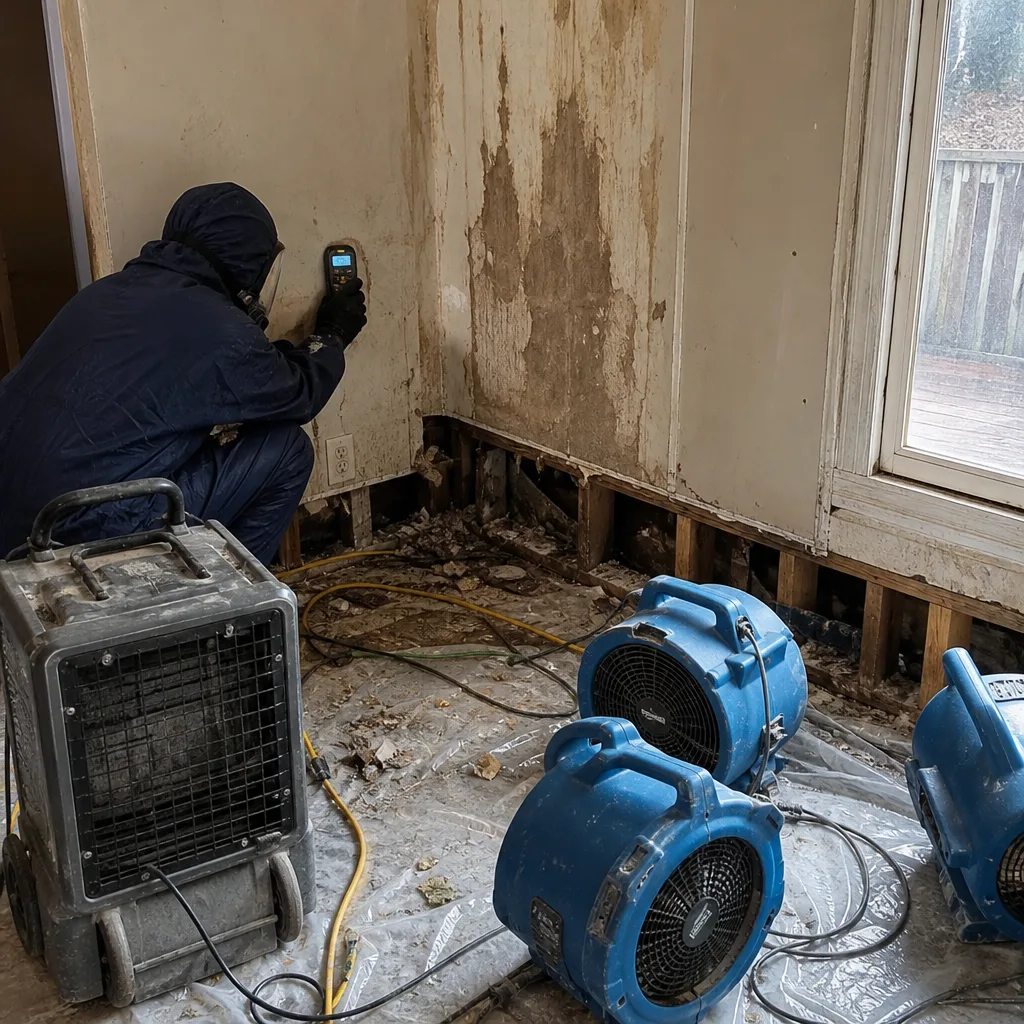 Before
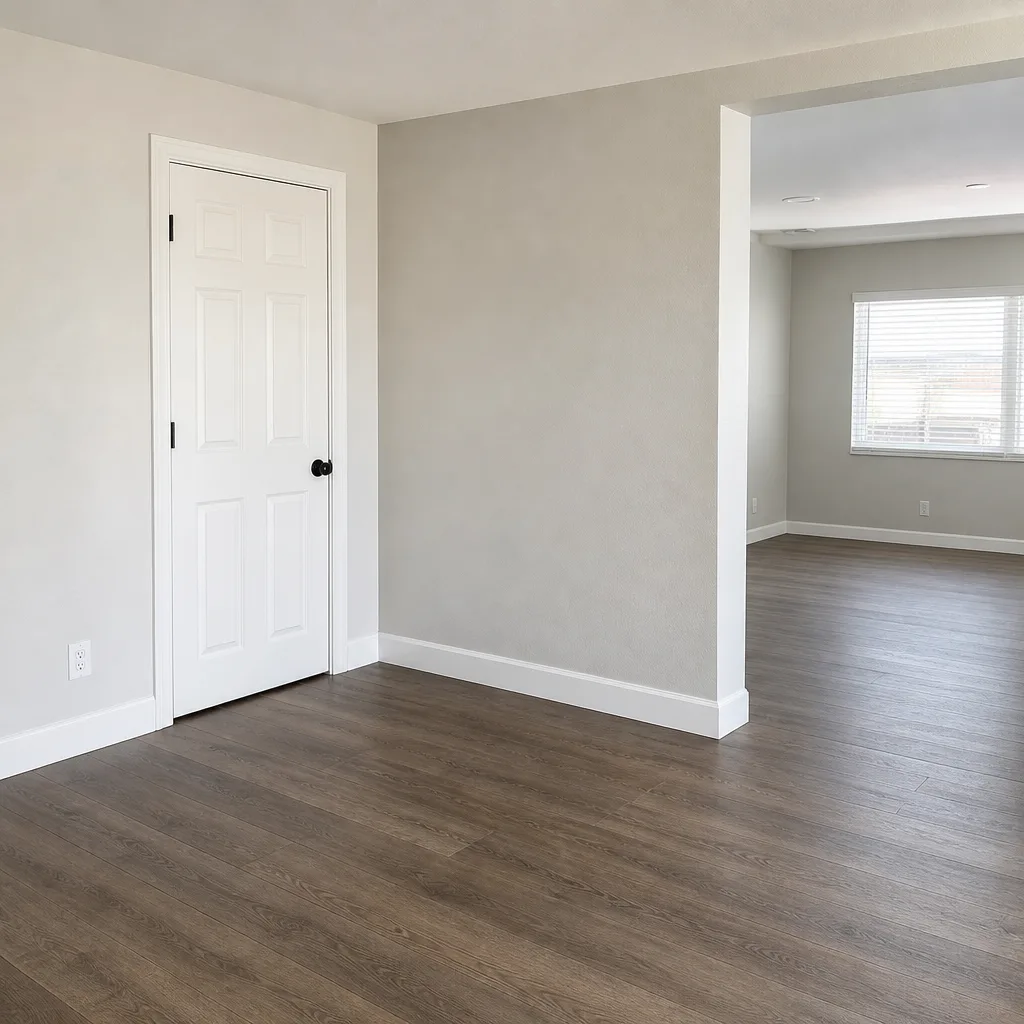 After
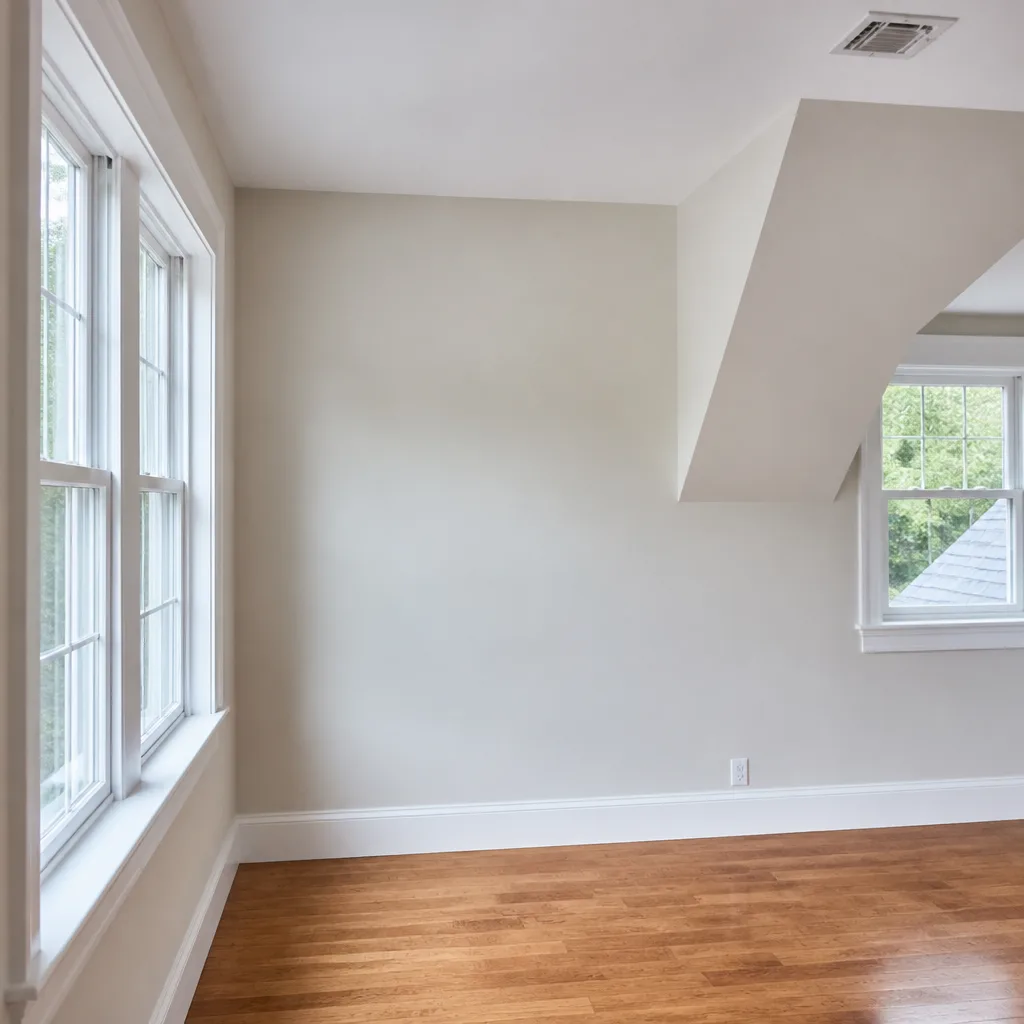
After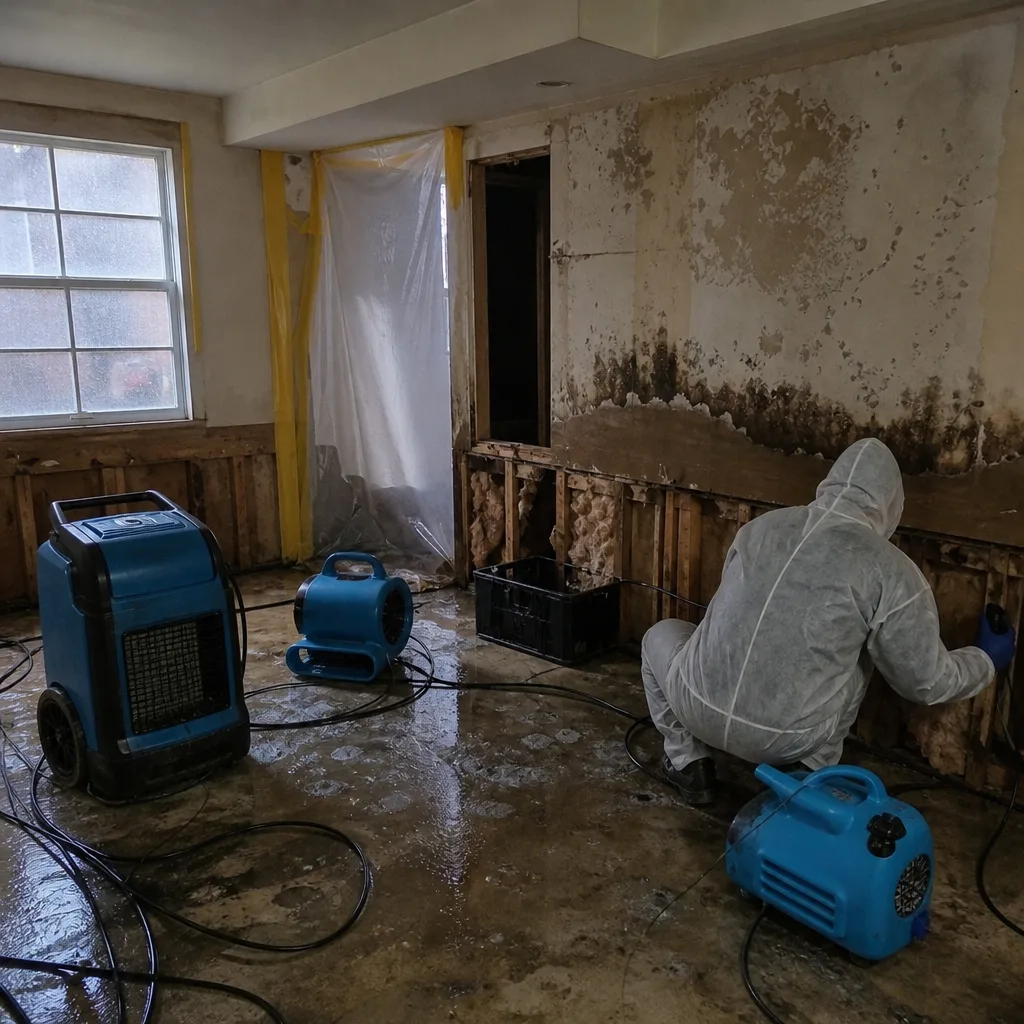 Before
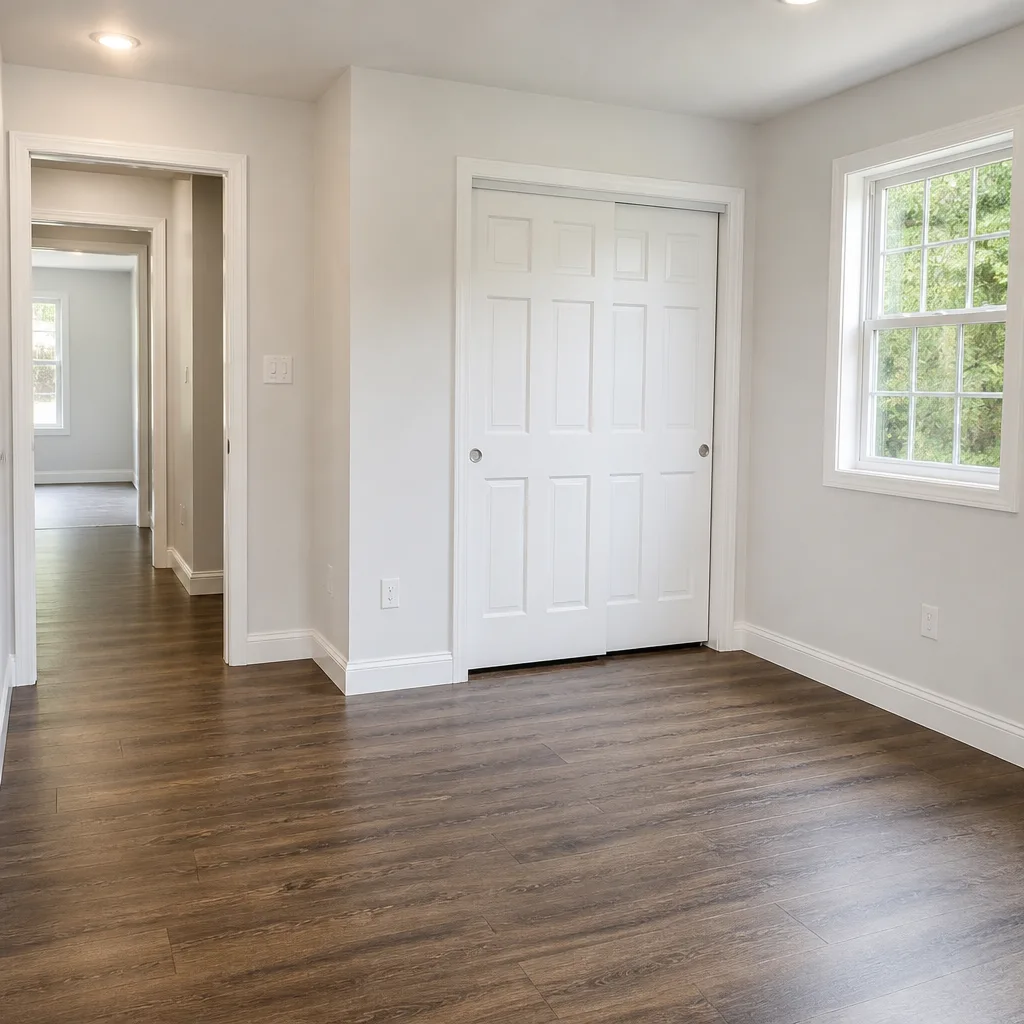 After
AfterFast, Reliable Mold Remediation Across River Edge
Mold remediation in River Edge typically costs between $1,800 and $6,500 for a standard finished-basement job, and we can usually have a crew at your door the same day you call. Most of the mold we find in River Edge homes isn’t from river flooding. It’s from slow plumbing drips behind finished basement walls, the kind that quietly rot drywall for months before anyone notices a musty smell. Call (940) 466-4354 and a live person answers, tells you what to expect, and gives you a written price before any work starts.
Why Wendell Water Damage Restoration Is River Edge’s Preferred Mold Remediation Company
We answer the phone. That sounds simple, but it’s the first thing River Edge homeowners tell us they couldn’t get from other restoration companies. No voicemail trees, no “someone will call you back within 48 hours.” A live person picks up, asks the right questions, and schedules a background-checked, uniformed technician with a live arrival time you can track, not a vague four-hour window.
Our crew knows the Bogert Road basements, the split-levels off Kinderkamack, and the colonials near Cherry Hill School. When a River Edge homeowner calls about a musty smell in a finished basement, we already know what we’re likely to find: 1920s-to-1950s plumbing that’s been slowly leaking behind drywall. That local knowledge means we bring the right equipment on the first trip, not the second.
Professional Mold Removal in River Edge
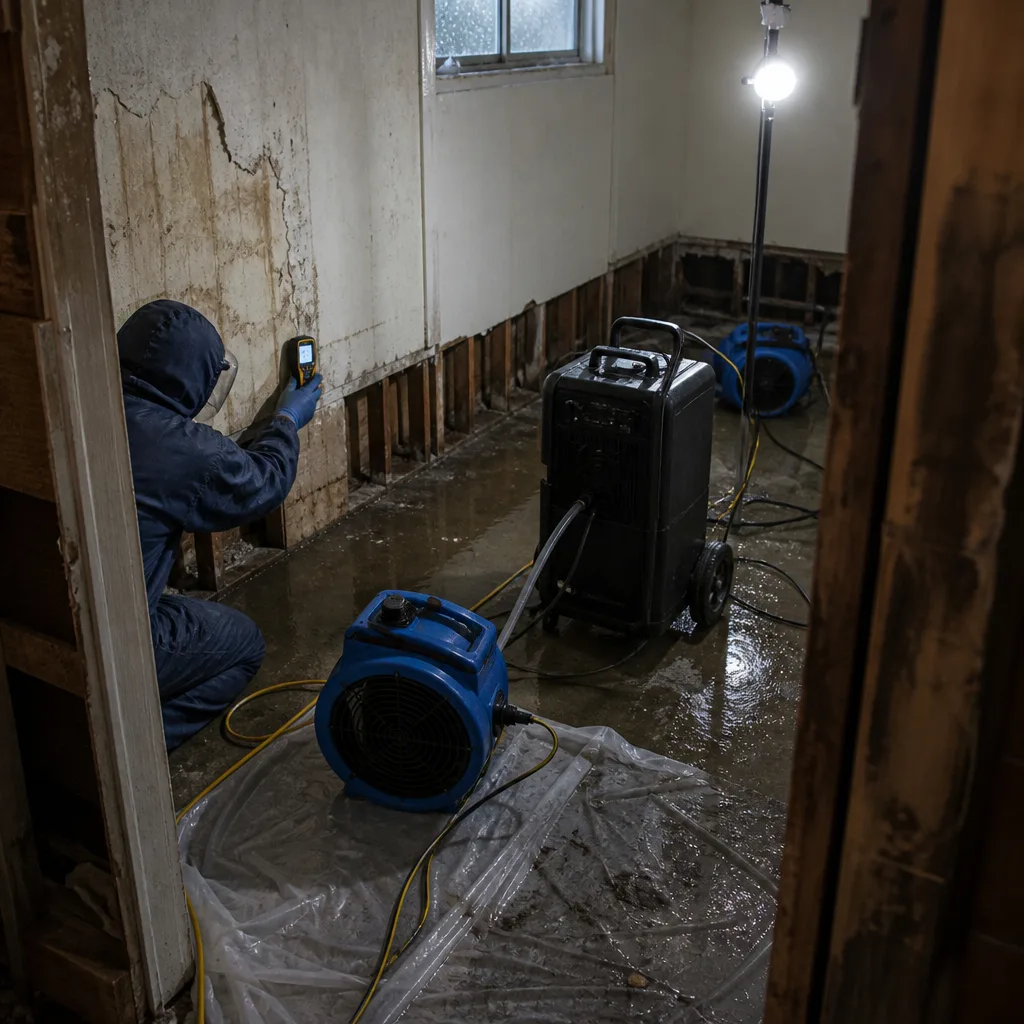
Professional Mold Removal in River Edge means two things: containing the mold that’s already there so it can’t spread when you open the wall, and removing the building materials that can’t be saved. When we open a finished basement on Kinderkamack Road and find mold behind the drywall, we don’t just spray it. We set up containment barriers, run negative air pressure, remove the affected drywall and insulation, apply antimicrobial treatment to the framing, and document every step with photos you get by text.
When Containment Actually Matters
Skipping containment is the single most expensive mistake we see in River Edge. A handyman opens the wall, spores go airborne, and suddenly you’re not cleaning one wall cavity. You’re paying for full pack-outs of furniture, replacing carpets on the other side of the basement, and scrubbing HVAC ducts. We set up containment before we cut anything. That’s not extra, that’s the job.
Removal vs. Drying Decision
Drywall that’s been wet long enough to grow visible mold gets removed, not dried. We use moisture meters to map exactly where the wet zone ends, so we cut back to solid, dry material, not to where the stain happens to stop. That’s the difference between a job that’s done right and a job that’s back in six months.
Mold Inspection in River Edge
Mold Inspection in River Edge starts with a moisture meter and infrared camera, not a visual once-over. When a homeowner on Elm Avenue tells us their basement smells musty but they can’t see anything, we don’t guess. We map moisture readings across the walls and floors, which is how we find leaks behind finished surfaces before we ever cut a single hole.
Moisture Mapping Before Demolition
Relying on smell alone is how River Edge homeowners end up with a much bigger job than necessary. Mold can thrive behind a baseboard for months while the visible drywall stays bone-dry. Moisture mapping gives us a documented before-and-after record, with drying logs that show exactly when your wall cavity reached target moisture levels after the water source was fixed.
Air Quality Restoration Documentation
After removal and drying, post-remediation air sampling in River Edge usually shows spore counts back within normal outdoor ranges. We run HEPA-filtered air scrubbers during the entire job, and we log every reading. You get the numbers, not a technician’s word that the air “feels cleaner.”
Trusted Brands We Service in River Edge
Our crew works on mold issues in homes with every brand of dehumidifier, sump pump, and basement waterproofing system you’ll find across River Edge. For drying equipment, we deploy Dri-Eaz, Phoenix, and XPOWER units, the same professional brands used on commercial loss sites. Because we carry local inventory for River Edge service calls, we don’t wait on parts shipments from distribution centers in Pennsylvania. If you have a sump pump failure contributing to basement humidity, we’ll assess it while we’re already there, and give you a written price on the spot. No second trip, no second diagnostic fee.
Common Mold Remediation Problems We See in River Edge Homes
- Hidden pinhole plumbing leaks behind finished basements. River Edge’s housing stock along the Hackensack River corridor includes many 1920s through 1950s homes with original galvanized and cast-iron plumbing. Slow slab and foundation leaks, not storm flooding, are the top driver of hidden mold behind finished basements. The water source has usually been leaking for months before anyone calls us.
- Mold spores migrating when walls are opened without containment. Once drywall is pulled and airflow changes, spores that were trapped inside the cavity go airborne. We’ve seen finished basements on Bogert Road where skipping containment turned a one-wall job into a whole-basement pack-out.
- Hand-dry jobs with no drying logs. A contractor dries the visible surface with a fan, calls it done, and mold rebounds within weeks because the wall cavity never hit target moisture readings. Drying without logs is guessing. We log every reading.
- Dehumidifiers running constantly without fixing the water source. River Edge basements stay humid naturally. If your dehumidifier is pulling gallons a day and the musty smell keeps coming back, there’s likely an active leak feeding it. Treating humidity without fixing the source just makes the mold grow slower, not stop.
Pricing for Mold Remediation in River Edge, NJ
We Also Serve Cities Near River Edge
Our crews regularly handle mold remediation jobs in New Milford, Oradell, Paramus, and Maywood, drawing on the same local understanding of the old-plumbing, finished-basement mold pattern that dominates this part of Bergen County. If you’re a few minutes outside River Edge, you still get the same written price, live arrival time, and before-and-after photo updates. See how we serve the broader area on our Mold Remediation in River Edge page, but call the same number for any of these towns: (940) 466-4354.
Serving River Edge, NJ - Our Local Coverage Area
We’re based in the River Edge area and know this community well. Use the map below to see our service coverage - if you’re nearby, we can almost certainly help.
FAQs About Mold Remediation in River Edge
Mold can begin growing within 24 to 48 hours of a water source becoming active, especially in River Edge basements that stay naturally humid through summer. But the mold we find behind finished basement walls has usually been growing for weeks or months by the time you notice a smell. That’s why we moisture-map every inspection rather than trusting visible evidence alone. If you suspect a leak, call (940) 466-4354. The sooner we find the water source, the smaller the remediation scope.
Yes. We keep same-day slots open for River Edge homeowners because a hidden leak doesn’t wait for a convenient Tuesday. A background-checked, uniformed technician will arrive with a live tracking time, not a four-hour window. We bring infrared and moisture-meter equipment on every inspection. Call (940) 466-4354 and a live person will give you a real arrival time, plus a written price for the inspection before we start.
We remove drywall and insulation that show visible mold growth or have been saturated long enough that structural drying won’t return them to a sound state. The decision is made with moisture readings, not guesses. We log those readings and share them with you and your insurance adjuster. Every job ends with a written record of what was removed, what was treated, and what the final moisture levels were.
First we find and stop the water source. Then we set up containment, run HEPA filtration, remove affected materials, apply antimicrobial treatment to the framing, and run professional drying equipment from Dri-Eaz, Phoenix, and XPOWER until we hit target moisture levels. You get before-and-after photos by text throughout. We recently handled a job on Bogert Road where a finished basement had been musty for months. Moisture mapping flagged saturated drywall at 28% readings. We ran containment, drying, and antimicrobial treatment, logged three days of drying, and cleared the wall cavity for rebuild. That’s the standard on every River Edge job.
Plumbing, by a wide margin. River Edge’s 1920s through 1950s homes along the Hackensack River corridor still have original galvanized and cast-iron supply lines that develop slow pinhole leaks behind finished walls. Storm flooding happens, but it’s the slow slab and foundation leaks that create the hidden mold behind finished basements. If your basement smells musty and you haven’t seen standing water, that actually points more strongly to plumbing. Call (940) 466-4354 and we’ll find the source.
If you’re seeing dark spots on drywall, catching a musty smell in a finished basement, or noticing humidity that never clears, call Wendell Water Damage Restoration at (940) 466-4354. We’ll give you a written price before any work starts, a live arrival time you can track, and a documented drying process you can see in photos. Every job is backed by our 365-Day Done Right Promise: if it’s not done right, we make it right. For mold remediation, that’s a guarantee with teeth.
Written by Blake Sorensen, Owner at Wendell Water Damage Restoration, serving River Edge with transparent pricing and documented mold remediation since 2006.