
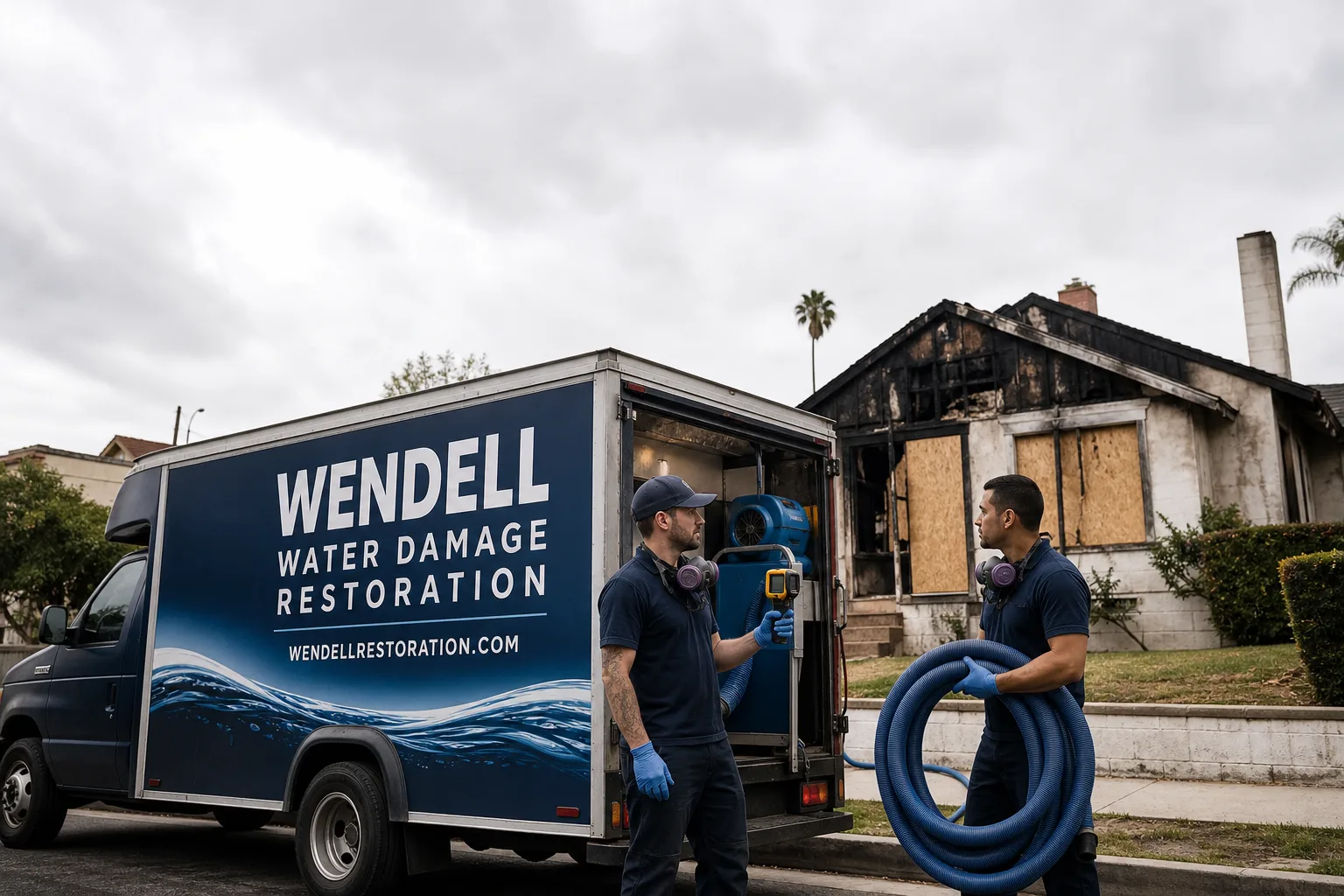
Free visual inspection and a written scope of work before any mitigation begins - photos, moisture readings, and drying logs go in your claim file
The scope we write is the scope we bill. Anything new gets shown to you, in writing, before we touch it.
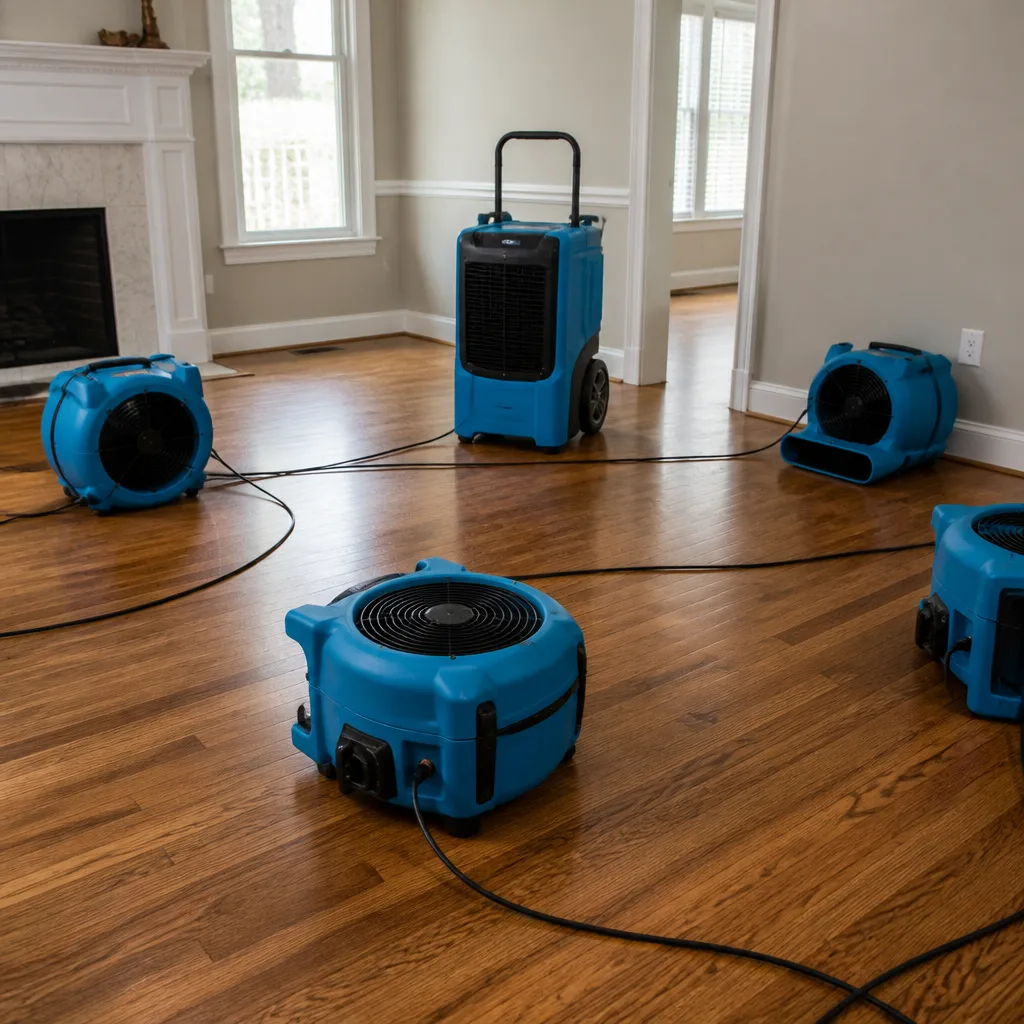

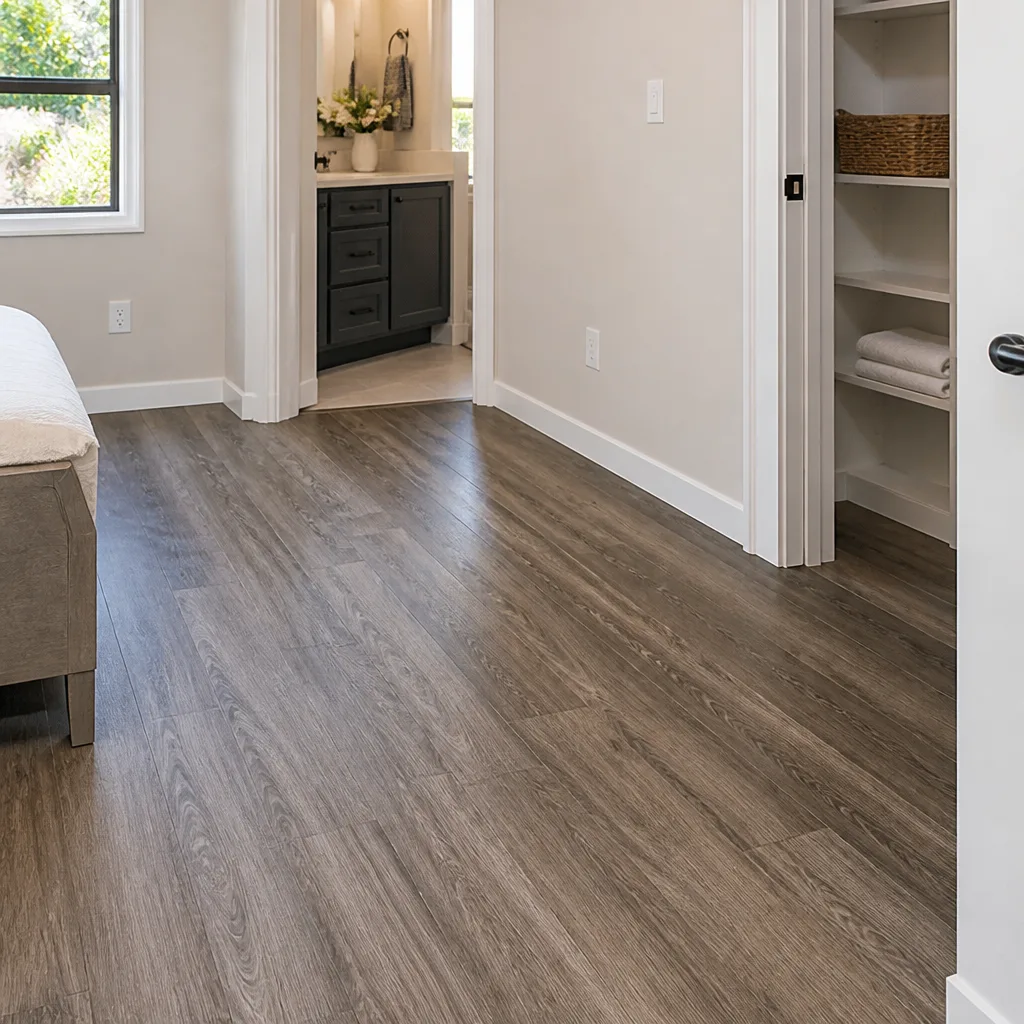
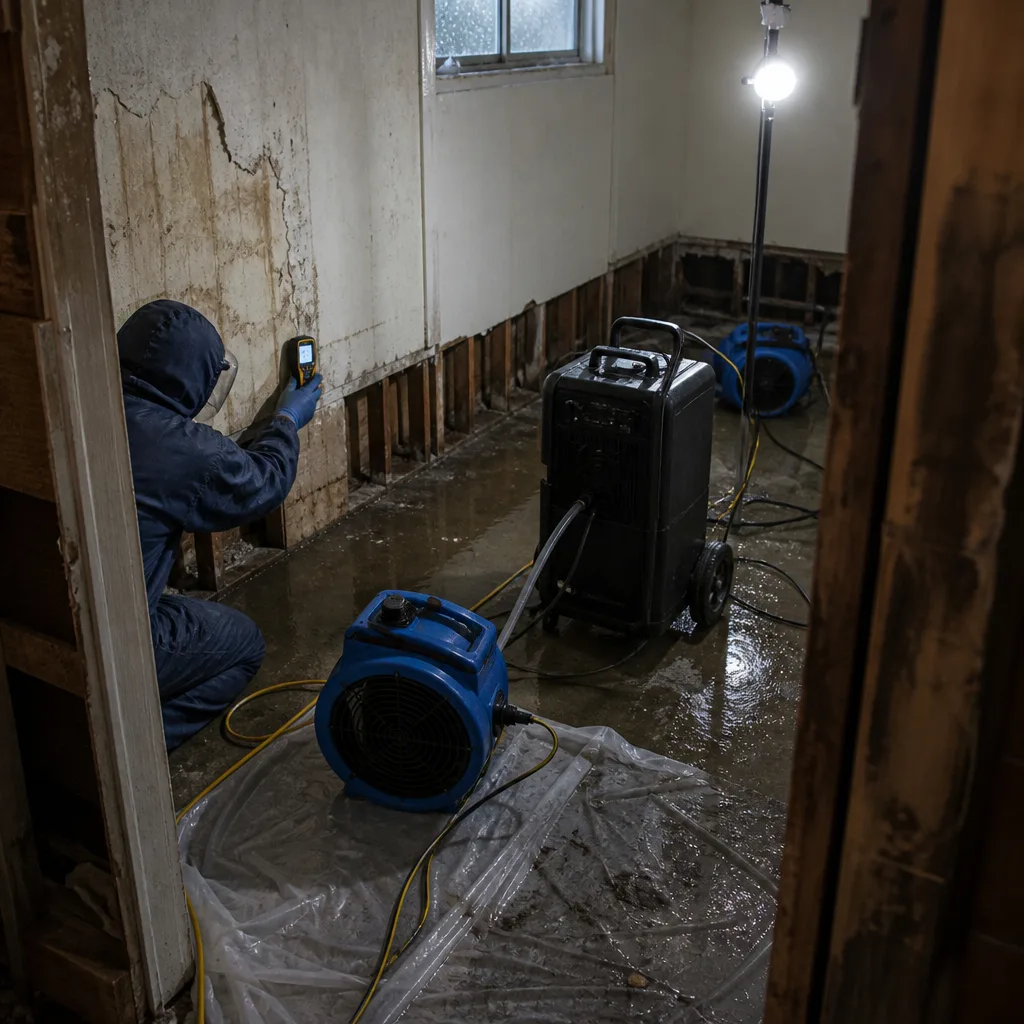 Before
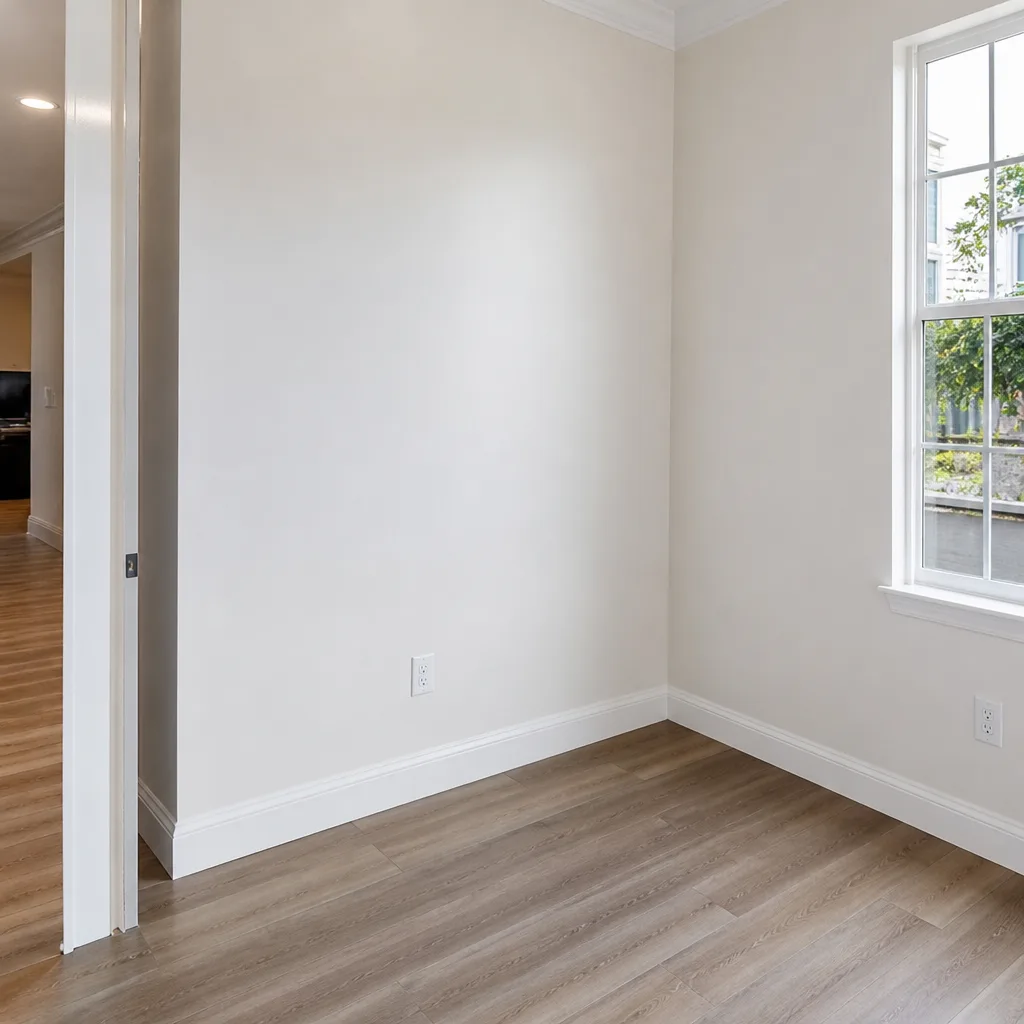 After
After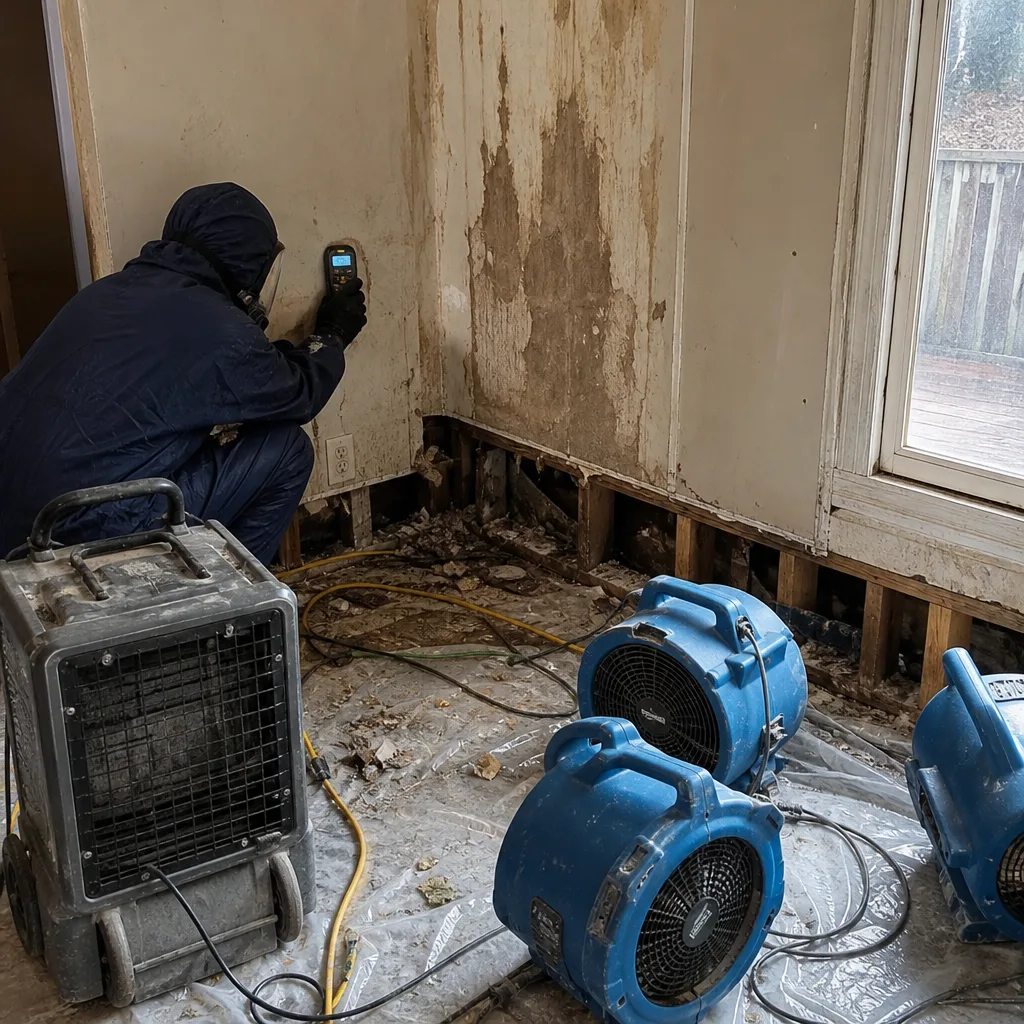 Before
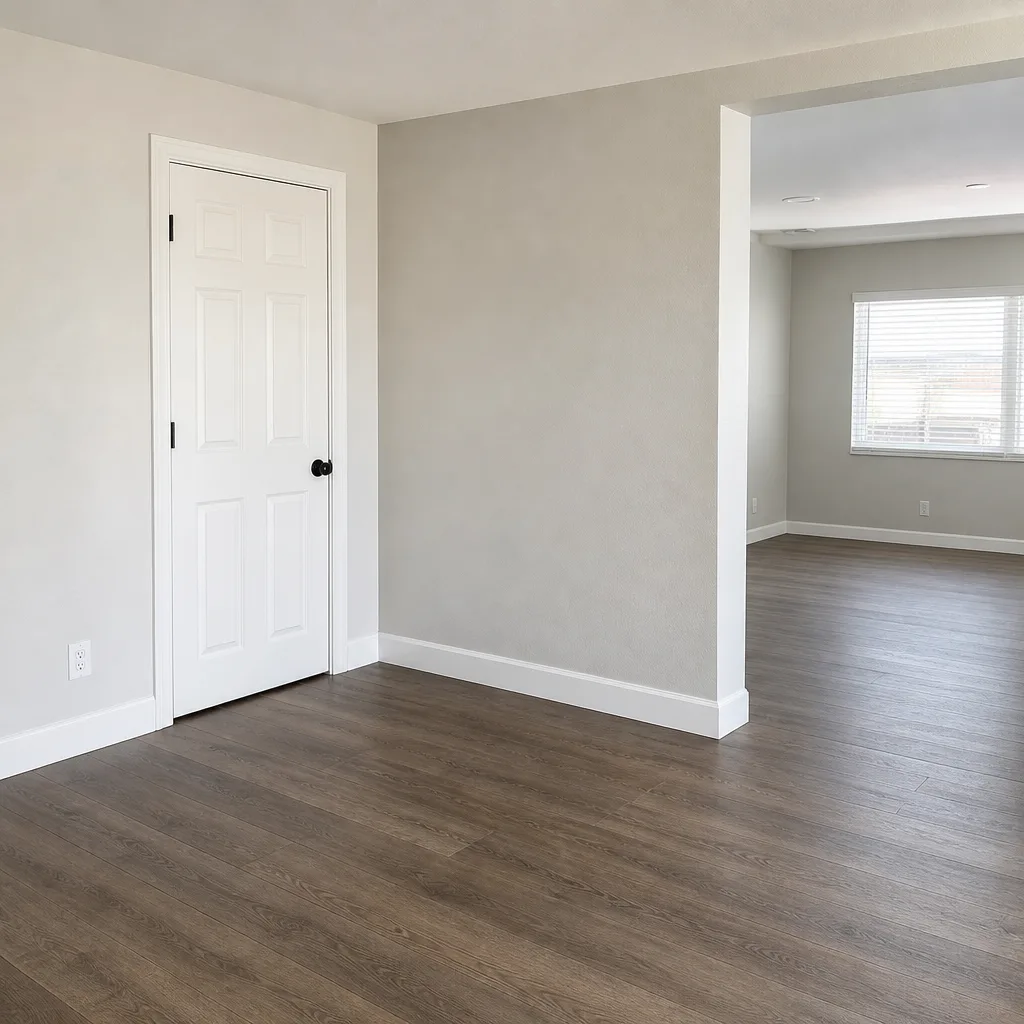 After
After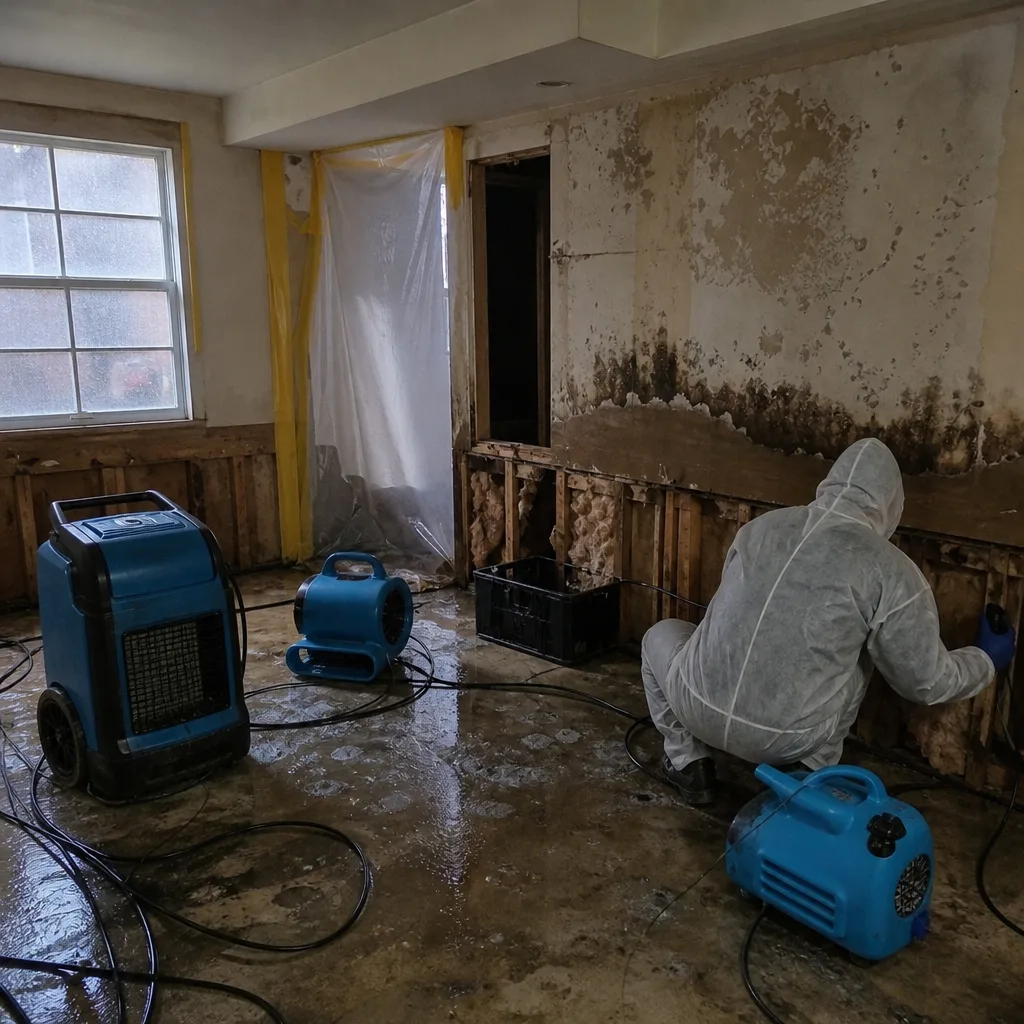 Before
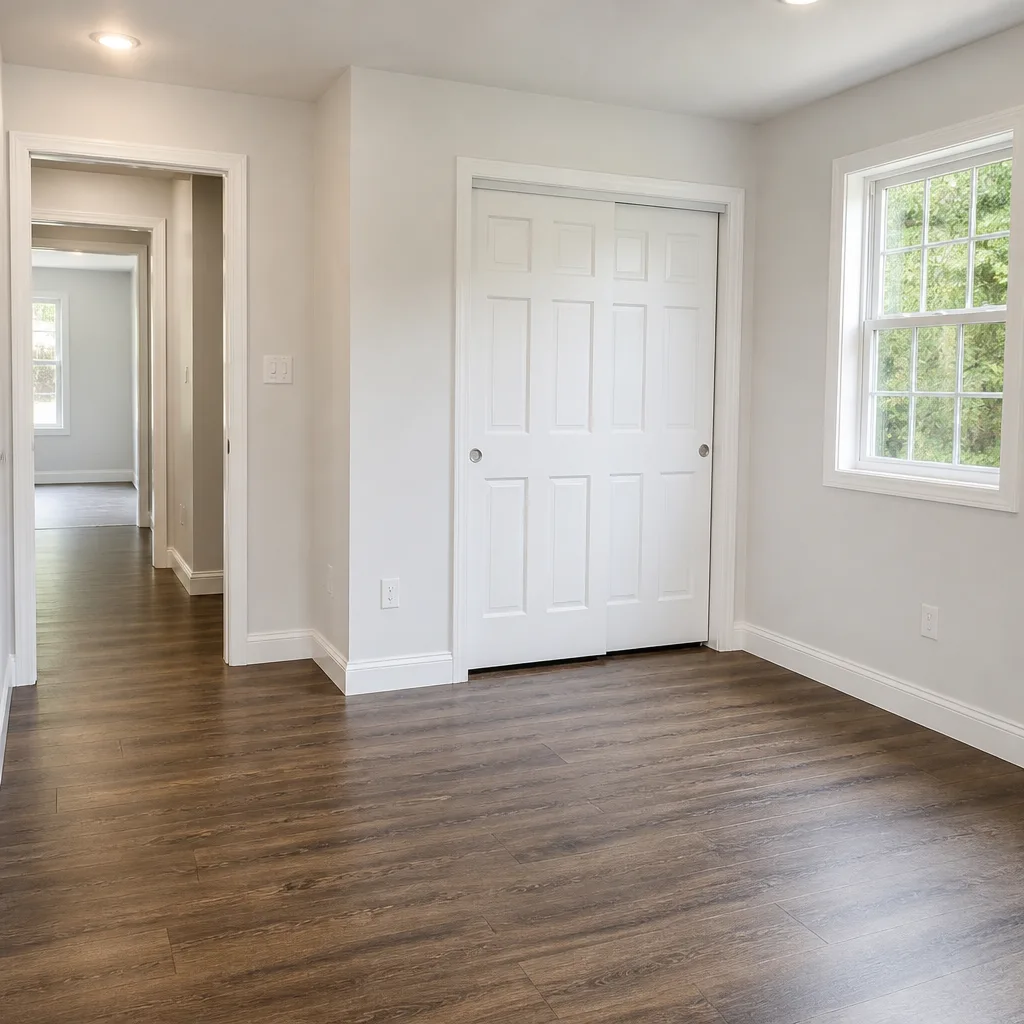 After
AfterFast, Reliable Mold Remediation Across Little Italy
Mold remediation in Little Italy, NY typically costs $1,800 – $6,500 depending on how far the colony has spread inside your walls, and we can usually have a technician at your walk-up the same day you call. This neighborhood’s pre-war tenements hide mold differently than newer construction: the original plaster-and-lath walls and riser-fed plumbing stacks mean water travels inside cavities for weeks before you ever see a stain. We know those buildings. We know what a musty smell on the fourth floor of a Mulberry Street walk-up actually means, and we don’t wait for visible bloom before we start mapping moisture. Call (940) 466-4354 and you’ll talk to a live person – not a voicemail, not a callback queue – who can schedule a visit to your Little Italy apartment or building.
Why Wendell Water Damage Restoration Is Little Italy’s Preferred Mold Remediation Company
Little Italy landlords and co-op managers call us because we treat pre-war building problems as the default, not the exception. Most mold remediation companies in Manhattan cut their teeth on storm flooding and post-fire water damage in modern drywall buildings. That’s useful, but it doesn’t help much in a six-story brick tenement on Hester Street where a slow riser leak has been feeding a mold colony inside original lath for three weeks. Every job we do in Little Italy starts with the same assumption: the water is inside a cavity, the mold is behind intact plaster, and the only way to know the true scope is moisture mapping and thermal imaging before anyone opens a wall.
Our Mold Remediation team works under IICRC, RIA, and IFA standards, using Dri-Eaz and XPOWER equipment. But the part that matters most to a Little Italy homeowner is simpler: you get a written price before any work starts, a live arrival time you can track, and before-and-after photos by text. Founded in 2006 as part of the Relay Home Co. family, Wendell holds every job to The Relay Visibility Guarantee. You know who is coming, when they’ll be there, and exactly what it costs. That matters doubly in a neighborhood where no one has a driveway to park a truck and jobs often mean coordinating with a super, a co-op board, or a property manager who wants everything documented.
Blake Sorensen leads our restoration work with a rule that fits Little Italy perfectly: no wholesale plaster demolition unless the lath itself is compromised. In these buildings, that’s the difference between a $2,200 remediation and a $9,000 gut-and-rebuild that strips original fabric from a historic apartment.
Black Mold Removal in Little Italy
Black Mold Removal in Little Italy usually means addressing Stachybotrys chartarum growing inside pre-war wall cavities where slow riser or supply-line leaks have gone unnoticed behind original plaster. Homeowners in this neighborhood often first notice it as a musty, earthy smell near baseboards, a persistent cough that clears up when they leave the apartment, or soft brown-black staining creeping along the bottom of a kitchen or bath wall. The colony itself might be the size of a dinner plate, or it might run the full length of a stud bay. We don’t know until we map it.
Moisture Mapping Before Cutting
Anyone who cuts into a Little Italy plaster wall without first running moisture mapping and thermal imaging through the cavity is guessing. We don’t guess. Our techs use non-invasive meters to trace the wet path inside the wall, mark the containment zone, and only then open what needs opening. That saves sound lath, keeps demolition dust out of your apartment, and gives you a written scope of work before the first tool touches plaster.
Containment and Antimicrobial Treatment
Black mold removal in Little Italy tenements requires negative air containment because these apartments share walls, floors, and ceiling cavities with other units. A colony in one apartment can press spores into the hallway and the unit next door. We set containment with HEPA-filtered negative air machines, treat the affected lath and framing with antimicrobial, and run air scrubbers until post-remediation air samples come back clear. Expect black mold removal in this neighborhood to run $2,400 – $7,200 depending on cavity size and how many rooms are involved.
Mold Removal Contractor in Little Italy
A Mold Removal Contractor in Little Italy should understand riser-fed plumbing before they ever touch your wall. Our crews have worked dozens of these walk-ups, from Grand Street to Broome, and we know what to look for: supply lines running vertically through wet walls, cast-iron risers sweating or leaking behind original plaster, and bathroom stacks that have been patched so many times the wall reads 100% saturated behind what looks like dry paint. That’s the job – find the water source, stop it, dry the cavity, treat the mold, and rebuild only what’s contaminated.
Save the Lath, Cut Only the Contamination
In Little Italy, we write scopes that save sound lath and original plaster wherever it’s structurally intact. That’s not about sentiment; it’s about cost and building integrity. Removing an entire original plaster wall to chase a 6-square-foot mold patch is historically wrong and needlessly expensive. We cut only the contaminated section, dry and treat the framing behind it, and rebuild with materials that match the original wall profile. You get a written price before any of this starts, and a 365-Day Done Right Promise on every repair.
Co-op and Landlord Coordination
Many Little Italy buildings are co-ops or landlord-managed, which means remediation has to satisfy a board, a managing agent, and sometimes an insurance adjuster. We handle that directly. Our techs document everything with photos, moisture readings, and drying logs, and we’ll coordinate with your adjuster so you’re not translating technical findings over email at midnight. Mold removal contractor work in Little Italy typically runs $1,800 – $5,400 for a single-unit remediation, with larger multi-unit or riser-related jobs scaling from there.
Trusted Brands We Service in Little Italy
We run Phoenix and XPOWER equipment on nearly every Little Italy job because these buildings demand low-profile, high-output drying that can work inside tight wall cavities and small apartment footprints. Phoenix dehumidifiers give us the precise moisture removal these dense plaster walls need, while XPOWER air movers and scrubbers keep airflow moving through containment without overwhelming a tenement apartment’s limited electrical capacity. We stock parts and filters locally for quick turnaround, so when a unit on Broome Street needs a replacement HEPA filter or a dehumidifier swap mid-job, we’re not waiting on a freight delivery. Your equipment gets serviced or replaced same day, and you’ll see it documented in the drying log.
Common Mold Remediation Problems We See in Little Italy Homes
- Riser and supply-line leaks patched without drying. A plumber fixes the leak, patches the wall, and everyone moves on. But the trapped water inside the cavity takes two to three days to turn into a mold colony, and now it’s behind fresh paint where no one’s looking. We find these with moisture mapping long after the “repair” is done.
- Musty smells dismissed as “old-building smell.” Landlords and co-op managers in these tenements have been smelling damp plaster for decades, so a new tenant complaint gets shrugged off. Pulling baseboards and running a moisture meter through the cavity shows the real story: a colony running behind intact walls that no one opened.
- Wholesale plaster removal instead of scoped cut-outs. A crew tears out an entire original plaster wall to address a small patch of mold, then rebuilds in drywall that doesn’t match the building’s wall profile. It costs thousands more than necessary and strips historic fabric from a Little Italy apartment. We write scopes that save sound lath.
- Category 1 water turning into Category 3 losses. Clean water from a supply line drip sits inside a warm, dark wall cavity against old wood lath and decades of dust. Within 72 hours, that clean Category 1 water has become a Category 3 loss – colonized, contaminated, and far more expensive to remediate than the original leak repair.
Pricing for Mold Remediation in Little Italy, NY
We Also Serve Cities Near Little Italy
Our crews cover mold remediation across Mold Remediation in Little Italy and the surrounding boroughs. We run calls in Brooklyn, Queens, Manhattan, and The Bronx, with same-day response available throughout the metro. Dispatch and scheduling coordinate from the brand’s New York City office, so when you call, you’re talking to someone who actually knows these neighborhoods.
Serving Little Italy, NY - Our Local Coverage Area
We’re based in the Little Italy area and offer our Water Damage Restoration in Little Italy, so we know this community well. Use the map below to see our service coverage - if you’re nearby, we can almost certainly help.
FAQs About Mold Remediation in Little Italy
Mold can start colonizing inside a pre-war plaster-and-lath cavity within 48 – 72 hours of a leak, especially in the warm, dark wall spaces these buildings create. The reason it often goes unnoticed for weeks is that original plaster hides moisture well until the colony has spread far enough to bloom along baseboards or push musty smells through the apartment. If you suspect a leak, pull baseboards and run moisture mapping before visible mold appears – the earlier you catch it, the smaller and cheaper the remediation. Call (940) 466-4354 for a free inspection.
Yes, and it’s the default for our Little Italy work. We don’t tear out original plaster wholesale; we map the moisture inside the cavity, cut out only the contaminated section, treat the lath and framing with antimicrobial, and rebuild the wall to match the original profile. Saving sound lath and original plaster keeps costs down and preserves the building’s historic character, which matters in this neighborhood. Every job includes a written scope before work starts.
A Category 3 loss is water that’s grossly contaminated – sewage backups, drain overflows, standing water that’s sat for days with organic debris, or water that’s come into contact with mold colonies and building dust inside old cavities. In Little Italy tenements, a slow sewer line backup or a drain pan that’s been overflowing into floor joists for weeks is a Category 3 loss, and it requires more aggressive containment, antimicrobial treatment, and air scrubbing than clean-water damage. We’ll tell you which category you’re dealing with during the initial assessment and put the scope in writing.
Yes, for most residential jobs we can have a technician at your Little Italy address the same day you call, depending on the current schedule and how urgent the situation is. This neighborhood’s density means a mold colony in one apartment is a problem for the whole floor, so we prioritize calls from buildings with active leaks or spreading contamination. Every visit includes a written price before work starts and a live arrival time you can track. Call (940) 466-4354 and a live person answers, 24/7.
We’ll handle contents as part of the job scope: moving furniture out of the containment zone, protecting what stays, and coordinating pack-out for items that need to leave the apartment during aggressive antimicrobial treatment or plaster rebuild. In Little Italy apartments, where storage is tight and rooms are small, we recommend clearing the work area before we arrive, but our techs will do the heavy lifting. Everything is documented with photos, and your contents are protected under the same written scope you get before work starts.
For mold remediation in Little Italy, call (940) 466-4354. A live person answers, you get a free estimate, and the price goes in writing before any work begins.
Written by Blake Sorensen, Owner at Wendell Water Damage Restoration, serving Little Italy and surrounding areas since 2006.