
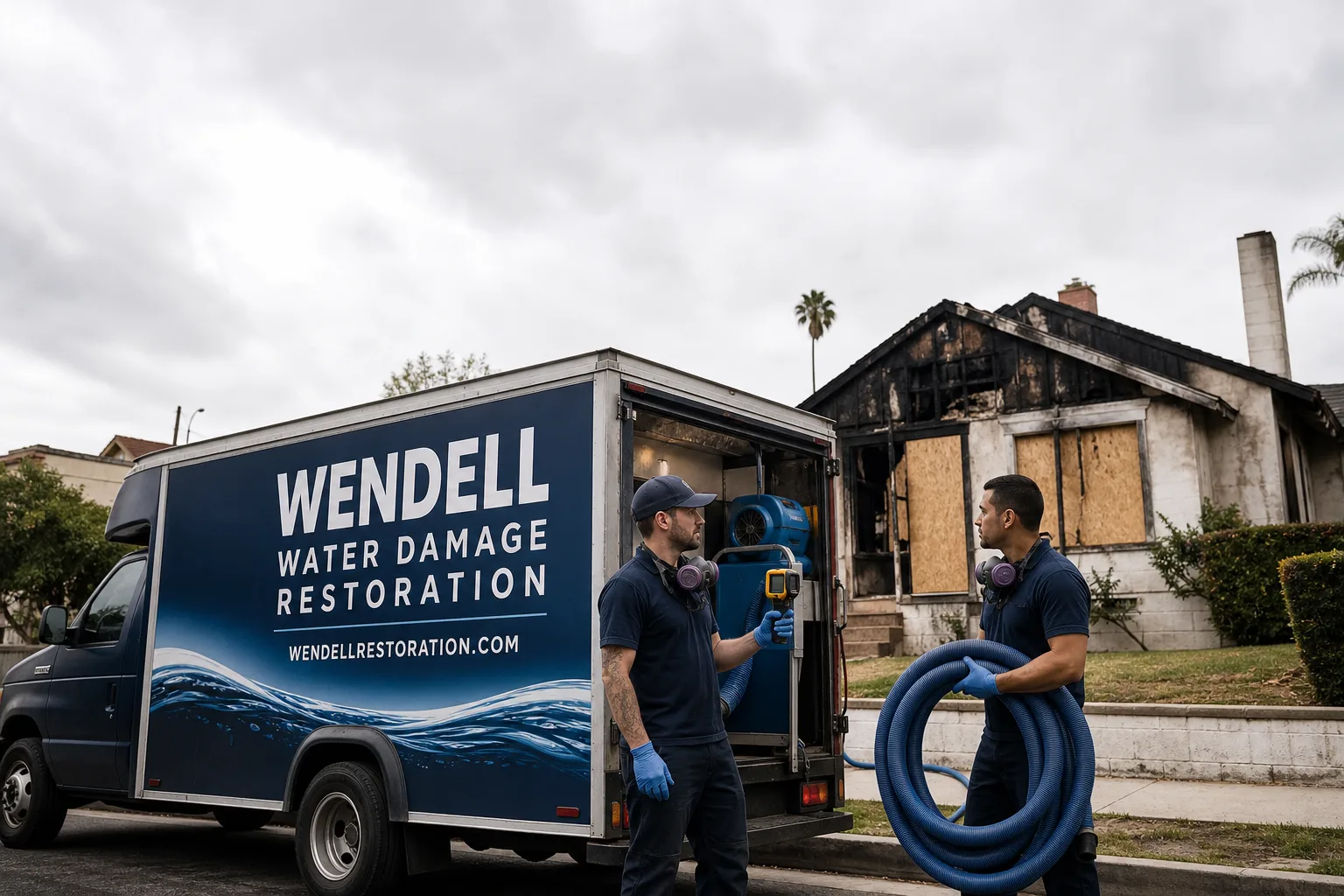
Free visual inspection and a written scope of work before any mitigation begins - photos, moisture readings, and drying logs go in your claim file
The scope we write is the scope we bill. Anything new gets shown to you, in writing, before we touch it.
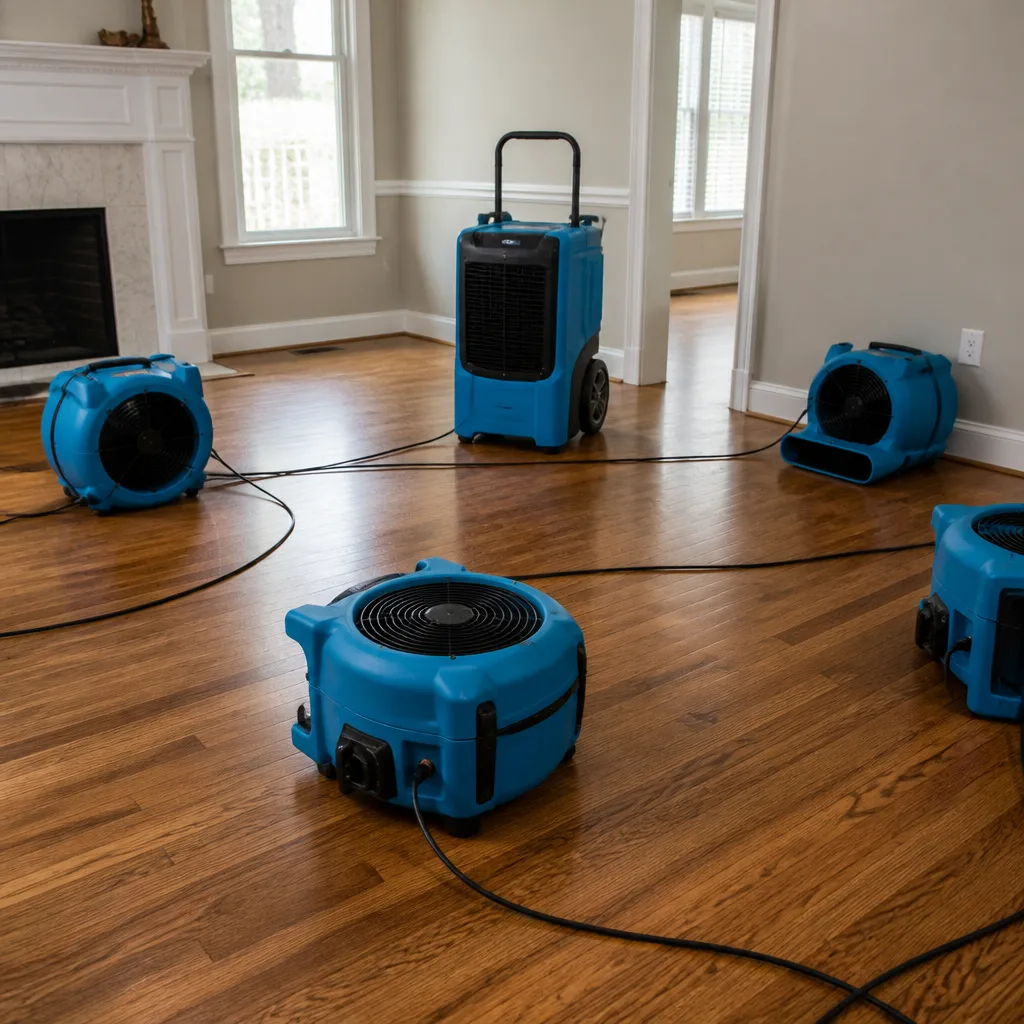

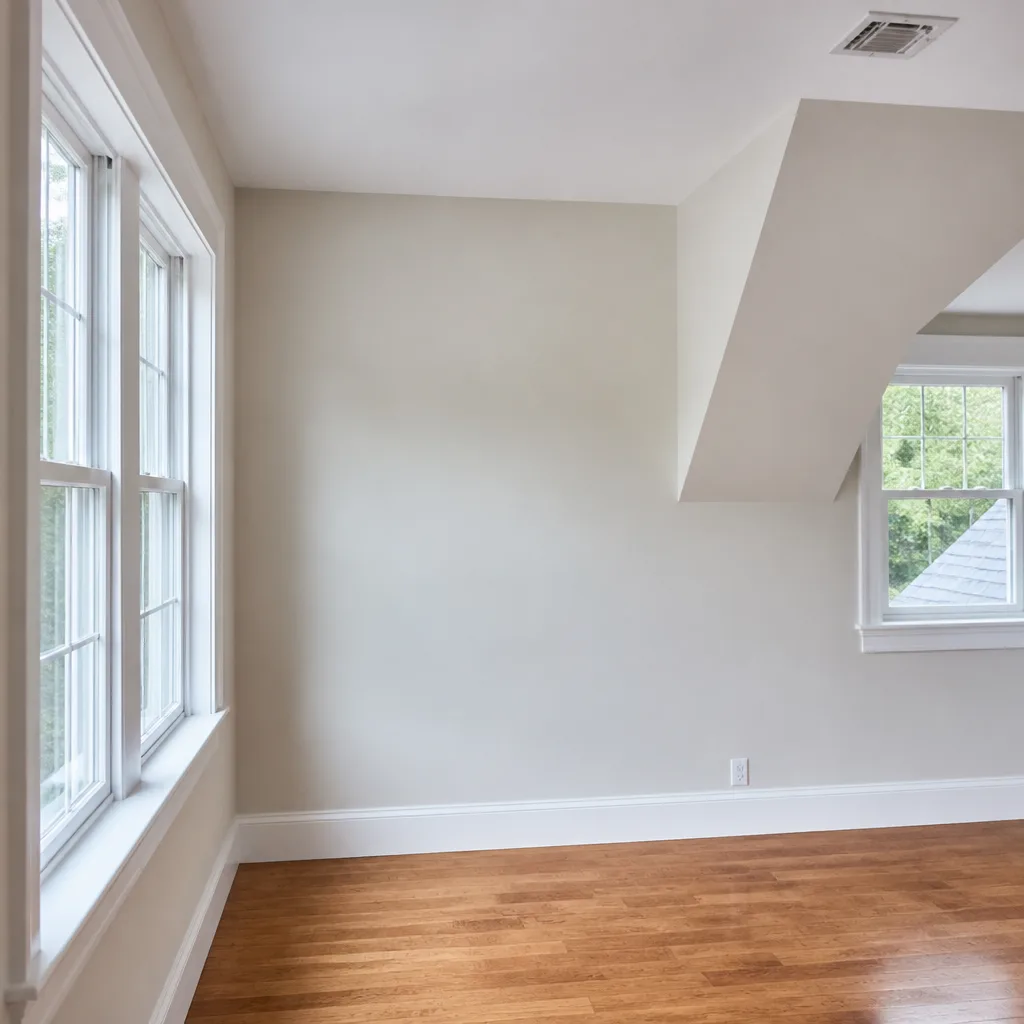


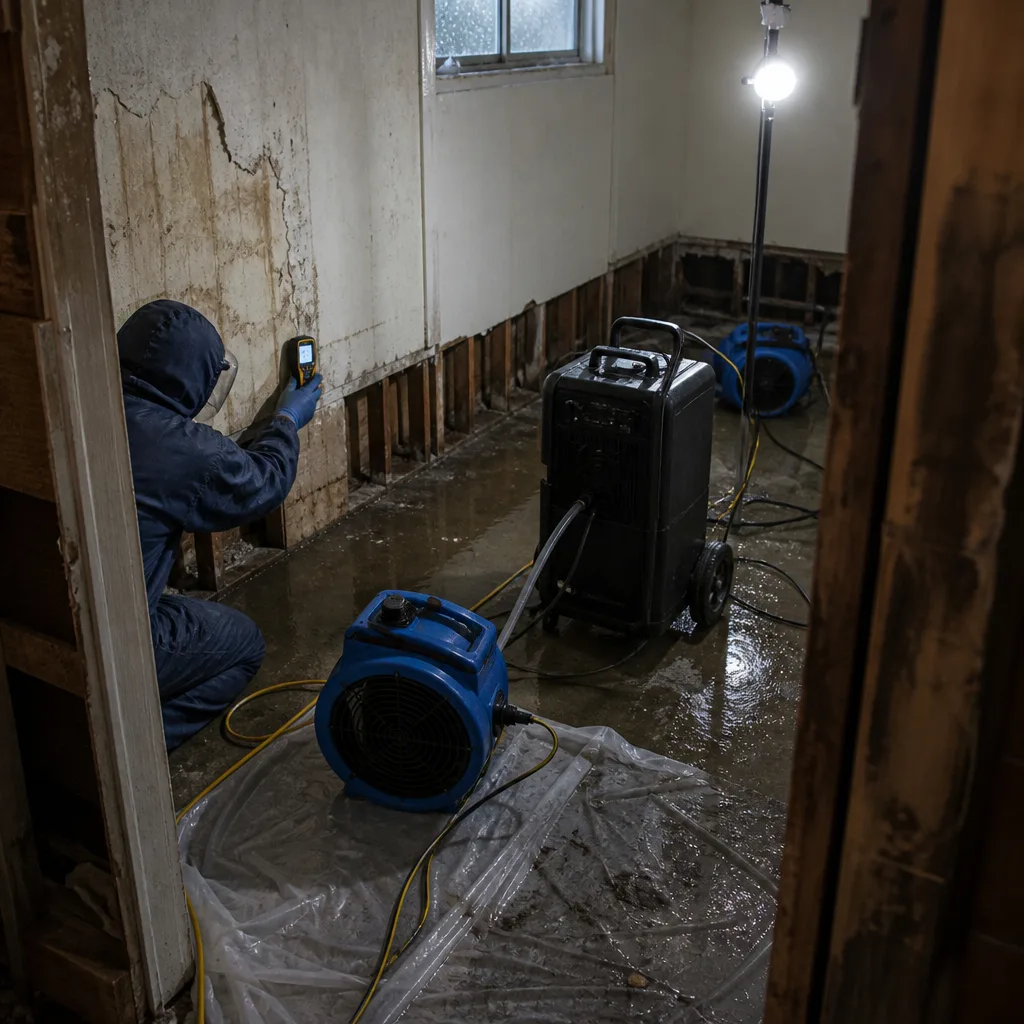 Before
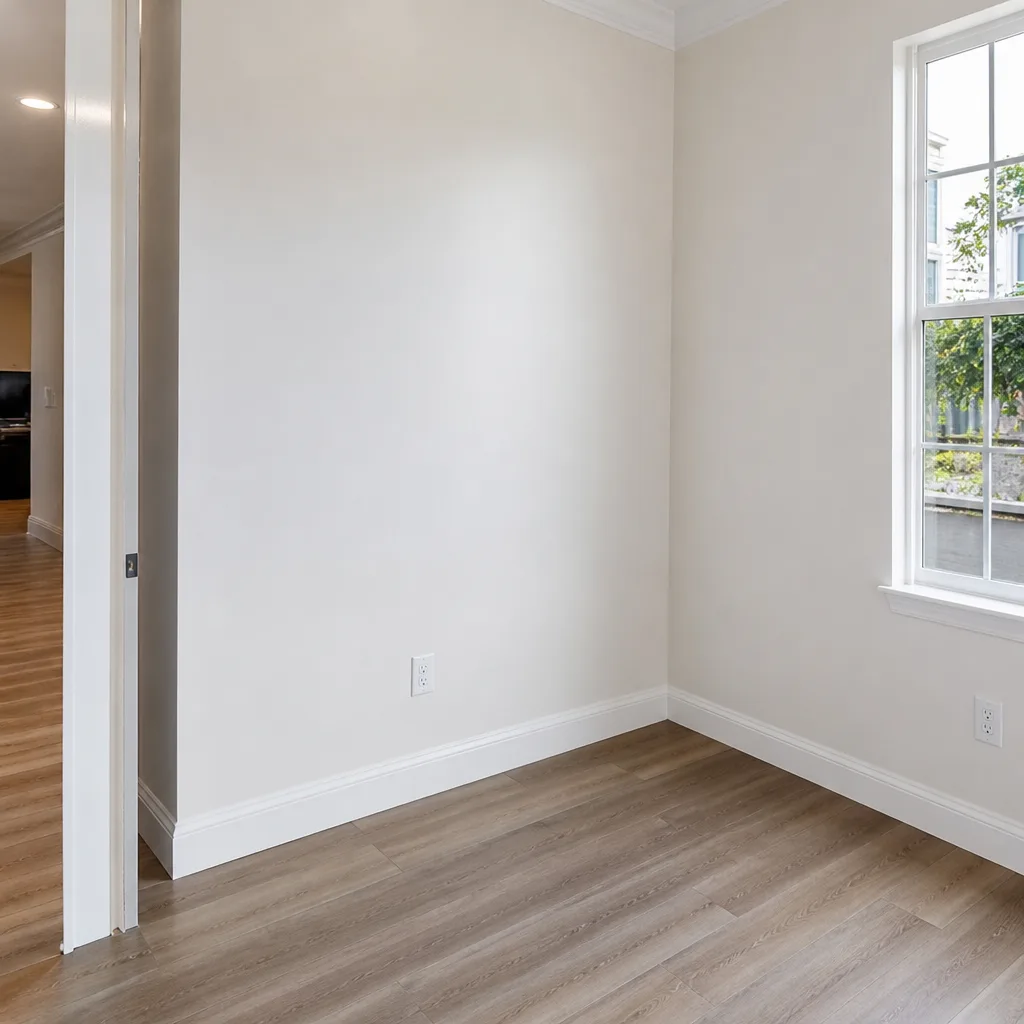 After
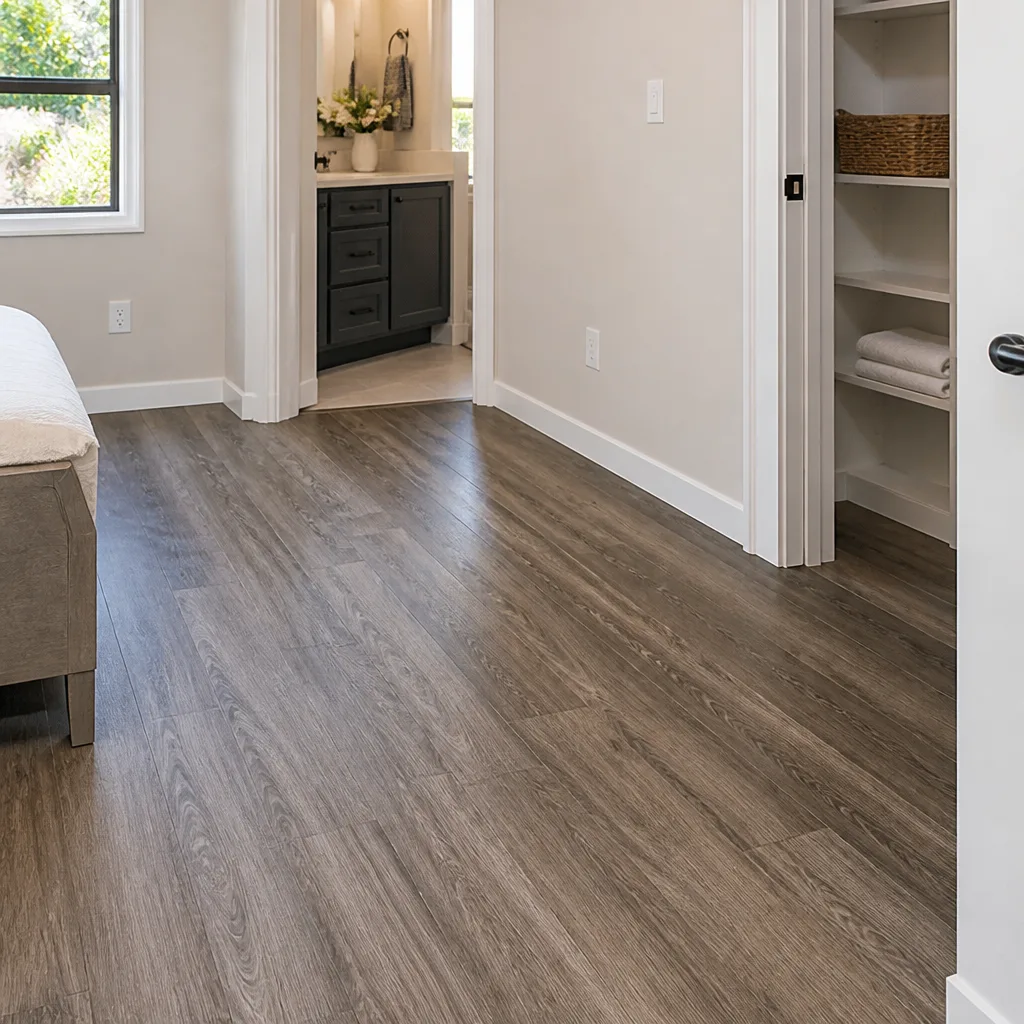
After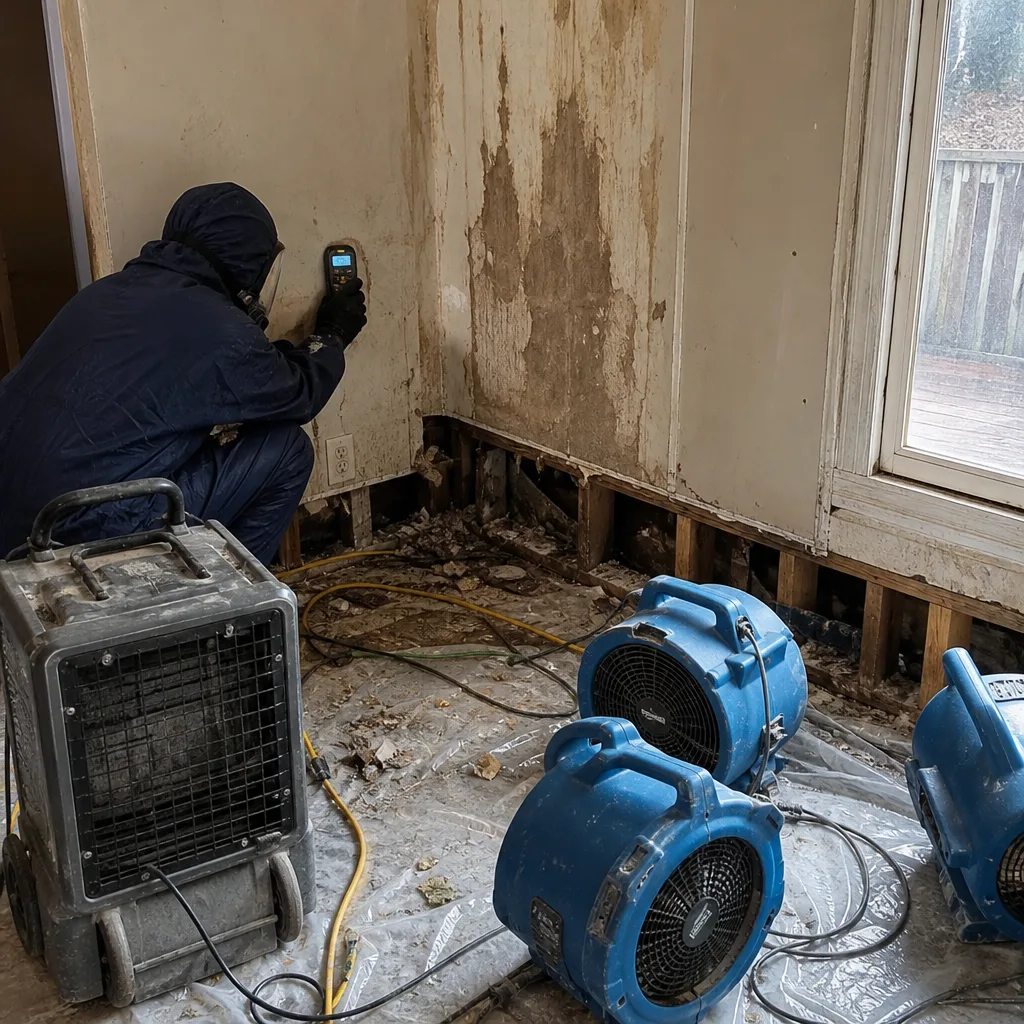 Before
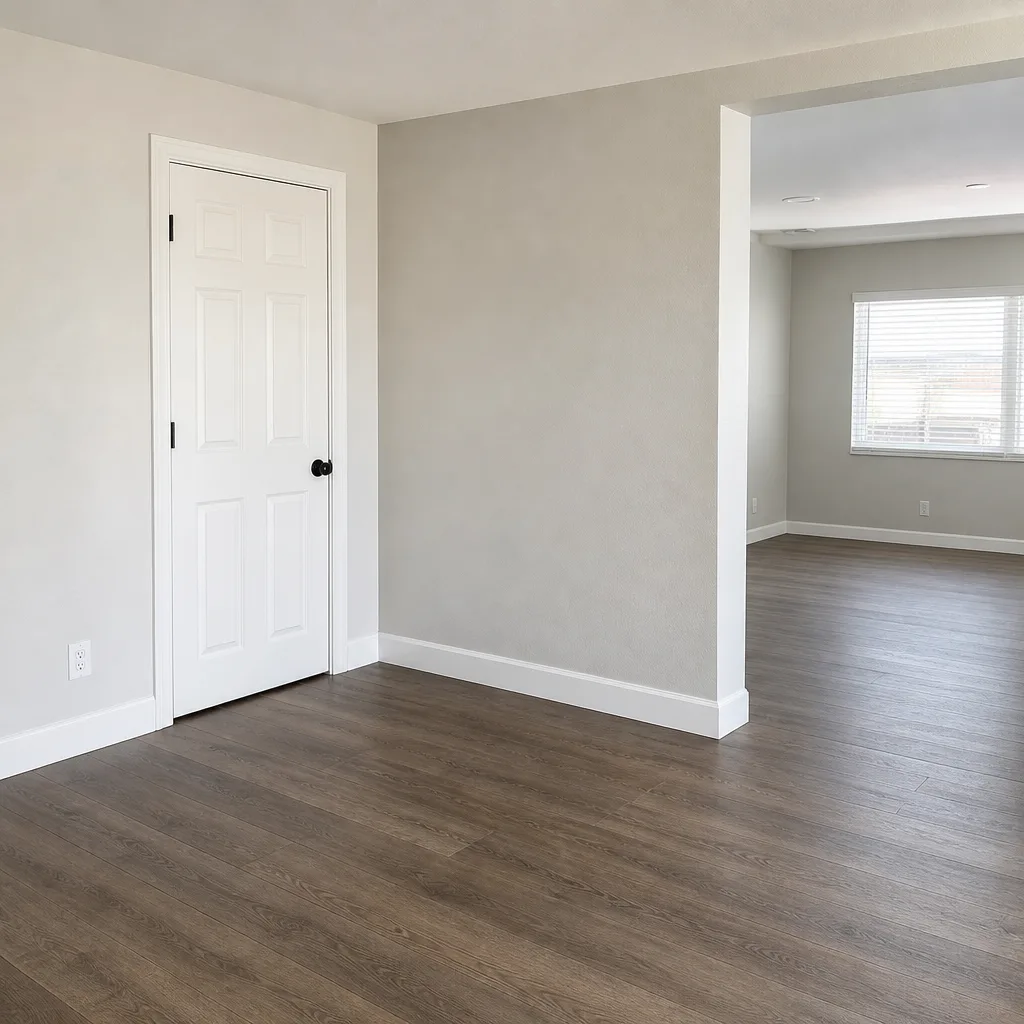 After
After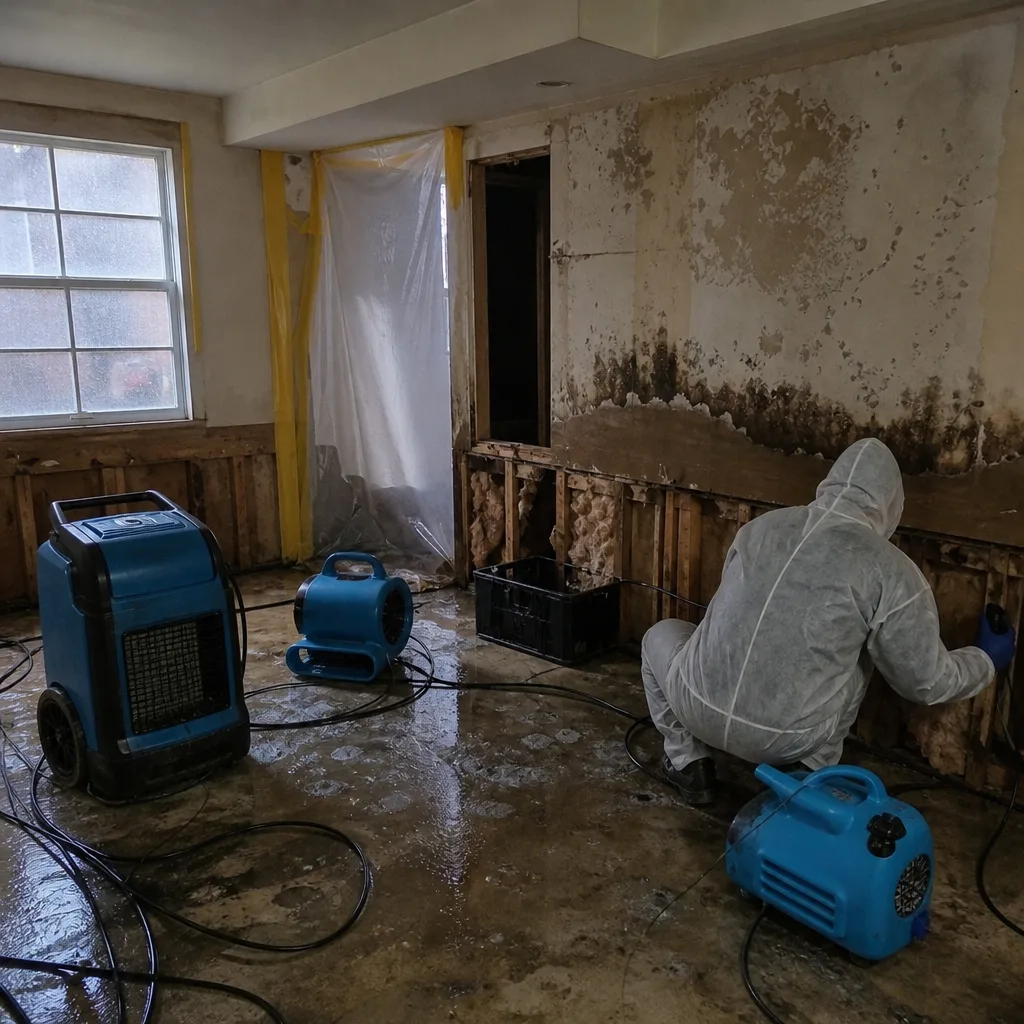 Before
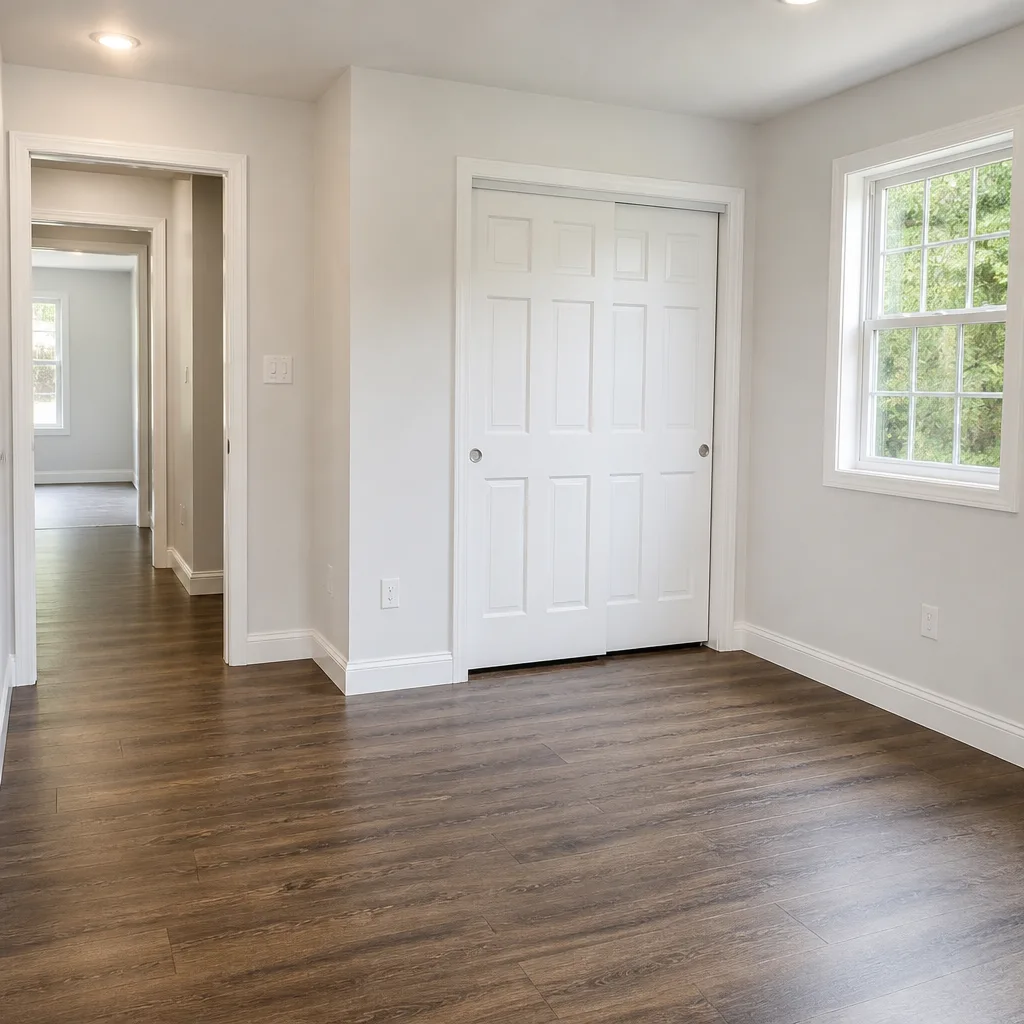 After
AfterFast, Reliable Mold Remediation Across Fountain Valley
Mold remediation in Fountain Valley usually costs between $1,800 and $6,500 for a contained removal job, and most homes we see need work within three to five days of the first call. If you’ve found dark staining along a baseboard, smelled mustiness you can’t place, or patched a slab leak weeks ago and the odor never left, call us at (940) 466-4354. We’ll put a written price in front of you before any tool touches a surface, and a live person answers that number around the clock.
Why Wendell Water Damage Restoration Is Fountain Valley’s Preferred Mold Remediation Company
We show up to Fountain Valley jobs already knowing what to look for. The tract homes off Ellis Avenue, the split-levels near Mile Square Park, the older builds along Talbert Avenue: many of them sit on slab-on-grade foundations with aging copper and galvanized supply lines. That changes how mold behaves here, and it changes how we investigate it. Our technicians run moisture mapping before any tear-out, because Fountain Valley’s high water table means a patched pinhole leak can still be feeding moisture into a wall cavity weeks after the plumbing repair.
Customers in Fountain Valley tend to find us the same way: they call, we answer, and a background-checked technician arrives with a live arrival time they can track from their phone. That’s the Relay Standard working as designed. Blake Sorensen leads our crew, and the standing rule is simple: written price before work starts, written guarantee on every job, and a free second visit if the repair doesn’t hold. No phone tree, no four-hour window, no adjusted number at the door.
Professional Mold Removal in Fountain Valley
Professional Mold Removal in Fountain Valley means more than cutting out stained drywall. It starts with finding the water source that’s still feeding the growth, then isolating the affected area, removing the damaged material, and running structural drying until moisture logs confirm a pre-loss condition. In Fountain Valley’s slab-on-grade homes, that last step is the one that gets skipped by less careful crews, and the mold comes right back.
Containment and Source Control
Before we open a wall, we set negative air pressure and plastic containment so spores don’t spread through the rest of the house. Then we trace the moisture path, not just the visible stain. On Fountain Valley slab homes, capillary action often wicks water eight to ten feet down a bottom plate from the original leak, far from where any stain shows.
Antimicrobial Treatment and Structural Drying
After damaged material is removed, we apply antimicrobial treatment to framing and hard surfaces, then deploy Injectidry mat systems, Phoenix dehumidifiers, and air movers under IICRC protocol. Drying runs until readings come back at the house’s natural equilibrium, not until the surface feels dry. Most Fountain Valley removal jobs wrap in two to four days of active drying.
Mold Inspection in Fountain Valley
Mold Inspection in Fountain Valley typically runs $350 to $900 depending on how much of the home we’re mapping and whether lab samples are requested. If you smell something in a hallway closet but see nothing, an inspection with moisture mapping saves you from tearing open drywall on a guess. We find the wet, then we tell you what it costs to fix it.
Moisture Mapping on Slab Foundations
Fountain Valley’s 1960s and 1970s tracts sit low, and the Santa Ana River and Talbert Channel keep groundwater close to surface. We use thermal imaging and penetrating meters to track moisture through bottom plates, baseboards, and wall cavities. This is how we find mold growing behind a baseboard after a slab leak repair that never dried the structure.
Air and Surface Sampling
When you need documentation for an insurance claim or a real estate transaction, we collect air and surface samples and send them to a third-party lab. Results come back in two to three days, and the report tells you what’s present and at what levels. The written report stays yours, regardless of whether you hire us for removal.
Trusted Brands We Service in Fountain Valley
The equipment on our Fountain Valley jobs is the same commercial-grade gear used on large loss sites, because slab-on-grade mold work demands it. We run Dri-Eaz and Phoenix dehumidifiers, XPOWER air movers, and Injectidry drying mats, with B-Air scrubbers on containment duty. We keep replacement filters, hoses, and sacrificial components stocked on our trucks so a Fountain Valley job doesn’t stall waiting on a part from a warehouse across the county. When we dispatch to your neighborhood, the gear arrives with us, not three days later.
Common Mold Remediation Problems We See in Fountain Valley Homes
- Bleach and paint over a slab-leak stain. A homeowner patches the leak, scrubs the baseboard, and repaints. The wall cavity never dries, and the mold re-blooms in three weeks. We see this exact pattern in tracts near Mile Square Park and along Ellis Avenue.
- Moisture mapping that stops at the visible stain. On slab-on-grade homes, water travels along bottom plates far beyond the wet spot. Skipping the full moisture map means missing the capillary wick eight feet down the wall.
- Old supply lines leaking again after remediation. 1960s copper and galvanized lines get pinholed, patched, and ignored. A second pinhole fails under the slab a month later, and the homeowner thinks the mold crew missed something. The mold crew wasn’t asked to sweep for leaks.
- Attic and closet smells from high humidity, not a leak. Fountain Valley’s coastal air plus slab moisture means some homes hold 65% relative humidity in enclosed spaces. That alone can support mold in drywall and clothing; the fix is source control and ventilation, not demolition.
Pricing for Mold Remediation in Fountain Valley, CA
Contained mold removal in a single wall cavity in Fountain Valley runs $1,800 to $3,400. Whole-room jobs with structural drying and antimicrobial treatment land between $3,500 and $6,500. Mold inspection with moisture mapping costs $350 to $900, and air or surface samples add $85 to $150 per sample. Crawl space treatment, depending on square footage and whether encapsulation is needed, runs $2,200 to $5,800. What moves the price is how far water traveled along the bottom plates and how long it’s been wet. You get the exact number in writing before we start. Call (940) 466-4354 for a free phone estimate, or book an inspection and we’ll put the scope and price on a written line item before any work is approved.
We Also Serve Cities Near Fountain Valley
Our crews cover Fountain Valley directly and run the same routes into Midway City, Costa Mesa, Huntington Beach, and Westminster. If you’re right on the city line near Ward Street or the 405, you’re still in our local coverage area. Learn more about our Mold Remediation service, or see how we work specifically in Fountain Valley.
Serving Fountain Valley, CA - Our Local Coverage Area
We’re based in the Fountain Valley area and know this community well. Use the map below to see our service coverage - if you’re nearby, we can almost certainly help.
FAQs About Mold Remediation in Fountain Valley
In Fountain Valley’s slab-on-grade homes, mold can colonize wet drywall and baseboard within 48 to 72 hours, and if the wall cavity never got structural drying after the slab leak patch, you’re smelling active growth right now. The visible stain often lags days behind the odor. Call us for a moisture mapping inspection; if readings confirm trapped moisture, we’ll recommend scope and price in writing before opening anything.
Yes. We schedule same-day mold inspections across Fountain Valley most days, including evenings, and you’ll get a live arrival time on your phone rather than a four-hour window. A live person answers at (940) 466-4354, so you’ll know your slot before you hang up. If the inspection is urgent, tell the dispatcher and we’ll prioritize your call.
Because the moisture source is still active, usually inside the wall cavity or along the bottom plate of a slab-on-grade wall, and cleaning the surface doesn’t remove spores from porous drywall. In Fountain Valley’s high-water-table tracts, a patched slab leak without structural drying leaves enough moisture to re-bloom mold within weeks. The fix is source control, removal of affected material, and verified drying, not another bleach pass. Call us and we’ll map the moisture and show you exactly where the problem is feeding from.
Category 1 is clean water from a supply line or shower, Category 2 carries contamination from something like a dishwasher or washing machine, and Category 3 is grossly contaminated water from sewage or outside flooding. The category determines how aggressively we remove porous material and what antimicrobial protocols we follow; Category 2 and 3 water in Fountain Valley slab homes almost always means pulling the bottom plate section that wicked moisture, because cleaning alone won’t stop mold from returning. We’ll explain the category on site and write it into your scope.
Yes, in most cases. Wall cavity mold is usually addressed with targeted removal of the affected drywall section, not a full tear-out, and under-slab mold is handled by drying the slab and treating the affected area rather than jackhammering your foundation. The key is finding the full moisture path first; Fountain Valley bottom plates can wick water eight to ten feet, so we map before we cut. Call (940) 466-4354 and we’ll tell you whether your job needs a contained removal or a full-scale remediation, in writing, before any work starts.
Written by Blake Sorensen, Owner at Wendell Water Damage Restoration, serving Fountain Valley with written prices and verified drying since 2006.