
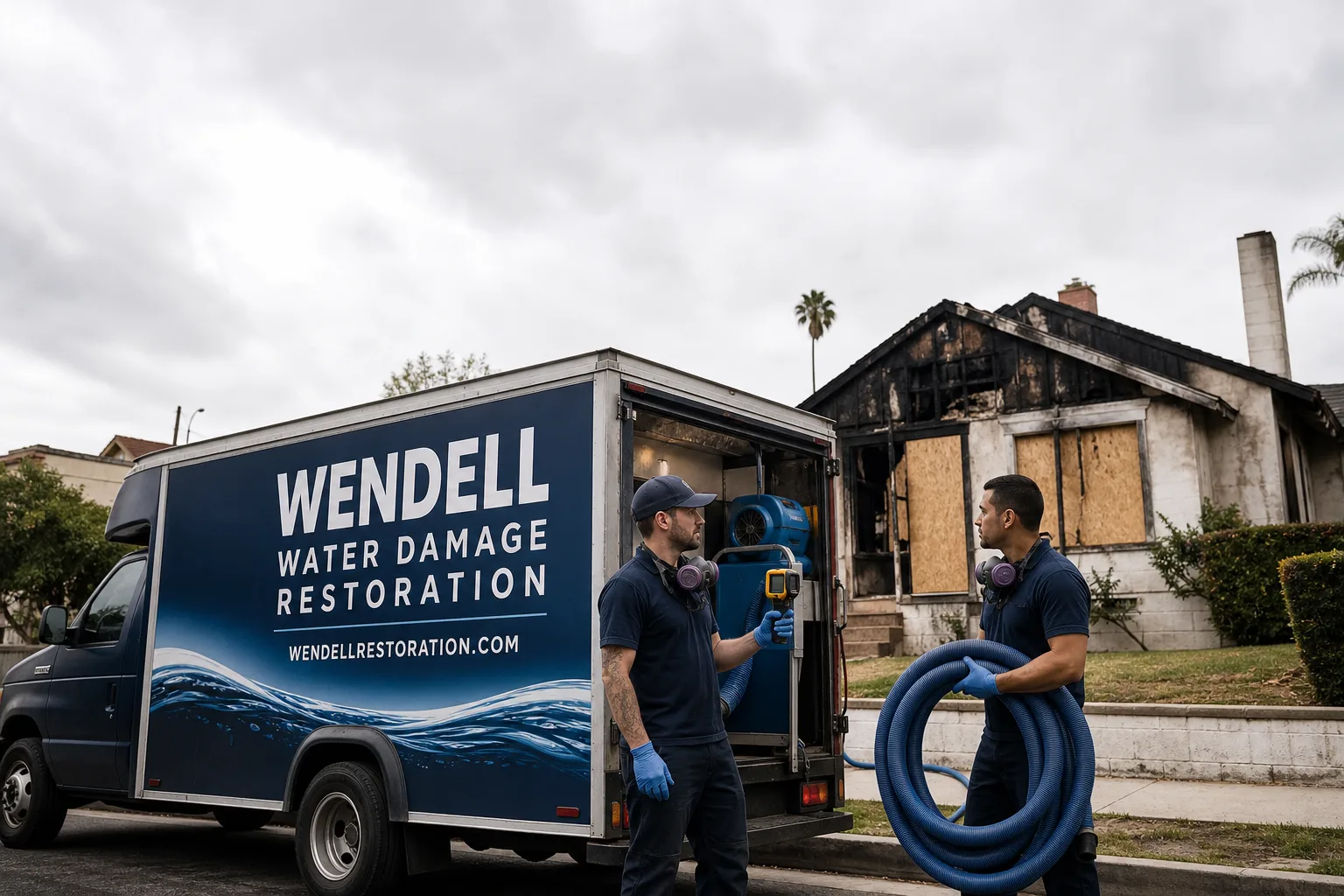
Free visual inspection and a written scope of work before any mitigation begins - photos, moisture readings, and drying logs go in your claim file
The scope we write is the scope we bill. Anything new gets shown to you, in writing, before we touch it.
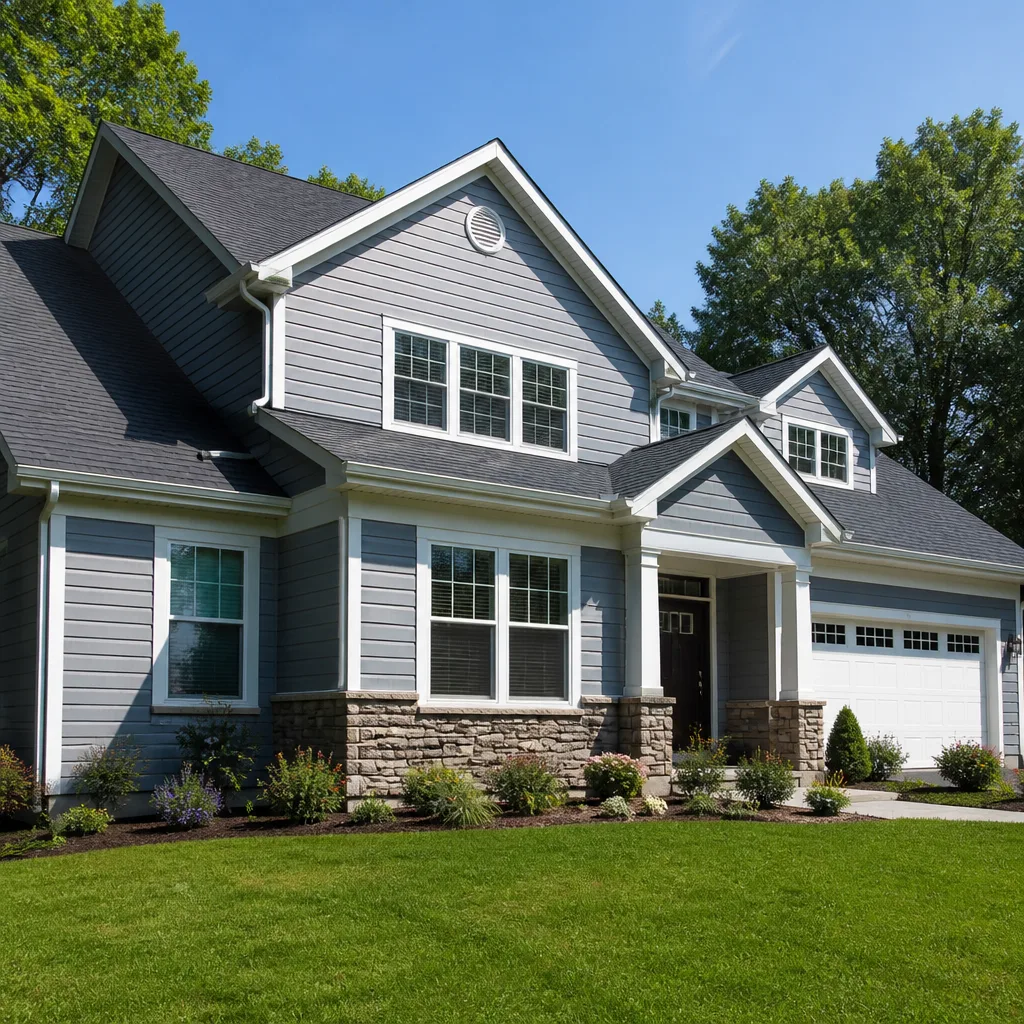
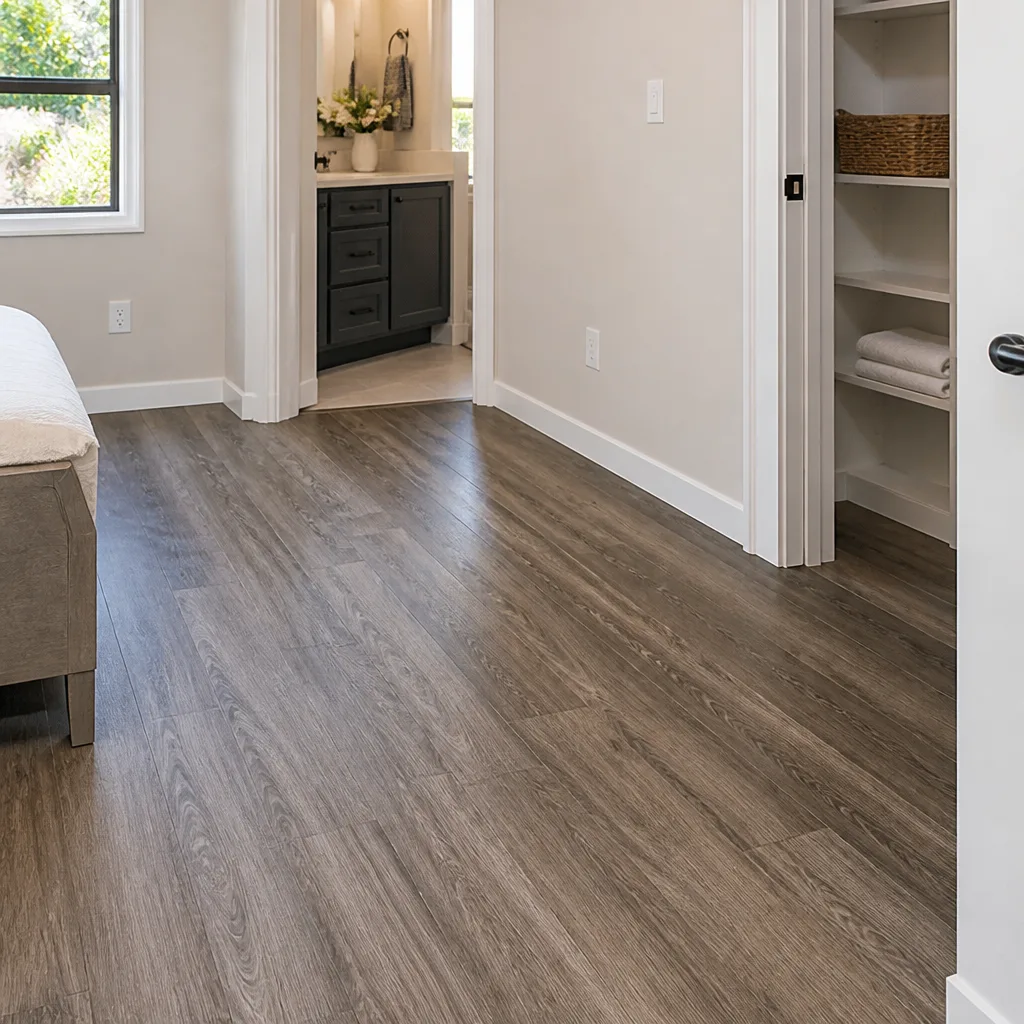
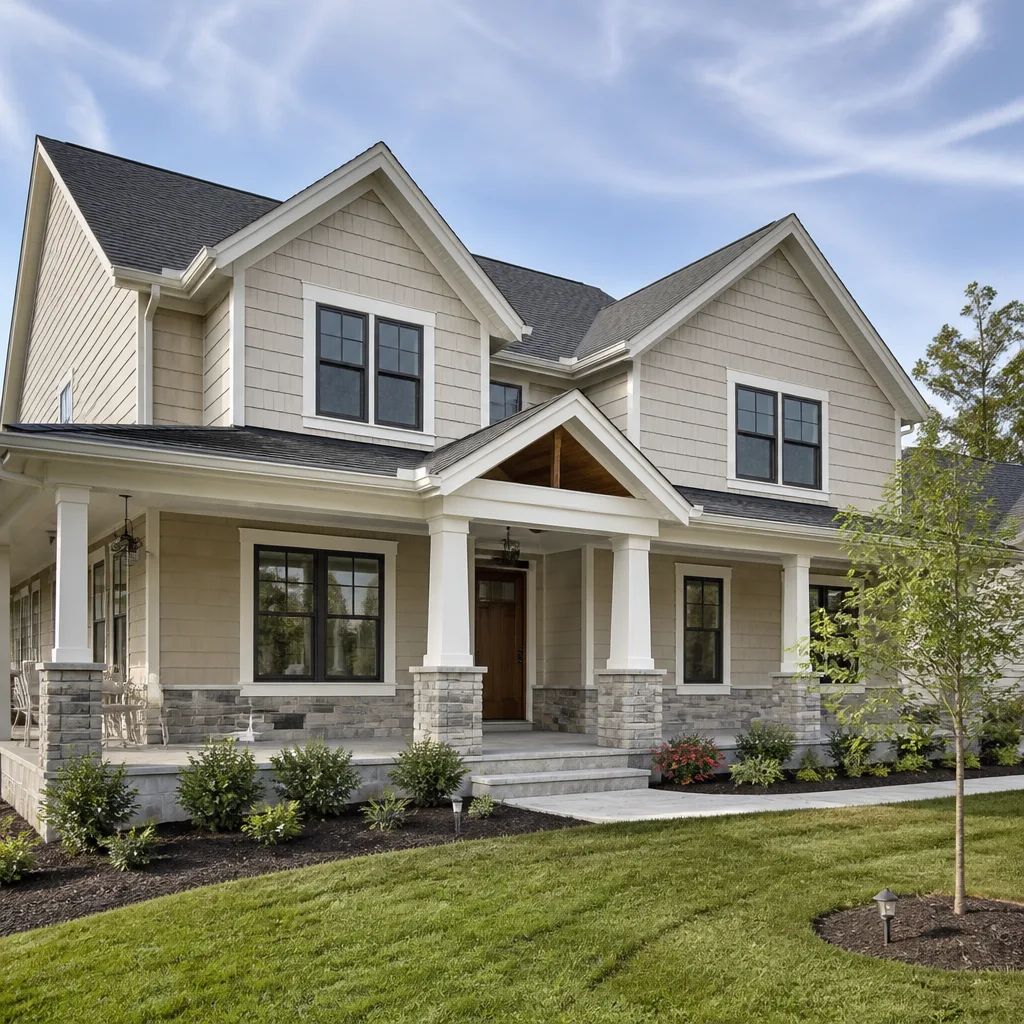
 Before
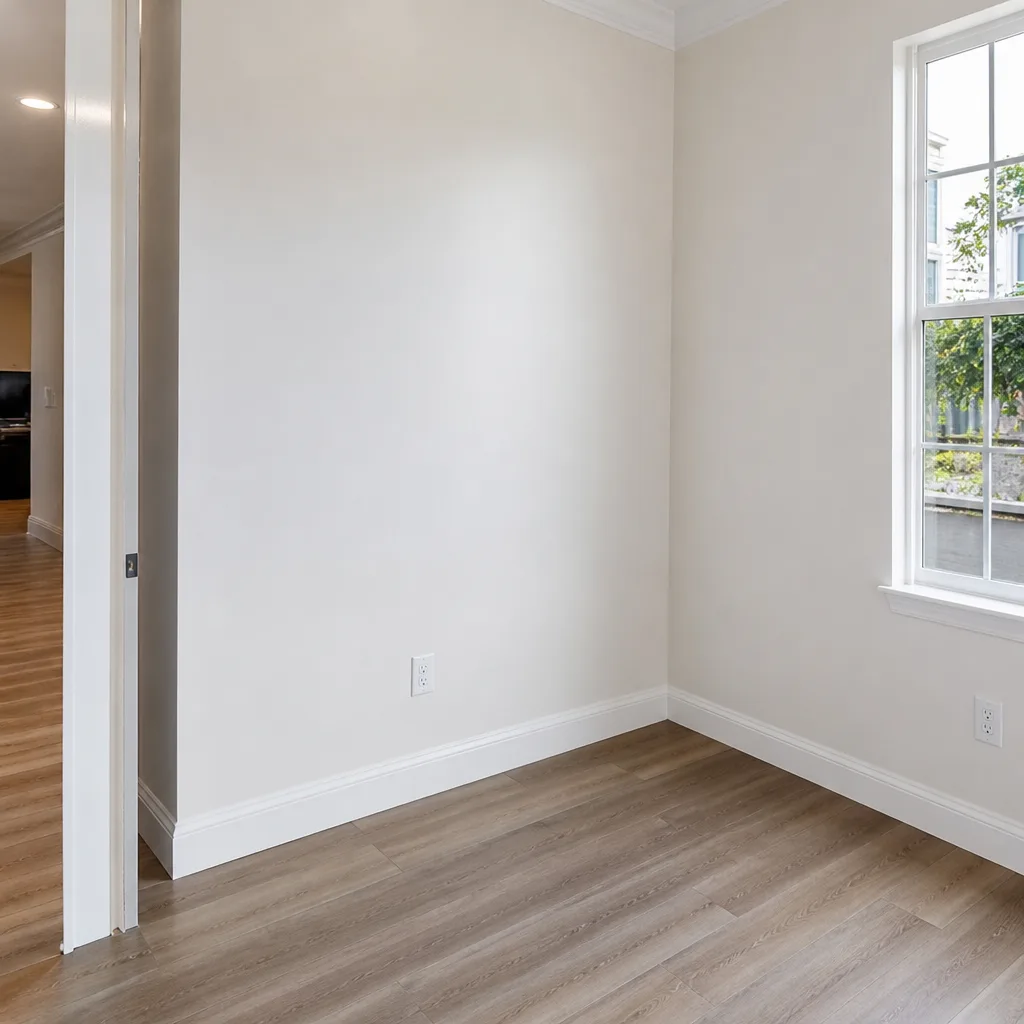 After
After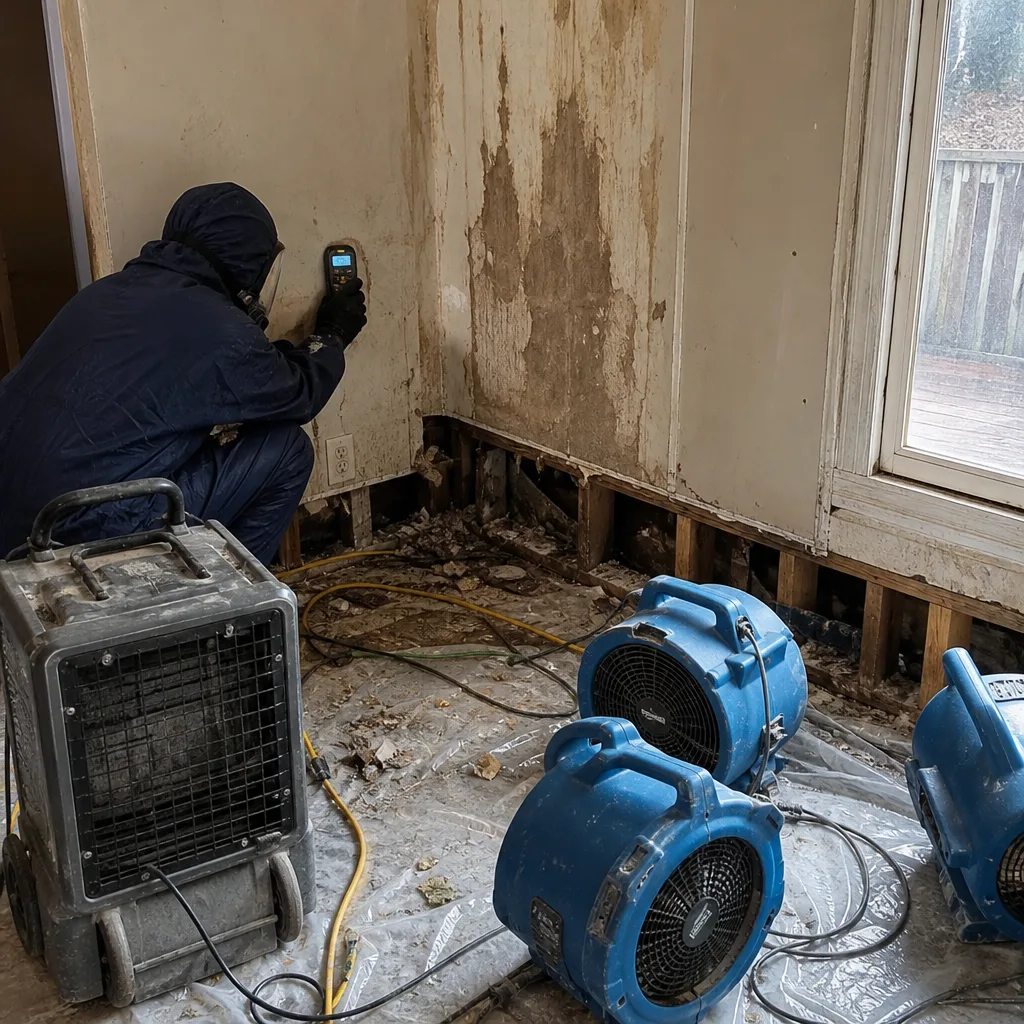 Before
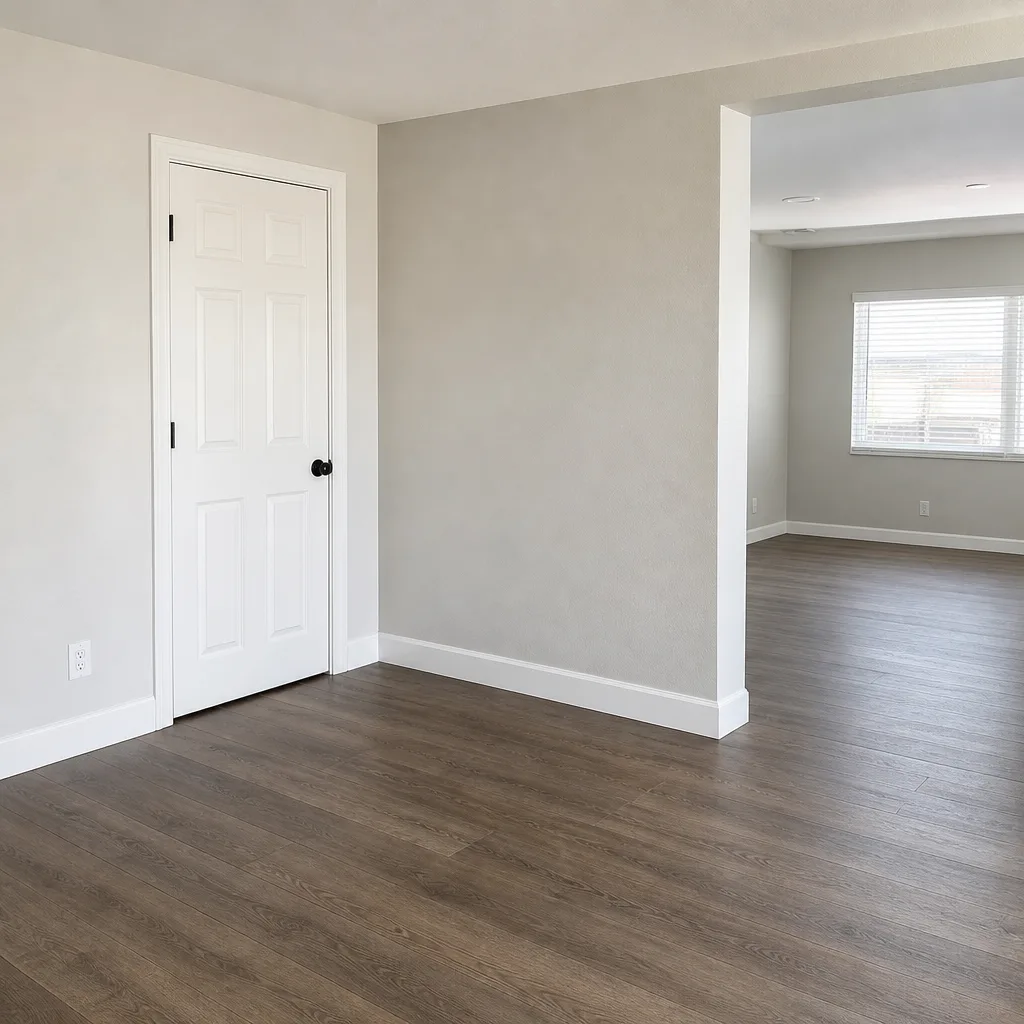 After
After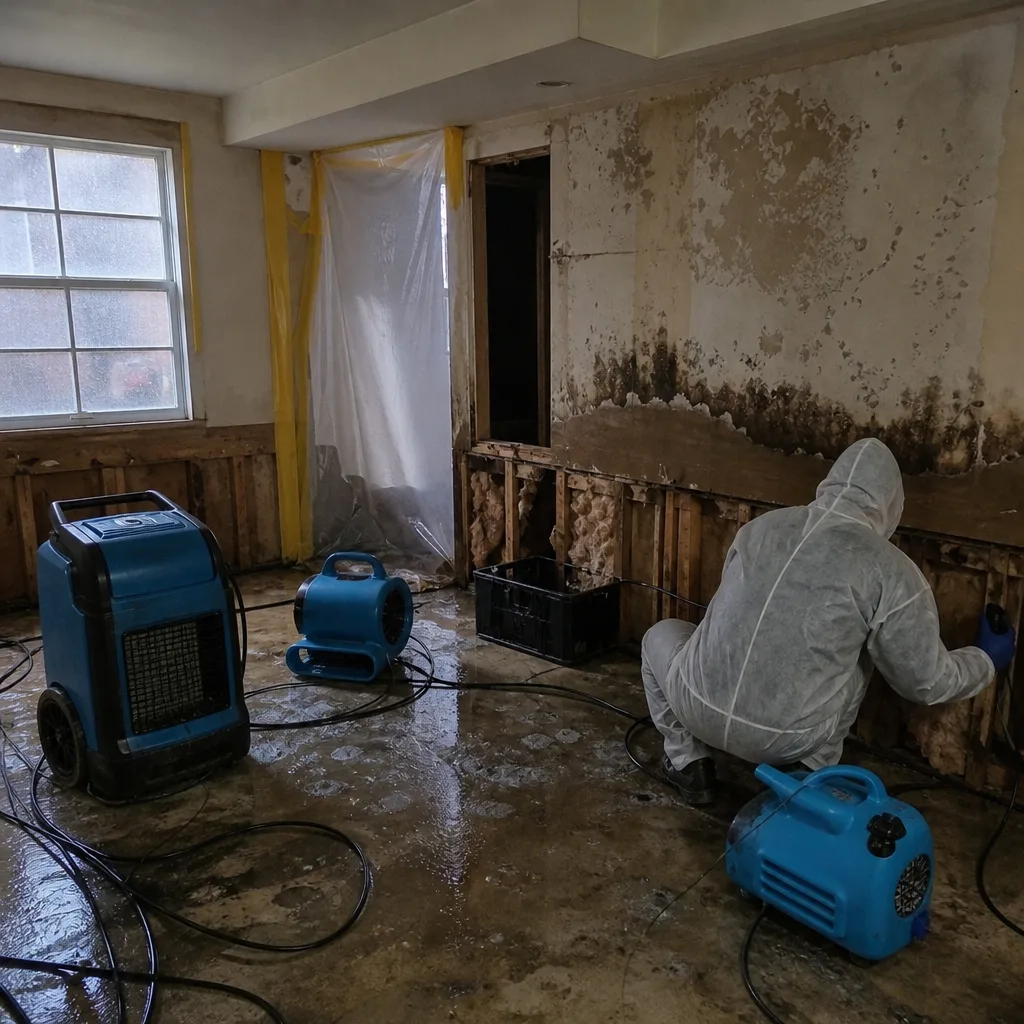 Before
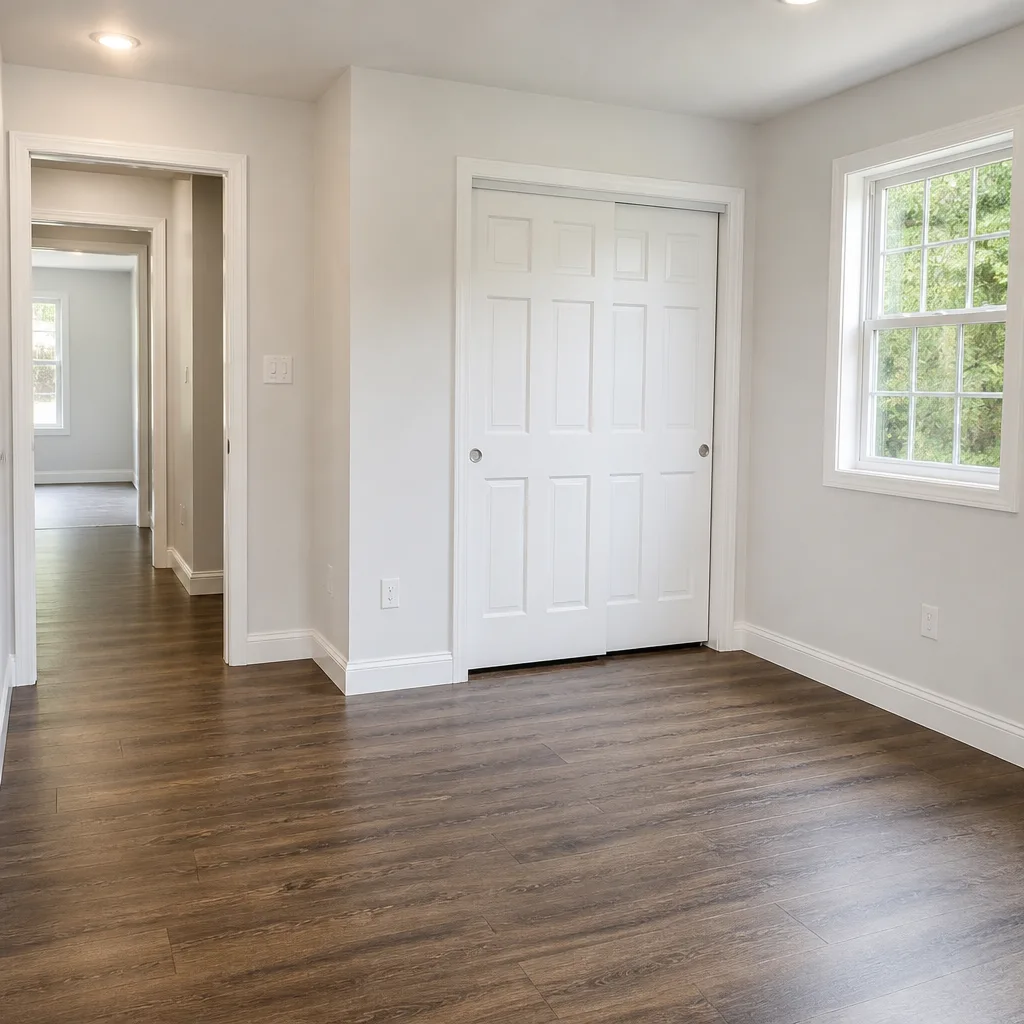 After
AfterFast, Reliable Mold Remediation Across Deer Park
Mold remediation in Deer Park typically costs between $1,800 and $6,500 for a standard finished basement job, and our crews can usually be at your door the same day you call. We know the houses here, from the 1950s ranches off Deer Park Avenue to the newer infill construction near the Tanger Outlets. That matters because mold in a mid-century Deer Park home usually comes from a different source than mold in a split-level built eight years ago. Call (940) 466-4354 and we’ll walk you through what we’re seeing.
Why Wendell Water Damage Restoration Is Deer Park’s Preferred Mold Remediation Company
Deer Park sits on the western edge of Suffolk County, which means response times from Riverhead or points farther east routinely push past the 24-to-48-hour window when mold begins colonizing wet drywall. We dispatch locally, so that’s not a problem our Deer Park customers have to think about. You get a live arrival time you can track, not a four-hour window and a hope.
Blake Sorensen runs our mold division, and every job follows the same sequence: a written price before any work starts, a written 365-Day Done Right Promise on every repair, and a free second visit if the repair fails. That’s the Relay Standard, and it applies to every house we step into in Deer Park, whether it’s a crawl space off Nicolls Road or an attic above Commack Road.
Our technicians are background-checked and uniformed. You’ll know exactly who’s walking through your door before they get there. And when the job’s done, you get before-and-after photos by text, plus a digital invoice you can pay from a link. The number on the screen is the number you pay.
Professional Mold Removal in Deer Park
Professional Mold Removal in Deer Park starts with finding the water source, not just scrubbing what’s visible, because painting over mold or bleaching a wall does nothing if the bottom plate behind your paneling is still saturated from a high water table or a sump failure. We get calls every month from Deer Park homeowners who had a handyman “fix” a musty basement, then watched the staining return within weeks. The mold wasn’t removed; it was hidden.
Containment and Source Removal
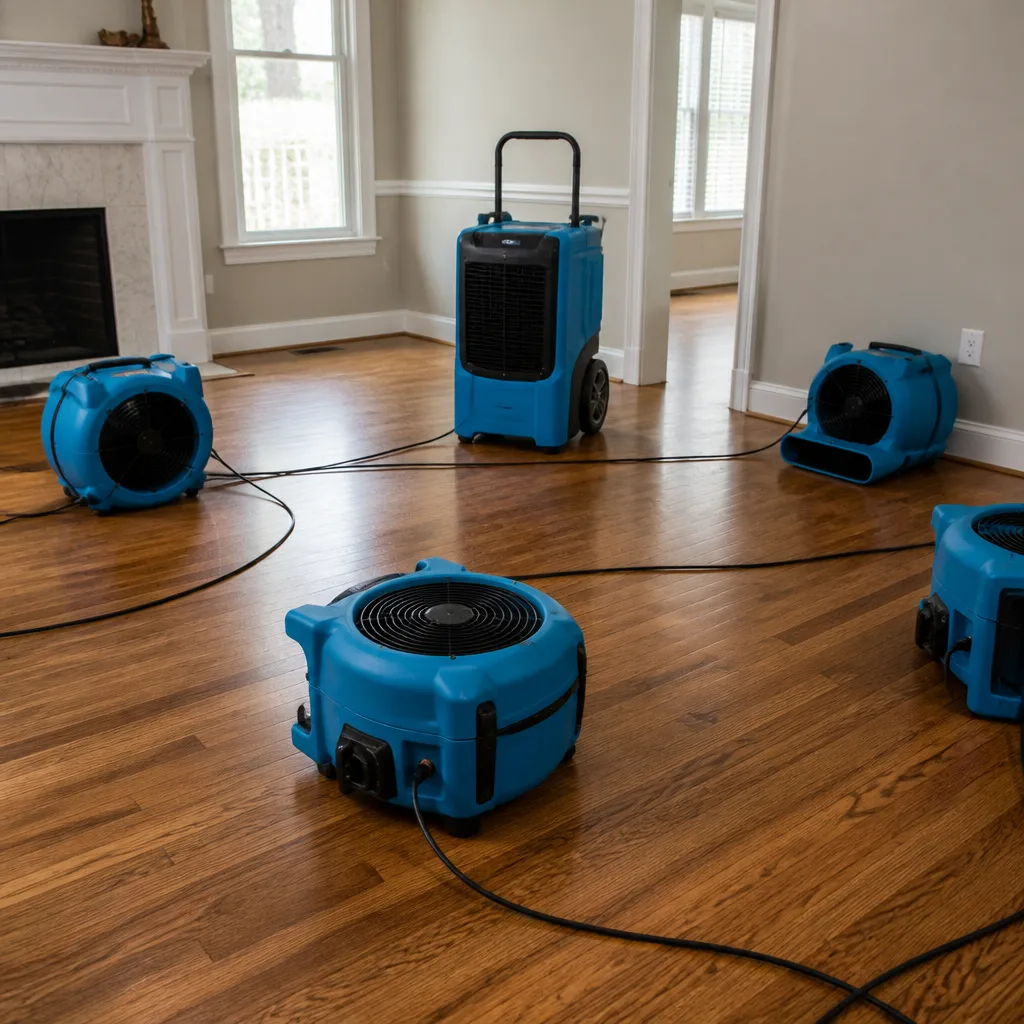
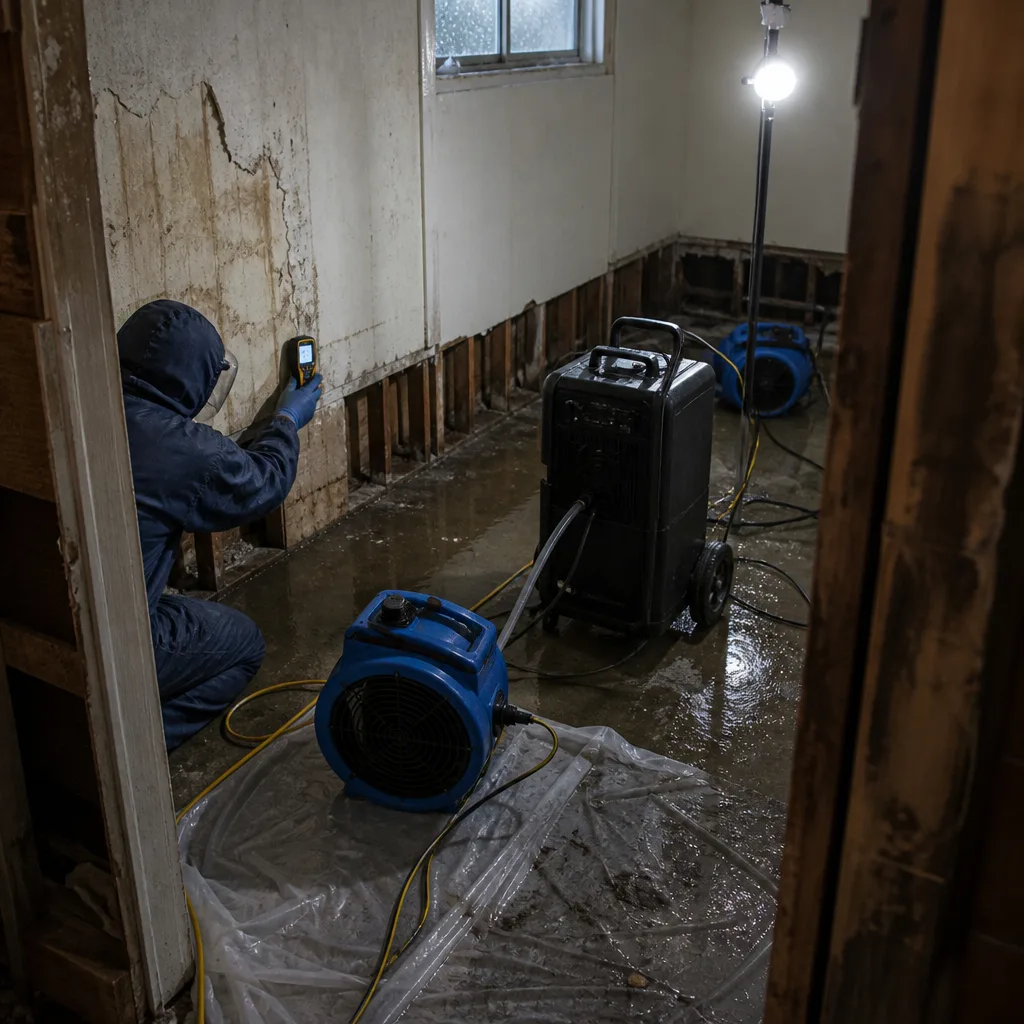
For finished basements off Long Island Avenue or Grand Boulevard, removal means setting up negative air containment, removing the affected drywall and insulation, and treating the framing with an antimicrobial. We run Injectidry mats and XPOWER air movers inside the cavity to get structural drying done before any rebuild. Skipping that step is how you get a repeat problem.
Attic and Ceiling Mold
Deer Park’s mid-century ranches often have bathroom exhaust fans that vent into the attic instead of through the roof. That dumps warm, humid air into a cold attic space, and mold grows on the underside of the roof deck. The fix isn’t just treating the mold; it’s re-routing the vent and checking the attic’s insulation depth. We see this often enough that it’s the first thing we check on any attic call in Deer Park.
Mold Inspection in Deer Park
Mold Inspection in Deer Park is what we recommend before any remediation quote, because the town’s housing mix of mid-century ranches and newer infill means mold calls split into two very different scopes, and you shouldn’t pay for the wrong one. A finished basement reading high moisture on a concrete slab needs one approach. A second-floor bathroom with mold on the ceiling above the vanity needs another. We start with moisture mapping and visual inspection, not a demolition estimate.
Moisture Mapping and Air Sampling
Using meters that read moisture content inside wall cavities, we can tell whether the damp spot behind your baseboard in the Birchwood area is surface condensation or water wicking up from the foundation. If the readings show elevated moisture across a wide area, we’ll recommend air sampling to identify the spore type and concentration before any walls come down.
What the Inspection Tells You
You’ll get a clear answer on three things: what’s growing, where the water is coming from, and whether you need full containment removal or just antimicrobial treatment plus source correction. That answer comes with a written scope and a dollar figure. You decide from there.
Trusted Brands We Service in Deer Park
We run Dri-Eaz, Phoenix, and XPOWER equipment on Deer Park jobs, the same professional-grade drying systems used on large commercial loss sites. That’s not a sales pitch; it’s what lets us hit structural dry in 3 to 5 days instead of two weeks. We stock the consumables for these machines locally, so a Deer Park call doesn’t wait on a parts truck from Nassau County. If your last mold crew showed up with a couple of box fans and a spray bottle, you’ll notice the difference immediately.
Common Mold Remediation Problems We See in Deer Park Homes
- Painting over mold instead of removing it. A general handyman quotes a low price, paints the stained drywall with a stain-blocker, and the moisture stays trapped in the wall cavity. Within weeks the mold is back. Deer Park’s high water table means the source is usually below the surface, not on it.
- Skipping dehumidification after a surface dry. We’ve measured foundation walls in Deer Park that read dry one day and climb back to 60% relative humidity after the next rain. Without a proper dehumidification plan, the moisture never leaves the concrete.
- Attic mold from bathroom exhaust fans. Many of Deer Park’s 1950s and 60s homes were built with bathroom fans venting directly into the attic. Every shower sends warm, humid air against cold roof sheathing. It’s a predictable mold source that most homeowners never see until a bathroom remodel exposes it.
- Slow response letting a Category 2 problem become a Category 3. Water from a washing machine overflow, dishwasher leak, or sump failure is considered Category 2 water, meaning it contains some contamination. If it sits for 48 hours or more, it degrades into Category 3, which is sewage-like water. Same leak, much bigger remediation. Speed is the cheapest mold control in Deer Park.
Pricing for Mold Remediation in Deer Park, NY
We Also Serve Cities Near Deer Park
We regularly handle Mold Remediation calls in North Babylon, Wyandanch, West Babylon, and West Islip, so if you’re on the Deer Park border near the county line, your call still gets same-day local dispatch. If you need a crew that knows Suffolk County basements and attics, Mold Remediation in Deer Park is what we do every day.
Serving Deer Park, NY - Our Local Coverage Area
We’re based in the Deer Park area and know this community well. Use the map below to see our service coverage - if you’re nearby, we can almost certainly help.
FAQs About Mold Remediation in Deer Park
In most cases, we can have a technician at your Deer Park home the same day you call, often within a few hours. Because we dispatch locally rather than from points east in Suffolk County, you’re not waiting on a truck from Riverhead. Call (940) 466-4354 and we’ll give you a live arrival time you can track.
Deer Park’s high water table keeps foundation walls and slabs damp from below, and finished basement walls trap that moisture behind paneling or drywall. Even with no plumbing leak, the relative humidity inside the wall cavity can sit above 60%, which is all mold needs. Our moisture mapping reads the cavity, not just the surface.
We test before we remove. Every mold job in Deer Park starts with a visual inspection and moisture mapping, and when the affected area is large or the homeowner wants documentation for insurance, we run air sampling to identify spore type and concentration. Removal starts with a written scope based on those readings, not a guess.
Yes, and it’s one of the most common calls we get in Deer Park’s older ranches. A bathroom exhaust fan venting into the attic pushes humid air against cold roof sheathing every day, and mold builds up over time. The fix means treating the mold, re-routing the vent, and checking your insulation, which is a bigger job than just wiping the wood. But it’s a job with a permanent fix.
Category 1 is clean water from a supply line or a tub overflow; it’s the most straightforward to dry and treat. Category 2 is “gray” water, like a washing machine discharge or a sump pump backup, and it carries some contaminants. Category 3 is “black” water, which includes sewage and flood water; it requires full containment, disposal of affected materials, and specialized antimicrobial treatment. We assess the category before any work starts, and the category drives the scope. Call (940) 466-4354 and we’ll explain what you’re looking at.
Written by Blake Sorensen, Owner at Wendell Water Damage Restoration, serving Deer Park and the surrounding Suffolk County area with mold remediation, inspection, and structural drying.